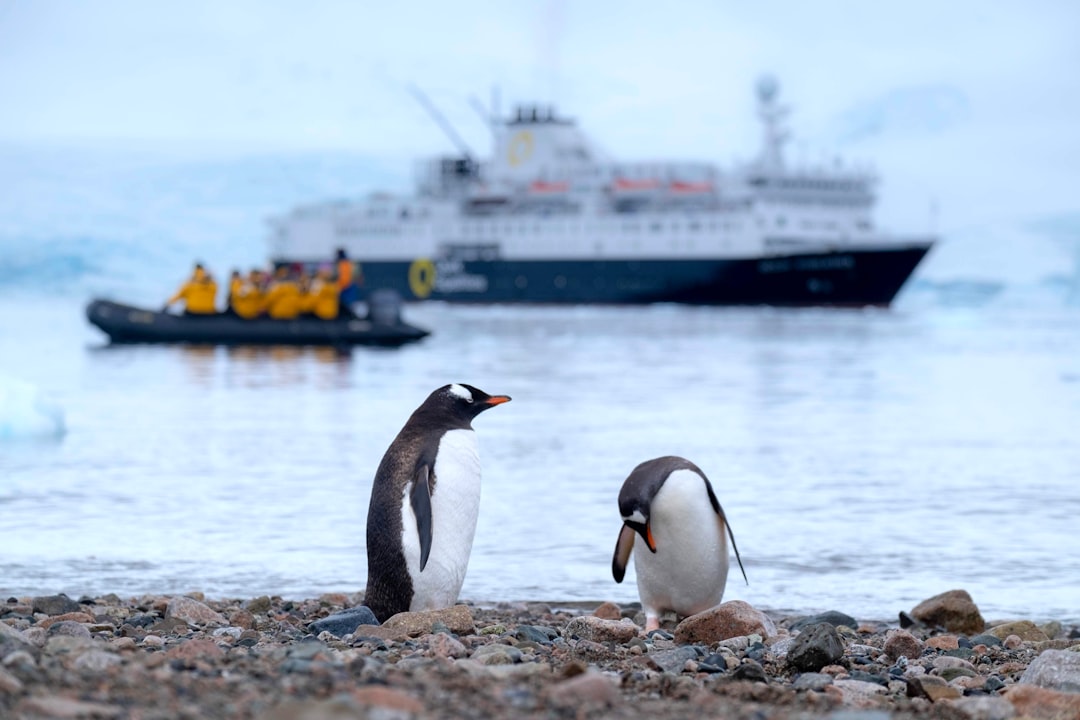
Antarctica, the southernmost continent on Earth, is a land shrouded in mystery and intrigue. Known for its vast ice sheets and extreme weather conditions, it is often perceived as a desolate and inhospitable place. However, beneath its icy exterior lies a rich tapestry of history, science, and exploration.
The continent is not only the coldest place on the planet but also holds the record for the driest and windiest conditions. Despite its harsh environment, Antarctica has captivated the imaginations of explorers, scientists, and historians alike, leading to a wealth of research and discovery over the centuries. The allure of Antarctica extends beyond its physical characteristics; it is also a focal point for understanding global climate patterns and ecological systems.
The continent plays a crucial role in regulating the Earth’s climate and is home to unique wildlife adapted to its frigid conditions. As researchers continue to study this remote region, they uncover insights that have far-reaching implications for understanding climate change and biodiversity. The history of Antarctica is intertwined with the narratives of ancient mariners who ventured into uncharted waters, leaving behind maps that would later spark curiosity and exploration.
Key Takeaways
- Antarctica has long been a source of fascination and mystery due to its remote location and extreme climate.
- Ancient mariners’ maps provide valuable insights into the history of Antarctic exploration and the knowledge of early seafarers.
- The discovery of ancient maps depicting Antarctica challenges conventional beliefs about the timeline of Antarctic exploration.
- The accuracy of ancient mariners’ maps in depicting Antarctica raises questions about the technology and knowledge available to early explorers.
- The influence of ancient mariners’ maps on Antarctic exploration continues to shape our understanding of the continent and its significance in global history.
The History of Ancient Mariners’ Maps
The art of cartography has evolved significantly over the centuries, with ancient mariners playing a pivotal role in its development. These early navigators relied on their observations of the stars, ocean currents, and wind patterns to create maps that guided their journeys across vast and often treacherous seas. The maps produced by these mariners were not merely tools for navigation; they were also reflections of their understanding of the world around them.
As seafaring cultures expanded their horizons, they began to document their discoveries, leading to the creation of increasingly sophisticated maps. Ancient mariners’ maps were often characterized by their artistic embellishments and symbolic representations. They frequently included mythical creatures and fantastical lands, illustrating the mariners’ beliefs and fears about the unknown.
These maps served as both practical guides and cultural artifacts, encapsulating the knowledge and imagination of their creators. As trade routes expanded and exploration intensified, the demand for accurate maps grew, prompting advancements in cartographic techniques that would lay the groundwork for future explorations.
The Discovery of Ancient Maps Depicting Antarctica
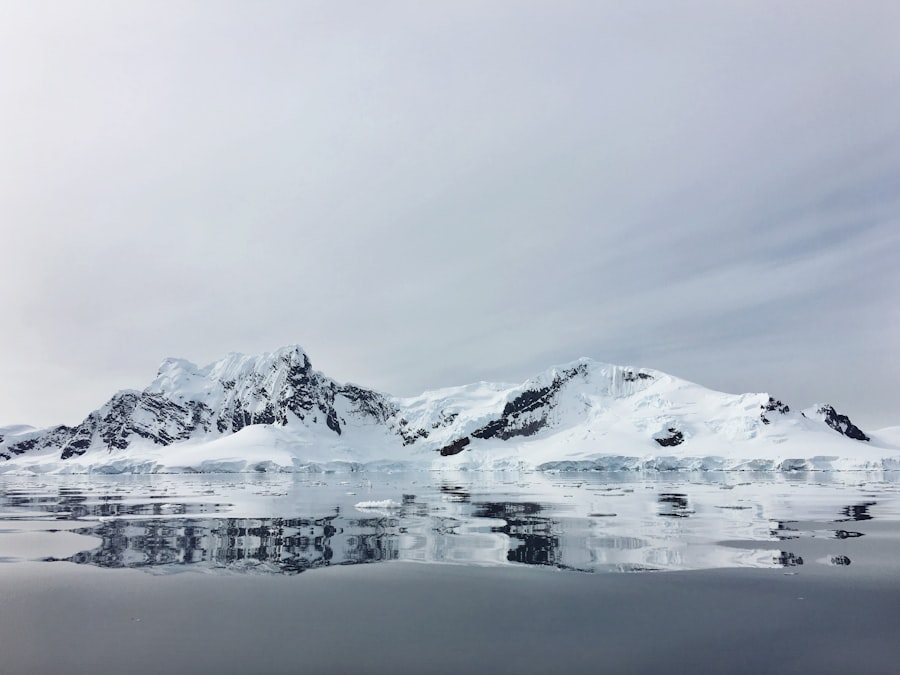
The quest to uncover ancient maps that depict Antarctica has fascinated historians and cartographers alike. While it was long believed that Antarctica remained undiscovered until the 19th century, evidence suggests that some ancient mariners may have had knowledge of its existence long before then. Notable among these are maps such as the Piri Reis map from 1513, which has sparked considerable debate regarding its accuracy and implications for understanding early explorations of the southern continent.
The Piri Reis map is particularly intriguing because it appears to depict landmasses that resemble parts of Antarctica, despite being created at a time when the continent was thought to be uncharted. This has led researchers to speculate about the sources of information available to Reis and other cartographers of his time. Some theorists propose that ancient civilizations possessed advanced knowledge of geography that has since been lost to history.
The Mystery of Antarctica’s Cartographic Representation
| Aspect | Details |
|---|---|
| Publication Date | January 2021 |
| Author | Dr. Adrian Howkins |
| Research Topic | Antarctica’s Cartographic Representation |
| Key Findings | Historical maps of Antarctica were often inaccurate due to limited exploration and technological limitations |
| Significance | Understanding the historical context of Antarctica’s mapping can provide insights into early exploration and scientific knowledge |
The representation of Antarctica on ancient maps is steeped in mystery and speculation. Many historians have pondered how early mariners could have accurately depicted a landmass that remained largely hidden beneath ice until modern times. The existence of maps showing Antarctica’s coastline has led to various theories about lost civilizations or advanced navigational techniques that may have existed thousands of years ago.
Some suggest that these maps were based on oral traditions passed down through generations or even on sightings by sailors who ventured further south than previously documented. The enigma surrounding these ancient representations is compounded by the fact that many maps were created without the benefit of modern technology or scientific understanding. The inaccuracies inherent in early cartography often led to distorted depictions of landmasses, yet some ancient maps appear surprisingly accurate in their portrayal of Antarctica’s features.
This has fueled speculation about whether these mariners had access to knowledge or resources that have since been forgotten or lost to time.
The Role of Ancient Mariners in Mapping Antarctica
Ancient mariners played a crucial role in shaping our understanding of geography, including the elusive continent of Antarctica. Their voyages across uncharted waters laid the foundation for future explorations and cartographic advancements. These early navigators were not only skilled sailors but also keen observers of their environment, documenting their findings in ways that would influence generations to come.
Their maps served as vital tools for navigation, enabling subsequent explorers to venture into unknown territories with greater confidence. The contributions of these mariners extended beyond mere navigation; they also fostered cultural exchanges between distant civilizations. As they traveled from one port to another, they shared knowledge about geography, trade routes, and local customs.
This exchange of information enriched their maps and expanded their understanding of the world. In this way, ancient mariners were instrumental in creating a collective body of knowledge that would eventually encompass even the most remote regions, including Antarctica.
The Accuracy of Ancient Mariners’ Maps
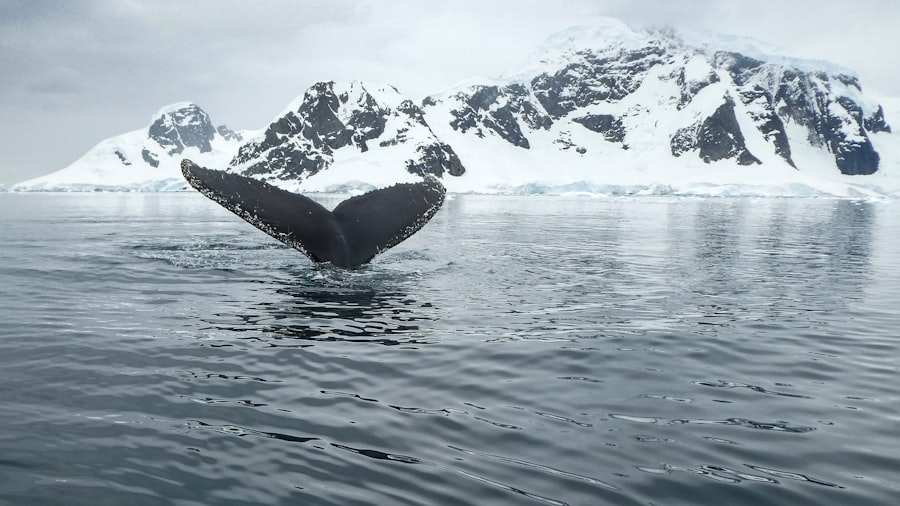
The accuracy of ancient mariners’ maps has been a subject of much debate among historians and cartographers. While many early maps contained significant inaccuracies due to limited knowledge and technology, some depictions have proven surprisingly precise when compared to modern cartographic standards. For instance, certain ancient maps feature coastlines and geographical features that align closely with contemporary understandings of Antarctica’s topography.
However, it is essential to recognize that these maps were often created with different intentions than those guiding modern cartography. Ancient mariners prioritized navigational utility over precise geographical accuracy; thus, their maps may have included exaggerated features or artistic interpretations rather than exact measurements. Despite these limitations, the existence of relatively accurate representations raises intriguing questions about how much knowledge was available to these early navigators regarding distant lands like Antarctica.
The Significance of Ancient Mariners’ Maps in Understanding Antarctica
The significance of ancient mariners’ maps extends far beyond their immediate utility for navigation; they offer valuable insights into humanity’s evolving relationship with geography and exploration. These maps serve as historical documents that reflect the cultural beliefs, technological capabilities, and aspirations of their creators. By studying these artifacts, researchers can gain a deeper understanding of how ancient civilizations perceived their world and how they sought to navigate it.
Moreover, ancient maps provide a unique lens through which to examine humanity’s quest for knowledge about Antarctica specifically. They highlight the enduring fascination with this remote continent and underscore the lengths to which explorers have gone to uncover its secrets. As modern scientists continue to study Antarctica’s climate and ecosystems, they can draw upon the rich legacy left by ancient mariners who first dared to chart its icy shores.
The Technology Used by Ancient Mariners to Map Antarctica
The technology employed by ancient mariners in mapping regions like Antarctica was rudimentary compared to today’s standards but nonetheless remarkable for its time. Early navigators relied heavily on celestial navigation, using the stars as guides during their voyages across open waters. Instruments such as astrolabes and sextants allowed them to measure angles between celestial bodies and the horizon, enabling them to determine their latitude with relative accuracy.
In addition to celestial navigation, ancient mariners utilized various techniques for charting coastlines and landmasses. They often relied on dead reckoning—a method based on estimating one’s current position by calculating speed and direction over time—alongside observations of wind patterns and ocean currents. These methods required keen observational skills and an intimate understanding of maritime conditions, allowing mariners to create maps that reflected their experiences at sea.
Comparing Ancient Mariners’ Maps with Modern Cartography of Antarctica
When comparing ancient mariners’ maps with modern cartography of Antarctica, one can observe both striking similarities and significant differences. Modern cartography benefits from advanced technology such as satellite imagery, GPS systems, and sophisticated mapping software that provide unparalleled accuracy in depicting geographical features. In contrast, ancient maps were often based on limited information gathered through firsthand experience or oral accounts.
Despite these differences, some ancient maps exhibit remarkable accuracy in their representation of Antarctica’s coastline and geographical features. This has led researchers to explore potential connections between ancient navigators’ knowledge and contemporary understandings of the continent’s geography. While modern cartography offers precision unattainable in earlier times, examining ancient maps can reveal insights into how perceptions of Antarctica have evolved over centuries.
The Influence of Ancient Mariners’ Maps on Antarctic Exploration
The influence of ancient mariners’ maps on Antarctic exploration cannot be overstated. These early cartographic works laid the groundwork for subsequent explorers who sought to uncover the mysteries of this remote continent. The knowledge contained within these maps inspired generations of adventurers who were driven by curiosity and a desire for discovery.
As explorers ventured into uncharted territories during the Age of Exploration, they often relied on existing maps as references for their journeys. The legacy left by ancient mariners served as both inspiration and cautionary tales for those who followed in their wake. Their experiences navigating treacherous waters provided valuable lessons about perseverance and adaptability—qualities essential for successful exploration in challenging environments like Antarctica.
The Legacy of Ancient Mariners’ Maps in Exploring Antarctica
The legacy of ancient mariners’ maps in exploring Antarctica is profound and enduring. These early navigators not only contributed significantly to our understanding of geography but also ignited a spirit of exploration that continues to this day. Their maps serve as historical artifacts that encapsulate humanity’s quest for knowledge about distant lands and our relationship with the natural world.
As modern scientists delve deeper into Antarctica’s mysteries—studying its climate patterns, ecosystems, and geological history—they stand on the shoulders of those who came before them. The ancient mariners’ courage in venturing into uncharted waters paved the way for future explorations that have expanded our understanding of this enigmatic continent. Ultimately, their contributions remind us that exploration is not merely about discovering new lands but also about forging connections between cultures across time and space—a legacy that continues to inspire adventurers around the globe today.
This narrative is enriched by examining various historical maps and accounts that suggest a deeper understanding of the world by ancient civilizations. For those interested in further exploring the mysteries of ancient navigation and cartography, a related article can be found on Real Lore and Order’s website. You can read more about these captivating topics by visiting this page.
WATCH THIS 🧊The US Military Confirmed It: What’s REALLY Under the Antarctic Ice?
FAQs
What is the article “Ancient mariners mapped Antarctica” about?
The article discusses the discovery of ancient maps that suggest mariners may have had knowledge of Antarctica long before it was officially discovered.
What evidence supports the idea that ancient mariners mapped Antarctica?
The evidence includes maps such as the Piri Reis map, which dates back to the 16th century and shows an accurate depiction of the coastline of Antarctica.
How did ancient mariners potentially map Antarctica without modern technology?
It is believed that ancient mariners may have used a combination of celestial navigation, landmarks, and possibly even oral traditions passed down through generations to map Antarctica.
Why is the idea of ancient mariners mapping Antarctica significant?
The idea is significant because it challenges the conventional timeline of when Antarctica was officially discovered and raises questions about the capabilities of ancient civilizations.
What are the implications of ancient mariners mapping Antarctica?
If proven true, it would suggest that ancient civilizations had a level of knowledge and navigational skill that was previously underestimated. It could also prompt a reevaluation of our understanding of ancient seafaring and exploration.