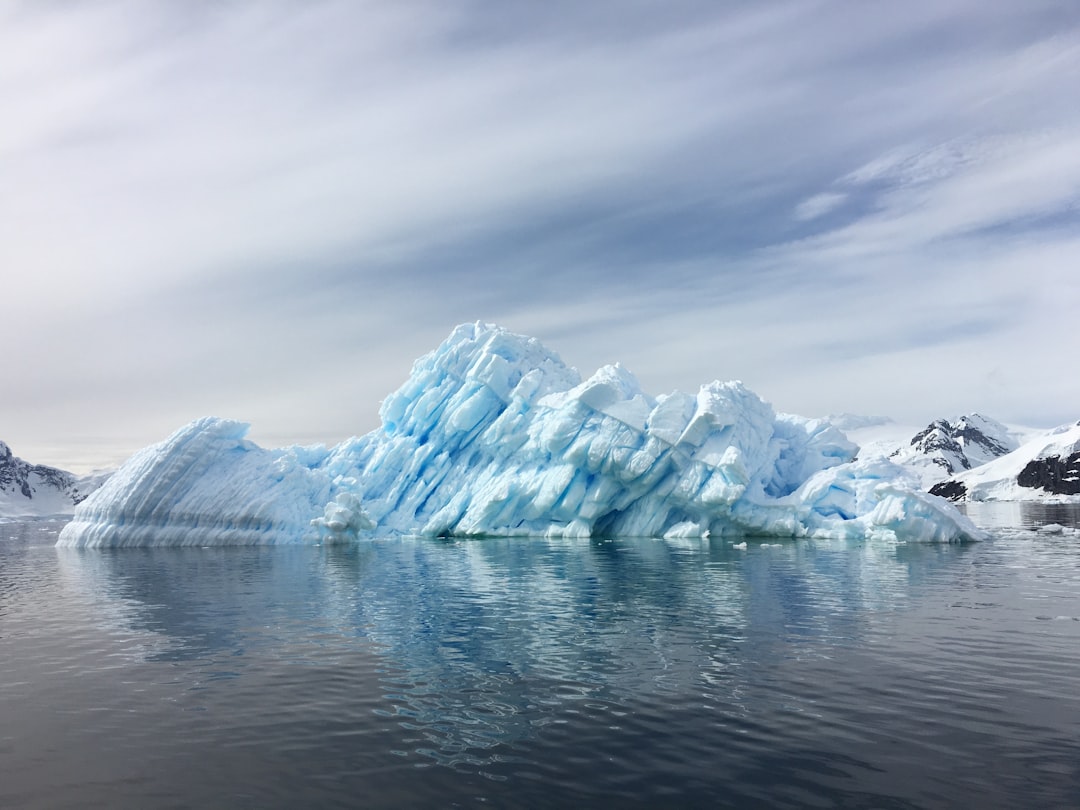
Antarctica, often referred to as the last great wilderness on Earth, is home to the largest ice sheet in the world. This vast expanse of ice covers approximately 14 million square kilometers, making it a critical component of the planet’s climate system. The ice caps of Antarctica are not merely frozen landscapes; they are dynamic systems that play a vital role in regulating global temperatures and sea levels.
The sheer volume of ice contained within these caps is staggering, with estimates suggesting that if all of it were to melt, global sea levels could rise by over 60 meters. This stark reality underscores the importance of understanding and monitoring these ice formations. The Antarctic ice caps are composed of two main components: the East Antarctic Ice Sheet and the West Antarctic Ice Sheet.
The East Antarctic Ice Sheet is the larger of the two and is considered more stable, while the West Antarctic Ice Sheet is more vulnerable to climate change due to its geographical positioning and the warm ocean currents that surround it. Together, these ice sheets are not only a testament to Earth’s climatic history but also a barometer for future changes in the global environment. As scientists delve deeper into the complexities of these ice caps, they uncover insights that could have profound implications for humanity’s future.
Key Takeaways
- Antarctica’s ice caps are massive sheets of ice that cover the continent and play a crucial role in regulating the Earth’s climate.
- Global warming is causing Antarctica’s ice caps to melt at an alarming rate, leading to significant environmental consequences.
- The melting of Antarctica’s ice caps contributes to rising sea levels, posing a threat to coastal communities and ecosystems around the world.
- Rising sea levels can result in coastal flooding, erosion, and the displacement of millions of people, with severe economic and social impacts.
- Preserving Antarctica’s ice caps is essential for maintaining the stability of the global climate system and preventing further sea level rise.
The impact of global warming on Antarctica’s ice caps
Global warming has emerged as one of the most pressing challenges facing the planet, and its effects are particularly pronounced in polar regions.
The average temperature in Antarctica has increased by nearly 3 degrees Celsius since the 1950s, a rate that far exceeds the global average.
This warming trend has resulted in the destabilization of ice shelves, which act as barriers to the flow of glaciers into the ocean. As these ice shelves weaken and collapse, glaciers are able to move more freely, accelerating the rate at which ice is lost from the continent. Moreover, the impact of global warming on Antarctica’s ice caps is not uniform across the region.
While some areas experience rapid melting, others may see a temporary increase in ice accumulation due to changes in precipitation patterns. However, the overall trend is one of decline, with satellite data revealing that Antarctica is losing approximately 250 billion tons of ice each year. This loss not only contributes to rising sea levels but also disrupts local ecosystems and alters ocean circulation patterns, further exacerbating climate change.
The connection between melting ice caps and sea level rise
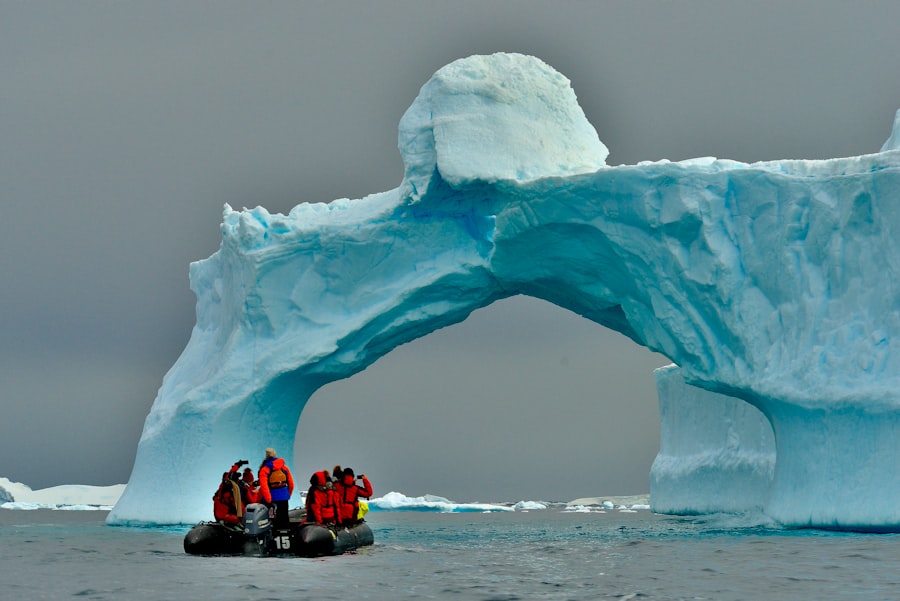
The melting of Antarctica’s ice caps is intricately linked to rising sea levels, a phenomenon that poses significant risks to coastal communities worldwide. As glaciers and ice sheets melt, they release freshwater into the ocean, contributing directly to sea level rise. The relationship between melting ice and sea levels is complex; it involves not only the volume of water added to the oceans but also thermal expansion, where warmer water occupies more space than colder water.
Together, these factors create a multifaceted challenge for scientists and policymakers alike. Recent studies have shown that Antarctica’s contribution to global sea level rise has increased dramatically over the past few decades. In the early 1990s, Antarctica was responsible for about 0.3 millimeters per year of sea level rise; by 2017, this figure had surged to nearly 1 millimeter per year.
This acceleration is alarming, as even small increases in sea level can have devastating effects on low-lying areas. Coastal cities such as Miami, New Orleans, and Jakarta are already experiencing flooding during high tides, a phenomenon that will only worsen as Antarctica continues to lose its ice.
The potential consequences of rising sea levels
| Consequence | Impact |
|---|---|
| Displacement of populations | Millions of people could be forced to leave their homes and communities. |
| Loss of coastal land | Coastal cities and ecosystems could be submerged or eroded. |
| Damage to infrastructure | Ports, roads, and buildings could be damaged or destroyed. |
| Threat to agriculture | Fertile coastal lands could become unusable due to saltwater intrusion. |
| Impact on biodiversity | Coastal habitats and species could be threatened or lost. |
The consequences of rising sea levels due to melting Antarctic ice caps are far-reaching and multifaceted. One of the most immediate threats is the inundation of coastal areas, which can lead to displacement of populations and loss of infrastructure. As sea levels rise, cities that once thrived along coastlines may find themselves submerged or facing chronic flooding.
This scenario poses not only an environmental crisis but also a humanitarian one, as millions may be forced to relocate due to uninhabitable conditions. In addition to direct flooding risks, rising sea levels can exacerbate other environmental issues such as erosion and saltwater intrusion into freshwater supplies. Coastal ecosystems, including mangroves and wetlands, serve as natural buffers against storms and flooding; however, as sea levels rise, these vital habitats may be lost or severely degraded.
The loss of biodiversity in these areas can have cascading effects on local economies that rely on fishing and tourism. Furthermore, the economic costs associated with adapting infrastructure to cope with rising seas could run into billions of dollars globally.
The role of Antarctica’s ice caps in the global climate system
Antarctica’s ice caps play a crucial role in maintaining the Earth’s climate balance. They reflect sunlight back into space due to their high albedo effect, helping to regulate global temperatures. Additionally, they influence ocean currents and weather patterns through their interactions with atmospheric systems.
Disruption of this delicate balance could lead to unpredictable weather patterns and further exacerbate climate change. Moreover, Antarctica acts as a significant carbon sink; its cold waters absorb large amounts of carbon dioxide from the atmosphere.
As temperatures rise and ice melts, this process may be disrupted, potentially releasing stored carbon back into the atmosphere and accelerating global warming. Understanding these interconnected systems is vital for predicting future climate scenarios and developing effective strategies for mitigation.
Current research and findings on Antarctica’s melting ice caps
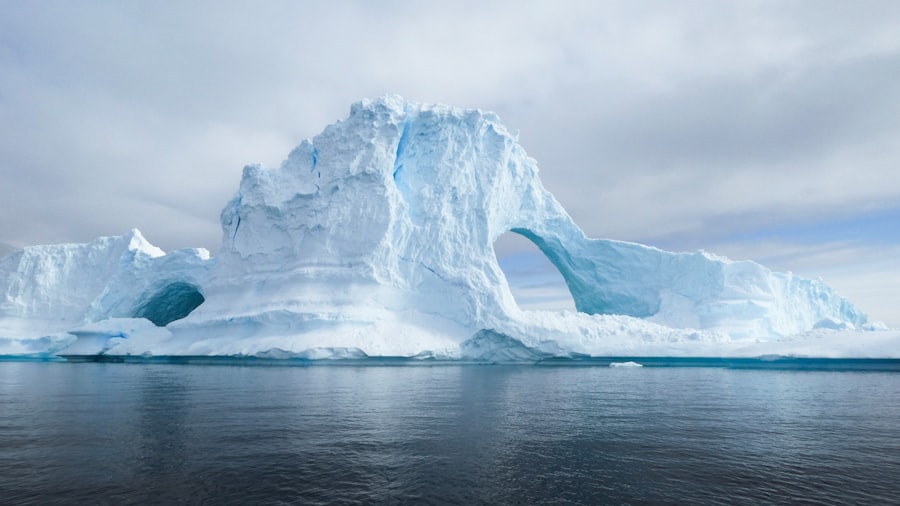
Ongoing research into Antarctica’s melting ice caps has yielded critical insights into the dynamics of ice loss and its implications for global sea levels. Scientists utilize a combination of satellite observations, ground-based measurements, and computer modeling to assess changes in ice mass and flow rates. Recent findings indicate that certain glaciers in West Antarctica are retreating at unprecedented rates due to warm ocean waters eroding their bases from below.
One notable study published in 2020 highlighted the Thwaites Glacier, often referred to as the “doomsday glacier,” due to its potential impact on sea level rise. Researchers found that warm water was infiltrating beneath this glacier at an alarming rate, raising concerns about its stability and future contributions to sea level rise. Such studies underscore the urgency of monitoring these changes closely and enhancing predictive models to better understand how these processes will unfold in the coming decades.
The importance of preserving Antarctica’s ice caps
Preserving Antarctica’s ice caps is not merely an environmental concern; it is a matter of global significance that affects millions of lives worldwide. The health of these ice formations is intrinsically linked to climate stability and sea level management. Protecting them means safeguarding not only unique ecosystems but also human communities that depend on stable coastlines and predictable weather patterns.
Moreover, preserving Antarctica’s ice caps serves as a symbol of humanity’s commitment to addressing climate change. It highlights the need for responsible stewardship of natural resources and emphasizes the interconnectedness of global systems. By prioritizing conservation efforts in this remote region, nations can demonstrate their dedication to combating climate change while fostering international cooperation.
Strategies for mitigating the effects of melting ice caps on sea level rise
Mitigating the effects of melting Antarctic ice caps on sea level rise requires a multifaceted approach that encompasses both local and global strategies. One key strategy involves reducing greenhouse gas emissions through transitioning to renewable energy sources such as solar, wind, and hydroelectric power. By decreasing reliance on fossil fuels, nations can help slow down global warming and its associated impacts on polar regions.
In addition to emission reductions, enhancing adaptive capacity in vulnerable coastal communities is essential. This may involve investing in resilient infrastructure designed to withstand flooding and erosion or implementing nature-based solutions such as restoring wetlands and mangroves that can buffer against rising seas. Furthermore, international collaboration on research initiatives can facilitate knowledge sharing and innovation in addressing these pressing challenges.
International efforts to address the issue of Antarctica’s melting ice caps
International efforts to address the issue of Antarctica’s melting ice caps have gained momentum in recent years as awareness of climate change has grown. Treaties such as the Antarctic Treaty System promote scientific cooperation and environmental protection in this fragile region. These agreements emphasize the importance of conducting research collaboratively while ensuring that activities do not compromise ecological integrity.
Additionally, organizations like the Intergovernmental Panel on Climate Change (IPCC) play a crucial role in synthesizing research findings related to polar regions and disseminating information to policymakers worldwide. By providing comprehensive assessments of climate impacts and potential adaptation strategies, these organizations help guide international responses to mitigate risks associated with melting ice caps.
The need for global cooperation in addressing the threat of sea level rise
Addressing the threat posed by rising sea levels requires unprecedented levels of global cooperation among nations. Climate change knows no borders; its impacts are felt universally regardless of geographic location or economic status. Therefore, collaborative efforts are essential for sharing resources, knowledge, and technology aimed at mitigating risks associated with melting Antarctic ice caps.
Furthermore, fostering partnerships between governments, non-governmental organizations (NGOs), scientists, and local communities can enhance resilience against climate impacts while promoting sustainable development practices. By working together towards common goals—such as reducing emissions or protecting vulnerable ecosystems—nations can create a united front against one of humanity’s most pressing challenges.
The urgency of taking action to protect Antarctica’s ice caps and prevent sea level rise
The urgency surrounding the protection of Antarctica’s ice caps cannot be overstated. As evidence mounts regarding their rapid melting and subsequent contributions to rising sea levels, it becomes increasingly clear that immediate action is necessary. The implications extend far beyond environmental concerns; they encompass social justice issues related to displacement and economic stability for millions around the globe.
In conclusion, safeguarding Antarctica’s ice caps is not just an environmental imperative but also a moral obligation for humanity as a whole. By prioritizing conservation efforts while simultaneously addressing climate change through collaborative action at all levels—local communities up through international coalitions—there remains hope for preserving this vital component of our planet’s climate system for generations yet unborn.
Recent studies have highlighted the alarming rate at which Antarctica’s ice sheets are melting, contributing significantly to global sea level rise. This phenomenon poses a threat to coastal communities worldwide, as rising sea levels can lead to increased flooding and erosion. For a deeper understanding of the implications of Antarctica’s melting ice on sea levels, you can explore a related article on this topic by visiting Real Lore and Order. This resource provides comprehensive insights into the ongoing changes in Antarctica and their potential impact on our planet’s future.
WATCH THIS 🧊The US Military Confirmed It: What’s REALLY Under the Antarctic Ice?
FAQs
What is causing Antarctica to melt and contribute to sea level rise?
Antarctica is melting primarily due to the warming of the atmosphere and oceans. This causes ice to melt and flow into the ocean, contributing to sea level rise.
How much is Antarctica contributing to sea level rise?
Antarctica is currently contributing about 0.3 millimeters per year to global sea level rise. This contribution is expected to increase in the future as temperatures continue to rise.
What are the potential impacts of Antarctica melting on sea level rise?
The melting of Antarctica has the potential to significantly raise global sea levels, leading to increased coastal flooding, erosion, and the displacement of coastal communities.
Are there any efforts to mitigate the melting of Antarctica?
Efforts to mitigate the melting of Antarctica include reducing greenhouse gas emissions, implementing policies to limit global warming, and researching potential geoengineering solutions to slow down the melting of the ice sheets.
How is the melting of Antarctica being monitored and studied?
Scientists use satellite observations, field measurements, and computer models to monitor and study the melting of Antarctica. This research helps to improve our understanding of the processes driving the melting and its potential impacts.