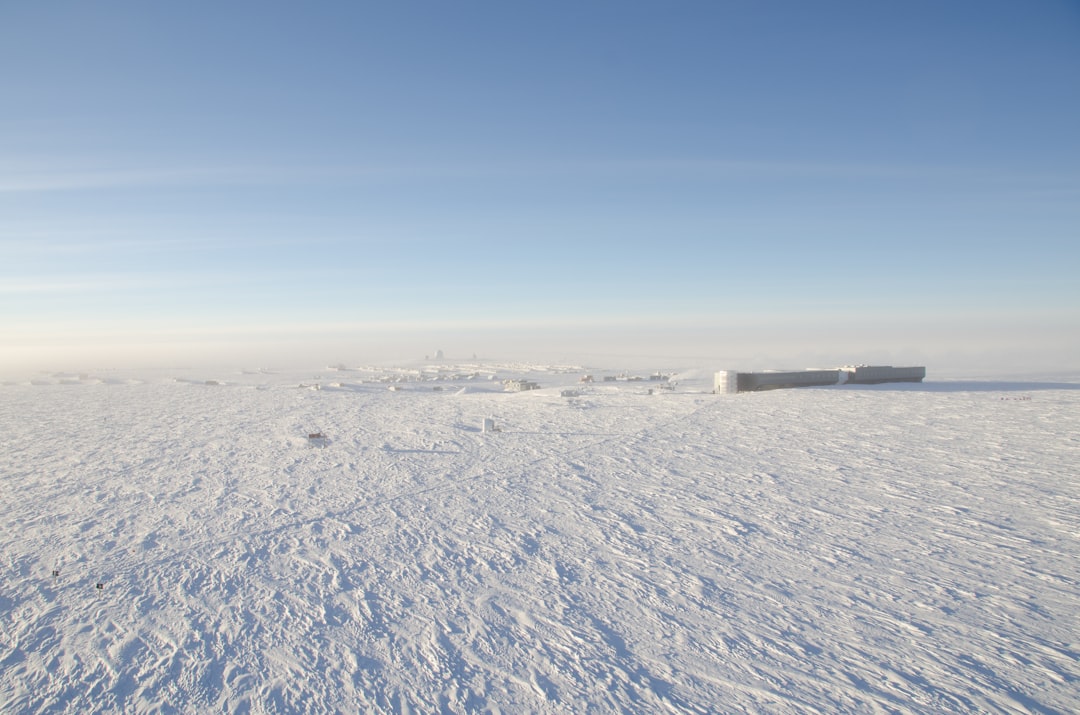
Subglacial Antarctica represents one of the most enigmatic and least explored regions on Earth. Hidden beneath the vast ice sheets that blanket the continent lies a complex and dynamic environment that has remained largely untouched by human activity. This subterranean world is characterized by a network of lakes, rivers, and geological formations that have been shaped by millennia of glacial activity.
The significance of this hidden realm extends beyond its immediate surroundings; it holds vital clues to understanding the planet’s climate history and the processes that govern ice dynamics. The exploration of subglacial Antarctica has gained momentum in recent years, driven by advancements in technology and a growing recognition of its importance in the context of global climate change. Researchers are increasingly focused on uncovering the secrets held within this icy expanse, as they seek to understand how the interactions between ice, water, and geology influence not only the Antarctic region but also global sea levels and climate patterns.
As scientists delve deeper into this frozen frontier, they are beginning to unravel the intricate relationships that exist beneath the ice, revealing a world that is both fascinating and critical to our understanding of Earth’s geological history.
Key Takeaways
- Subglacial Antarctica is a region located beneath the Antarctic ice sheet, with unique geological features and evidence of ancient ice sheets.
- Geological exploration of Subglacial Antarctica has revealed the presence of subglacial lakes, rivers, and volcanoes, which have significant geological significance.
- Evidence of past glacial retreats and fossil evidence in Subglacial Antarctica provide valuable insights into the region’s geological history and its impact on global geology.
- Climate change is having a significant impact on Subglacial Antarctica, leading to changes in the region’s geological features and potentially affecting global geology.
- The presence of subglacial volcanoes, rivers, and lakes in Subglacial Antarctica highlights the dynamic geological activity and its implications on global geology.
Geological Features of Subglacial Antarctica
The geological features of subglacial Antarctica are as diverse as they are intriguing. Beneath the thick ice sheets, researchers have discovered a variety of landforms that have been sculpted by the relentless forces of glaciation. These features include deep valleys, ridges, and ancient mountain ranges that provide insight into the continent’s geological past.
The interplay between ice flow and underlying geology has created a unique landscape that is continually evolving, shaped by both natural processes and climatic changes. One of the most striking aspects of subglacial Antarctica is the presence of extensive sedimentary deposits. These sediments, which have accumulated over millions of years, offer a window into the historical climate conditions that prevailed in the region.
By studying these deposits, scientists can reconstruct past environments and gain a better understanding of how ice sheets have responded to changes in temperature and precipitation over time. The geological features found beneath the ice not only tell a story of past glaciation but also serve as indicators of future changes as the climate continues to warm.
Evidence of Ancient Ice Sheets
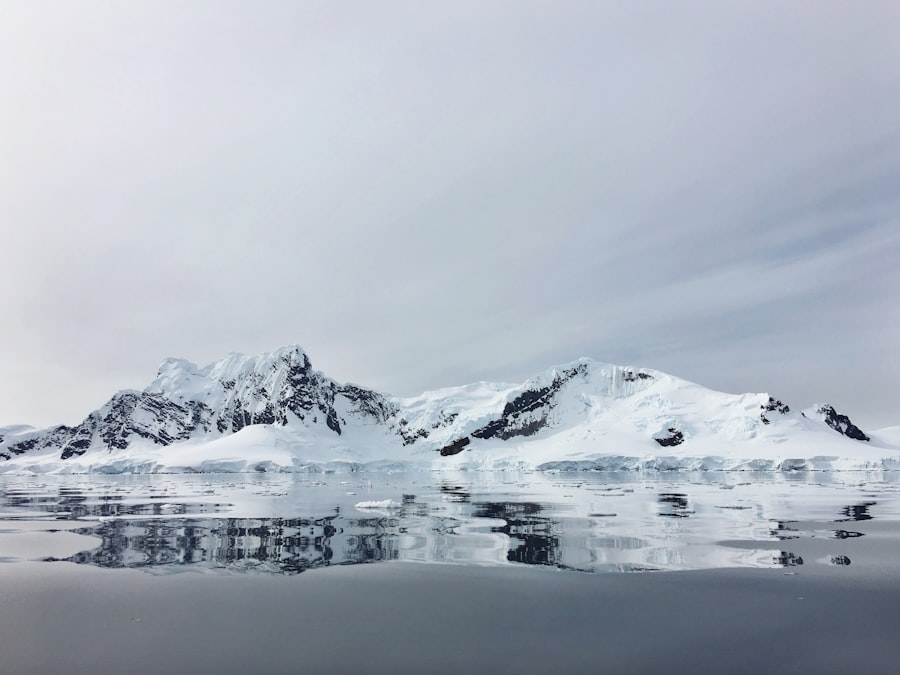
The evidence of ancient ice sheets in subglacial Antarctica is compelling and provides critical insights into the continent’s climatic history. Geological studies have revealed layers of sediment that correspond to different periods of glaciation, allowing researchers to piece together a timeline of ice sheet development and retreat. These findings suggest that Antarctica has experienced significant fluctuations in ice cover over geological time scales, influenced by both natural climate cycles and external factors such as volcanic activity.
Moreover, the presence of ancient ice cores extracted from deep within the ice sheets has further illuminated the history of glaciation in Antarctica. These cores contain trapped air bubbles that preserve atmospheric conditions from thousands of years ago, offering a direct record of past climate changes. By analyzing the composition of these gases, scientists can infer temperature variations and greenhouse gas concentrations, providing valuable context for understanding current climate trends.
The evidence gathered from ancient ice sheets underscores the dynamic nature of Antarctica’s climate system and its sensitivity to both natural and anthropogenic influences.
Subglacial Lakes and their Geological Significance
| Subglacial Lakes | Geological Significance |
|---|---|
| Vostok Lake | Study of ancient climate |
| Ellsworth Lake | Understanding ice sheet dynamics |
| Whillans Lake | Exploring microbial life in extreme environments |
Subglacial lakes are one of the most fascinating features of subglacial Antarctica, representing unique ecosystems that thrive in extreme conditions. These lakes, which exist beneath thick layers of ice, are formed by geothermal heat and pressure from the overlying ice. They play a crucial role in regulating ice flow and contribute to the overall dynamics of the Antarctic ice sheet.
The discovery of these lakes has transformed scientists’ understanding of how water interacts with ice, revealing complex hydrological systems that influence glacial movement. The geological significance of subglacial lakes extends beyond their immediate environment.
By studying these sediments, researchers can gain a clearer picture of how subglacial lakes have evolved over time and their potential impact on global sea levels as climate change accelerates.
Impact of Climate Change on Subglacial Antarctica
Climate change poses a significant threat to subglacial Antarctica, with far-reaching implications for both the region and the planet as a whole. As global temperatures rise, the stability of the Antarctic ice sheets is increasingly at risk. The melting of surface ice can lead to increased water flow into subglacial lakes, potentially destabilizing these systems and accelerating glacial retreat.
This process not only contributes to rising sea levels but also alters the delicate balance of ecosystems that depend on stable ice conditions. Furthermore, climate change may also influence the geological processes occurring beneath the ice. As temperatures rise, there is potential for increased volcanic activity in subglacial regions, which could further impact ice dynamics and contribute to melting.
The interplay between geothermal heat and changing climatic conditions creates a complex feedback loop that researchers are only beginning to understand. The implications of these changes extend beyond Antarctica; they have global consequences for sea level rise, ocean circulation patterns, and overall climate stability.
Geological Exploration of Subglacial Antarctica
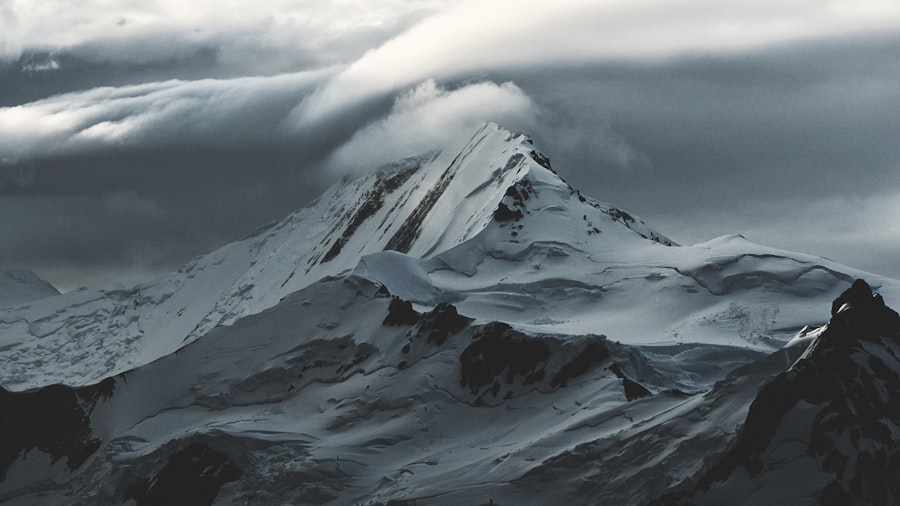
The geological exploration of subglacial Antarctica has evolved significantly over recent decades, driven by technological advancements and an increasing interest in understanding this remote region. Researchers employ a variety of methods to investigate the hidden landscapes beneath the ice, including radar imaging, satellite observations, and ground-penetrating radar techniques. These tools allow scientists to map subglacial features with remarkable precision, revealing intricate details about the geology and hydrology beneath the ice.
Field expeditions to subglacial regions have also become more common, enabling researchers to collect direct samples from lakes and sediments. These expeditions often involve drilling through thick ice layers to access subglacial environments, providing invaluable data for understanding past climate conditions and current geological processes. The collaborative efforts among international research teams have fostered a spirit of discovery in subglacial exploration, leading to groundbreaking findings that continue to reshape our understanding of Antarctica’s geology.
Subglacial Volcanoes and their Geological Activity
Subglacial volcanoes represent another intriguing aspect of subglacial Antarctica’s geology. These hidden giants are formed when volcanic activity occurs beneath thick layers of ice, resulting in unique geological formations that differ from their surface counterparts. The heat generated by volcanic activity can lead to localized melting, creating lakes or altering ice flow patterns in ways that are not yet fully understood.
The geological activity associated with subglacial volcanoes has significant implications for both local ecosystems and global climate systems. Eruptions can release ash and gases into the atmosphere, potentially influencing weather patterns far beyond Antarctica. Additionally, the interaction between volcanic heat and glacial ice can create complex feedback mechanisms that affect ice stability and contribute to melting processes.
Understanding these dynamics is crucial for predicting how subglacial volcanoes may respond to ongoing climate change.
Subglacial Rivers and their Geological Effects
Subglacial rivers are another critical component of Antarctica’s hidden hydrological system. These rivers flow beneath the ice sheets, carving out channels and shaping the underlying geology over time. The movement of water through these subglacial systems plays a vital role in regulating ice flow dynamics, influencing how glaciers move toward the ocean.
The geological effects of subglacial rivers extend beyond their immediate environment; they can impact sediment transport and deposition patterns within subglacial lakes and surrounding areas. As these rivers erode their channels, they contribute to the overall landscape evolution beneath the ice sheet. Understanding the behavior of subglacial rivers is essential for predicting how changes in water flow may affect glacial stability and contribute to sea level rise in a warming world.
Fossil Evidence in Subglacial Antarctica
Fossil evidence found in subglacial Antarctica provides a fascinating glimpse into the continent’s ancient ecosystems and climatic conditions. Sedimentary deposits beneath the ice often contain remnants of past life forms, including plant material and microorganisms that thrived during warmer periods in Earth’s history. These fossils serve as important indicators of how ecosystems have responded to climatic shifts over millions of years.
The study of fossil evidence in subglacial regions not only enhances our understanding of Antarctica’s biological history but also offers insights into potential future scenarios as climate change continues to unfold. By examining how ancient organisms adapted to changing environments, researchers can gain valuable knowledge about resilience and vulnerability in contemporary ecosystems facing similar challenges.
Geological Evidence of Past Glacial Retreats
Geological evidence of past glacial retreats is abundant in subglacial Antarctica, providing critical insights into how ice sheets have responded to climatic changes throughout history. Researchers have identified distinct layers within sediment cores that correspond to periods of glaciation and subsequent retreat, allowing them to reconstruct a timeline of environmental shifts over millennia. These findings highlight the dynamic nature of Antarctic glaciers and their sensitivity to temperature fluctuations.
By studying past glacial retreats, scientists can better understand potential future scenarios as global temperatures continue to rise. The lessons learned from these geological records are invaluable for predicting how current ice sheets may behave under changing climatic conditions.
Implications of Subglacial Antarctica on Global Geology
The implications of subglacial Antarctica on global geology are profound and far-reaching. As researchers continue to uncover the secrets hidden beneath the ice, it becomes increasingly clear that this remote region plays a crucial role in shaping Earth’s geological processes. The interactions between ice, water, and geology influence not only local ecosystems but also global sea levels and climate patterns.
Understanding subglacial Antarctica is essential for predicting future changes in response to ongoing climate change. The insights gained from this unique environment can inform models used to forecast sea level rise and its potential impacts on coastal communities worldwide. As scientists delve deeper into this frozen frontier, they are not only unraveling the mysteries of Antarctica’s past but also paving the way for a more comprehensive understanding of our planet’s geological future.
Recent studies on subglacial Antarctica have unveiled fascinating geological evidence that reshapes our understanding of the continent’s hidden landscapes. These findings are crucial for comprehending the dynamics of ice sheets and their impact on global sea levels. For those interested in exploring more about the geological intricacies beneath Antarctica’s icy surface, a related article can be found on Real Lore and Order. This article delves into the mysteries of subglacial formations and their implications for climate science. You can read more about it by visiting this page.
WATCH THIS 🧊The US Military Confirmed It: What’s REALLY Under the Antarctic Ice?
FAQs
What is subglacial Antarctica?
Subglacial Antarctica refers to the land that lies beneath the thick ice sheets of Antarctica. This region is largely unexplored and is covered by ice that is several kilometers thick.
What geological evidence has been found in subglacial Antarctica?
Geological evidence found in subglacial Antarctica includes the presence of mountain ranges, valleys, and lakes beneath the ice. This evidence suggests that the region was once ice-free and may have supported diverse ecosystems.
How is geological evidence in subglacial Antarctica studied?
Geological evidence in subglacial Antarctica is studied using remote sensing techniques such as radar and satellite imagery. Researchers also use ice core samples and sediment cores to analyze the geological history of the region.
What can geological evidence in subglacial Antarctica tell us about Earth’s history?
Studying geological evidence in subglacial Antarctica can provide insights into past climate conditions, the movement of ice sheets, and the evolution of the continent. This information can help scientists understand the Earth’s past and predict future changes in the climate.