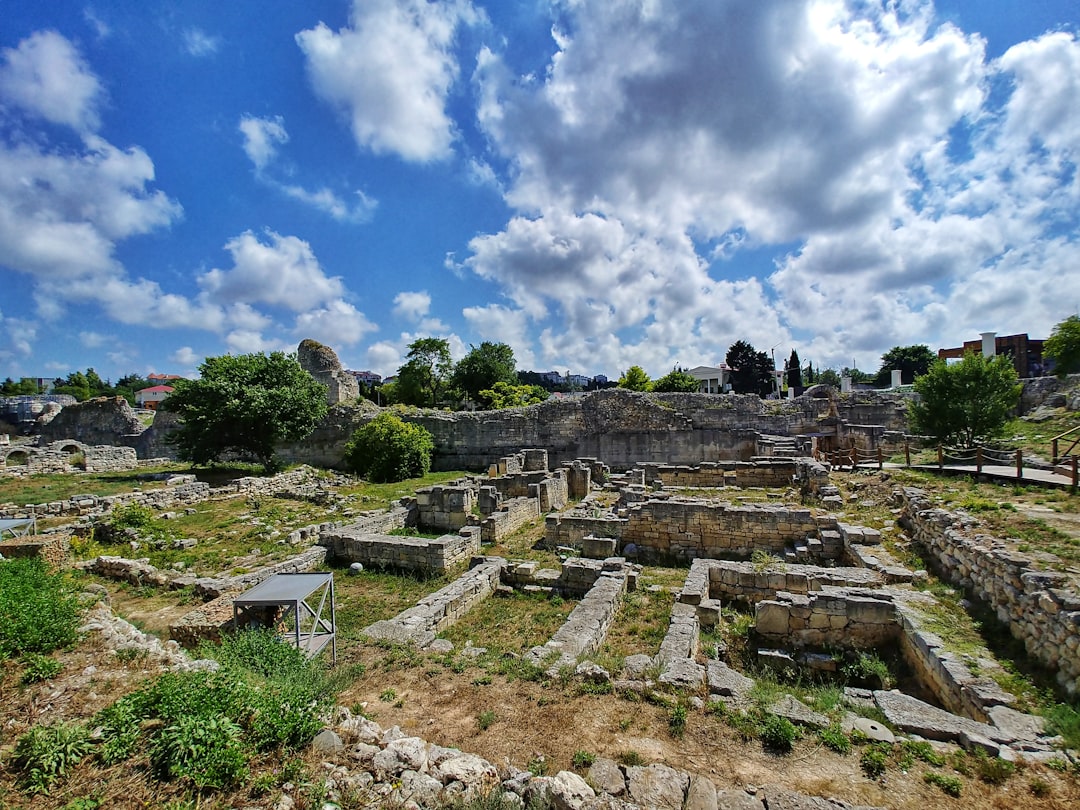
Throughout history, humanity has been captivated by the remnants of ancient civilizations that once thrived on Earth. These societies, often characterized by their remarkable achievements in various fields, have left behind a legacy that continues to intrigue scholars, archaeologists, and enthusiasts alike. From the monumental pyramids of Egypt to the intricate city layouts of the Indus Valley, the evidence of advanced knowledge and capabilities in these cultures raises questions about the extent of their sophistication.
The exploration of ancient advanced civilizations not only sheds light on human ingenuity but also invites speculation about the potential for lost technologies and knowledge that may have existed long before modern advancements. The allure of these ancient societies lies not only in their architectural marvels but also in their complex social structures, artistic expressions, and scientific understanding. As researchers delve deeper into the past, they uncover layers of information that challenge conventional narratives about human development.
The study of these civilizations reveals a tapestry of innovation and adaptation, suggesting that the ancients possessed a level of sophistication that may have been underestimated. This article aims to explore various aspects of ancient advanced civilizations, examining theories, archaeological discoveries, and the implications of uncovering evidence of their remarkable achievements.
Key Takeaways
- Ancient advanced civilizations may have possessed knowledge and technology that surpasses our current understanding.
- Theories and speculations about advanced ancient civilizations range from extraterrestrial influence to lost continents and advanced human societies.
- Archaeological discoveries such as precision-cut stones and advanced metallurgy suggest that ancient civilizations had access to advanced technology.
- Advanced engineering and construction techniques, such as the construction of megalithic structures, indicate a high level of knowledge and skill.
- Unexplained artifacts and relics from ancient times, such as the Antikythera mechanism, challenge our understanding of ancient technological capabilities.
Theories and Speculations about Advanced Ancient Civilizations
The existence of advanced ancient civilizations has long been a subject of fascination and debate among historians and archaeologists. Various theories have emerged over the years, some grounded in empirical evidence while others lean towards speculative interpretations. One prominent theory posits that there were civilizations with advanced technologies that predate known historical records.
This idea suggests that these societies may have developed sophisticated tools and knowledge that were lost due to cataclysmic events or gradual decline. Such theories often draw parallels between ancient cultures across different continents, hinting at possible connections or shared knowledge that transcended geographical boundaries. Another line of speculation revolves around the idea of extraterrestrial influence on human development.
Some proponents argue that advanced beings may have visited Earth in ancient times, imparting knowledge and technology to early civilizations. This theory, while controversial, has gained traction in popular culture and has inspired numerous works of fiction and documentaries. The notion that humanity’s progress could be linked to external forces raises profound questions about the origins of human innovation and the potential for undiscovered histories that challenge established timelines.
Archaeological Discoveries Pointing to Advanced Technology

Archaeological discoveries have played a crucial role in shaping our understanding of ancient civilizations and their technological capabilities. Excavations around the world have unearthed artifacts and structures that suggest a level of sophistication previously thought to be unattainable for their time. For instance, the discovery of advanced metallurgy techniques in ancient Mesopotamia indicates that these societies were capable of producing high-quality tools and weapons long before the advent of modern technology.
Such findings challenge the perception of technological progression as a linear journey, suggesting instead that some ancient cultures may have reached remarkable heights of innovation. In addition to metallurgy, evidence of complex machinery has been found in various archaeological sites. The Antikythera mechanism, an ancient Greek device believed to be an early analog computer, exemplifies the advanced understanding of astronomy and mechanics possessed by its creators.
This intricate device was used to predict astronomical positions and eclipses, showcasing a level of scientific knowledge that was not fully appreciated until centuries later. Discoveries like this prompt a reevaluation of what is considered “advanced” technology and encourage further exploration into the capabilities of ancient civilizations.
Advanced Engineering and Construction Techniques of Ancient Civilizations
| Civilization | Advanced Technique | Construction Material |
|---|---|---|
| Egyptians | Pyramid Construction | Limestone and Granite |
| Romans | Aqueducts | Concrete and Stone |
| Inca | Stone Masonry | Granite and Andesite |
| Chinese | Great Wall of China | Brick and Stone |
The engineering prowess displayed by ancient civilizations is evident in their monumental structures, which continue to stand as testaments to their ingenuity. The construction techniques employed by these societies were often remarkably advanced for their time, utilizing materials and methods that have puzzled modern engineers. The Great Pyramid of Giza, for example, was built with such precision that its alignment with the cardinal points remains a topic of fascination.
The sheer scale and complexity of this structure suggest a deep understanding of geometry and engineering principles that were far ahead of their contemporaries. Moreover, ancient civilizations often employed innovative techniques to overcome geographical challenges. The Inca civilization, for instance, constructed an extensive network of roads and bridges across the rugged Andes mountains, demonstrating exceptional engineering skills.
Their use of terracing for agriculture not only maximized arable land but also showcased an understanding of environmental adaptation. These feats of engineering highlight the ability of ancient cultures to harness their surroundings effectively, leading to sustainable practices that supported large populations.
Unexplained Artifacts and Relics from Ancient Times
Among the most intriguing aspects of studying ancient civilizations are the unexplained artifacts and relics that continue to baffle researchers. These items often defy categorization or understanding within the context of known historical narratives. For instance, the Nazca Lines in Peru consist of enormous geoglyphs etched into the desert floor, depicting various animals and shapes.
While some theories suggest they served astronomical or religious purposes, the true intent behind their creation remains elusive, prompting speculation about the capabilities and beliefs of the Nazca people. Similarly, artifacts such as the Baghdad Battery—a clay jar containing a copper cylinder—have sparked debates about the technological knowledge possessed by ancient cultures. Some theorists propose that this object could have been used as a simple galvanic cell for electroplating or other electrical applications.
The existence of such artifacts raises questions about what other technologies may have been developed but lost over time due to societal collapse or natural disasters.
Ancient Texts and Manuscripts Describing Advanced Knowledge

Ancient texts and manuscripts provide valuable insights into the knowledge systems of past civilizations. Many cultures documented their understanding of various fields such as mathematics, astronomy, medicine, and engineering in written form. The Sumerians, for example, created cuneiform tablets that recorded mathematical calculations and astronomical observations, indicating a sophisticated grasp of these subjects long before modern advancements.
In addition to practical knowledge, some texts delve into philosophical concepts that reflect an advanced understanding of human existence and the universe. The Vedas from ancient India encompass a wealth of knowledge on spirituality, cosmology, and ethics, suggesting a deep intellectual tradition that contributed to societal development. These writings not only serve as historical records but also challenge contemporary interpretations of knowledge progression throughout history.
Advanced Agricultural and Irrigation Systems of Ancient Civilizations
Agriculture played a pivotal role in the rise and sustainability of ancient civilizations, with many societies developing advanced techniques to maximize crop yields. The agricultural practices employed by these cultures often involved intricate irrigation systems designed to harness water resources effectively. The ancient Egyptians constructed elaborate canal systems along the Nile River, allowing them to cultivate fertile land even in arid conditions.
This mastery over water management was crucial for supporting large populations and fostering economic growth. Similarly, the Mesopotamians developed sophisticated irrigation networks that transformed their environment into a thriving agricultural hub known as the “Cradle of Civilization.” Their ability to manipulate water flow through canals and dikes not only enhanced crop production but also laid the groundwork for urban development. These advancements in agriculture reflect a profound understanding of environmental dynamics and resource management that contributed significantly to societal stability.
Evidence of Advanced Astronomy and Mathematics in Ancient Cultures
The study of astronomy and mathematics in ancient cultures reveals a remarkable level of sophistication that challenges modern assumptions about their capabilities. Many ancient civilizations meticulously observed celestial bodies and developed complex calendars based on astronomical phenomena. The Mayans, for instance, created an intricate calendar system that accurately predicted solar eclipses and planetary alignments, showcasing their advanced understanding of celestial mechanics.
Mathematics also played a crucial role in various aspects of daily life for these civilizations. The Egyptians utilized geometry for land surveying and construction purposes, while the Babylonians made significant contributions to algebra and trigonometry. Their mathematical innovations laid foundational principles that would later influence modern mathematics.
The evidence suggests that ancient cultures possessed not only practical applications for these disciplines but also a philosophical appreciation for the underlying patterns governing the universe.
Advanced Medical and Healing Practices of Ancient Civilizations
The medical practices employed by ancient civilizations demonstrate an impressive understanding of human anatomy and healing techniques. Many cultures developed sophisticated systems of medicine based on empirical observations and herbal remedies. The ancient Egyptians practiced surgery and had extensive knowledge of medicinal plants, as evidenced by texts like the Ebers Papyrus, which details various treatments for ailments ranging from wounds to digestive issues.
Similarly, traditional Chinese medicine has roots dating back thousands of years, incorporating practices such as acupuncture and herbal therapy that reflect a holistic approach to health. These medical systems were often intertwined with spiritual beliefs, emphasizing the connection between mind, body, and environment. The advanced medical knowledge possessed by these civilizations challenges contemporary perceptions about historical healthcare practices.
Theories about the Decline and Disappearance of Advanced Ancient Civilizations
The decline and disappearance of advanced ancient civilizations remain subjects of intense speculation among historians and archaeologists.
Climate change is often cited as a significant contributor to societal collapse; for instance, prolonged droughts may have led to food shortages that destabilized communities reliant on agriculture.
Additionally, internal conflicts or invasions from external forces could have played a role in dismantling once-thriving societies. The fall of the Roman Empire serves as a prime example where a combination of economic troubles, military defeats, and political instability led to its eventual decline.
Implications of Uncovering Evidence of Advanced Ancient Civilizations
The implications of uncovering evidence related to advanced ancient civilizations extend beyond mere historical curiosity; they challenge contemporary understandings of human progress and innovation. As researchers continue to explore archaeological sites and analyze ancient texts, they confront narratives that may reshape perceptions about technological advancement throughout history. Moreover, recognizing the achievements of these civilizations can inspire modern society to appreciate diverse approaches to problem-solving and innovation.
By studying how ancient cultures adapted to their environments and overcame challenges, contemporary societies can glean valuable lessons applicable to current global issues such as climate change and resource management. In conclusion, the exploration of ancient advanced civilizations reveals a rich tapestry woven with innovation, knowledge, and resilience. As researchers continue to uncover new evidence and challenge existing narratives, humanity’s understanding of its own history becomes increasingly nuanced—inviting reflection on both past achievements and future possibilities.
Recent discussions about ancient advanced civilizations have sparked interest in the possibility that our ancestors possessed sophisticated technologies and knowledge that have been lost to time. This intriguing topic is explored in various articles, including one on Real Lore and Order, which delves into the evidence supporting these theories. For those interested in learning more about the potential existence of such civilizations and the artifacts that suggest their advanced capabilities, you can read a related article by visiting Real Lore and Order. This article provides insights into the ongoing research and debates surrounding ancient technologies and their implications for our understanding of history.
WATCH THIS 🧊The US Military Confirmed It: What’s REALLY Under the Antarctic Ice?
FAQs
What is considered evidence of an ancient advanced civilization?
Some evidence of an ancient advanced civilization includes advanced architectural structures, sophisticated engineering techniques, advanced knowledge of mathematics and astronomy, and the presence of advanced artifacts and technology.
Where has evidence of ancient advanced civilizations been found?
Evidence of ancient advanced civilizations has been found in various parts of the world, including Egypt, Mesopotamia, the Indus Valley, Mesoamerica, and ancient Greece.
What are some examples of advanced technology or artifacts from ancient civilizations?
Examples of advanced technology or artifacts from ancient civilizations include the pyramids of Egypt, the city of Machu Picchu in Peru, the Antikythera mechanism from ancient Greece, and the advanced plumbing systems of the Indus Valley civilization.
How do archaeologists and historians determine if a civilization was advanced?
Archaeologists and historians determine if a civilization was advanced by examining the sophistication of their architectural and engineering achievements, their knowledge of mathematics and astronomy, the complexity of their social and political systems, and the presence of advanced artifacts and technology.
What are some theories about the existence of ancient advanced civilizations?
Some theories about the existence of ancient advanced civilizations include the idea that they may have been influenced by extraterrestrial beings, that they possessed advanced knowledge that has been lost over time, or that they may have had contact with other advanced civilizations.