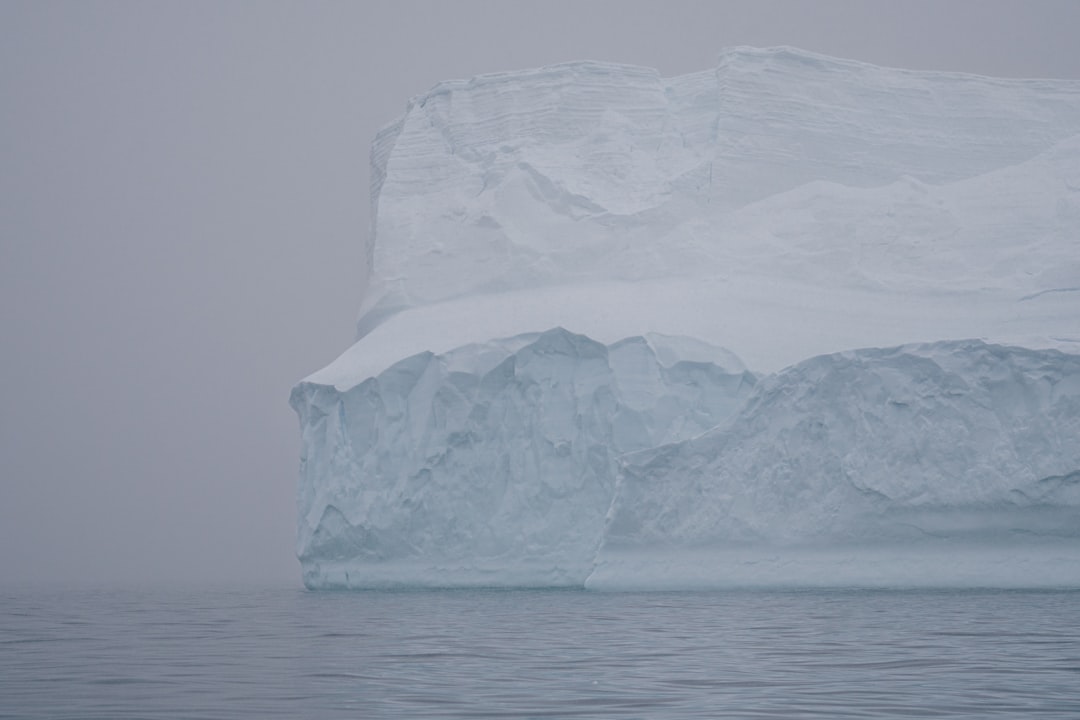
As the year 2048 approaches, the world stands at a critical juncture regarding the exploitation of resources in Antarctica. This remote and pristine continent, often referred to as the last great wilderness, has long been protected under international treaties that prioritize its ecological integrity. However, the increasing demand for natural resources, coupled with advancements in technology and changing geopolitical dynamics, has sparked renewed interest in the potential exploitation of Antarctica’s vast reserves.
The looming expiration of the Antarctic Treaty System’s provisions regarding mineral resource extraction has ignited debates about the future of this untouched land, raising questions about the balance between economic development and environmental conservation. The significance of Antarctica’s resources cannot be overstated. Beneath its icy surface lies a wealth of minerals, oil, and gas, as well as unique biological resources that could hold the key to scientific breakthroughs.
As nations grapple with energy shortages and resource scarcity, the allure of tapping into Antarctica’s riches becomes increasingly tempting. However, this potential comes with profound ethical and environmental implications. The decisions made in the coming years will shape not only the future of Antarctica but also the global approach to resource management and environmental stewardship.
Key Takeaways
- Antarctica’s resource exploitation has become a topic of interest in 2048 due to its economic potential and the impact of climate change.
- The history of resource exploitation in Antarctica dates back to the early 20th century, with activities such as whaling and sealing.
- Current challenges and opportunities in Antarctica include the need for sustainable resource management and the potential for scientific research and tourism.
- Conservation efforts in Antarctica are focused on protecting the unique and fragile ecosystem, including the establishment of protected areas and the regulation of fishing activities.
- The economic potential of Antarctica’s resources, including minerals, oil, and gas, has led to debates on how to balance conservation and development in the region.
The History of Resource Exploitation in Antarctica
The history of resource exploitation in Antarctica is marked by a series of exploratory ventures and international agreements aimed at preserving its unique environment. The early 20th century saw a surge in interest as explorers ventured into the icy expanse, driven by curiosity and the promise of discovery. However, it was not until the mid-20th century that commercial interests began to emerge, particularly in whaling and sealing.
These industries thrived for decades, leading to significant ecological damage and prompting international concern over the sustainability of such practices. In response to these challenges, the Antarctic Treaty was established in 1961, creating a framework for international cooperation and conservation. This treaty effectively prohibited military activity and mineral mining while promoting scientific research.
Over the years, additional agreements, such as the Protocol on Environmental Protection to the Antarctic Treaty, were introduced to further safeguard the continent’s fragile ecosystems. Despite these protective measures, the allure of Antarctica’s resources has persisted, leading to ongoing debates about the balance between exploration and conservation.
Current Challenges and Opportunities in Antarctica
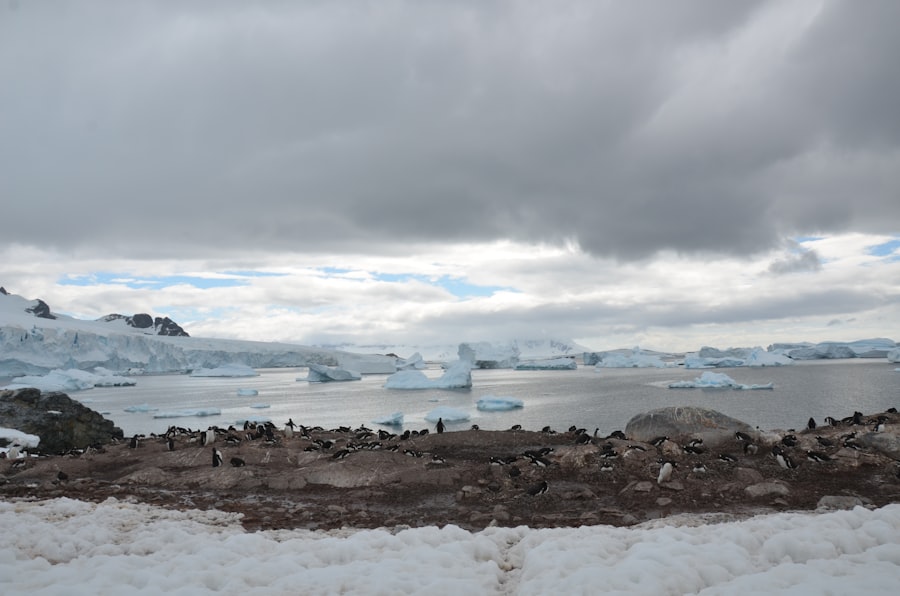
As of 2048, Antarctica faces a myriad of challenges that complicate resource exploitation efforts. Climate change looms large, with rising temperatures causing ice sheets to melt at unprecedented rates. This not only threatens global sea levels but also alters ecosystems that have remained stable for millennia.
The changing climate presents both challenges and opportunities; while it may open new shipping routes and access to previously unreachable resources, it also raises concerns about the ecological consequences of such activities. Moreover, geopolitical tensions have intensified in recent years, with nations vying for influence over Antarctic territories. The potential for resource exploitation has become a focal point in international relations, leading to increased military presence and strategic maneuvering in the region.
This complex landscape creates both opportunities for collaboration among nations and risks of conflict over resource claims. As stakeholders navigate these challenges, they must consider not only their national interests but also the broader implications for global environmental health.
Conservation Efforts in Antarctica
| Conservation Efforts in Antarctica | Metrics |
|---|---|
| Protected Areas | 1.07 million square kilometers |
| Marine Protected Areas | Over 1.5 million square kilometers |
| Research Stations | Over 80 |
| International Agreements | Antarctic Treaty System |
In light of the growing pressures on Antarctica’s environment, conservation efforts have become more critical than ever. Various international organizations and non-governmental entities are actively working to protect the continent’s unique ecosystems through research, advocacy, and policy development. Initiatives aimed at monitoring biodiversity, studying climate change impacts, and promoting sustainable practices are essential components of these efforts.
One notable example is the establishment of marine protected areas (MPAs) around Antarctica. These designated zones aim to safeguard vital habitats and ensure that fishing practices are sustainable. By restricting certain activities in these areas, conservationists hope to preserve biodiversity and maintain ecological balance.
Additionally, ongoing scientific research plays a crucial role in informing policy decisions and raising awareness about the importance of protecting Antarctica’s fragile environment.
The Economic Potential of Antarctica’s Resources
The economic potential of Antarctica’s resources is vast and varied, encompassing everything from minerals to marine life. The continent is believed to hold significant reserves of oil and natural gas, which could play a pivotal role in meeting global energy demands. Additionally, valuable minerals such as gold, copper, and rare earth elements are thought to be present beneath its icy surface.
The prospect of tapping into these resources has captured the attention of governments and corporations alike, leading to discussions about responsible extraction methods. However, the economic allure of Antarctica’s resources must be weighed against the potential environmental costs. The extraction process poses significant risks to delicate ecosystems, which could be irreparably damaged by industrial activities.
As nations consider their options for resource exploitation, they must grapple with the ethical implications of prioritizing short-term economic gains over long-term environmental sustainability.
Balancing Conservation and Development in Antarctica
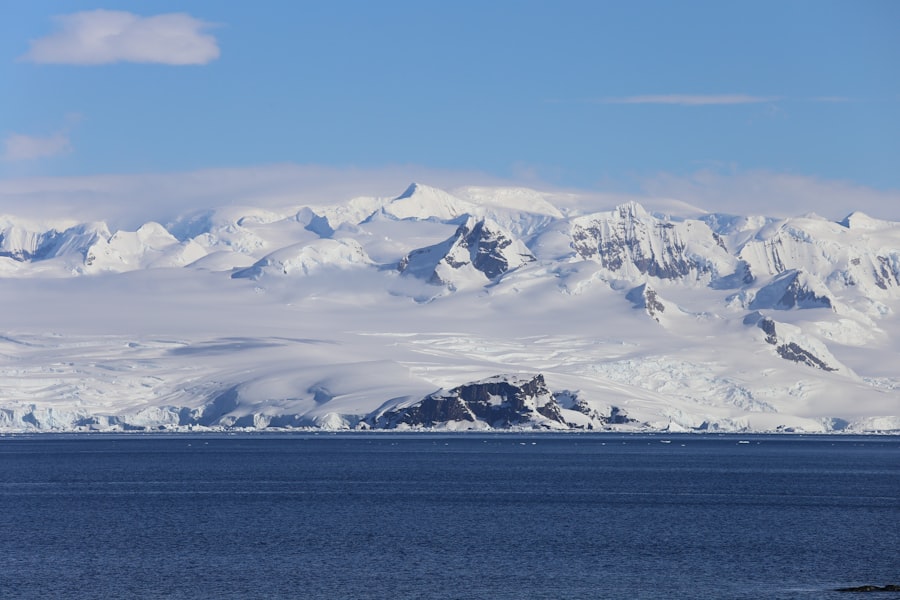
Striking a balance between conservation and development in Antarctica is a complex challenge that requires careful consideration of multiple factors. On one hand, there is an urgent need for resources to support global populations and economies; on the other hand, there is a moral obligation to protect one of the planet’s last untouched frontiers. This dichotomy has led to heated debates among policymakers, scientists, and environmentalists regarding the best path forward.
To achieve a sustainable balance, stakeholders must engage in collaborative decision-making processes that prioritize both ecological integrity and responsible resource management. This may involve developing innovative technologies that minimize environmental impact or establishing strict regulations governing extraction practices. Ultimately, finding common ground will be essential for ensuring that Antarctica remains a place of scientific discovery and ecological preservation while also addressing global resource needs.
International Agreements and Regulations for Antarctica
The framework governing resource exploitation in Antarctica is primarily shaped by international agreements designed to promote cooperation and conservation. The Antarctic Treaty System serves as the cornerstone of these efforts, establishing guidelines for scientific research while prohibiting military activity and mineral extraction. In addition to this treaty, various protocols have been introduced to address specific issues related to environmental protection and resource management.
One significant agreement is the Protocol on Environmental Protection to the Antarctic Treaty, which emphasizes the need for comprehensive environmental assessments before any proposed activities can take place. This protocol reflects a growing recognition of the importance of safeguarding Antarctica’s ecosystems while allowing for responsible scientific exploration. As discussions surrounding resource exploitation intensify, it will be crucial for nations to uphold these agreements and work collaboratively to address emerging challenges.
The Role of Technology in Antarctica’s Resource Exploitation
Advancements in technology play a pivotal role in shaping the future of resource exploitation in Antarctica. Innovations in remote sensing, drilling techniques, and environmental monitoring have made it possible to explore previously inaccessible areas while minimizing ecological impact. For instance, satellite imagery can provide valuable data on ice movement and ecosystem changes, enabling researchers to make informed decisions about potential extraction sites.
Moreover, technological developments can facilitate more sustainable practices in resource management. For example, advancements in renewable energy sources could reduce reliance on fossil fuels extracted from Antarctica while still meeting global energy demands. As technology continues to evolve, it holds promise for enabling responsible exploration that prioritizes both economic development and environmental protection.
The Impact of Climate Change on Antarctica’s Resources
Climate change poses a significant threat to Antarctica’s resources and ecosystems. Rising temperatures are causing glaciers to melt at alarming rates, leading to changes in sea levels and altering marine habitats. These shifts not only impact local wildlife but also have far-reaching consequences for global weather patterns and ocean currents.
The melting ice also raises concerns about resource accessibility; as ice retreats, previously unreachable areas may become accessible for exploration and extraction. However, this newfound access comes with risks; increased human activity could exacerbate environmental degradation and disrupt delicate ecosystems already under stress from climate change. Addressing these challenges requires a comprehensive understanding of climate impacts on both local environments and global systems.
Indigenous and Local Community Perspectives on Resource Exploitation
While Antarctica is largely uninhabited by permanent residents, indigenous perspectives from surrounding regions offer valuable insights into resource exploitation discussions. Indigenous communities often emphasize the importance of respecting natural ecosystems and maintaining a harmonious relationship with the environment. Their traditional knowledge can inform sustainable practices that prioritize ecological balance over short-term gains.
Engaging with indigenous voices is essential for fostering inclusive decision-making processes regarding resource management in Antarctica. By incorporating diverse perspectives into discussions about exploitation and conservation, stakeholders can develop more holistic approaches that honor cultural values while addressing pressing global challenges.
Future Outlook for Antarctica’s Resource Exploitation
As 2048 approaches, the future outlook for resource exploitation in Antarctica remains uncertain yet filled with potential. The interplay between economic interests, environmental concerns, technological advancements, and international cooperation will shape the trajectory of this untouched continent. While there are opportunities for responsible exploration that prioritizes sustainability, there are also significant risks associated with unchecked exploitation.
Ultimately, the decisions made in the coming years will have lasting implications not only for Antarctica but also for global approaches to resource management and environmental stewardship. By fostering collaboration among nations and prioritizing conservation efforts alongside responsible development practices, stakeholders can work towards a future where Antarctica remains a symbol of ecological integrity amidst growing demands for resources worldwide.
In recent years, the topic of resource exploitation in Antarctica has garnered significant attention, especially as the year 2048 approaches, marking a potential turning point for the continent’s environmental policies.
An insightful article discussing the implications of this treaty review and the potential for resource exploitation can be found on Real Lore and Order. For more detailed information, you can read the article by visiting this link. This piece delves into the geopolitical and environmental stakes involved, providing a comprehensive overview of what the future might hold for Antarctica.
WATCH THIS 🧊The US Military Confirmed It: What’s REALLY Under the Antarctic Ice?
FAQs
What is Antarctica resource exploitation 2048?
Antarctica resource exploitation 2048 refers to the potential future exploitation of the natural resources found in Antarctica, such as minerals, oil, and gas, in the year 2048.
What are the natural resources in Antarctica?
Antarctica is believed to have significant reserves of minerals, including coal, iron ore, copper, gold, and platinum. It also has potential oil and gas reserves.
Is resource exploitation currently allowed in Antarctica?
The Antarctic Treaty System, which includes the Antarctic Treaty and the Protocol on Environmental Protection to the Antarctic Treaty, prohibits mining and resource exploitation in Antarctica until 2048.
What is the significance of 2048 in Antarctica resource exploitation?
The year 2048 marks the expiration of the Protocol on Environmental Protection to the Antarctic Treaty, which currently prohibits mining and resource exploitation in Antarctica. After 2048, the prohibition could be lifted, allowing for potential resource exploitation.
What are the potential environmental impacts of resource exploitation in Antarctica?
Resource exploitation in Antarctica could have significant environmental impacts, including habitat destruction, pollution, and disruption of delicate ecosystems. It could also have long-term consequences for global climate and biodiversity.
What are the potential economic benefits of resource exploitation in Antarctica?
Resource exploitation in Antarctica could lead to economic benefits, including job creation, revenue generation, and access to valuable minerals, oil, and gas. However, the economic benefits must be weighed against the potential environmental and ethical concerns.