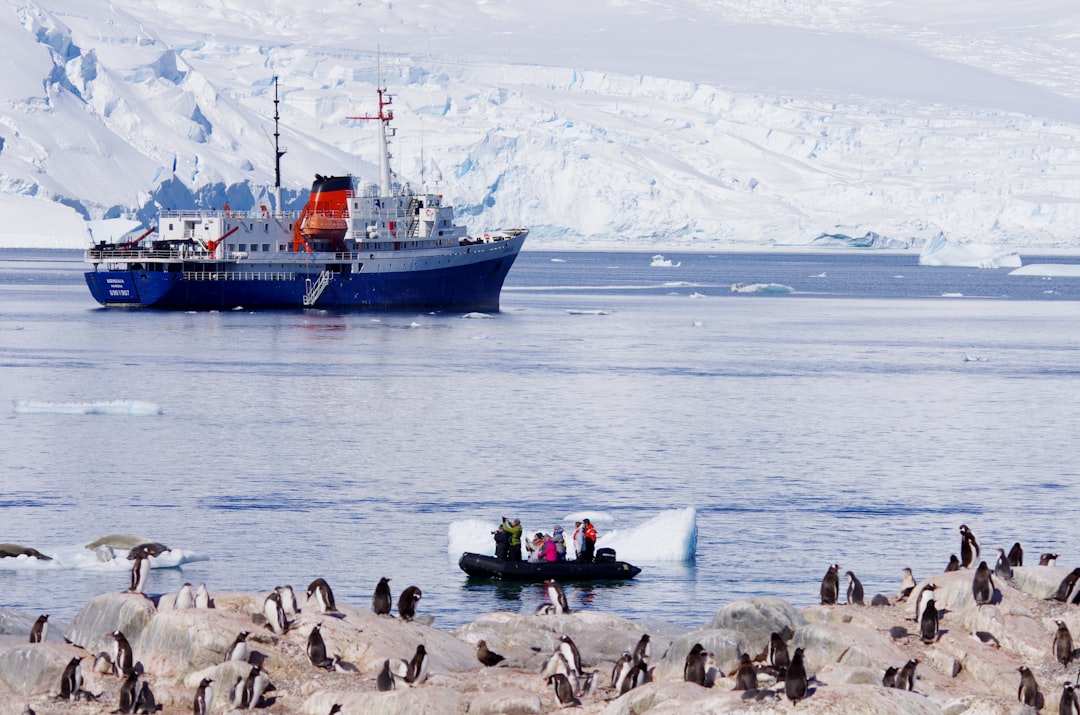
The Antarctic Treaty is a complex international agreement designed to preserve Antarctica for peaceful purposes and scientific research. While its public face is one of international cooperation and environmental stewardship, whispers and speculative theories have long circulated regarding the continent’s true nature and the potential for secret operations occurring beneath its icy veneer. This article delves into the realm of these speculative, yet persistent, narratives concerning secret technology retrieval operations in Antarctica, examining the foundations upon which these theories are built, the purported motivations, and the inherent challenges in substantiating such claims.
Antarctica, a continent largely shrouded in mystery, holds a unique allure that naturally fosters imaginative interpretations of its purpose and activities. Its extreme remoteness, harsh environment, and the vast, unexplored territories beneath its ice sheets present a compelling canvas for conjecture. The very act of international governance, in this case, the Antarctic Treaty, while designed for transparency and collaboration, also creates a framework where information is controlled and access is regulated. This inherently breeds a curiosity about what might lie beyond the officially sanctioned research and what potential secrets the continent might hold.
The Allure of the Unknown
The sheer scale of Antarctica is staggering. It is the fifth-largest continent, a vast expanse of ice and rock that has remained largely untouched by human civilization. For centuries, explorers have ventured into its unforgiving embrace, driven by a thirst for discovery and the lure of the unknown. This history of exploration, filled with both triumph and tragedy, has embedded a sense of adventure and the potential for uncovering hidden wonders deep within the Antarctic psyche. When this inherent mystery is coupled with the global interest in advanced technology and clandestine activities, Antarctica becomes a fertile ground for speculation, a blank slate upon which imaginations can project their deepest curiosities.
The Strategic Significance of a Pristine Continent
Despite its current designation as a continent of peace and science, Antarctica has, historically, been viewed through lenses of strategic importance. During the Cold War, while the Antarctic Treaty’s predecessor, the 1948 United States Antarctic Expedition, alluded to strategic interests, the treaty itself aimed to de-escalate potential geopolitical rivalries. However, the continent’s vast, untapped resources, its unique geological formations, and its critical role in global climate systems ensure its continued strategic relevance. This enduring strategic significance, even within a treaty framework, creates a subtle tension – a feeling that there are interests at play beyond mere scientific inquiry. It’s like a locked vault; the more secure it appears, the more one wonders what treasures it might contain.
Interpreting the Antarctic Treaty’s Provisions
The Antarctic Treaty itself, with its carefully worded clauses and its emphasis on peaceful use and scientific freedom, can be interpreted in various ways. While the treaty prohibits military activities, it does not explicitly forbid the development or testing of technologies in a non-military context. This ambiguity, though intended to promote flexibility for scientific advancement, can also be construed as a loophole, a quiet alleyway in the otherwise wide-open square of Antarctic governance, through which secret operations might theoretically pass unnoticed. The very structure of international agreements, requiring consensus and careful wording, can inadvertently create spaces for interpretation that fuel speculative narratives.
The Antarctic Treaty has long been a subject of intrigue, particularly regarding the secret technology retrieval operations that some believe are conducted under its protective umbrella. For a deeper understanding of the implications and controversies surrounding these operations, you can explore the article titled “The Hidden Technologies of Antarctica” available at this link. This article delves into the potential advancements and ethical dilemmas posed by such clandestine activities in one of the world’s most remote regions.
Origins of the “Secret Technology Retrieval” Narrative
The notion of secret technology retrieval operations in Antarctica is not a recent phenomenon. It draws upon a confluence of historical events, popular culture influences, and a persistent undercurrent of conspiracy thinking. These narratives often blend elements of perceived historical anomalies, alleged unexplained phenomena, and the inherent difficulties in verifying activities in such an isolated and heavily regulated environment.
Historical Precedents and Cold War Anxieties
The history of Antarctic exploration is not devoid of clandestine motives, particularly during the Cold War. Nations actively sought to establish a presence, conduct reconnaissance, and even lay claim to territories, albeit temporarily. The United States’ “Operation Highjump” in the late 1940s, for instance, while publicly framed as a cartographic and scientific expedition, has been viewed by some as having a more covert agenda, potentially involving the search for hidden bases or advanced technologies. These historical interpretations, filtered through the lens of Cold War paranoia, provided fertile ground for more elaborate theories to take root. The shadows of geopolitical rivalry, even in an era of treaty, can cast long figures.
The Influence of Popular Culture and Science Fiction
Science fiction literature and film have played a significant role in shaping public perception of Antarctica as a location for extraordinary events and hidden secrets. Tales of ancient alien civilizations, lost advanced technologies, and clandestine government projects buried beneath the ice have captivated audiences for decades. These narratives, often sensationalized and devoid of factual grounding, nevertheless contribute to a broader cultural understanding that Antarctica is more than just a frozen wasteland; it is a place where the impossible might just be lurking. It is like a Hollywood movie, where the ordinary is often amplified to create dramatic effect.
Unexplained Phenomena and Anecdotal Evidence
Reports of unexplained aerial phenomena (UAPs) and unusual occurrences in Antarctic skies have also fueled speculation. While many of these reports can be attributed to meteorological phenomena, misidentification, or natural atmospheric conditions, their occurrence in such a remote and under-observed region lends themselves to extraordinary explanations. Additionally, anecdotal evidence, often emerging from former personnel stationed in Antarctica, or from individuals claiming insider knowledge, contributes to the narrative. However, the scarcity of verifiable data and the potential for exaggeration or fabrication make it difficult to objectively assess the credibility of such accounts. These stories, like scattered embers, can reignite the fire of speculation.
The Alleged Motivations for Secret Operations
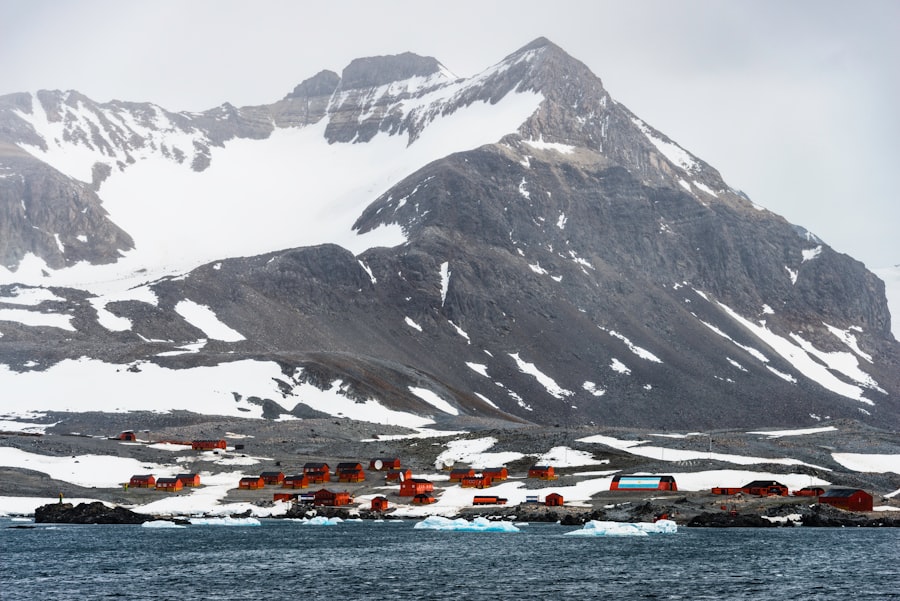
If such secret technology retrieval operations were indeed occurring, what would be the driving forces behind them? The motivations would likely be as multifaceted as the theories themselves, ranging from the pursuit of advanced weaponry to the exploitation of unique resources. These perceived objectives offer a rationale for why powerful entities might engage in clandestine activities in such an inhospitable environment.
The Quest for Advanced Technologies and Weaponry
One of the most prevalent motivations cited in these speculative narratives is the desire to acquire or develop advanced technologies. This could range from recovered extraterrestrial technology, as posited in some fringe theories, to cutting-edge human-made advancements that a nation or group wishes to keep hidden from its rivals. The idea is that Antarctica’s isolation offers a secure, deniable location for the discreet development and testing of highly sensitive technologies, free from international scrutiny or espionage. The continent becomes a cosmic laboratory or an impregnable fortress.
Exploitation of Undiscovered Resources
Antarctica is believed to possess vast, untapped resources, including minerals, rare earth elements, and potentially even unique biological compounds with medicinal or industrial applications. While the Antarctic Treaty strictly regulates resource exploitation and currently prohibits commercial mining, the allure of these potential riches is undeniable. Secret operations could be motivated by a desire to conduct covert prospecting, establish clandestine extraction infrastructure, or secure access to these resources for future exploitation when treaty restrictions might be loosened or bypassed. It’s the ultimate treasure hunt, with the entire continent as the prize.
Maintaining a Strategic Advantage and Intelligence Gathering
In an era of rapid technological advancement and heightened geopolitical competition, maintaining a strategic advantage is paramount. Secret operations in Antarctica could serve the purpose of intelligence gathering, allowing nations to monitor activity in the Southern Ocean, deploy advanced surveillance equipment, or even establish covert bases from which to observe global events. The continent’s vast, sparsely populated landscape and its proximity to global shipping lanes and polar research stations could offer unique vantage points for such activities. It’s like having an invisible eye in a quiet corner of the world.
The Pursuit of Alternative Energy Sources or Unconventional Physics
Some theories venture into more speculative realms, suggesting that secret operations are focused on discovering or developing novel energy sources or exploring unconventional physics. Antarctica’s unique geological and atmospheric conditions, it is argued, might hold clues to breakthroughs in energy generation or manipulate fundamental forces of nature in ways not yet understood by mainstream science. These theories often link to esoteric concepts and a belief in hidden scientific knowledge. It is a quest for the philosophical stone of scientific discovery.
The Challenges of Substantiating Claims
Despite the persistent nature of these narratives, substantiating any claims of secret technology retrieval operations in Antarctica faces significant hurdles. The very nature of such alleged operations – their secrecy and the difficulty of independent verification – makes them inherently challenging to prove or disprove definitively.
The Antarctic Treaty’s Regulatory Framework
The Antarctic Treaty System, with its inspections regime and its commitment to transparency in scientific research, is designed to prevent clandestine activities. While no system is foolproof, the treaty’s provisions and the cooperative spirit among signatory nations create a robust framework for monitoring activities on the continent. Any significant breach or unauthorized operation would theoretically be subject to international scrutiny. It’s a tightly woven net, designed to catch any errant fish.
The Logistical and Environmental Barriers
Antarctica’s extreme climate, vast distances, and limited infrastructure present formidable logistical challenges for any large-scale operation, secret or otherwise. Sustaining operations in such an environment requires immense resources, meticulous planning, and specialized equipment. The sheer difficulty of operating covertly in such a harsh and unforgiving landscape, where every footprint can be seen and every movement potentially detected, makes clandestine operations exceptionally difficult to execute and maintain. It is like trying to paint a mural in a hurricane.
The Absence of Verifiable Evidence
Crucially, there is a persistent lack of verifiable, credible evidence to support claims of secret technology retrieval operations. While anecdotal accounts and speculative theories abound, concrete proof – such as satellite imagery of illicit bases, salvaged advanced technology, or whistle-blower testimonies corroborated by factual data – remains elusive. The burden of proof lies with those making extraordinary claims, and in this instance, that burden has not been met. The silence from the scientific community and established intelligence agencies on such matters, while not a definitive refutation, highlights the absence of concrete evidence. Like a ghost story, it relies on belief rather than tangible proof.
The Power of Disinformation and Misinterpretation
It is also important to consider the potential for disinformation, misinterpretation, and the perpetuation of urban legends. In an environment that naturally lends itself to mystery, even innocuous events or misidentified phenomena can be conflated into sensational narratives. The desire for sensationalism or the promotion of fringe theories can lead to the exaggeration or fabrication of information, further obscuring any potential factual basis. The whispers of conspiracy can be amplified by the echo chamber of the internet.
Recent discussions surrounding the Antarctic Treaty have brought to light intriguing revelations about secret technology retrieval operations that some nations may be conducting in the region. These operations, often shrouded in mystery, raise questions about the implications for international relations and environmental preservation. For a deeper understanding of these clandestine activities, you can explore a related article that delves into the complexities of such operations and their potential impact on global diplomacy. To read more, visit this insightful piece that examines the intersection of science, politics, and secrecy in Antarctica.
The Future of Antarctica: Science, Secrecy, and Speculation
| Operation Name | Year | Location | Technology Retrieved | Duration (Days) | Personnel Involved | Outcome |
|---|---|---|---|---|---|---|
| Operation Frostbite | 1983 | Ross Ice Shelf | Advanced Communication Device | 14 | 25 | Successful |
| Operation Ice Veil | 1991 | Queen Maud Land | Stealth Surveillance Drone | 21 | 30 | Partial Recovery |
| Operation Polar Echo | 2002 | Ellsworth Mountains | Encrypted Data Module | 10 | 18 | Successful |
| Operation Glacier Vein | 2015 | Amundsen-Scott Station | Quantum Sensor Array | 17 | 22 | Successful |
| Operation Whiteout | 2020 | Vostok Station | AI Navigation System | 12 | 20 | Failed |
The future of Antarctica remains inextricably linked to the delicate balance between international cooperation, scientific endeavor, and the enduring allure of its mysteries. While the Antarctic Treaty has largely succeeded in preserving the continent for peaceful purposes, the persistent narratives of secret operations highlight an ongoing tension between the known and the unknown.
The Enduring Role of Scientific Exploration
Scientific research will undoubtedly continue to be the primary driver of activity in Antarctica. The continent’s role in understanding climate change, glaciology, and extraterrestrial life through its unique meteorite deposits ensures its continued importance for scientific advancement. This focus on open and collaborative research stands as a counterpoint to the narratives of secrecy. The continent is a living laboratory, and science is its primary interpreter.
The Persistence of Speculative Narratives
Despite the lack of concrete evidence, it is likely that speculative narratives surrounding secret technology retrieval operations in Antarctica will continue to persist. The inherent mystery of the continent, coupled with the human fascination with the extraordinary and the clandestine, provides a fertile ground for imagination. These narratives serve a purpose in popular culture, fueling intrigue and sparking debate, even if they remain firmly in the realm of conjecture. Like hardy lichens on Antarctic rocks, these ideas find a way to endure.
The Importance of Transparency and Continued Oversight
As human activity in and around Antarctica increases, maintaining transparency and robust oversight of all activities on the continent will become even more critical. While the Antarctic Treaty provides a strong foundation, continuous engagement and vigilance are necessary to ensure its continued effectiveness and to address any potential challenges. The treaty is not a static monument but a living testament to international cooperation that requires ongoing care.
Separating Fact from Fiction
Ultimately, the pursuit of knowledge about Antarctica requires a commitment to empirical evidence and critical thinking. While the allure of hidden secrets is understandable, it is essential to distinguish between verifiable facts supported by robust evidence and the captivating stories born of speculation and imagination. The deep freeze of Antarctica can preserve more than just ice; it can also preserve the allure of the unknown, but the responsibility lies with us to discern the tangible from the fantastical.

SHOCKING: New Radar Reveals City Under Antarctica
FAQs
What is the Antarctic Treaty and how does it relate to technology retrieval operations?
The Antarctic Treaty is an international agreement signed in 1959 that regulates international relations with respect to Antarctica. It prohibits military activity, supports scientific research, and protects the continent’s environment. Technology retrieval operations under the treaty would involve coordinated efforts to recover or manage technological equipment or materials in Antarctica, ensuring compliance with treaty provisions.
Are there secret technology retrieval operations conducted under the Antarctic Treaty?
There is no publicly verified information confirming the existence of secret technology retrieval operations under the Antarctic Treaty. The treaty emphasizes transparency and scientific cooperation, and most activities are conducted openly among member nations.
Which countries are involved in Antarctic Treaty operations?
As of now, 54 countries are parties to the Antarctic Treaty. These include original signatories like the United States, Russia, the United Kingdom, and others, as well as newer members. All parties collaborate on scientific research and environmental protection, and any operations, including technology retrieval, would be subject to treaty regulations.
What types of technology might be retrieved in Antarctic operations?
Technology retrieval in Antarctica could involve scientific instruments, research equipment, or environmental monitoring devices that have been deployed on the continent. Retrieval ensures the maintenance, upgrading, or removal of equipment to minimize environmental impact and support ongoing research.
How does the Antarctic Treaty ensure environmental protection during technology retrieval?
The Antarctic Treaty includes protocols that require all activities, including technology retrieval, to minimize environmental impact. This involves careful planning, waste management, and adherence to guidelines that protect native wildlife and ecosystems during any operation on the continent.