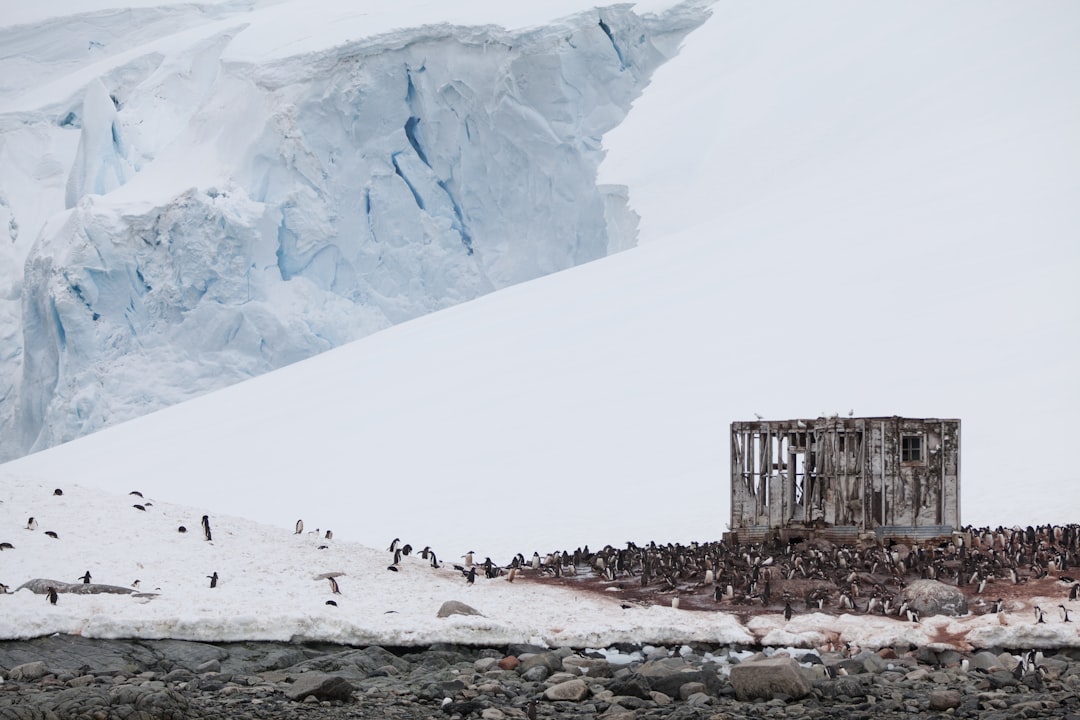
Antarctica, the southernmost continent, remains largely unexplored and shrouded in an icy veil of mystery. Beyond its scientific expeditions and breathtaking natural beauty, a persistent undercurrent of speculation exists regarding clandestine activities occurring within its vast, inhospitable landscapes. These whispers often coalesce around two main themes: secret excavations and unexplained no-fly zones, suggesting a hidden agenda or undiscovered phenomena beneath the pristine white surface. This article delves into the factual basis and speculative theories surrounding these intriguing claims, examining the evidence, debunking common myths, and exploring the implications of such alleged activities.
Antarctica, a landmass larger than Europe, presents a unique canvas for the imagination. Its extreme conditions, isolation, and status as a scientific preserve have fostered an environment where unusual theories can take root and flourish. The allure of the unknown is a powerful force, and Antarctica, with its frozen depths, acts as a pristine mirror reflecting back humanity’s deepest curiosities and fears.
Geological Speculations and Subsurface Structures
The continent’s geological history is undeniably complex. Beneath the miles-thick ice sheet lie mountain ranges, volcanoes, and vast, unexplored subglacial lakes. These features, hidden from direct observation, fuel hypotheses about ancient civilizations, precursor technologies, or even extraterrestrial connections. The sheer scale of what lies beneath the ice invites a certain intellectual audacity, prompting questions about what secrets might be entombed.
- Vostok Station and Lake Vostok: One of the most famous examples of subglacial discovery is Lake Vostok, a vast freshwater lake located beneath 3,700 meters of ice. Its isolation for millions of years has led to speculation about unique life forms and potential geological anomalies. While scientific exploration of the lake has been extensive, the mystique of its hidden realm persists.
- The Gamburtsev Mountains: These subglacial mountains, comparable in size to the European Alps, are another striking example of concealed geological grandeur. Their discovery sparked renewed interest in the continent’s subsurface topography, leading some to wonder if such dramatic features might conceal other, more unusual structures.
The Human Element: Historical Expeditions and Cover-ups
History is replete with examples of explorers and governments seeking to guard their discoveries. The race to the poles in the early 20th century, and the subsequent establishment of research stations, highlight the strategic importance placed on Antarctica. This historical context provides fertile ground for theories involving classified missions and withheld information.
- Operation Highjump (1946-1947): This United States Navy expedition, led by Admiral Richard E. Byrd, involved a massive naval task force and significant resources. Its stated purpose was scientific research and training, but its scale and the alleged brevity of its stay have led some to suggest concealed objectives, perhaps involving the search for German bases or unknown resources.
- Nazi Germany and Antarctica: Persistent rumors link Nazi Germany to secret Antarctic bases, particularly in areas like Queen Maud Land (New Swabia). While historical evidence mainly points to exploratory expeditions for whaling and resource assessment, the myth of hidden strongholds or advanced technology continues to circulate, often connected to UFO folklore.
Recent discussions surrounding Antarctica have brought attention to the controversial topic of no-fly zones and alleged secret excavations in the region. A related article that delves into these mysteries can be found at Real Lore and Order, where it explores the implications of restricted airspace and the theories surrounding hidden discoveries beneath the ice. This intriguing piece raises questions about what might lie beneath the surface of one of the most remote places on Earth.
Dispelling the Fog: Examining Secret Excavations
The concept of “secret excavations” on Antarctica conjures images of clandestine mining operations, archaeological digs for forgotten ruins, or even the unearthing of alien artifacts. A critical examination requires distinguishing between genuine scientific endeavor and unfounded speculation.
Scientific Drilling and Ice Core Research
Modern science regularly conducts “excavations” in Antarctica, but these are primarily in the form of ice core drilling operations. These endeavors are transparent, meticulously documented, and crucial for understanding Earth’s climate history.
- EPICA and Dome C: The European Project for Ice Coring in Antarctica (EPICA) at Dome C has retrieved ice cores reaching back over 800,000 years, providing invaluable data on atmospheric composition and past climates. These “excavations” are publicly funded, peer-reviewed, and form the bedrock of paleoclimatology.
- Subglacial Lake Exploration: Drilling through the ice to access subglacial lakes, such as Lake Whillans or Lake Mercer, involves highly specialized and carefully regulated procedures. The primary goal is scientific observation of unique ecosystems, not the exploitation of resources or the discovery of non-terrestrial objects. These are not ‘secret’ by any stretch, but rather some of the most publicly scrutinized scientific endeavors.
Allegations of Covert Mining Operations
The vast mineral wealth believed to be present in Antarctica, particularly valuable resources such as coal, iron ore, and perhaps even diamonds, raises the question of clandestine mining. However, the Antarctic Treaty System, an international agreement, explicitly prohibits such activities.
- The Antarctic Treaty System: This treaty, signed in 1959, dedicates the continent to peaceful and scientific purposes. Article IV effectively freezes any territorial claims, and Article VII allows for inspection by observer nations, making large-scale, “secret” mining operations exceedingly difficult to conceal. The environmental protocols further restrict any activity that could cause significant ecological damage.
- Logistical Hurdles: Even if not bound by treaties, conducting covert mining on a scale significant enough to be worthwhile would present colossal logistical challenges. The extreme cold, isolation, lack of infrastructure, and immense cost would render such an enterprise virtually impossible to keep secret from the global satellite monitoring networks and the constant presence of scientific research stations.
The Skies Above: Unpacking Antarctica’s No-Fly Zones
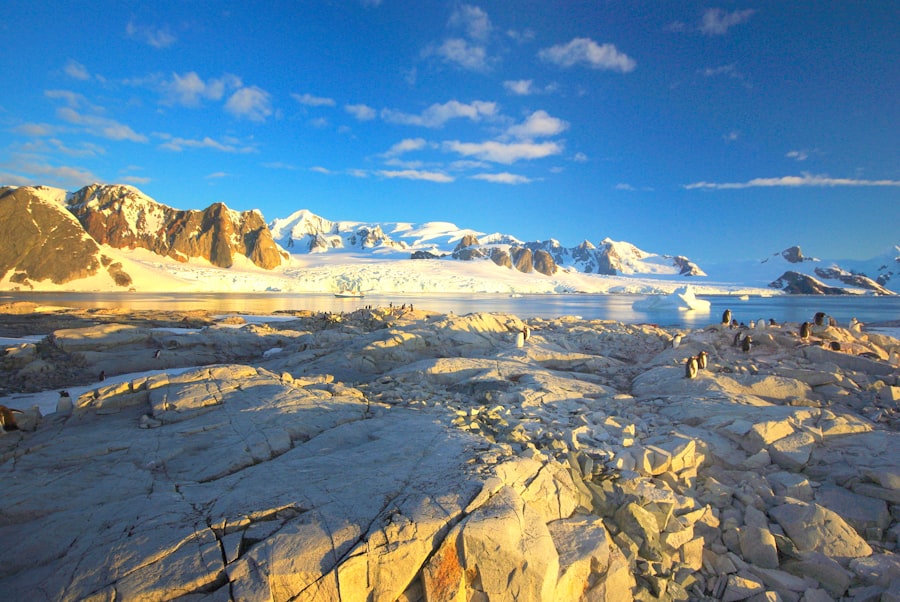
Just as underground activities spark curiosity, the concept of “no-fly zones” over Antarctica fuels theories of hidden bases, advanced technology, or even alien spacecraft. While legitimately restricted airspaces exist for safety and scientific reasons, much of the speculation goes significantly beyond these boundaries.
Legitimate Airspace Restrictions
A no-fly zone, or restricted airspace, is a common feature in aviation, implemented for various legitimate reasons, ranging from national security to public safety. Antarctica is no exception, with regulations designed to protect fragile environments and ensure the safety of personnel.
- Research Station Airspace: Areas immediately surrounding major research stations, such as McMurdo Station (USA) or Amundsen-Scott South Pole Station (USA), often have restricted airspace. This is to prevent interference with scientific instruments, protect personnel from aircraft noise and potential accidents, and manage the limited air traffic in these remote locations. These restrictions are publicly documented in aeronautical charts and flight advisories.
- Environmental Protection Zones: Certain ecologically sensitive areas, particularly those with vulnerable wildlife populations (e.g., penguin colonies, seal breeding grounds), may also be designated as no-fly zones or have strict altitude restrictions to minimize disturbance. These measures are openly part of environmental protection protocols under the Antarctic Treaty System.
The Puzzle of Unexplained Aerial Phenomena
Alongside legitimate restrictions, tales circulate of vast, unexplained no-fly zones supposedly implemented by unknown entities or governments to conceal advanced facilities or anomalous aerial phenomena. These often merge with UFOlogy and conspiracy theories.
- Alleged Anomalous Magnetic Zones: Some theories propose the existence of areas with unusual magnetic anomalies that disrupt aircraft instrumentation, necessitating no-fly designations. While magnetic anomalies certainly exist due to the Earth’s fluctuating magnetic field, scientifically documented instances do not correlate with vast, continent-sized no-fly zones that are not publicly acknowledged.
- The Hollow Earth Theory and Polar Openings: A more esoteric theory suggests that the poles contain openings to a “hollow Earth,” and no-fly zones are purportedly established to prevent discovery of these hidden entrances, often linked to advanced civilizations or extraterrestrial bases. This theory, however, lacks any scientific basis and contradicts fundamental geological understanding.
The Geopolitical Chessboard: Why the Secrecy?
If secret excavations and vast no-fly zones genuinely existed beyond scientific and safety mandates, what purpose would they serve? This question lies at the heart of many speculative theories, touching upon resource acquisition, military advantage, or the concealment of paradigm-shifting discoveries.
Resource Exploitation and Strategic Advantage
The potential for vast mineral or energy resources is a primary driver for interest in Antarctica. If any nation were to discover a “motherlode” that somehow defied treaty regulations, the temptation for secrecy would be immense.
- The Mineral Resources Convention (CRAMRA): While the Antarctic Treaty bans mineral resource activities, the Convention on the Regulation of Antarctic Mineral Resource Activities (CRAMRA) was an attempt in the late 1980s to establish a framework for potential future exploitation. Though never ratified, its existence highlights the underlying resource interest. Any discovery of rare earth elements, for example, could trigger a covert race for exploitation.
- Dual-Use Technologies: Advances in cold-weather engineering and deep-drilling technologies could have both scientific and military applications. A secret excavation site could theoretically be a cover for testing novel equipment or developing infrastructure with strategic significance, particularly in the context of scientific rivalry.
Military Installations and Covert Operations
The remote and extreme nature of Antarctica makes it an appealing location for clandestine military research or intelligence gathering. The “white continent” could serve as a neutral ground for potentially destabilizing activities.
- Strategic Location for Monitoring: The South Pole’s unique geographical position makes it an ideal location for astronomical observation and, potentially, for monitoring satellite communications or deep-space phenomena. A secret military installation could theoretically leverage this isolated vantage point.
- Advanced Weaponry Testing: Historically, remote locations have been used for testing unconventional weapons or technologies. The vast, uninhabited expanses of Antarctica could, in theory, provide a testing ground for weapons systems that require secrecy or distance from population centers. However, the logistical footprint required for such operations would be enormous, making concealment a Herculean task.
Recent discussions surrounding Antarctica have brought attention to the controversial topic of no-fly zones and alleged secret excavations in the region. These areas, often shrouded in mystery, have sparked numerous theories about what might be hidden beneath the ice. For those interested in exploring this intriguing subject further, an insightful article can be found at this link, which delves into the implications of these no-fly zones and the potential discoveries that could reshape our understanding of the continent.
The Information Landscape: Disinformation and Confirmation Bias
| Metric | Details |
|---|---|
| Number of No-Fly Zones | 5 officially reported, several unconfirmed zones rumored |
| Area Covered by No-Fly Zones | Approximately 10,000 square kilometers |
| Purpose of No-Fly Zones | Preservation of sensitive research sites and alleged secret excavation areas |
| Known Secret Excavation Sites | 3 rumored locations near Ross Ice Shelf and Queen Maud Land |
| Duration of No-Fly Restrictions | Indefinite, with periodic reviews every 5 years |
| Enforcement Agencies | International Antarctic Treaty Patrols and Military Surveillance |
| Reported Incidents | 2 unauthorized flights intercepted in last 3 years |
| Publicly Available Data | Minimal; most information classified or speculative |
The discourse surrounding Antarctica’s secrets is often muddied by misinformation, intentional disinformation, and the human tendency towards confirmation bias. It is crucial to approach these claims with a healthy dose of skepticism, demanding verifiable evidence.
The Role of Amateur Investigators and Online Communities
The internet has democratized information dissemination, allowing amateur investigators and online communities to share theories and “evidence” rapidly. While this fosters critical discussion, it also provides fertile ground for unsubstantiated claims to proliferate.
- Google Earth Anomalies: Many alleged “excavations” or “structures” are popularized through satellite imagery analysis by hobbyists using platforms like Google Earth. Unusual shadows, geological formations, or ice movements are sometimes misinterpreted as artificial structures, leading to viral speculation. These often lack proper geological context or scale.
- Cherry-Picking Evidence: Proponents of secret activities often focus exclusively on tangential or ambiguous pieces of information, while ignoring vast quantities of contradictory evidence or well-established scientific explanations. This selective interpretation reinforces pre-existing beliefs.
The Limitations of Evidence and The Burden of Proof
Extraordinary claims require extraordinary evidence. When it comes to alleged secret excavations and no-fly zones, the burden of proof rests heavily on those making the claims. Without verifiable, independently corroborated evidence, these theories remain within the realm of speculation.
- Lack of Independent Verification: No credible, independent scientific or journalistic body has ever provided verifiable evidence of large-scale secret excavations or continent-wide unexplained no-fly zones in Antarctica beyond a legitimate, publicly known scope.
- Alternative Explanations: Many alleged anomalies can be explained by natural phenomena, such as glacial movements, optical illusions, or the effects of extreme weather on land and ice formations. The preference for a complex, secretive explanation over a simpler, natural one is a hallmark of conspiracy thinking.
Conclusion: The Enduring Appeal of Antarctica’s Veil
Antarctica remains a continent of profound scientific interest and captivating mystery. Its vast, icy expanse continues to inspire wonder and fuel curiosity about what might lie hidden beneath its surface or within its frozen skies. While legitimate scientific “excavations” and targeted no-fly zones exist for understandable reasons, the claims of widespread secret operations and unexplained aerial restrictions lack substantial, verifiable evidence.
The enduring appeal of these theories speaks to a deeper human fascination with the unknown, our inherent skepticism of official narratives, and a yearning for discoveries that might reshape our understanding of the world. As technology advances and the continent becomes more accessible to observation, the veil of secrecy – real or imagined – may thin, potentially resolving some of these enigmatic questions or, perhaps, revealing entirely new ones to ponder in the silent, shimmering wilderness of Antarctica. Until then, the white continent will continue to serve as a beacon for scientific exploration and a canvas for the human imagination’s most intriguing conjectures.

SHOCKING: New Radar Reveals City Under Antarctica
FAQs
What are Antarctica no-fly zones?
Antarctica no-fly zones are designated areas over the continent where aircraft are restricted or prohibited from flying. These zones are established to protect sensitive environmental regions, scientific research sites, and to ensure the safety of flights in extreme weather conditions.
Why are there secret excavations in Antarctica?
Reports of secret excavations in Antarctica often stem from speculation or conspiracy theories. In reality, any excavation activities are typically conducted by authorized scientific teams studying geology, climate history, or ice cores, and are subject to international treaties and environmental regulations.
Who regulates flight operations and excavations in Antarctica?
Flight operations and excavations in Antarctica are regulated under the Antarctic Treaty System, which includes agreements on environmental protection and scientific cooperation. Various national Antarctic programs coordinate activities to ensure compliance with these regulations.
Are there any military activities allowed in Antarctica?
No, military activities are prohibited in Antarctica under the Antarctic Treaty. The continent is designated for peaceful purposes only, primarily scientific research, and military personnel or equipment can only be used for peaceful support roles.
How do no-fly zones impact scientific research in Antarctica?
No-fly zones help protect sensitive research sites from disturbances caused by aircraft noise and emissions. They also ensure the safety of researchers working in remote areas by minimizing air traffic risks. However, essential flights for scientific missions are carefully coordinated to avoid conflicts with these zones.