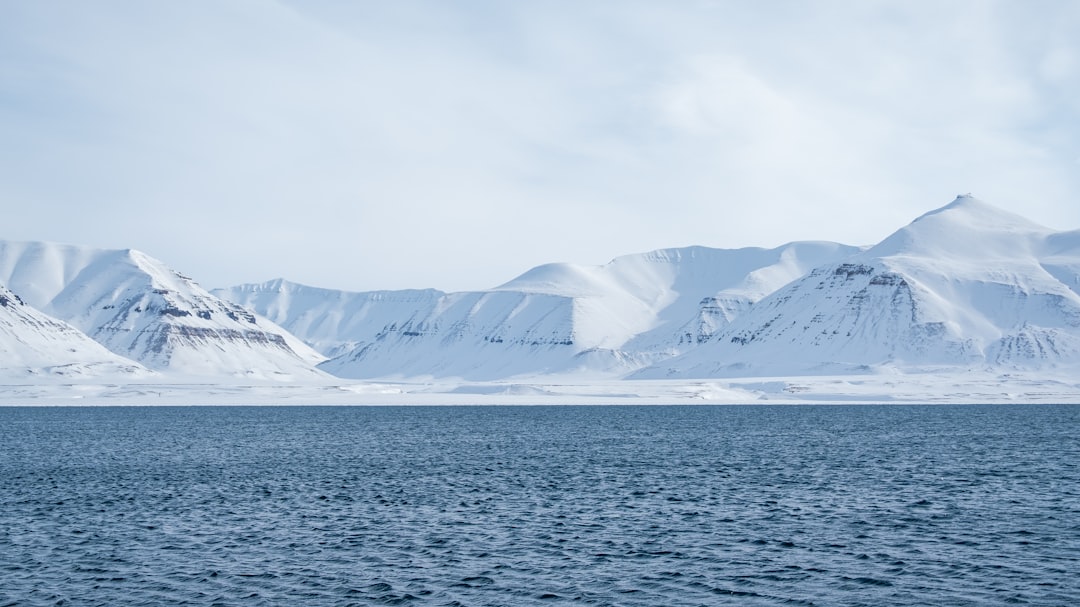
The quest to unearth the secrets of Earth’s past is a ceaseless endeavor, a scientific pilgrimage that pushes the boundaries of human knowledge. While many of us associate ancient civilizations with sun-baked deserts and lush river valleys, a growing body of evidence suggests another, far more enigmatic chapter of human history may lie locked away beneath the seemingly impenetrable ice sheets of Antarctica. This article delves into the compelling, albeit speculative, notion of uncovering ancient civilizations hidden in Earth’s frozen continent.
For millennia, Antarctica has been synonymous with ice, a vast, desolate expanse where life struggles to survive. However, geological and climatological data paints a different picture of Earth’s ancient past. The planet has experienced significant climatic shifts throughout its history, cycles of warming and cooling that have dramatically altered landscapes.
Ice Core Records: A Frozen Diary
The Paleomagnetic Clue
Continental Drift and Gondwana
Recent studies have sparked intrigue regarding the possibility of ancient civilizations hidden beneath the Antarctic ice sheet, suggesting that the continent may hold secrets of human history long forgotten. For a deeper exploration of this fascinating topic, you can read more in the article available at this link. The research highlights how advancements in technology are allowing scientists to investigate the ice layers, potentially uncovering artifacts and evidence of past societies that once thrived in a dramatically different climate.
Anomalies Beneath the Ice: Whispers of the Unseen
The sheer scale of Antarctica’s ice sheet, often kilometers thick, renders direct archaeological excavation impossible. Yet, subtle anomalies detected through advanced remote sensing technologies have ignited imaginations and spurred scientific inquiry. These anomalies, like faint echoes from a forgotten symphony, hint at structures and formations that defy natural geological processes.
Ground-Penetrating Radar (GPR): Peering Through the Frost
Satellite Imagery: Shadows and Shapes
Magnetic Anomalies: Unexplained Signatures
Hypothesis Generation: Bridging the Gap
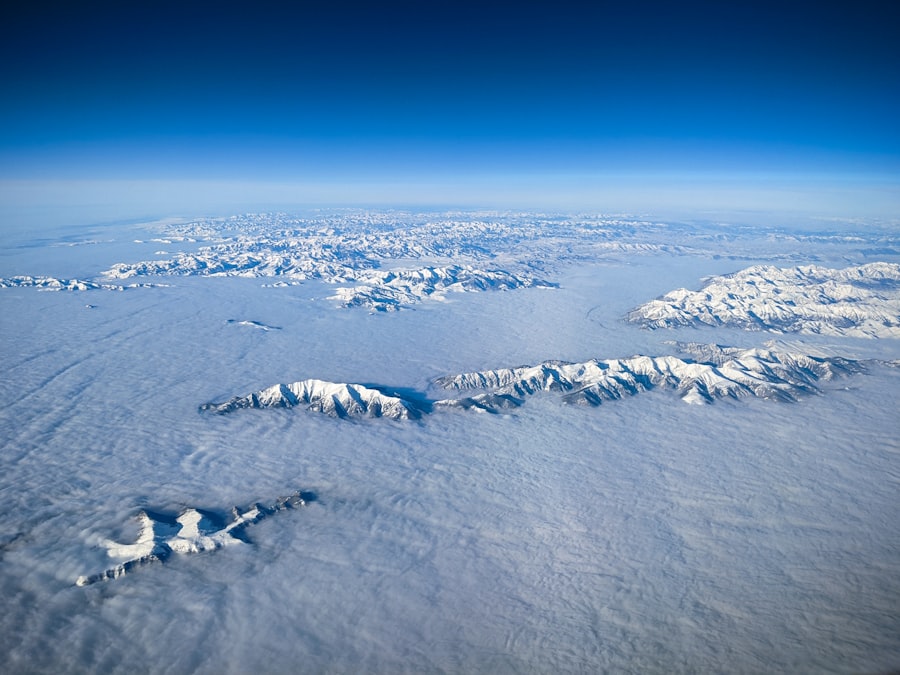
The existence of these anomalies, while intriguing, does not inherently confirm the presence of ancient civilizations. However, when viewed through the lens of a potentially warmer Antarctic past, they form the bedrock of compelling hypotheses that warrant further investigation.
The “Lost Continent” Theory
Pre-Glacial Settlements
Advanced Ancient Technologies
The Challenges of Exploration: A Frozen Frontier
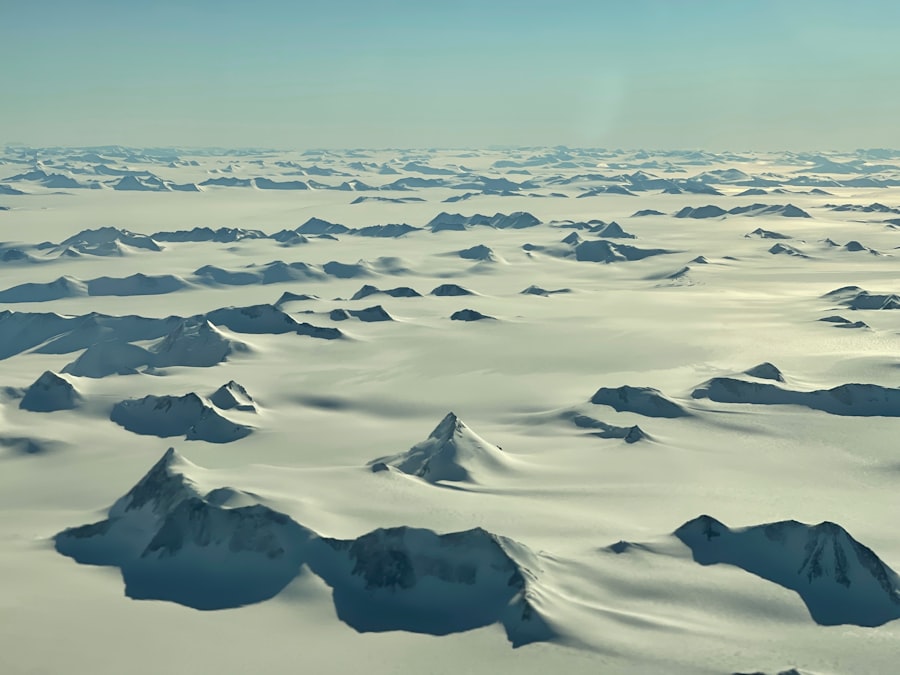
Exploring Antarctica is a monumental undertaking, fraught with unique logistical, technological, and environmental hurdles. These challenges are amplified when considering the possibility of searching for submerged or buried artifacts beneath the ice.
Navigating Extreme Environments
Technological Limitations
The Ethical Dilemma of Disturbance
Recent discoveries have sparked intrigue about ancient civilizations that may lie hidden beneath the Antarctic ice sheet, suggesting that our understanding of human history could be dramatically altered. Researchers are exploring the possibility that remnants of advanced societies could be preserved in the ice, offering insights into how these cultures adapted to extreme conditions. For a deeper dive into this fascinating topic, you can read more about it in this related article on the subject of ancient civilizations and their potential connections to our past at Real Lore and Order.
Future Prospects: Hope on the Horizon
| Metric | Details |
|---|---|
| Location | Subglacial regions beneath the Antarctic ice sheet |
| Estimated Age | Up to 10,000 years or more (hypothetical) |
| Type of Civilization | Unknown; hypothesized ancient human or pre-human settlements |
| Evidence Found | Subglacial lakes, unusual geological formations, and possible man-made structures (unconfirmed) |
| Research Methods | Ice-penetrating radar, satellite imaging, seismic surveys |
| Current Status | Speculative; no confirmed discoveries of ancient civilizations |
| Challenges | Extreme cold, thick ice coverage, limited access, preservation conditions |
| Significance | Potential to rewrite history if evidence is found; insights into ancient climate and migration |
Despite the challenges, the potential rewards of uncovering evidence of ancient Antarctic civilizations are immense. Such a discovery would not only rewrite human history but could also offer profound insights into past climates, human adaptability, and perhaps even lost technologies.
Advancements in Subglacial Exploration
International Collaboration and Funding
The Ongoing Search for Truth
The notion of ancient civilizations buried beneath Antarctic ice might sound like the stuff of science fiction. However, the scientific method thrives on questioning the improbable and exploring the seemingly impossible. The anomalies detected beneath the ice, coupled with the understanding of Earth’s dynamic climate history, compel us to keep an open mind. Antarctica, once viewed as a barren wasteland, might just hold the key to unlocking a lost chapter of humanity’s story, a testament to the ebb and flow of time and the enduring resilience of life. The frozen continent beckons, a silent guardian of secrets waiting to be unveiled, one scientific breakthrough at a time.

SHOCKING: New Radar Reveals City Under Antarctica
FAQs
What evidence suggests ancient civilizations might be hidden beneath the Antarctic ice sheet?
Scientists have discovered unusual geological formations and artifacts through satellite imagery and ice-penetrating radar that hint at the possibility of ancient human activity beneath the Antarctic ice sheet. However, no definitive proof of civilizations has been found to date.
How old could these potential ancient civilizations be?
If ancient civilizations existed in Antarctica, they would likely date back tens of thousands of years, possibly before the continent became covered in ice around 34 million years ago. Most hypotheses focus on periods when the climate was warmer and Antarctica was more habitable.
What methods are used to explore beneath the Antarctic ice sheet?
Researchers use technologies such as ice-penetrating radar, satellite imaging, and remote sensing to study the subglacial landscape. In some cases, drilling through the ice sheet allows scientists to collect samples and search for signs of past life or human activity.
Why is it difficult to confirm the existence of ancient civilizations under the ice?
The thick ice sheet, which can be several kilometers deep, makes direct exploration challenging. Harsh weather conditions, logistical difficulties, and the risk of contaminating pristine environments also limit extensive research in Antarctica.
Are there any known ancient civilizations that lived in Antarctica?
Currently, there is no scientific evidence confirming that any ancient civilizations lived in Antarctica. The continent has been covered by ice for millions of years, making it inhospitable for sustained human settlement during known historical periods.