
Throughout history, humanity has been captivated by the remnants of ancient civilizations, particularly their technological prowess. The enigma of lost ancient technology raises profound questions about the capabilities of societies that existed long before the modern era. From the monumental pyramids of Egypt to the intricate aqueducts of Rome, these structures stand as testaments to the ingenuity and skill of their creators.
Yet, despite their grandeur, many aspects of the technologies employed remain shrouded in mystery. Scholars and enthusiasts alike ponder how these civilizations achieved such feats without the advanced tools and knowledge that are commonplace today. The allure of lost technology lies not only in its historical significance but also in its potential implications for contemporary society.
What if these ancient peoples possessed knowledge that could revolutionize modern engineering or sustainable practices? The quest to uncover these secrets often leads to a blend of archaeology, history, and even speculative theories. As researchers delve deeper into ancient texts and artifacts, they find themselves grappling with the tantalizing possibility that humanity’s past holds keys to solving present-day challenges.
Key Takeaways
- Lost ancient technology continues to baffle and intrigue researchers, sparking a quest for understanding.
- Advanced ancient civilizations left behind astonishing engineering feats that still puzzle modern experts.
- The disappearance of knowledge and skills from the past raises curious questions about the fate of ancient technology.
- Ancient artifacts offer intriguing clues that hint at the existence of lost advanced technologies.
- The debate over the existence of lost advanced technologies fuels the quest to uncover the truth about ancient high-tech societies.
Unraveling the Secrets of Advanced Ancient Civilizations
The study of advanced ancient civilizations reveals a tapestry of innovation and creativity that challenges conventional narratives about human progress. Civilizations such as the Maya, Indus Valley, and Mesopotamia exhibited remarkable advancements in various fields, including mathematics, astronomy, and engineering. These societies developed complex systems of writing, trade, and governance that laid the groundwork for future generations.
By examining their achievements, modern scholars can glean insights into how these cultures thrived and adapted to their environments. Archaeological discoveries continue to shed light on the sophisticated nature of these ancient societies. For instance, the discovery of advanced agricultural techniques in the Andes Mountains demonstrates how the Incas harnessed their environment to sustain large populations.
Similarly, the intricate urban planning of cities like Mohenjo-Daro reveals a level of organization and foresight that belies the simplistic view often held about early human settlements. As researchers piece together these fragments of history, they begin to appreciate the depth and complexity of ancient civilizations, prompting a reevaluation of what it means to be “advanced.“
The Astonishing Engineering Feats of the Past
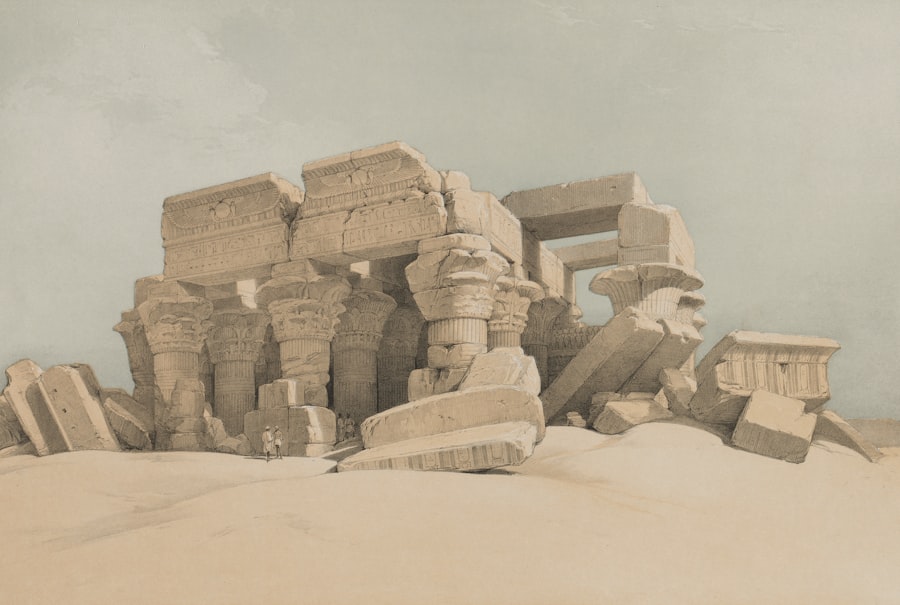
The engineering feats accomplished by ancient civilizations are nothing short of astonishing. The construction of the Great Wall of China, stretching over 13,000 miles, exemplifies not only architectural ingenuity but also the sheer determination and labor of countless individuals over centuries. Similarly, the Roman aqueducts, which transported water across vast distances using gravity alone, showcase an understanding of hydraulics that remains impressive even by today’s standards.
These monumental projects required meticulous planning, resource management, and a deep understanding of materials—skills that were honed through generations. Moreover, the precision with which ancient structures were built continues to baffle modern engineers. The alignment of the pyramids with celestial bodies and the use of advanced mathematical principles in their construction suggest a level of knowledge that transcends mere trial and error.
The techniques employed in stone carving and transportation also raise questions about how these civilizations achieved such precision without modern machinery. As researchers investigate these engineering marvels, they uncover not only the methods used but also the cultural significance behind them, revealing a rich narrative woven into the fabric of human history.
The Curious Case of Disappearing Knowledge and Skills
| Metrics | Data |
|---|---|
| Number of employees with disappearing knowledge and skills | 150 |
| Percentage of knowledge and skills lost in the past year | 20% |
| Impact on productivity | Decreased by 30% |
| Cost of retraining employees | 500,000 |
One of the most perplexing aspects of ancient technology is the phenomenon of disappearing knowledge and skills. As civilizations rise and fall, valuable information can be lost or forgotten, leading to a gap in understanding that persists for centuries. The decline of the Roman Empire serves as a prime example; as societal structures crumbled, so too did the sophisticated knowledge that had been accumulated over generations.
This loss is not merely a historical footnote but a reminder of how fragile human progress can be. The reasons behind this disappearance are multifaceted. In some cases, natural disasters or invasions led to the destruction of libraries and centers of learning, erasing vast amounts of knowledge in an instant.
In other instances, societal shifts may have rendered certain skills obsolete, as new technologies emerged or cultural priorities changed. The transition from agrarian societies to industrialized ones saw many traditional crafts and techniques fade into obscurity. This cyclical pattern raises important questions about what knowledge might still be lost to time and how future generations can safeguard against similar losses.
The Quest to Understand Ancient Technological Marvels
The quest to understand ancient technological marvels is an ongoing endeavor that captivates historians, archaeologists, and engineers alike. As new discoveries are made, researchers are constantly challenged to rethink established narratives about human innovation. This pursuit often involves interdisciplinary collaboration, combining insights from various fields to create a more comprehensive understanding of ancient technologies.
For instance, advancements in materials science have allowed scientists to analyze ancient artifacts at a molecular level, revealing secrets about their composition and manufacturing processes.
Techniques such as ground-penetrating radar and 3D modeling enable researchers to explore sites without disturbing them physically.
These tools provide invaluable data that can lead to new hypotheses about how ancient peoples lived and worked. As scholars continue to piece together these technological puzzles, they not only illuminate the past but also inspire contemporary innovations by drawing on age-old wisdom.
The Intriguing Clues Left Behind by Ancient Artifacts

Ancient artifacts serve as tangible links to past civilizations, offering intriguing clues about their technologies and ways of life. From pottery shards to intricate tools, each artifact tells a story that contributes to a broader understanding of human history. For example, the discovery of advanced metalworking techniques in ancient Egypt has shed light on how these artisans created intricate jewelry and tools that were both functional and aesthetically pleasing.
Such findings highlight not only technological prowess but also cultural values surrounding craftsmanship. In addition to physical artifacts, inscriptions and writings provide critical insights into ancient technologies. Cuneiform tablets from Mesopotamia reveal detailed records of trade transactions and agricultural practices, while hieroglyphics in Egypt document everything from religious beliefs to engineering techniques used in pyramid construction.
These written records allow researchers to reconstruct historical contexts and understand how technological advancements were integrated into daily life. As scholars continue to analyze these artifacts, they uncover layers of meaning that enrich our understanding of ancient societies.
The Debate Over the Existence of Lost Advanced Technologies
The debate over the existence of lost advanced technologies is a contentious topic among historians and archaeologists. Some argue that certain ancient civilizations possessed knowledge or capabilities that have yet to be fully understood or appreciated by modern scholars. Proponents of this view often point to unexplained phenomena or artifacts that seem to defy conventional explanations.
For instance, the precision with which some ancient structures were built raises questions about whether these societies had access to advanced tools or techniques that have since been lost. Conversely, skeptics caution against attributing too much sophistication to ancient peoples without substantial evidence. They argue that many achievements can be explained through ingenuity and resourcefulness rather than lost technologies.
As new evidence emerges and old theories are challenged, scholars must navigate this complex landscape with an open mind while remaining grounded in empirical data.
Exploring the Possibility of Ancient High-Tech Societies
The possibility of ancient high-tech societies has long fascinated both scholars and enthusiasts alike. Some theorists propose that certain civilizations may have reached levels of technological advancement comparable to or even exceeding those seen today. This notion is often fueled by discoveries that suggest sophisticated engineering practices or advanced astronomical knowledge far ahead of their time.
For instance, the construction techniques used in Stonehenge or the astronomical alignments found in various ancient sites prompt speculation about whether these societies had access to knowledge that has since been lost. While mainstream archaeology typically emphasizes gradual technological evolution rather than sudden leaps forward, alternative theories challenge this perspective by suggesting that knowledge may have been shared across cultures or even influenced by external sources. This idea opens up intriguing possibilities regarding cultural exchange and collaboration among ancient peoples.
However, it also raises questions about how such advanced knowledge could have been lost over time and what implications this might have for our understanding of human history.
The Role of Myth and Legend in Uncovering Lost Technologies
Myth and legend play a significant role in shaping our understanding of lost technologies and ancient civilizations. Many cultures have rich mythologies that recount tales of gods or heroes possessing extraordinary abilities or knowledge beyond human comprehension. These stories often serve as allegories for real historical events or technological advancements that may have been misunderstood or exaggerated over time.
By examining these myths through a critical lens, researchers can uncover kernels of truth that may point toward actual historical practices or technologies. For instance, tales of flying machines in Hindu mythology or advanced weaponry in Greek legends may reflect real technological achievements that were later mythologized as divine gifts. Such narratives can provide valuable insights into how ancient peoples perceived their own innovations and how they sought to explain phenomena beyond their understanding.
By exploring the intersection between myth and history, scholars can gain a deeper appreciation for the complexities surrounding lost technologies.
Modern Attempts to Replicate and Understand Ancient Techniques
In recent years, there has been a growing interest in modern attempts to replicate and understand ancient techniques. Craftspeople and researchers are increasingly turning to traditional methods as they seek to uncover the secrets behind ancient craftsmanship. This revival not only honors historical practices but also fosters a deeper connection between contemporary artisans and their predecessors.
By engaging with these techniques firsthand, modern practitioners can gain insights into the challenges faced by ancient artisans and appreciate the skill required to create enduring works. Moreover, experimental archaeology has emerged as a valuable field dedicated to recreating ancient technologies through hands-on experimentation. By attempting to replicate tools or structures using only materials and methods available at the time, researchers can gain practical insights into how these technologies functioned in their original contexts.
This approach not only enhances understanding but also sparks curiosity about how such techniques might inform modern practices in sustainability and craftsmanship.
The Implications of Rediscovering Lost Ancient Technology
Rediscovering lost ancient technology carries profound implications for contemporary society. If humanity were able to unlock the secrets behind these technologies, it could lead to innovative solutions for pressing global challenges such as climate change or resource scarcity. For instance, sustainable agricultural practices employed by ancient civilizations could inform modern approaches to food production in an era marked by environmental degradation.
Furthermore, understanding ancient technologies could foster a renewed appreciation for craftsmanship and traditional skills that have been overshadowed by industrialization. As society grapples with issues related to mass production and consumerism, there is an opportunity to draw inspiration from past practices that prioritized quality over quantity. Ultimately, rediscovering lost ancient technology not only enriches our understanding of history but also offers pathways toward a more sustainable future rooted in wisdom from our ancestors.
In conclusion, the enigma surrounding lost ancient technology invites exploration into humanity’s past while challenging contemporary perspectives on progress and innovation. Through diligent research and interdisciplinary collaboration, scholars continue to unravel the secrets held within ancient artifacts and texts—each discovery illuminating not only what was once possible but also what might still be achievable today.
The loss of ancient technology is a topic that has intrigued historians and archaeologists for centuries. Many wonder how advanced techniques and knowledge, once prevalent in ancient civilizations, seemingly vanished over time. One theory suggests that the decline of these technologies was due to the fall of empires and the subsequent loss of centralized knowledge and resources. For a deeper exploration into this fascinating subject, you can read a related article on the topic by visiting this page. This article delves into various factors that contributed to the disappearance of ancient technologies and how modern researchers are attempting to rediscover and understand these lost arts.
WATCH THIS 🤯Ancient Tech That Should Not Exist
FAQs
What is ancient technology?
Ancient technology refers to the tools, techniques, and knowledge used by ancient civilizations to create and innovate various technologies for their time.
Why was ancient technology lost?
Ancient technology was lost due to a variety of factors such as wars, natural disasters, lack of documentation, and the decline of civilizations. Additionally, as new technologies emerged, older ones became obsolete and were eventually forgotten.
How do we know about ancient technology?
We know about ancient technology through archaeological discoveries, historical texts, and artifacts that have been preserved over time. These sources provide insights into the technological advancements of ancient civilizations.
Can ancient technology be rediscovered?
Yes, ancient technology can be rediscovered through archaeological excavations, scientific research, and the study of historical texts. Advances in technology and research methods have also allowed for the rediscovery and understanding of ancient technologies.