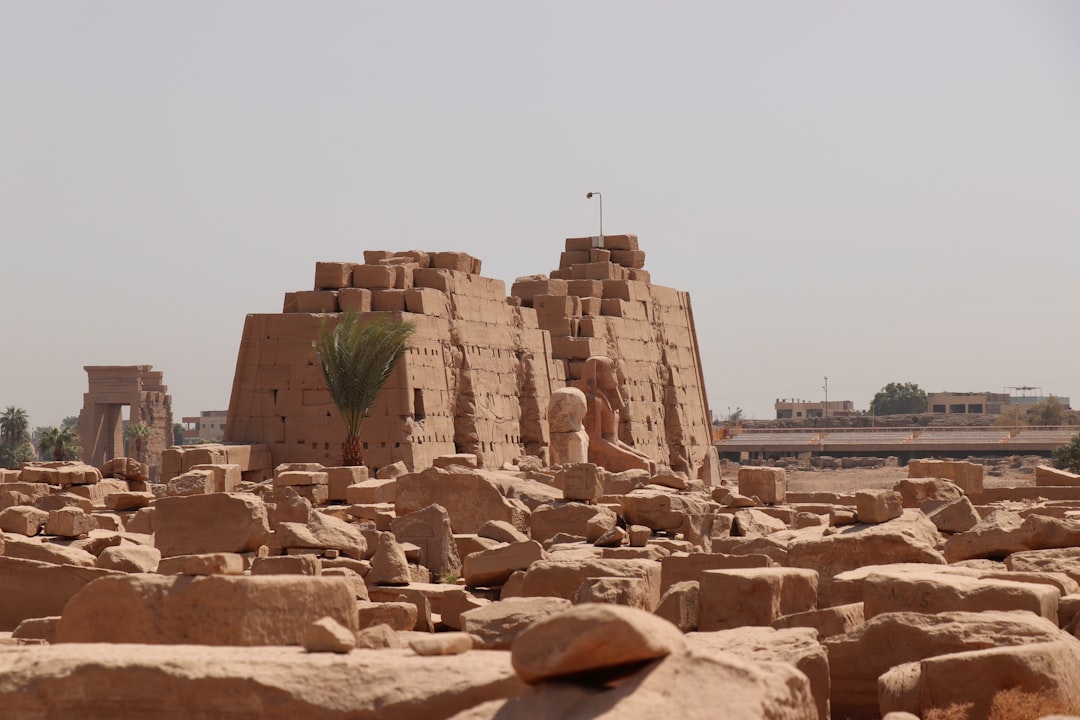
Uncovering the Truth: Suppressed Archaeological Sites
The earth beneath our feet is a vast, silent library, its pages filled with the stories of human history. Yet, not all these stories are readily accessible. Some chapters remain hidden, their existence obscured or actively suppressed. This article delves into the phenomenon of suppressed archaeological sites, exploring the reasons behind their concealment and the potential insights they hold, offering the reader a glimpse into the shadows of our collective past. These sites, like forgotten manuscripts, whisper tales that challenge established narratives and widen our understanding of human ingenuity and societal evolution.
The journey of an archaeological site from its initial discovery to its integration into the public record is rarely a straight path. Often, the very forces that lead to discovery can also contribute to its suppression. Understanding these mechanisms is the first step in appreciating why certain fragments of history are kept from wider view.
Natural Obscuration: The Hands of Time and Nature
Throughout millennia, geological processes naturally bury or alter archaeological evidence. Floods deposit sediment, volcanic eruptions entomb settlements, and tectonic shifts can displace entire landscapes. These are the slow, inexorable forces that make archaeology a constant battle against oblivion.
Erosion and Deposition: Earth’s Constant Reshaping
The ceaseless work of wind and water acts as a powerful sculptor, wearing away exposed artifacts and burying others under layers of soil and rock. Coastal erosion can reclaim ancient harbors, while riverine deposition can effectively seal away riverine settlements.
Volcanic Activity and Cataclysmic Events: Sudden Erasures
Catastrophic events, such as volcanic eruptions or meteorite impacts, can instantaneously preserve or destroy archaeological evidence. While Pompeii offers a remarkable window into Roman life due to volcanic ash, the very power of these events can make further investigation treacherous and costly, leading to sites remaining unexcavated or even forgotten.
Human Intervention: The Architect of Concealment
While nature plays its part, it is often human actions or inactions that actively contribute to the suppression of archaeological sites, whether through deliberate intent or systemic neglect.
Development and Urban Sprawl: The Modern Bulldozer’s Shadow
The relentless march of modern development, particularly in urban and suburban areas, presents a significant threat. Construction projects, from housing developments to infrastructure upgrades, can inadvertently or deliberately destroy archaeological remains before they are ever identified or properly documented. This is akin to a careless reader tearing pages from a precious book.
Infrastructure Projects: Roads, Dams, and Forgotten Histories
Major infrastructure projects, designed for present and future needs, often traverse areas rich in archaeological heritage. While environmental impact assessments are now standard, they are not always comprehensive, and the sheer scale and cost of these projects can sometimes lead to archaeological discoveries being deemed too inconvenient or expensive to fully investigate, leading them to be buried once more beneath concrete and steel.
Urban Renewal and Gentrification: Erasing the Past for Progress
Urban renewal schemes, while aiming to revitalize areas, can also lead to the destruction of historical layers. Old buildings are demolished, and foundations are dug without adequate archaeological supervision, erasing the physical evidence of previous inhabitants and their lives.
Economic Considerations: The Price of Preservation
The financial cost of archaeological excavation, preservation, and ongoing management can be prohibitive. For governments or private entities, the immediate economic benefits of development often outweigh the perceived value of uncovering and preserving historical sites, leading to a de facto suppression.
Political and Ideological Agendas: Rewriting the Narrative
Perhaps the most insidious form of suppression stems from political or ideological motivations. Discoveries that challenge dominant national myths, religious beliefs, or historical interpretations can be met with resistance, leading to their marginalization, denial, or active suppression by those in power.
Nationalistic Narratives: Aligning the Past with Present Power
Nations often construct their identities on specific historical narratives. Archaeological evidence that contradicts these narratives, perhaps suggesting earlier or different origins for a population, can be seen as a threat to national unity or legitimacy. In such cases, evidence might be downplayed, dismissed, or even actively suppressed to maintain the established story.
Religious Dogma: Challenging Sacred Texts
Similarly, discoveries that appear to contradict established religious doctrines can face similar resistance. Theologians or religious institutions might actively discourage or discredit findings that challenge their scriptural interpretations, leading to the burial of potentially significant historical evidence.
The truth about suppressed archaeological sites often raises questions about the narratives we accept regarding our history. For a deeper exploration of this topic, you can read the article that delves into various instances where significant findings have been overlooked or hidden from the public eye. This article sheds light on the implications of such suppression and encourages a critical examination of our understanding of ancient civilizations. To learn more, visit this insightful article.
Case Studies in Concealment: Echoes from the Unseen
While precise documentation of deliberately suppressed sites is inherently difficult, several well-documented instances and recurring patterns suggest that this phenomenon is not merely speculative. These examples serve as stark reminders of the fragility of history.
The “Lost” Civilizations: Whispers of Alternative Pasts
Throughout history, tantalizing hints of advanced or unique ancient civilizations have emerged, only to be dismissed or forgotten. These “lost” civilizations often hint at technological capabilities or social structures that fall outside mainstream archaeological consensus, making them targets for skepticism or outright dismissal.
The Bimini Road: Submerged Anomalies and Unanswered Questions
The Bimini Road, a submerged rock formation off the coast of Bimini in the Bahamas, has been a subject of fascination and controversy. Some researchers interpret it as evidence of an ancient submerged civilization, potentially predating known human settlements in the region. However, mainstream geology often explains it as a natural formation, leaving the debate as a persistent murmur in the archaeological discourse. The lack of extensive excavation and the difficulty of studying a submerged site contribute to its enigmatic status.
Ancient Astronomical Megastructures: Beyond Known Capabilities
Reports of massive ancient astronomical observatories or structures that exhibit a level of precision or scale seemingly beyond the technological capabilities of the assumed periods of their construction often face a similar fate. These might include precisely aligned megaliths or complex subterranean structures. The prevailing archaeological framework can sometimes struggle to accommodate such anomalies, leading to their attribution to natural phenomena or their dismissal as misinterpretations.
The Shadow of Rediscovery: Sites Revisited and Reimagined
Sometimes, sites that were once known later slip from public consciousness, only to be “rediscovered” years or even decades later. The reasons for their initial obscurity can vary, but their subsequent reappearance highlights the potential for historical knowledge to be lost and regained.
Forgotten Excavations: The Unfinished Archives of the Past
Many archaeological sites have undergone partial excavation in the past, only for funding to dry up, political will to wane, or the excavators to move on to other projects. The resulting archives, notes, and artifact collections can then lie dormant for years, effectively suppressing the full story of the site until a new generation of archaeologists stumbles upon the forgotten records. This is like finding a partially written manuscript in a dusty attic.
Local Lore vs. Academic Neglect: Stories Unheard
In many instances, local communities may hold oral traditions or anecdotal knowledge about ancient sites that have not been formally documented by academic archaeology. This “folk archaeology” can be dismissed or ignored by mainstream researchers, leading to the sites remaining virtually unknown outside of their immediate vicinity.
The Politics of Heritage: Sites as Pawns in National Identity
In some regions, archaeological sites can become embroiled in political disputes over national heritage and identity. This can lead to sites being deliberately underplayed or their significance downplayed if they do not fit the desired national narrative, effectively suppressing their historical importance.
The Mechanics of Suppression: How Information Fades and Fights Back
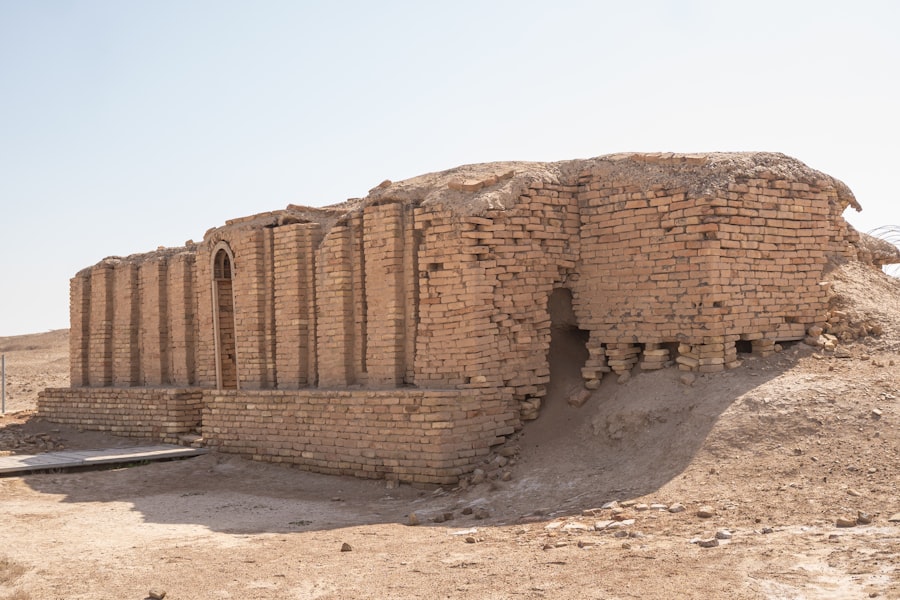
Understanding how information about archaeological sites can be suppressed is crucial to recognizing the phenomenon. This involves more than just forgetting; it often involves active marginalization or even obstruction.
The Gatekeepers of Knowledge: Academia and the Establishment
The academic archaeological community, while dedicated to uncovering the past, can also, unintentionally or otherwise, act as gatekeepers. Established theories and prevailing paradigms can create resistance to evidence that challenges them, making it difficult for dissenting or unconventional findings to gain traction.
Paradigm Shifts and the Inertia of Accepted Truths
Archaeology, like any scientific discipline, progresses through paradigm shifts. However, these shifts are rarely smooth. When new evidence emerges that fundamentally challenges established interpretations, there can be a period of inertia and resistance from those invested in the current paradigm. Discoveries that emerge from outside this established framework are often met with skepticism.
Publication Bias and the “Matthew Effect” in Archaeology
The “Matthew effect” in science suggests that those who are already established and have had their work recognized are more likely to receive further recognition. In archaeology, this can translate into a bias towards publishing findings that align with what is already known or expected, while more radical or anomalous discoveries might struggle to secure publication in reputable journals.
The Silence of the Unfunded: Resource Allocation and Priorities
The scarcity of funding for archaeological research is a perennial challenge. This scarcity can lead to certain types of sites or research questions being prioritized over others, effectively leading to the suppression of knowledge in underfunded areas.
The Tyranny of the “Glamour Site”: Neglecting the Mundane and the Marginal
Highly visible and historically significant sites often receive the lion’s share of funding. Smaller, less dramatic, or culturally marginalized sites may languish, their potential for yielding crucial information overlooked due to a lack of resources. This is akin to focusing only on the blockbuster novels while ignoring the rich tapestry of short stories.
Contract Archaeology and the Limits of Public Duty
A significant portion of archaeological work in many countries is conducted through contract archaeology, often mandated by development projects. While this process can save sites from destruction, the focus is typically on mitigation and rapid assessment, with limited resources for in-depth research or the exploration of truly novel or complex questions. The primary goal is often compliance, not groundbreaking discovery.
The Loudest Silence: Active Concealment and Discreditation
In its most extreme form, suppression can involve active efforts to conceal or discredit evidence. This can be driven by a desire to protect vested interests, maintain political control, or uphold deeply held beliefs.
Vested Interests and the Protection of Existing Narratives
When archaeological discoveries threaten the perceived economic or political interests of individuals, corporations, or governments, there can be pressure to suppress or manipulate the information. This might involve discrediting the excavators, misrepresenting the findings, or even outright denial of the site’s existence.
The Power of Media: Shaping Public Perception
The media can play a significant role in both the dissemination and suppression of archaeological information. Sensationalized reporting can create public misconceptions, while a lack of coverage or the framing of discoveries in a particular light can lead to them being ignored or misunderstood by the wider public.
The Implications of Lost Knowledge: What We Miss When History is Silenced
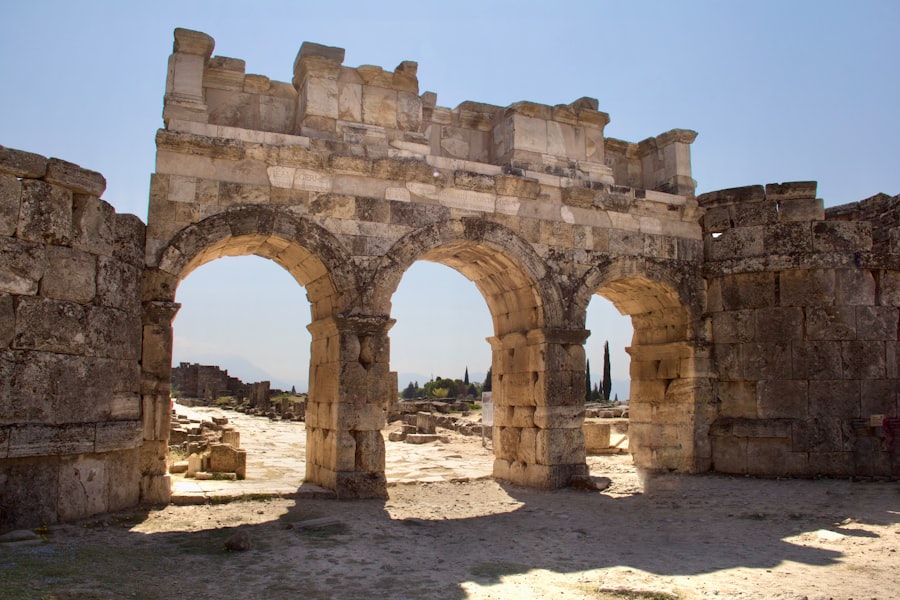
The suppression of archaeological sites has profound implications for our understanding of human history and our present-day lives. When pieces of the past are deliberately hidden or inadvertently lost, we lose valuable insights into the diversity of human experience.
Challenging Dominant Narratives: A More Nuanced Past
Suppressed sites often hold the keys to challenging and refining dominant historical narratives. They can reveal alternative pathways of societal development, introduce previously unknown cultures, or demonstrate the existence of technologies or social structures that we previously believed were unique to later periods. Uncovering these sites is like finding missing chapters that dramatically alter the plot of a familiar story.
Understanding Human Ingenuity: Beyond the Conventional Timeline
Discoveries at suppressed sites can push back the timelines for human ingenuity and innovation. They might reveal evidence of advanced agricultural techniques, complex engineering feats, or sophisticated artistic traditions that predate currently accepted milestones, forcing a re-evaluation of the trajectory of human development.
Recognizing Cultural Diversity: A Richer Tapestry of Human Experience
The existence of numerous suppressed sites speaks to the vast and often undocumented cultural diversity of humankind. Their revelation allows for a more nuanced understanding of the myriad ways humans have lived, organized themselves, and interacted with their environments throughout history, weaving a richer tapestry of human experience.
Ethical Considerations: The Right to Know Our Past
There is an ethical imperative to access and understand our shared human heritage. The deliberate suppression of archaeological knowledge can be seen as a form of historical malpractice, denying future generations the opportunity to learn from the full spectrum of human history.
The Public’s Right to Heritage: Accessibility and Transparency
The archaeological record, in its entirety, is a part of our collective human heritage. There is a strong argument to be made that this heritage should be accessible and transparent, and that the deliberate concealment of significant historical evidence is a violation of the public’s right to know its past.
The Responsibility of Archaeologists: Guardians of the Past
Archaeologists bear a significant responsibility as guardians of the past. This responsibility extends beyond excavation and documentation; it includes advocating for the preservation and dissemination of knowledge, even when that knowledge is challenging or inconvenient.
The Unfolding Future: Lessons from a Comprehensive Past
A more complete understanding of our past, gleaned from all available archaeological evidence, can offer invaluable lessons for the future. By understanding the successes and failures of past societies, we can better navigate the challenges of our own time.
Avoiding Past Mistakes: Patterns of Human Behavior
By studying the full scope of human history, including instances of societal collapse, technological stagnation, or environmental mismanagement that might be hidden in suppressed sites, we can gain critical insights into recurring patterns of human behavior and their consequences.
Inspiring Innovation: Rediscovering Lost Solutions
Sometimes, lost archaeological evidence might reveal solutions to problems that we are grappling with today. This could include sustainable agricultural practices, resource management techniques, or social organizational models that have been forgotten by time.
The ongoing debate surrounding suppressed archaeological sites reveals a complex interplay between historical narratives and contemporary interests. Many researchers argue that significant discoveries have been overlooked or intentionally hidden, raising questions about the motivations behind such actions. For a deeper understanding of this issue, you can explore a related article that delves into the implications of these suppressed findings and their impact on our understanding of history. Check it out here: this insightful article.
Seeking the Truth: Methods and Movements for Unearthing the Hidden
| Site Name | Location | Year Discovered | Reason for Suppression | Estimated Age | Current Status |
|---|---|---|---|---|---|
| Gobekli Tepe | Turkey | 1994 | Contradicts established historical timelines | ~11,600 years | Partially excavated, restricted access |
| Nan Madol | Micronesia | Early 20th century | Political sensitivity and remote location | ~1,500 years | Limited research, protected site |
| Derinkuyu Underground City | Turkey | 1963 | Potential for tourism control and preservation | ~3,000 years | Open to public with restrictions |
| Yonaguni Monument | Japan | 1986 | Debate over natural vs man-made origin | ~10,000 years (disputed) | Research ongoing, limited access |
| Mount Owen Moa Bones Site | New Zealand | 1930s | Controversy over indigenous rights and findings | ~1,000 years | Restricted access, ongoing studies |
Although challenging, the pursuit of suppressed archaeological sites is not a futile endeavor. Various methods and movements are dedicated to uncovering these forgotten fragments of history and bringing them into the light.
Citizen Archaeology and the Power of the Amateur Eye
In many instances, it is not professional archaeologists but dedicated amateurs and citizen scientists who first identify potential sites or bring anomalies to light. This burgeoning field of citizen archaeology plays a vital role in broadening the scope of discovery.
Local Knowledge and Community Engagement: Unheard Voices Amplified
Local communities often possess invaluable knowledge about their surroundings, including oral histories and anecdotal evidence of ancient sites that may have been overlooked by academic institutions. Engaging with these communities and valuing their knowledge is crucial for unearthing hidden heritage.
The Role of Technology: Satellites, Drones, and Digital Archives
Advances in technology are revolutionizing archaeological discovery. Satellite imagery, drone surveys, and sophisticated digital archiving techniques are enabling researchers to identify subtle anomalies in landscapes and to access previously inaccessible historical records, potentially revealing the presence of hidden sites.
Open Access and Data Sharing: Breaking Down the Walls of Information
The movement towards open access and data sharing in archaeology is crucial for combating suppression. By making research findings, excavation data, and artifact collections freely available, it becomes more difficult for information to be deliberately hidden or lost.
Democratizing Knowledge: Making Research Accessible to All
Open access initiatives aim to democratize scientific knowledge, ensuring that research is not confined to academic journals or paywalls. This allows a wider audience, including citizen archaeologists and researchers from less resourced institutions, to contribute to and benefit from the collective body of archaeological knowledge.
Collaborative Research and the Global Archaeological Community
Fostering collaborative research initiatives among archaeologists from different institutions and countries can help to pool resources, expertise, and perspectives, making it more challenging for any single entity to suppress information or control the narrative.
Advocating for Preservation: The Fight Against Oblivion
Dedicated organizations and activists work tirelessly to advocate for the preservation of archaeological heritage and to raise awareness about the threats it faces, including suppression.
Raising Public Awareness: The Importance of Historical Understanding
Education and public outreach are vital. By educating the public about the significance of archaeological sites and the threats they face, these advocates build support for preservation efforts and can act as a crucial counterpoint to forces that seek to suppress or exploit historical evidence.
Challenging Destructive Practices: Legal and Political Action
These advocates often engage in legal and political action to protect threatened sites, challenging development projects that would lead to destruction and lobbying for stronger heritage protection laws. They act as the vigilant guardians of our collective memory, ensuring that the whispers of the past are not silenced forever.
In conclusion, the concept of suppressed archaeological sites, while sometimes venturing into speculative territory, is grounded in tangible realities of human behavior, economic pressures, and ideological conflicts. These hidden remnants of our past, like unread pages in the grand library of human history, hold immense potential to enrich our understanding of who we are and how we came to be. The ongoing efforts to uncover them, driven by scientific curiosity, ethical responsibility, and the inherent human desire for truth, are a testament to the enduring power of inquiry. The earth continues to hold its secrets, but with diligence and an open mind, more of humanity’s story will undoubtedly emerge from the shadows into the light.
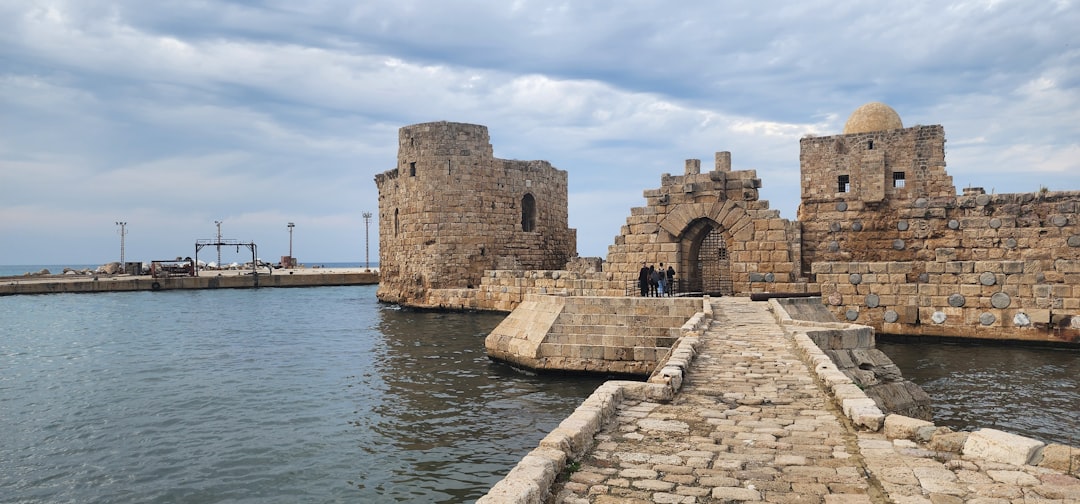
STOP: Why They Erased 50 Impossible Inventions From Your Textbooks
FAQs
What are suppressed archaeological sites?
Suppressed archaeological sites refer to locations where evidence of past human activity has been deliberately hidden, ignored, or underreported by authorities, researchers, or governments for various reasons.
Why would archaeological sites be suppressed?
Sites may be suppressed due to political, religious, or cultural sensitivities, concerns over national security, fear of disrupting current social narratives, or to protect valuable artifacts from looting and exploitation.
How do researchers discover suppressed sites?
Researchers use a combination of remote sensing technologies, historical records, local oral histories, and sometimes whistleblower information to identify and investigate sites that have been overlooked or intentionally concealed.
What impact does suppression have on our understanding of history?
Suppressing archaeological sites can lead to incomplete or biased historical narratives, hinder scientific progress, and prevent societies from fully understanding their cultural heritage and ancestral histories.
Are there efforts to prevent the suppression of archaeological findings?
Yes, international organizations, academic institutions, and advocacy groups work to promote transparency, protect cultural heritage, and encourage the ethical reporting and preservation of archaeological discoveries worldwide.