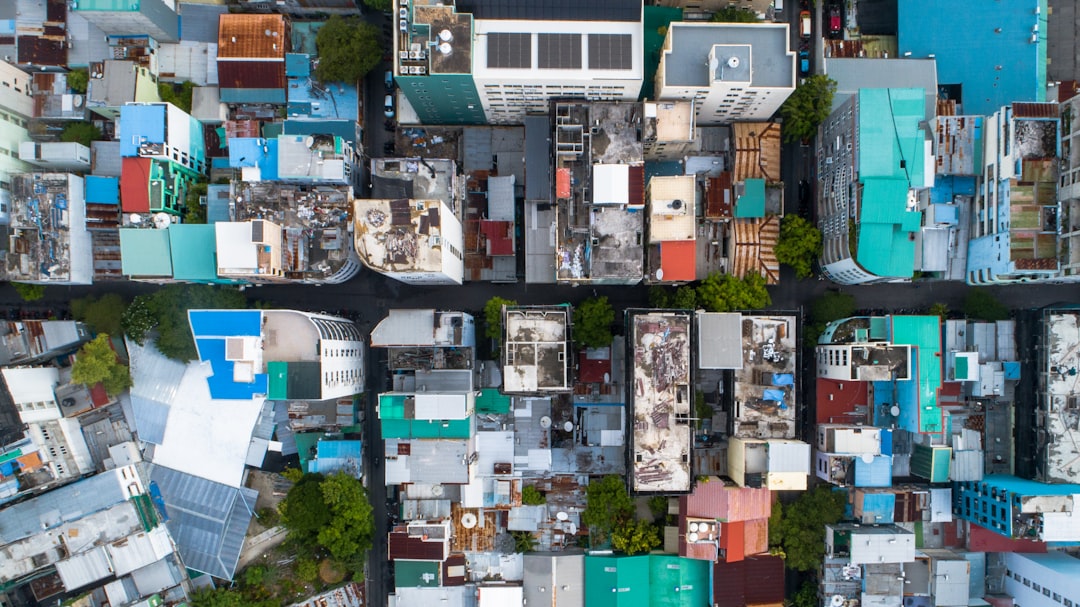
The Australian housing crisis has emerged as a pressing issue that affects millions of citizens across the nation. Over the past few decades, the cost of housing has skyrocketed, leaving many individuals and families struggling to find affordable accommodation. This crisis is not merely a matter of rising prices; it encompasses a complex web of social, economic, and political factors that have contributed to the current state of the housing market.
As urban areas become increasingly populated, the demand for housing continues to outstrip supply, leading to a situation where homeownership seems like an unattainable dream for many.
It has led to increased rates of homelessness, a rise in housing insecurity, and significant stress on low- and middle-income families.
The Australian dream of owning a home is fading for many, replaced by a harsh reality where renting becomes the only viable option. As the government and various stakeholders grapple with this multifaceted issue, it is crucial to understand the underlying causes and explore potential solutions that can alleviate the burden on those most affected.
Key Takeaways
- The Australian housing crisis is a complex issue that has led to housing affordability challenges for many individuals and families.
- Causes of the housing crisis include factors such as population growth, limited housing supply, and increasing demand for housing in urban areas.
- Government intervention and policy changes are crucial in addressing the housing crisis, including initiatives to increase affordable housing options and support first home buyers.
- Collaboration with the private sector is essential in developing sustainable and affordable housing solutions to meet the growing demand.
- Addressing housing affordability in regional areas is an important aspect of the housing crisis, requiring targeted initiatives and support from government and community organizations.
Understanding the Causes of the Housing Crisis
Several factors contribute to the Australian housing crisis, each interlinked and compounding the problem. One of the primary drivers is the rapid increase in property prices, which has outpaced wage growth for many years. As housing becomes more expensive, potential buyers find themselves priced out of the market, leading to a growing divide between those who can afford to purchase homes and those who cannot.
This disparity is particularly pronounced in major cities like Sydney and Melbourne, where property values have soared to astronomical levels. Another significant factor is the limited supply of new housing developments. Zoning laws, regulatory hurdles, and community opposition often hinder the construction of new homes, exacerbating the shortage.
Additionally, investment in residential properties has surged, with many investors purchasing multiple properties as a means of wealth accumulation. This trend further drives up prices and reduces availability for first-time buyers and low-income families. The combination of these elements creates a perfect storm that perpetuates the housing crisis in Australia.
Government Intervention and Policy Changes
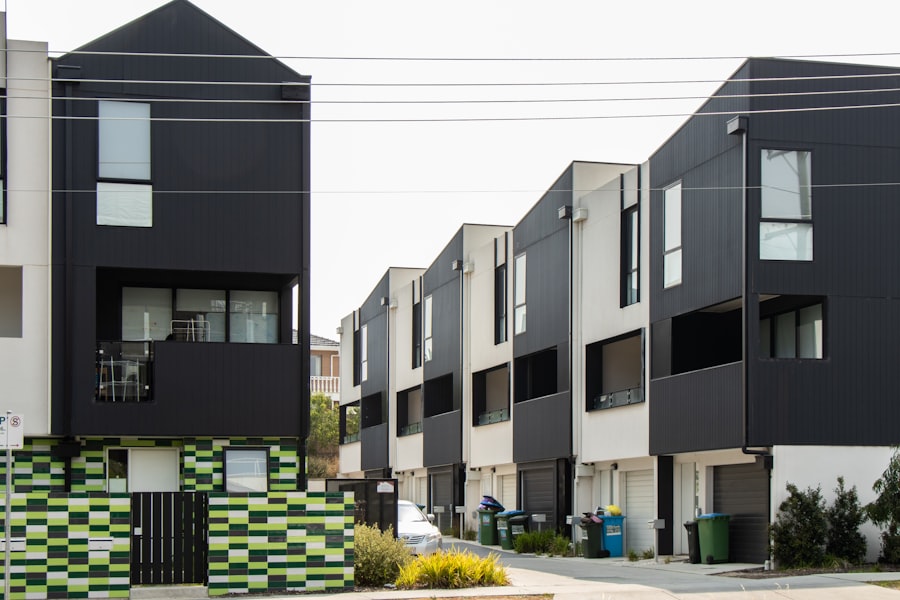
In response to the escalating housing crisis, various levels of government have implemented a range of interventions and policy changes aimed at addressing the issue. These measures have included adjustments to taxation policies, such as changes to negative gearing and capital gains tax exemptions for property investors. By modifying these incentives, policymakers hope to level the playing field for first-time buyers and reduce speculative investment in the housing market.
Moreover, governments have also sought to increase funding for social housing projects and affordable housing initiatives. By allocating resources towards these programs, they aim to provide more options for low-income families and individuals facing housing insecurity. However, critics argue that these measures often fall short of addressing the root causes of the crisis and call for more comprehensive reforms that tackle both supply and demand issues in the housing market.
Affordable Housing Initiatives
| Initiative | Location | Number of Units | Target Population |
|---|---|---|---|
| Rental Assistance Program | City A | 200 | Low-income families |
| First-time Homebuyer Program | County B | 50 | First-time homebuyers |
| Transitional Housing Initiative | City C | 75 | Homeless individuals |
Affordable housing initiatives have become a focal point in discussions surrounding the Australian housing crisis. These programs aim to provide low- and moderate-income households with access to safe and stable housing at prices they can afford. Various models exist, including community housing organizations that offer subsidized rents and government-backed schemes that assist with home purchases.
One notable initiative is the National Housing Finance and Investment Corporation (NHFIC), which was established to support affordable housing projects through financing options. By providing low-interest loans to developers committed to building affordable units, NHFIC aims to stimulate the construction of new homes that cater to those in need. Such initiatives are crucial in bridging the gap between supply and demand while ensuring that vulnerable populations are not left behind in an increasingly competitive market.
Increasing Supply of Housing
To effectively combat the housing crisis, increasing the supply of housing is essential. This can be achieved through various strategies, including streamlining planning processes and reducing bureaucratic red tape that often delays construction projects. By making it easier for developers to navigate zoning laws and obtain necessary permits, governments can encourage more residential developments to come online.
Additionally, innovative approaches such as modular construction and repurposing existing buildings can help boost supply without requiring extensive new land development. These methods not only expedite the building process but also promote sustainability by utilizing existing resources more efficiently. As supply increases, it is hoped that property prices will stabilize or even decrease, making homeownership more attainable for a broader segment of the population.
Addressing Homelessness and Housing Insecurity

The impact of the housing crisis extends beyond affordability; it also manifests in rising rates of homelessness and housing insecurity. Many individuals find themselves living in precarious situations, whether due to financial instability or lack of available affordable options. Addressing these issues requires a multifaceted approach that includes not only providing immediate shelter but also long-term solutions that promote stability.
Programs aimed at preventing homelessness are critical in this regard. Initiatives that offer rental assistance, mental health support, and job training can help individuals regain their footing and secure stable housing. Furthermore, collaboration between government agencies, non-profit organizations, and community groups is essential in creating a comprehensive support network for those at risk of homelessness.
Supporting First Home Buyers
First home buyers represent a significant demographic affected by the housing crisis. With rising prices making it increasingly difficult for young people and families to enter the property market, targeted support measures are necessary to facilitate homeownership. Various government schemes have been introduced to assist first-time buyers, including grants, shared equity programs, and low-deposit loans.
These initiatives aim to reduce the financial burden on first home buyers by providing them with additional resources or favorable lending conditions. However, while such measures can help some individuals achieve their dream of homeownership, they must be coupled with broader strategies that address systemic issues within the housing market. Without addressing supply constraints and price inflation, these support measures may only serve as temporary relief rather than long-term solutions.
Encouraging Sustainable and Affordable Housing Development
As Australia grapples with its housing crisis, there is an increasing emphasis on sustainable development practices that prioritize both affordability and environmental responsibility. Sustainable housing initiatives focus on creating energy-efficient homes that reduce utility costs for residents while minimizing their ecological footprint. This approach not only benefits homeowners but also contributes to broader efforts aimed at combating climate change.
Governments can incentivize sustainable development through grants or tax breaks for builders who incorporate eco-friendly materials and technologies into their projects. Additionally, promoting mixed-use developments that combine residential units with commercial spaces can create vibrant communities while maximizing land use efficiency. By prioritizing sustainability in housing development, Australia can work towards a future where affordable living does not come at the expense of environmental health.
Collaboration with the Private Sector
Addressing the Australian housing crisis requires collaboration between public entities and private sector stakeholders. Developers play a crucial role in increasing supply and creating affordable options; therefore, fostering partnerships between government agencies and private companies is essential for effective solutions. Public-private partnerships can facilitate innovative projects that leverage resources from both sectors to address pressing housing needs.
Moreover, engaging private investors in affordable housing initiatives can help attract much-needed capital into the sector. By offering incentives such as tax breaks or favorable financing terms for projects that prioritize affordability, governments can encourage private investment in developments that serve low- and moderate-income households. This collaborative approach not only enhances resource allocation but also fosters a sense of shared responsibility among all stakeholders involved in tackling the housing crisis.
Addressing Housing Affordability in Regional Areas
While much attention has been focused on urban centers like Sydney and Melbourne, regional areas in Australia also face significant challenges related to housing affordability. Many rural communities experience a shortage of available homes due to limited development opportunities and declining populations. As people migrate towards cities in search of better job prospects, regional areas often struggle to attract new residents while simultaneously addressing existing housing needs.
To combat this issue, targeted policies aimed at revitalizing regional communities are essential. Incentives for developers to build affordable housing in these areas can help stimulate local economies while providing residents with viable living options. Additionally, promoting remote work opportunities can encourage individuals to consider relocating to regional areas where they can enjoy a lower cost of living without sacrificing quality employment.
The Role of Community and Non-Profit Organizations
Community organizations and non-profits play a vital role in addressing the Australian housing crisis by providing support services and advocating for policy changes that benefit vulnerable populations. These organizations often work directly with individuals experiencing homelessness or housing insecurity, offering resources such as emergency shelter, counseling services, and financial assistance. Furthermore, non-profits can serve as advocates for systemic change by raising awareness about housing issues within their communities and lobbying for policies that promote affordable housing development.
Their grassroots efforts are essential in amplifying the voices of those most affected by the crisis while fostering community engagement around solutions that prioritize equity and accessibility in housing. In conclusion, the Australian housing crisis is a complex issue requiring multifaceted solutions that address both immediate needs and long-term sustainability. By understanding its causes and implementing targeted interventions across various sectors—governmental policies, private sector collaboration, community engagement—Australia can work towards creating a more equitable housing landscape where all citizens have access to safe and affordable homes.
To gain further insights into potential solutions for the Australian housing crisis, you may find it helpful to read a related article that discusses innovative approaches and policy recommendations. For more information, check out this article on the topic: How to Fix the Australian Housing Crisis. This resource provides valuable perspectives that could contribute to a deeper understanding of the challenges and opportunities within the housing market.
WATCH THIS! Why Australia’s Middle Class Is Disappearing
FAQs
What is the Australian housing crisis?
The Australian housing crisis refers to the shortage of affordable housing options for both renters and potential homebuyers in Australia. This crisis has led to rising homelessness, increased housing stress, and a lack of suitable housing options for many Australians.
What are the causes of the Australian housing crisis?
The Australian housing crisis has been caused by a combination of factors, including population growth, limited housing supply, high demand in major cities, low wage growth, and speculative investment in the housing market. Additionally, government policies and regulations have also contributed to the crisis.
How does the Australian housing crisis affect the population?
The Australian housing crisis has significant impacts on the population, including increased homelessness, housing stress, financial strain, and limited access to suitable and affordable housing options. This crisis also exacerbates social and economic inequality within the population.
What are some proposed solutions to fix the Australian housing crisis?
Proposed solutions to fix the Australian housing crisis include increasing the supply of affordable housing, implementing policies to address housing affordability, improving rental regulations, providing support for first-time homebuyers, and addressing issues related to housing speculation and investment.
What role does the government play in addressing the Australian housing crisis?
The government plays a crucial role in addressing the Australian housing crisis through the implementation of housing policies, regulations, and initiatives aimed at increasing affordable housing supply, improving housing affordability, and addressing homelessness. Additionally, government intervention is necessary to regulate the housing market and curb speculative investment.