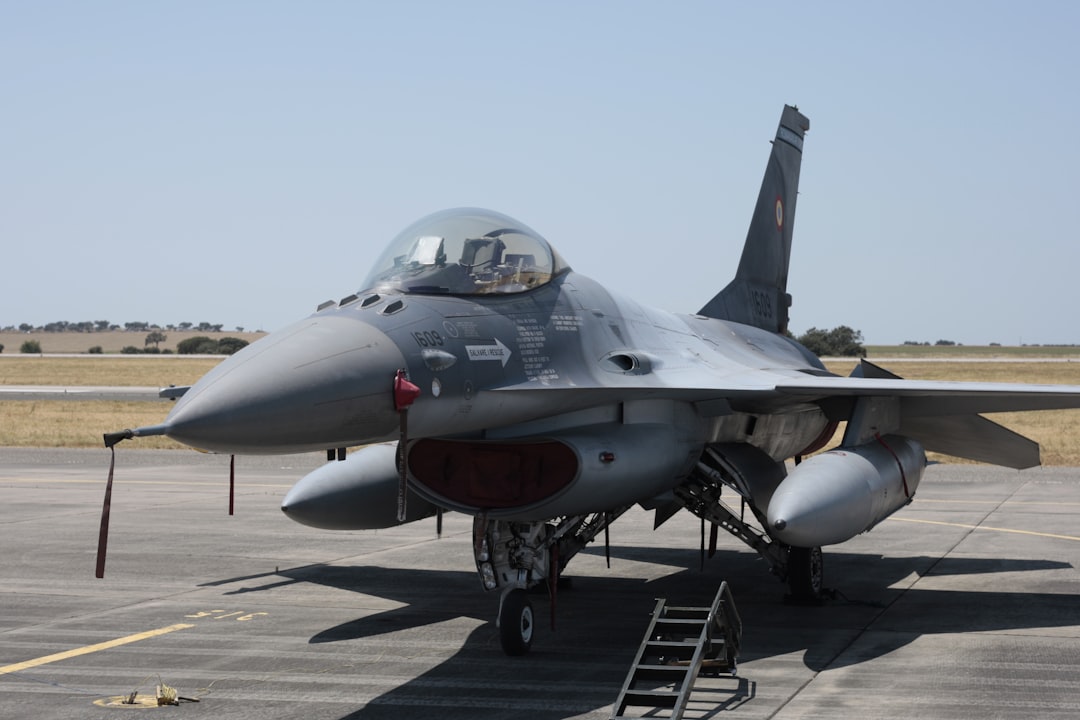
Defense energy technology has become a fundamental element of national security infrastructure as military forces face increasingly complex operational demands. This field encompasses innovations in power generation, energy storage, distribution systems, and efficiency technologies specifically designed for military applications. These technologies must operate reliably across diverse environments, from arctic conditions to desert climates, while meeting the stringent requirements of combat operations.
Modern military operations require substantial energy resources to power advanced equipment including communication systems, surveillance technology, unmanned vehicles, and electronic warfare capabilities. Traditional fuel supply chains present vulnerabilities in contested environments, driving the development of alternative energy solutions. Solar panels, wind generators, fuel cells, and advanced battery systems are being integrated into military infrastructure to reduce dependence on conventional fuel logistics and improve operational sustainability.
Energy storage represents a critical component of defense energy systems, with lithium-ion batteries, solid-state batteries, and emerging technologies providing portable power for personnel equipment and vehicle systems. These storage solutions must deliver high energy density while maintaining performance under extreme conditions and potential electromagnetic interference. Additionally, smart grid technologies and microgrids enable military installations to optimize energy distribution and maintain power during disruptions to civilian electrical infrastructure.
The strategic importance of defense energy technology extends beyond operational efficiency to encompass force protection and mission success. Reliable energy systems reduce the logistical footprint of military operations, decrease vulnerability to supply line attacks, and enable sustained operations in remote locations. Research and development in this sector continues to focus on improving energy density, reducing weight, enhancing durability, and developing technologies that can function effectively in contested electromagnetic environments.
Key Takeaways
- Advanced defense energy technology plays a critical role in enhancing national security through innovative and classified developments.
- Classified innovations drive cutting-edge research, leading to top secret technologies that provide strategic advantages.
- Implementing advanced defense energy solutions faces challenges including technical limitations and security concerns.
- Collaboration between government, industry, and research institutions is essential for advancing defense energy technologies.
- Ethical considerations and strict security measures are vital to managing the risks associated with classified defense energy innovations.
The Importance of Classified Innovations in Defense Energy
Classified innovations in defense energy play a pivotal role in maintaining a strategic advantage over potential adversaries. These innovations often involve cutting-edge research that is shielded from public scrutiny, allowing for the development of technologies that can significantly enhance military capabilities. By keeping certain advancements classified, nations can prevent rival states from gaining insights into their technological prowess, thereby safeguarding their operational advantages.
This secrecy is not merely a matter of national pride; it is a fundamental aspect of ensuring that military forces remain one step ahead in an increasingly competitive global landscape. Moreover, classified innovations often lead to breakthroughs that can redefine the parameters of warfare. For instance, advancements in energy storage technologies can enable longer missions for unmanned aerial vehicles (UAVs), while improvements in energy efficiency can reduce logistical burdens on troops deployed in remote areas.
The ability to harness and deploy energy effectively can be a game-changer in combat scenarios, allowing forces to operate with greater autonomy and flexibility. As such, the importance of classified innovations cannot be overstated; they are essential for developing the next generation of military capabilities that will shape the future of defense operations.
Cutting-Edge Research and Development in Defense Energy Technology
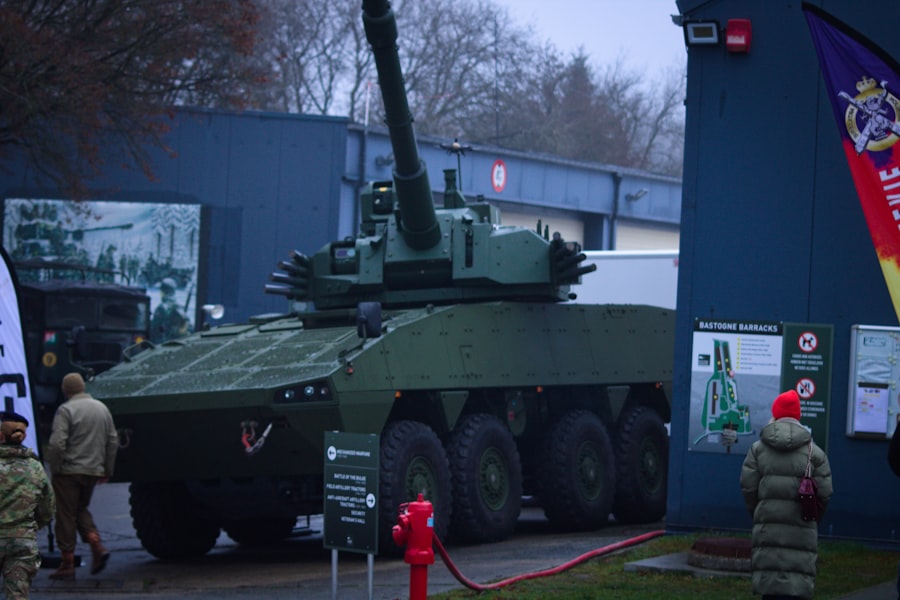
The landscape of defense energy technology is characterized by ongoing research and development efforts aimed at pushing the boundaries of what is possible. Institutions, both governmental and private, are investing heavily in exploring new materials, systems, and processes that can revolutionize how energy is generated, stored, and utilized within military contexts. This cutting-edge research often involves interdisciplinary collaboration, bringing together experts from fields such as engineering, materials science, and environmental studies to create holistic solutions that address complex challenges.
One area of significant focus is the development of advanced battery technologies that can provide higher energy densities while remaining lightweight and durable. These batteries are crucial for powering a range of military applications, from portable electronic devices to electric vehicles. Additionally, research into alternative energy sources, such as solar power and biofuels, is gaining traction as militaries seek to reduce their reliance on traditional fossil fuels.
By investing in these innovative technologies, defense organizations aim to create a more sustainable and efficient energy ecosystem that can support their operations while minimizing environmental impacts.
Top Secret Technologies in Defense Energy
Within the realm of defense energy technology, certain advancements remain shrouded in secrecy due to their potential implications for national security. These top-secret technologies often represent the cutting edge of innovation, developed through classified programs that prioritize operational effectiveness over public disclosure. Examples may include advanced propulsion systems for naval vessels or next-generation energy weapons designed to incapacitate enemy systems without traditional munitions.
The development of such technologies is typically conducted under stringent security protocols to prevent unauthorized access or espionage. This secrecy not only protects sensitive information but also allows for experimentation and iteration without external pressures. The result is a suite of capabilities that can provide significant advantages on the battlefield, enabling forces to execute missions with enhanced precision and effectiveness.
As nations continue to invest in these top-secret technologies, the race for dominance in defense energy will likely intensify.
Advantages and Benefits of Classified Innovations in Defense Energy
| Metric | Description | Value | Unit | Classification Level |
|---|---|---|---|---|
| Energy Output | Maximum power generated by the defense technology system | 500 | MW | Top Secret |
| Operational Efficiency | Ratio of useful energy output to total energy input | 85 | % | Secret |
| Fuel Consumption Rate | Amount of fuel consumed per hour during operation | 120 | kg/hr | Confidential |
| Energy Storage Capacity | Maximum energy that can be stored for defense applications | 2000 | kWh | Secret |
| System Uptime | Percentage of time the system is operational without failure | 99.7 | % | Top Secret |
The advantages of classified innovations in defense energy extend beyond mere technological superiority; they encompass strategic benefits that can influence the outcomes of conflicts. One primary advantage is the ability to maintain operational security. By developing technologies that are not publicly known, military forces can execute missions with a level of unpredictability that complicates adversaries’ planning efforts.
This element of surprise can be crucial in achieving tactical objectives and maintaining an upper hand during engagements. Additionally, classified innovations often lead to cost savings over time. While initial investments in research and development may be substantial, the long-term benefits of improved efficiency and reduced logistical burdens can result in significant financial savings for defense organizations.
For instance, advancements in energy efficiency can lower fuel consumption rates for military vehicles, translating into reduced operational costs and less reliance on supply chains vulnerable to disruption. Ultimately, these innovations contribute to a more agile and responsive military force capable of adapting to evolving threats.
Challenges and Limitations in Implementing Advanced Defense Energy Technology
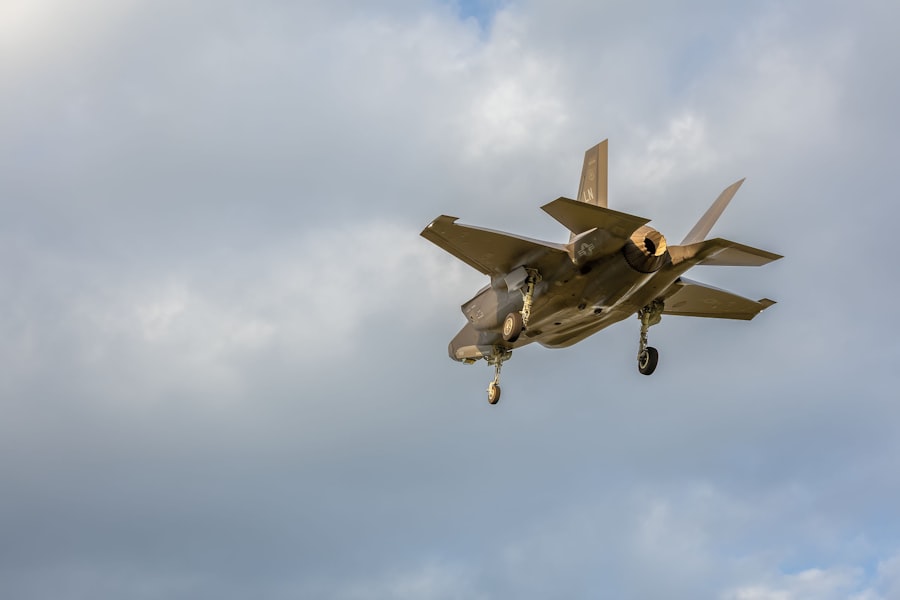
Despite the numerous advantages associated with advanced defense energy technology, challenges persist in its implementation. One significant hurdle is the integration of new technologies into existing military frameworks. Armed forces often operate within established systems and protocols that may not readily accommodate innovative solutions.
This resistance to change can slow down the adoption of advanced technologies, hindering their potential impact on operational effectiveness. Furthermore, funding constraints can pose limitations on research and development efforts. While governments recognize the importance of investing in defense energy technology, budgetary pressures may lead to prioritization challenges.
As a result, promising projects may face delays or reductions in scope, preventing them from reaching their full potential. Additionally, the rapid pace of technological advancement means that what is cutting-edge today may quickly become obsolete tomorrow, necessitating continuous investment and adaptation.
Future Implications and Potential of Classified Innovations in Defense Energy
Looking ahead, the future implications of classified innovations in defense energy are profound. As geopolitical tensions continue to rise and new threats emerge, nations will increasingly rely on advanced technologies to secure their interests. The potential for breakthroughs in areas such as artificial intelligence (AI) integration with energy systems could lead to unprecedented levels of efficiency and effectiveness in military operations.
For instance, AI could optimize energy consumption patterns across various platforms, ensuring that resources are allocated where they are needed most. Moreover, as climate change becomes an ever-pressing concern, the development of sustainable defense energy solutions will be paramount. Innovations that reduce carbon footprints while maintaining operational readiness will not only enhance military capabilities but also align with broader global sustainability goals.
The intersection of national security and environmental responsibility will shape future defense strategies, making classified innovations in this area increasingly relevant.
Collaboration and Partnerships in Advancing Defense Energy Technology
Collaboration plays a crucial role in advancing defense energy technology.
These partnerships facilitate knowledge exchange and foster an environment where groundbreaking ideas can flourish.
By pooling resources and talent from diverse sectors, stakeholders can accelerate the development of advanced technologies that meet the unique demands of military operations. International collaboration also holds significant promise for advancing defense energy technology. Joint research initiatives between allied nations can lead to shared advancements that enhance collective security efforts.
By working together on classified projects, countries can develop interoperable systems that strengthen alliances while ensuring that each partner benefits from shared knowledge and capabilities. Such collaborations not only enhance technological prowess but also build trust among nations facing common threats.
Ethical and Security Considerations in Classified Innovations
The pursuit of classified innovations in defense energy raises important ethical and security considerations that must be addressed thoughtfully. The secrecy surrounding these technologies can lead to concerns about accountability and oversight. As nations develop advanced capabilities that could potentially alter the nature of warfare, it becomes imperative to establish frameworks that govern their use responsibly.
Ensuring that ethical standards guide research and deployment decisions is essential for maintaining public trust and preventing misuse. Security considerations also extend beyond protecting sensitive information; they encompass the potential consequences of deploying advanced technologies on the battlefield.
As militaries explore these innovations, they must grapple with the implications for international humanitarian law and the ethical treatment of combatants and civilians alike.
Case Studies and Examples of Successful Classified Innovations in Defense Energy
Several case studies illustrate the successful application of classified innovations in defense energy technology. One notable example is the development of advanced microgrid systems designed for military bases operating in remote locations. These microgrids integrate renewable energy sources with traditional power generation methods to create resilient energy networks capable of supporting critical operations without relying solely on external supply chains.
Another example involves breakthroughs in directed energy weapons (DEWs), which utilize concentrated electromagnetic energy to disable or destroy targets without traditional munitions. These systems represent a significant leap forward in military capabilities, offering precision strikes with minimal collateral damage. The classified nature of DEW research has allowed for rapid advancements while maintaining operational security, showcasing how innovative technologies can reshape modern warfare.
The Role of Advanced Defense Energy Technology in National Security
In conclusion, advanced defense energy technology stands at the forefront of national security strategies as nations navigate an increasingly complex global landscape. The importance of classified innovations cannot be overstated; they provide critical advantages that enhance military capabilities while safeguarding sensitive information from adversaries. As research and development efforts continue to push boundaries, collaboration among governments, industries, and academic institutions will be essential for driving progress forward.
The future implications of these technologies are vast, offering opportunities for sustainable solutions that align with broader societal goals while ensuring operational readiness. However, ethical considerations must guide their development and deployment to maintain accountability and public trust. Ultimately, advanced defense energy technology will play a pivotal role in shaping the future of warfare and national security strategies worldwide.
In recent discussions surrounding classified defense technology, the implications of energy advancements have become increasingly significant. A related article that delves into the intersection of energy innovation and defense applications can be found at