Rogue waves, also known as “freak waves,” are large and unpredictable ocean waves that present significant hazards to ships and coastal structures. These waves can exceed heights of 30 meters and have the capacity to damage or sink large vessels. Scientists and maritime professionals have long studied rogue waves because their sudden occurrence contradicts conventional wave behavior models.
Understanding rogue waves is essential for improving maritime safety and developing appropriate risk management protocols. Interest in rogue waves has increased in recent years, partly due to concerns that climate change and altered ocean conditions may affect their frequency and severity. With global shipping volumes increasing, the ability to predict and understand rogue waves has become increasingly important.
Researchers are working to understand the mechanisms behind these waves and create predictive models that can alert maritime operators to potential dangers. This article examines current obstacles in rogue wave prediction, historical research methods, technological developments, and future research priorities in this field.
Key Takeaways
- Rogue waves remain difficult to predict due to their sudden and rare nature.
- Advances in data collection and AI have significantly improved prediction capabilities.
- Satellite technology and real-time monitoring systems enhance early detection efforts.
- Collaboration between scientists and industry is crucial for practical safety applications.
- Ongoing research focuses on better understanding wave formation and improving risk management.
Current Challenges in Rogue Wave Prediction
Despite significant advancements in oceanography and meteorology, predicting rogue waves remains a formidable challenge. One of the primary difficulties lies in the inherent unpredictability of these waves. Unlike regular ocean waves, which can be forecasted with a degree of accuracy based on wind patterns and other meteorological data, rogue waves often arise from complex interactions between various oceanic factors.
Moreover, the lack of comprehensive data on rogue waves further complicates prediction efforts. Many rogue waves occur in remote areas where monitoring equipment is sparse, leading to gaps in understanding their formation and behavior.
The sporadic nature of these events means that researchers often rely on anecdotal evidence or isolated case studies, which do not provide a complete picture. As a result, the scientific community continues to grapple with the challenge of developing reliable predictive models that can account for the myriad factors contributing to rogue wave formation. The treacherous waters of the Drake Passage are known for their unpredictable weather and challenging navigation.
Historical Approaches to Rogue Wave Prediction
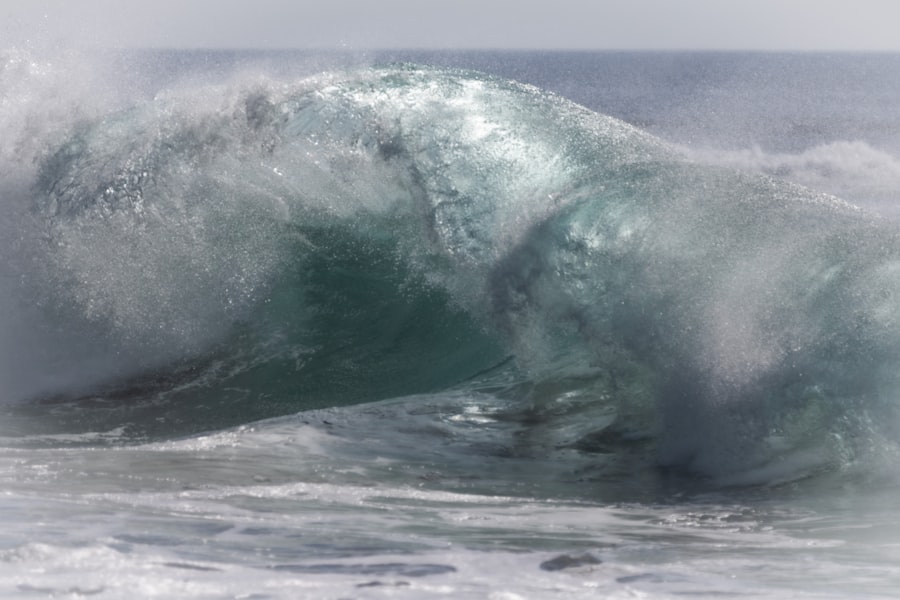
Historically, the study of rogue waves has evolved from anecdotal observations to more systematic scientific inquiry. Early sailors often recounted tales of monstrous waves that appeared seemingly out of nowhere, but it wasn’t until the late 20th century that researchers began to take these accounts seriously.
These early models laid the groundwork for understanding the conditions under which rogue waves might form. As technology advanced, so too did the methods used to study rogue waves. The introduction of satellite imagery and buoys equipped with advanced sensors allowed for more detailed observations of ocean conditions.
Researchers began to analyze wave data in conjunction with meteorological information, leading to improved models that could predict wave heights with greater accuracy. However, despite these advancements, the unpredictable nature of rogue waves continued to pose challenges, necessitating ongoing research and refinement of predictive techniques.
Advancements in Data Collection and Analysis
In recent years, advancements in data collection have significantly enhanced the understanding of rogue waves. The proliferation of remote sensing technologies, such as satellites and autonomous underwater vehicles (AUVs), has enabled researchers to gather vast amounts of data on ocean conditions. These technologies provide real-time information on wave heights, wind speeds, and ocean currents, allowing for a more comprehensive analysis of factors contributing to rogue wave formation.
Additionally, the integration of big data analytics has transformed how researchers process and interpret this information. By employing sophisticated algorithms and machine learning techniques, scientists can identify patterns and correlations within large datasets that were previously undetectable. This analytical power not only aids in understanding past rogue wave events but also enhances predictive capabilities for future occurrences.
As data collection methods continue to evolve, they hold the potential to revolutionize the field of rogue wave research.
Integration of Artificial Intelligence in Prediction Systems
| Metric | Description | Typical Value / Range | Unit | Relevance to Rogue Wave Prediction |
|---|---|---|---|---|
| Wave Height Threshold | Minimum wave height considered as rogue wave | 15 – 25 | meters | Defines the critical wave height for alert generation |
| Prediction Lead Time | Time in advance the system can predict rogue waves | 5 – 30 | minutes | Determines how early warnings can be issued |
| False Alarm Rate | Percentage of false positive rogue wave alerts | 5 – 15 | % | Indicates reliability and accuracy of the system |
| Detection Accuracy | Percentage of correctly identified rogue waves | 80 – 95 | % | Measures effectiveness of prediction algorithms |
| Sensor Types | Types of sensors used for data collection | Radar, Lidar, Buoys, Satellite | N/A | Sources of real-time ocean wave data |
| Data Update Frequency | How often the system updates wave data | 1 – 10 | minutes | Impacts timeliness of predictions |
| Computational Model | Type of model used for prediction | Machine Learning, Statistical, Physical | N/A | Determines prediction methodology |
| Geographical Coverage | Area monitored by the prediction system | Regional to Global | N/A | Scope of rogue wave detection |
The integration of artificial intelligence (AI) into rogue wave prediction systems represents a significant leap forward in maritime safety. AI algorithms can analyze complex datasets far more efficiently than traditional methods, enabling researchers to develop predictive models that account for a multitude of variables simultaneously. Machine learning techniques allow these systems to learn from historical data, improving their accuracy over time as they adapt to new information.
Moreover, AI can facilitate real-time predictions by continuously processing incoming data from various sources, including satellites and buoys. This capability allows for timely alerts to be issued to vessels operating in high-risk areas, potentially saving lives and preventing disasters at sea. As AI technology continues to advance, its application in rogue wave prediction is likely to become increasingly sophisticated, offering new avenues for enhancing maritime safety.
Improved Understanding of Rogue Wave Formation
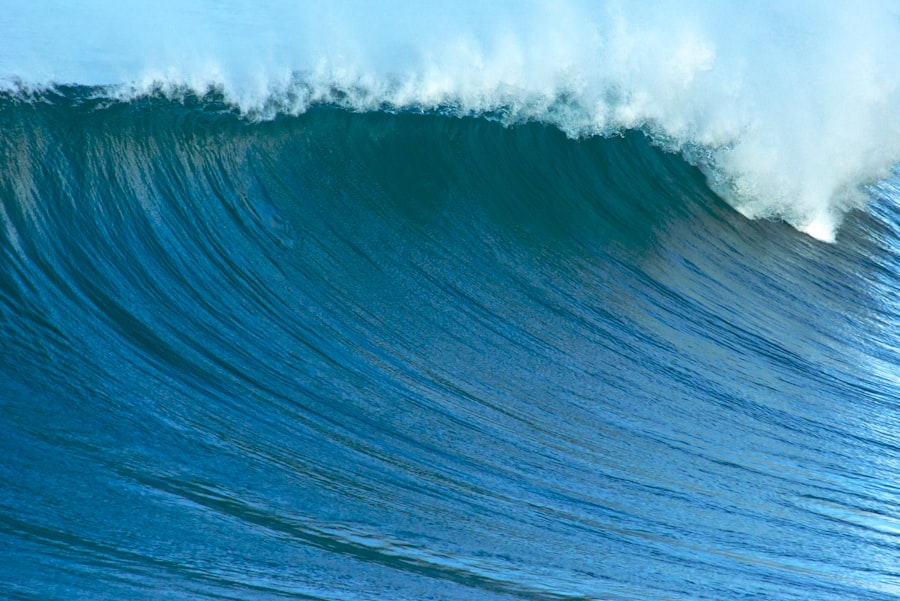
Recent research has led to a deeper understanding of the mechanisms behind rogue wave formation. Scientists have identified several key factors that contribute to the emergence of these massive waves, including nonlinear wave interactions, ocean currents, and wind patterns. By studying these interactions in detail, researchers have begun to develop more accurate models that can predict when and where rogue waves are likely to occur.
One significant breakthrough has been the recognition that rogue waves often form in specific oceanic conditions known as “focusing.” This phenomenon occurs when multiple smaller waves converge and amplify each other due to constructive interference. Understanding this process has allowed researchers to refine their predictive models further, providing valuable insights into the conditions that give rise to rogue waves. As knowledge in this area continues to expand, it holds promise for improving prediction accuracy and enhancing safety measures for those navigating treacherous waters.
Utilization of Satellite Technology for Early Detection
Satellite technology has emerged as a crucial tool in the early detection of rogue waves. With the ability to capture high-resolution images of ocean surface conditions from space, satellites provide invaluable data that can inform predictive models. These images allow researchers to monitor wave patterns over vast areas, identifying potential hotspots where rogue waves are likely to form.
Furthermore, advancements in satellite radar technology have enabled scientists to measure wave heights with unprecedented precision. This capability allows for real-time monitoring of ocean conditions, providing critical information that can be used to issue warnings to vessels operating in affected areas. As satellite technology continues to improve, its role in early detection and prediction of rogue waves is expected to grow, enhancing maritime safety on a global scale.
Development of Real-time Monitoring and Alert Systems
The development of real-time monitoring and alert systems represents a significant advancement in the field of rogue wave prediction. These systems leverage data from various sources, including satellites, buoys, and weather stations, to provide continuous updates on ocean conditions. By integrating this information into predictive models, researchers can generate timely alerts for vessels operating in high-risk areas.
Such systems not only enhance situational awareness for mariners but also enable proactive risk management strategies. For instance, shipping companies can adjust routes or schedules based on real-time data, minimizing exposure to potential rogue wave events. As these monitoring systems become more widespread and sophisticated, they hold the potential to significantly reduce the risks associated with rogue waves and improve overall maritime safety.
Collaboration between Researchers and Industry Experts
Collaboration between researchers and industry experts is essential for advancing rogue wave prediction efforts. By bringing together academic knowledge and practical experience from the maritime industry, stakeholders can develop more effective predictive models and risk management strategies. This collaboration fosters an environment where innovative ideas can flourish and leads to the sharing of valuable insights that benefit both research and industry practices.
Joint initiatives between universities, research institutions, and maritime companies have already yielded promising results. For example, partnerships have facilitated the development of advanced monitoring systems that incorporate cutting-edge research findings into practical applications for mariners. As collaboration continues to grow within this field, it is likely that new breakthroughs will emerge, further enhancing the understanding and prediction of rogue waves.
Implications for Maritime Safety and Risk Management
The implications of improved rogue wave prediction for maritime safety are profound. Enhanced predictive capabilities can lead to more informed decision-making by ship operators, ultimately reducing the risk of accidents at sea. By providing timely alerts about potential rogue wave events, vessels can take precautionary measures such as altering course or adjusting speed to mitigate risks.
Moreover, improved understanding of rogue waves contributes to better risk management strategies within the maritime industry. Shipping companies can implement training programs for crew members focused on recognizing signs of potential rogue wave activity and responding effectively during emergencies. As predictive technologies continue to evolve, they will play an increasingly vital role in safeguarding lives and assets at sea.
Future Directions in Rogue Wave Prediction Research
Looking ahead, future directions in rogue wave prediction research are likely to focus on several key areas. Continued advancements in data collection technologies will enhance the quality and quantity of information available for analysis. Researchers will likely explore new methodologies for integrating diverse datasets into cohesive predictive models that account for a wide range of variables influencing rogue wave formation.
Additionally, as artificial intelligence continues to evolve, its application in predicting complex oceanic phenomena will expand further. Researchers may investigate novel machine learning techniques that improve model accuracy while reducing computational costs. Furthermore, interdisciplinary collaboration will remain crucial as scientists work alongside industry experts to translate research findings into practical applications that enhance maritime safety.
In conclusion, while significant challenges remain in predicting rogue waves accurately, ongoing research efforts are paving the way for improved understanding and forecasting capabilities. The integration of advanced technologies such as AI and satellite monitoring holds great promise for enhancing maritime safety and risk management strategies in the face of these formidable oceanic phenomena. As researchers continue their quest to unravel the mysteries surrounding rogue waves, the future looks bright for those navigating the world’s oceans.
Rogue wave prediction systems are crucial for enhancing maritime safety and understanding ocean dynamics. For further insights into the implications of advanced prediction technologies, you can explore a related article on the topic at Real Lore and Order. This resource delves into the latest advancements in oceanographic research and their potential impact on navigation and coastal management.
WATCH THIS! 🚢 The Red Sea is burning. Panama is drying up. And the Drake Passage
FAQs
What is a rogue wave?
A rogue wave is an unusually large and unexpected ocean wave that can be extremely dangerous to ships and offshore structures. These waves are significantly higher than the surrounding waves and can appear suddenly.
Why is predicting rogue waves important?
Predicting rogue waves is crucial for maritime safety. Early warnings can help ships and offshore platforms take precautionary measures to avoid damage, accidents, or loss of life caused by these powerful waves.
How do rogue wave prediction systems work?
Rogue wave prediction systems use a combination of oceanographic data, weather forecasts, wave modeling, and sometimes real-time monitoring from buoys or satellites. Advanced algorithms analyze this data to identify conditions that may lead to the formation of rogue waves.
What technologies are used in rogue wave prediction?
Technologies include satellite remote sensing, wave radar, ocean buoys equipped with wave sensors, numerical wave models, and machine learning algorithms that process large datasets to improve prediction accuracy.
Are rogue wave prediction systems reliable?
While prediction systems have improved significantly, rogue waves remain challenging to predict with high precision due to their sudden and complex nature. Current systems provide probabilistic forecasts and warnings rather than exact predictions.
Who uses rogue wave prediction systems?
Maritime industries, including shipping companies, offshore oil and gas operations, naval forces, and coastal management agencies, use rogue wave prediction systems to enhance safety and operational planning.
Can rogue wave prediction systems prevent accidents?
These systems cannot prevent rogue waves but can provide early warnings that allow vessels and platforms to take safety measures, such as altering course or securing equipment, thereby reducing the risk of accidents.
What are the challenges in developing rogue wave prediction systems?
Challenges include the rarity and unpredictability of rogue waves, limited observational data, the complexity of ocean dynamics, and the need for high-resolution models and real-time data integration.
Are there any international efforts to improve rogue wave prediction?
Yes, various international research collaborations and organizations work together to improve understanding and prediction of rogue waves through data sharing, joint research projects, and development of standardized prediction tools.
Where can I find more information about rogue wave prediction systems?
More information can be found through scientific journals on oceanography, maritime safety organizations, research institutions specializing in marine sciences, and government agencies involved in ocean monitoring and forecasting.