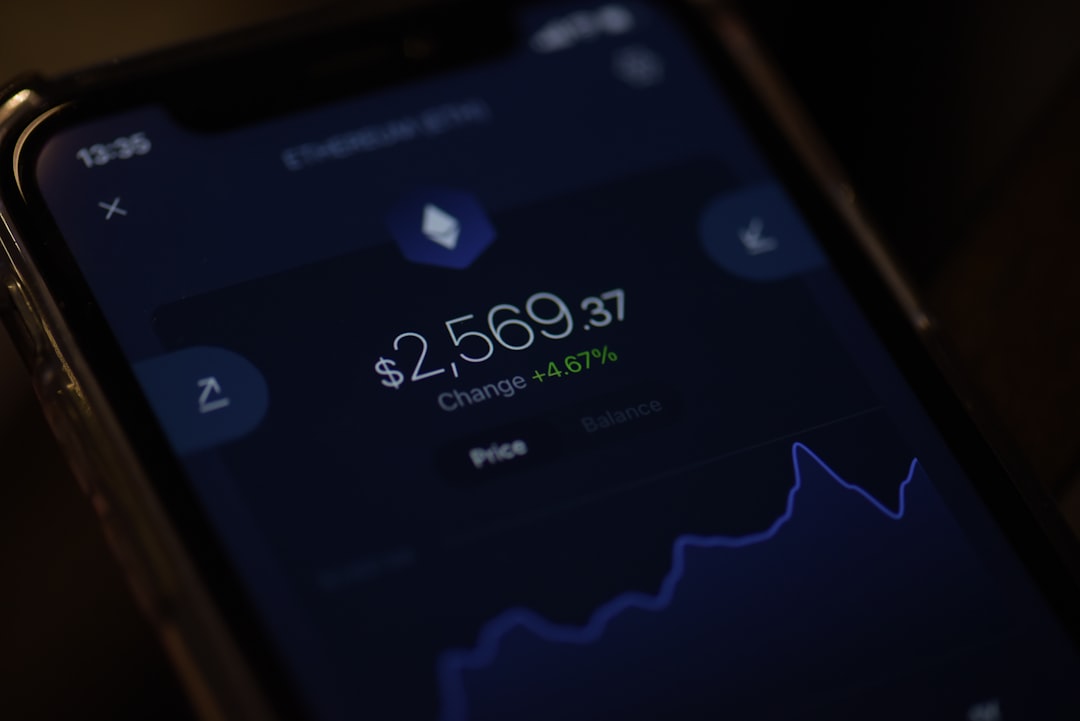
In recent years, the financial landscape has witnessed a remarkable transformation, characterized by a significant surge in alternative payment volumes. This shift reflects a growing preference among consumers and businesses for payment methods that deviate from traditional cash and credit card transactions. As digitalization continues to permeate various aspects of daily life, alternative payment methods have emerged as viable solutions that cater to the evolving needs of consumers.
The rise of these payment options not only enhances convenience but also fosters inclusivity in financial transactions, allowing a broader demographic to engage in commerce. The surge in alternative payment volume is not merely a fleeting trend; it signifies a fundamental change in how individuals and businesses approach financial transactions. As more people embrace technology and seek seamless, efficient ways to manage their finances, alternative payment methods are becoming increasingly mainstream.
This article delves into the various facets of alternative payment methods, exploring their definitions, the factors driving their popularity, and the implications for the future of commerce.
Key Takeaways
- Alternative payment methods are rapidly increasing in volume due to technological advancements and changing consumer preferences.
- Mobile payment apps and cryptocurrencies are significant contributors to the growth of alternative payment transactions.
- E-commerce expansion plays a crucial role in driving the adoption of alternative payment options worldwide.
- Security and trust remain essential factors influencing consumer acceptance of alternative payment methods.
- The future of alternative payment volume is expected to continue growing globally, shaped by innovation and evolving market dynamics.
What are Alternative Payment Methods?
Alternative payment methods encompass a wide array of financial transaction options that diverge from conventional cash and credit card payments. These methods include digital wallets, peer-to-peer payment platforms, mobile payment applications, and even cryptocurrencies. Each of these alternatives offers unique features that cater to different consumer preferences and needs.
For instance, digital wallets like PayPal and Apple Pay allow users to store their payment information securely and make transactions with just a few taps on their smartphones. Moreover, alternative payment methods often prioritize user experience, providing faster transaction times and enhanced convenience. This is particularly appealing in an era where consumers expect instant gratification.
As such, businesses are increasingly adopting these methods to meet customer demands and streamline their operations. The diversity of alternative payment options available today reflects the dynamic nature of the financial ecosystem, where innovation continues to drive change.
Factors Driving the Surge in Alternative Payment Volume

Several factors contribute to the remarkable surge in alternative payment volume. One of the most significant drivers is the rapid advancement of technology, which has made it easier for consumers to access and utilize these payment methods. The proliferation of smartphones and high-speed internet has enabled individuals to conduct transactions anytime and anywhere, eliminating the need for physical cash or cards.
This technological evolution has paved the way for a more connected and efficient payment landscape. Additionally, changing consumer preferences play a crucial role in this surge. Today’s consumers are increasingly seeking convenience and speed in their transactions.
They desire frictionless experiences that allow them to complete purchases quickly without the hassle of traditional payment methods. As a result, businesses are compelled to adapt by integrating alternative payment solutions into their offerings. The combination of technological advancements and shifting consumer expectations has created a fertile ground for alternative payment methods to thrive.
The Impact of Technology on Alternative Payment Volume
Technology has been a game-changer in the realm of alternative payments, fundamentally altering how transactions are conducted. The advent of contactless payments, for instance, has revolutionized the checkout experience by allowing consumers to make purchases with a simple tap of their smartphones or contactless cards. This innovation not only speeds up transactions but also enhances safety by minimizing physical contact—a feature that gained particular importance during the COVID-19 pandemic.
Furthermore, advancements in security technology have bolstered consumer confidence in alternative payment methods. Biometric authentication, encryption, and tokenization are just a few examples of how technology is enhancing the security of digital transactions. As consumers become more aware of potential fraud risks associated with online payments, the assurance provided by these technological safeguards encourages them to embrace alternative payment options more readily.
The Rise of Mobile Payment Apps
| Year | Global Alternative Payment Volume (Billion Units) | Year-over-Year Growth (%) | Top Regions by Volume Growth (%) | Popular Alternative Payment Methods |
|---|---|---|---|---|
| 2020 | 450 | 25 | Asia-Pacific (30), Europe (20), North America (15) | eWallets, Buy Now Pay Later, Mobile Payments |
| 2021 | 580 | 29 | Asia-Pacific (35), Europe (25), Latin America (20) | eWallets, Buy Now Pay Later, Cryptocurrency |
| 2022 | 740 | 28 | Asia-Pacific (33), Europe (27), Africa (22) | eWallets, Buy Now Pay Later, Mobile Payments, Cryptocurrency |
| 2023 | 950 | 28 | Asia-Pacific (32), Europe (28), Latin America (25) | eWallets, Buy Now Pay Later, Mobile Payments, Cryptocurrency |
| 2024 (Projected) | 1200 | 26 | Asia-Pacific (30), Europe (29), North America (24) | eWallets, Buy Now Pay Later, Mobile Payments, Cryptocurrency |
Mobile payment applications have emerged as one of the most popular forms of alternative payment methods in recent years.
The convenience offered by mobile payment apps is unparalleled; users can complete transactions without needing to carry physical cash or cards.
This ease of use has led to widespread adoption among consumers who value efficiency in their shopping experiences. Moreover, mobile payment apps often come equipped with additional features that enhance their appeal. Many offer loyalty programs, discounts, or cashback incentives that encourage users to choose them over traditional payment methods.
As businesses recognize the potential for increased customer engagement through these apps, they are increasingly integrating them into their sales strategies. The rise of mobile payment apps signifies a shift toward a more digital-centric approach to commerce, reflecting broader trends in consumer behavior.
The Role of Cryptocurrency in Alternative Payment Volume
Cryptocurrency has emerged as a significant player in the alternative payment landscape, offering a decentralized and secure method for conducting transactions.
The appeal of cryptocurrencies lies in their potential for lower transaction fees and faster cross-border payments, making them an attractive option for international commerce.
However, the adoption of cryptocurrency as an alternative payment method is not without its challenges. Volatility remains a significant concern for both consumers and merchants, as the value of cryptocurrencies can fluctuate dramatically within short periods. Despite this uncertainty, many businesses are beginning to accept cryptocurrencies as a form of payment, recognizing the growing demand from tech-savvy consumers who view digital currencies as the future of finance.
As regulatory frameworks evolve and consumer education increases, cryptocurrency’s role in alternative payment volume is likely to expand further.
The Influence of Consumer Behavior on Alternative Payment Volume
Consumer behavior plays a pivotal role in shaping the landscape of alternative payment methods. As individuals become more accustomed to digital interactions in various aspects of their lives—from social media to online shopping—they naturally gravitate toward payment solutions that align with their preferences for convenience and speed. This shift in behavior is particularly evident among younger generations who prioritize seamless experiences over traditional methods.
Moreover, social influences cannot be overlooked when examining consumer behavior related to alternative payments. Peer recommendations and trends on social media platforms often drive individuals to explore new payment options. As influencers promote specific mobile apps or digital wallets, their followers may be more inclined to adopt these alternatives themselves.
This phenomenon highlights the interconnectedness of consumer behavior and technology adoption, underscoring how social dynamics can accelerate the growth of alternative payment volume.
The Growth of E-commerce and Its Effect on Alternative Payment Volume
The exponential growth of e-commerce has had a profound impact on alternative payment volume. As more consumers turn to online shopping for convenience and variety, businesses are compelled to offer diverse payment options that cater to this digital marketplace. Alternative payment methods have become essential for e-commerce platforms seeking to enhance customer satisfaction and reduce cart abandonment rates.
Additionally, e-commerce has created an environment where speed and efficiency are paramount. Consumers expect quick checkout processes that minimize friction during transactions. Alternative payment methods—such as one-click payments or digital wallets—facilitate this expectation by streamlining the purchasing experience.
As e-commerce continues to flourish, the demand for alternative payment solutions will likely grow in tandem, further solidifying their place in the financial ecosystem.
The Importance of Security and Trust in Alternative Payment Methods
As alternative payment methods gain popularity, security and trust become paramount concerns for both consumers and businesses. With increasing reports of cyber threats and data breaches, individuals are understandably cautious about sharing their financial information online. Therefore, providers of alternative payment solutions must prioritize robust security measures to instill confidence among users.
Trust is built through transparency and reliability; consumers need assurance that their transactions are secure and that their personal information is protected. Companies that invest in advanced security technologies—such as two-factor authentication or end-to-end encryption—are more likely to gain consumer trust and encourage wider adoption of their payment solutions. In an era where data privacy is a significant concern, establishing trust is essential for sustaining growth in alternative payment volume.
The Global Perspective on Alternative Payment Volume
The surge in alternative payment volume is not confined to any single region; it is a global phenomenon influenced by varying economic conditions, cultural attitudes toward technology, and regulatory environments. In developed markets like North America and Europe, consumers have rapidly adopted digital wallets and mobile payments due to high smartphone penetration rates and advanced technological infrastructure. Conversely, emerging markets present unique opportunities for alternative payments as they often lack established banking systems.
In regions where traditional banking services are limited, mobile money solutions have gained traction as a means for individuals to conduct transactions without needing a bank account. This global perspective highlights how alternative payment methods can bridge gaps in financial inclusion while catering to diverse consumer needs across different markets.
Predictions for the Future of Alternative Payment Volume
Looking ahead, the future of alternative payment volume appears promising as technological advancements continue to reshape the financial landscape. Experts predict that innovations such as artificial intelligence (AI) and blockchain technology will further enhance the efficiency and security of alternative payments. AI-driven algorithms could streamline fraud detection processes while blockchain may provide transparent transaction records that bolster trust among users.
Moreover, as consumer preferences evolve alongside technological advancements, businesses will need to remain agile in adapting their payment strategies. The integration of emerging technologies into alternative payment solutions will likely lead to even greater adoption rates among consumers seeking seamless experiences. Ultimately, the trajectory of alternative payment volume will be shaped by ongoing innovations that prioritize convenience, security, and inclusivity in financial transactions.
In conclusion, the surge in alternative payment volume represents a significant shift in how individuals and businesses approach financial transactions. Driven by technological advancements, changing consumer behaviors, and the growth of e-commerce, alternative payments are becoming increasingly mainstream across the globe. As security concerns remain paramount and new technologies emerge, the future holds exciting possibilities for further growth in this dynamic sector.
The growth of alternative payment methods has been a significant trend in the financial landscape, reflecting changing consumer preferences and technological advancements. For a deeper understanding of this phenomenon, you can read more in the article available at this link, which discusses the factors driving the increase in alternative payment volume and its implications for businesses and consumers alike.
WATCH THIS! 🚨 The Secret Deal That Will Break America
FAQs
What is alternative payment volume growth?
Alternative payment volume growth refers to the increase in the total value of transactions processed through non-traditional payment methods, such as digital wallets, cryptocurrencies, buy now pay later (BNPL) services, and other emerging payment technologies.
Which payment methods are considered alternative payments?
Alternative payments include digital wallets (e.g., Apple Pay, Google Pay), cryptocurrencies (e.g., Bitcoin, Ethereum), BNPL services, peer-to-peer payment platforms, mobile money, and other innovative payment solutions that differ from traditional credit card or cash transactions.
What factors contribute to the growth of alternative payment volumes?
Key factors include increased consumer adoption of digital and mobile payment solutions, advancements in payment technology, greater merchant acceptance, the rise of e-commerce, and changing consumer preferences for convenience and security.
How does alternative payment volume growth impact businesses?
Growth in alternative payment volumes can help businesses reach new customer segments, improve transaction efficiency, reduce payment processing costs, and enhance the overall customer experience by offering more flexible and convenient payment options.
Are alternative payments secure?
Many alternative payment methods incorporate advanced security features such as tokenization, encryption, and biometric authentication, making them generally secure. However, security levels can vary depending on the specific payment method and provider.
Is alternative payment volume growth a global trend?
Yes, alternative payment volume growth is a global trend, with significant increases observed in regions such as North America, Europe, Asia-Pacific, and emerging markets, driven by technological adoption and evolving consumer behaviors.
How does alternative payment volume growth affect traditional payment methods?
As alternative payment volumes grow, traditional payment methods like cash and credit cards may see a relative decline in usage. However, many businesses and consumers continue to use a mix of payment options depending on convenience, acceptance, and preference.
What industries benefit most from alternative payment volume growth?
Industries such as e-commerce, retail, travel, entertainment, and financial services often benefit the most, as alternative payments can streamline transactions, reduce friction, and cater to digitally savvy consumers.
Can alternative payment volume growth influence financial inclusion?
Yes, alternative payment methods can enhance financial inclusion by providing unbanked or underbanked populations with access to digital financial services, enabling easier participation in the digital economy.
Where can I find data on alternative payment volume growth?
Data on alternative payment volume growth can be found in industry reports from payment processors, market research firms, financial institutions, and organizations specializing in digital payments and fintech trends.