
City economic trends provide measurable indicators for analyzing broader economic conditions. These trends result from multiple factors that affect urban growth, financial stability, and economic development. Cities function as centers for innovation, cultural activities, and business operations, drawing diverse populations and capital investment.
Urban economic performance encompasses financial data, social conditions, living standards, and development capacity. Analysis of these trends enables policymakers, business leaders, and residents to make data-driven decisions regarding urban planning and development. Cities have encountered significant challenges and changes due to globalization, technological innovation, and demographic shifts.
The COVID-19 pandemic substantially disrupted urban economies, requiring rapid adaptation to new operating conditions. Examining city economic trends is necessary for stakeholders managing these changes and identifying opportunities for sustainable development. Through systematic analysis of economic indicators and data, researchers can identify the factors influencing urban economies and assess potential outcomes for future growth and development.
Key Takeaways
- City economic trends are shaped by a combination of global influences, government policies, and local industry dynamics.
- Key economic indicators and metrics are essential for accurately assessing city economic health and growth potential.
- Technology, innovation, and infrastructure investments play critical roles in driving sustainable economic development in cities.
- Demographic shifts and education/workforce development significantly impact the economic trajectory of urban areas.
- Sustainable practices and strategic planning are vital for long-term city economic resilience and prosperity.
Understanding Economic Indicators and Metrics
Economic indicators and metrics are vital tools for assessing the health and performance of city economies. These quantitative measures provide insights into various aspects of economic activity, including employment rates, gross domestic product (GDP), inflation, and consumer spending. By examining these indicators, analysts can identify trends that signal growth or decline within a city’s economy.
For instance, a rising employment rate may indicate a robust job market, while declining GDP could suggest economic stagnation. Moreover, qualitative metrics such as business sentiment surveys and consumer confidence indices also play a crucial role in understanding economic conditions. These indicators help gauge the perceptions and expectations of businesses and consumers, which can significantly influence spending and investment decisions.
By combining both quantitative and qualitative data, stakeholders can develop a comprehensive picture of a city’s economic landscape, enabling them to make informed decisions regarding policy formulation and resource allocation.
Examining the Impact of Global Economic Trends on City Economies
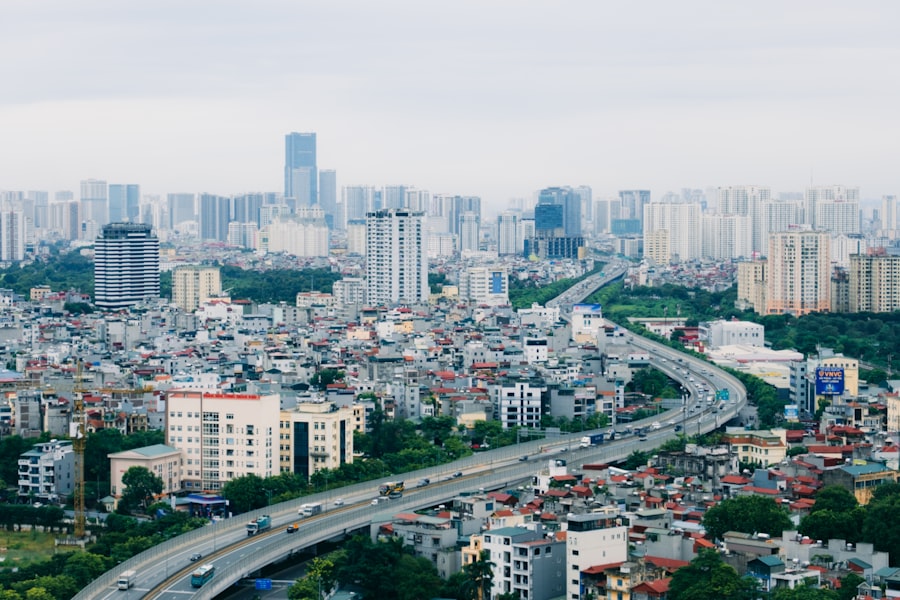
Global economic trends exert a profound influence on city economies, often transcending local conditions. The interconnectedness of markets means that events occurring thousands of miles away can have immediate repercussions on urban centers. For example, fluctuations in oil prices can impact transportation costs and consumer spending patterns in cities reliant on energy-intensive industries.
Similarly, trade policies and international relations can affect local businesses that depend on exports or imports. Furthermore, global economic shifts can lead to changes in migration patterns, as individuals seek opportunities in cities that are perceived as economically vibrant. This influx can stimulate local economies but may also strain resources and infrastructure.
Cities must remain vigilant in monitoring these global trends to anticipate potential challenges and capitalize on emerging opportunities. By understanding the broader economic context, urban planners and policymakers can devise strategies that enhance resilience and adaptability in the face of external pressures.
Analyzing the Role of Government Policies and Regulations in Shaping City Economies
Government policies and regulations play a pivotal role in shaping the economic landscape of cities. Local governments have the authority to implement policies that can either stimulate growth or hinder development. For instance, tax incentives for businesses can attract new investments, while stringent regulations may deter entrepreneurs from establishing operations in a city.
The balance between fostering a conducive business environment and ensuring social equity is a delicate one that requires careful consideration. Moreover, government initiatives aimed at infrastructure development, education, and workforce training can significantly impact a city’s economic trajectory. Investments in public transportation systems can enhance connectivity and accessibility, making it easier for residents to access job opportunities.
Similarly, policies that promote innovation and entrepreneurship can create an ecosystem conducive to economic growth. By analyzing the effectiveness of various policies and regulations, stakeholders can identify best practices that contribute to sustainable urban development.
Identifying Key Industries and Sectors Driving City Economic Growth
| City | GDP (in billions) | Unemployment Rate (%) | Median Household Income | Population (millions) | Major Industries | Annual Growth Rate (%) |
|---|---|---|---|---|---|---|
| New York | 1600 | 7.5 | 68,000 | 8.4 | Finance, Media, Technology | 2.3 |
| Los Angeles | 1000 | 9.1 | 62,000 | 4.0 | Entertainment, Manufacturing, Tech | 1.8 |
| Chicago | 700 | 8.2 | 58,000 | 2.7 | Manufacturing, Finance, Transportation | 1.5 |
| Houston | 500 | 6.9 | 60,000 | 2.3 | Energy, Aerospace, Healthcare | 2.7 |
| San Francisco | 550 | 5.4 | 85,000 | 0.9 | Technology, Finance, Tourism | 3.1 |
Identifying key industries and sectors that drive city economic growth is essential for targeted development strategies. Each city possesses unique characteristics that influence its economic landscape, including natural resources, geographic location, and cultural assets. For instance, cities with access to ports may thrive in trade and logistics, while those with a strong educational infrastructure may become centers for research and technology.
Emerging industries such as renewable energy, biotechnology, and information technology are increasingly becoming significant contributors to urban economies. Cities that invest in these sectors often experience accelerated growth due to increased job creation and innovation. Understanding the strengths and weaknesses of various industries allows policymakers to tailor their strategies to support growth areas while addressing potential vulnerabilities in the local economy.
Assessing the Influence of Technology and Innovation on City Economies

Technology and innovation are at the forefront of transforming city economies in the 21st century. The rapid advancement of digital technologies has reshaped how businesses operate, how consumers interact with products and services, and how cities function as a whole. Cities that embrace technological innovation often experience enhanced productivity, improved service delivery, and increased competitiveness in the global market.
Moreover, technology fosters collaboration among businesses, educational institutions, and government entities, creating ecosystems that drive innovation. For example, tech hubs or innovation districts within cities attract startups and established companies alike, fostering an environment conducive to creativity and entrepreneurship. By investing in technology infrastructure and promoting research initiatives, cities can position themselves as leaders in the digital economy while ensuring that their workforce is equipped with the necessary skills to thrive in an increasingly tech-driven world.
Exploring the Impact of Demographic Changes on City Economic Trends
Demographic changes significantly influence city economic trends by altering the composition of the workforce and consumer base. As populations grow or decline due to migration patterns or birth rates, cities must adapt to meet the evolving needs of their residents. For instance, an influx of young professionals may lead to increased demand for housing, entertainment options, and services tailored to this demographic.
Conversely, aging populations present unique challenges for city economies. As older adults retire from the workforce, there may be a shortage of skilled labor in certain sectors. Cities must develop strategies to attract younger workers while also addressing the needs of their aging residents through healthcare services and accessible infrastructure.
By understanding demographic trends, policymakers can create inclusive economic strategies that cater to diverse populations while fostering sustainable growth.
Evaluating the Role of Infrastructure and Transportation in City Economic Development
Infrastructure and transportation systems are critical components of city economic development. Efficient transportation networks facilitate the movement of goods and people, enhancing connectivity within urban areas and beyond. Cities with well-developed infrastructure often attract businesses seeking access to markets and resources.
Conversely, inadequate infrastructure can stifle growth by limiting access to essential services and opportunities. Investment in public transportation systems not only improves mobility but also contributes to environmental sustainability by reducing reliance on personal vehicles. Cities that prioritize sustainable transportation options often experience increased quality of life for residents while attracting environmentally conscious businesses.
Evaluating infrastructure needs through comprehensive planning allows cities to identify gaps and prioritize investments that will yield long-term economic benefits.
Examining the Relationship Between Education and Workforce Development and City Economic Trends
The relationship between education, workforce development, and city economic trends is profound. A well-educated workforce is essential for driving innovation and productivity within urban economies. Cities that invest in education at all levels—primary, secondary, vocational, and higher education—are better positioned to attract businesses seeking skilled labor.
Moreover, partnerships between educational institutions and local industries can enhance workforce development initiatives by aligning curricula with market demands. Programs that provide training in emerging fields such as technology or healthcare ensure that residents possess the skills necessary for available jobs. By fostering a culture of continuous learning and skill development, cities can create resilient economies capable of adapting to changing market conditions.
Understanding the Importance of Sustainable Practices in City Economic Growth
Sustainable practices are increasingly recognized as integral to city economic growth. As urban areas grapple with challenges such as climate change, resource depletion, and social inequality, adopting sustainable approaches becomes imperative for long-term viability.
Implementing sustainable practices across various sectors—such as energy efficiency in buildings, waste reduction initiatives, and sustainable transportation options—can lead to cost savings for both businesses and residents. Furthermore, cities that position themselves as leaders in sustainability often attract investments from environmentally conscious companies seeking to align with responsible practices. By integrating sustainability into economic planning, cities can foster inclusive growth while safeguarding their natural resources for future generations.
Implications for City Economic Planning and Development
In conclusion, understanding city economic trends is essential for effective planning and development strategies that promote sustainable growth. By analyzing economic indicators, global influences, government policies, key industries, technological advancements, demographic changes, infrastructure needs, education systems, and sustainability practices, stakeholders can develop comprehensive approaches tailored to their unique urban contexts. As cities continue to evolve in response to both challenges and opportunities presented by an ever-changing world, proactive planning becomes paramount.
Policymakers must remain agile in adapting strategies that foster resilience while ensuring equitable access to resources for all residents. Ultimately, by prioritizing informed decision-making grounded in a thorough understanding of economic trends, cities can pave the way for prosperous futures that benefit both current inhabitants and generations yet to come.
In the realm of city economic analysis, understanding the impact of urban development on local economies is crucial. A related article that delves into this topic can be found at this link, where various factors influencing economic growth in urban areas are explored in detail.
FAQs
What is city economic analysis?
City economic analysis is the study and evaluation of the economic conditions, trends, and factors affecting a specific urban area. It involves examining data related to employment, industry sectors, income levels, business activity, and infrastructure to understand the city’s economic health and growth potential.
Why is city economic analysis important?
City economic analysis is important because it helps policymakers, businesses, and investors make informed decisions. It identifies strengths and weaknesses in the local economy, guides resource allocation, supports economic development strategies, and helps anticipate future challenges and opportunities.
What data sources are used in city economic analysis?
Common data sources include government statistics (such as census data and labor market reports), business and industry surveys, real estate market data, tax records, and infrastructure information. Geographic information systems (GIS) and economic modeling tools are also frequently used.
What are the key indicators analyzed in a city economic analysis?
Key indicators often include employment rates, unemployment rates, income levels, gross domestic product (GDP) or gross metropolitan product (GMP), business growth rates, industry diversification, housing affordability, and infrastructure quality.
Who conducts city economic analyses?
City economic analyses are typically conducted by government agencies, economic development organizations, research institutions, consulting firms, and sometimes universities. They may also be commissioned by private sector stakeholders.
How can city economic analysis benefit local residents?
By identifying economic opportunities and challenges, city economic analysis can lead to job creation, improved public services, better infrastructure, and enhanced quality of life for residents. It supports policies that promote sustainable and inclusive economic growth.
What challenges are associated with city economic analysis?
Challenges include data availability and accuracy, rapidly changing economic conditions, accounting for informal economic activities, and integrating social and environmental factors into economic assessments.
How often should a city conduct economic analysis?
The frequency varies depending on the city’s size and needs, but many cities conduct comprehensive economic analyses every few years, with ongoing monitoring of key indicators to track changes and trends in real time.