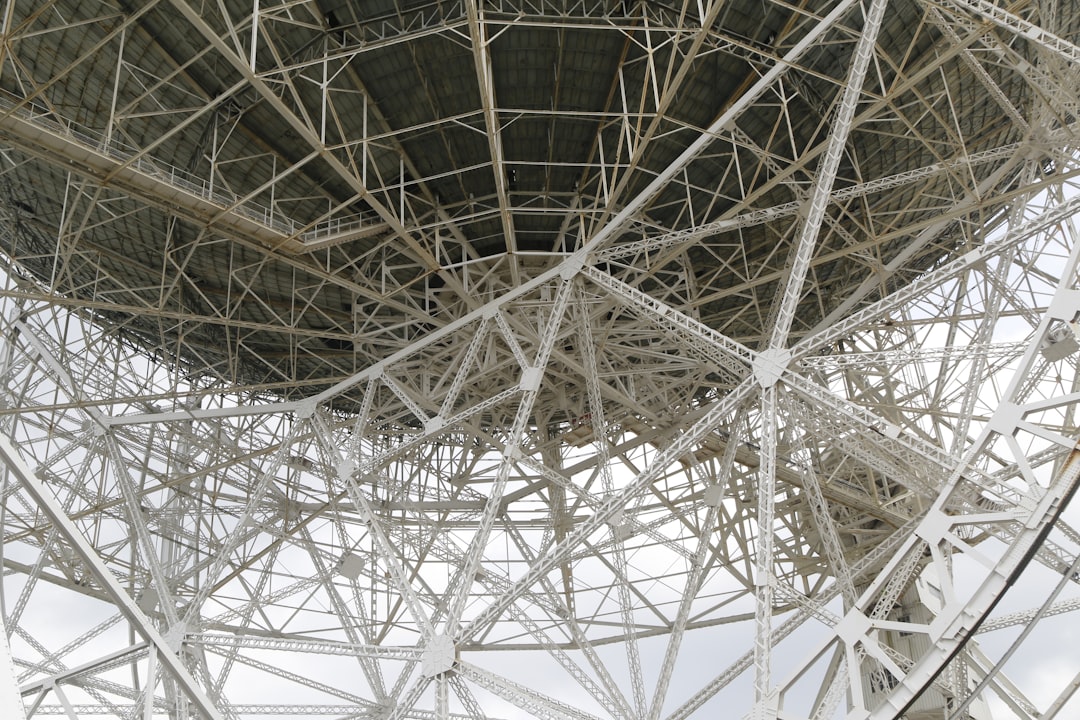
Ancient civilizations incorporated precise astronomical alignments into their architectural and engineering projects, demonstrating sophisticated knowledge of celestial mechanics. These alignments, found in structures ranging from Egyptian pyramids to British stone circles, were designed to correspond with specific astronomical phenomena including solstices, equinoxes, and lunar phases. Archaeological evidence indicates that ancient builders possessed advanced mathematical and observational skills necessary to achieve such precision in their constructions.
These astronomical alignments served multiple practical and ceremonial functions in ancient societies. They functioned as calendrical systems for agricultural planning, religious observances, and seasonal activities. The alignments also facilitated navigation and timekeeping, providing communities with reliable methods for organizing social and economic activities.
Many structures were positioned to capture specific lighting effects during significant celestial events, suggesting their use in ritual and ceremonial contexts. Research into ancient astronomical engineering reveals the technical capabilities of early civilizations and provides insights into their worldviews and social organization. These alignments represent the integration of empirical observation, mathematical calculation, and construction techniques.
The precision achieved in many ancient structures indicates systematic astronomical observation over extended periods, reflecting the importance these societies placed on understanding celestial patterns and their relationship to terrestrial activities.
Key Takeaways
- Ancient civilizations used precise astronomical alignments in their engineering to connect architecture with celestial events.
- These alignments held deep cultural, spiritual, and practical significance, influencing rituals and societal organization.
- The technical skill and mathematical knowledge of ancient engineers enabled the construction of complex structures aligned with stars and solstices.
- Ancient astronomical alignments impacted calendar development, agriculture planning, and navigation techniques.
- Preserving and studying these alignments provides valuable insights into early scientific understanding and informs modern astronomy.
The Role of Astronomy in Ancient Civilizations
Astronomy played a pivotal role in the development of ancient civilizations, serving as a guiding force in various aspects of life. Early societies relied on celestial observations to mark the passage of time, determine agricultural cycles, and navigate vast landscapes. The stars and planets were not merely points of light in the sky; they were integral to the social and economic fabric of these communities.
For instance, the agricultural calendar was often dictated by the positions of celestial bodies, ensuring that planting and harvesting occurred at optimal times. In addition to practical applications, astronomy held significant cultural importance. Many ancient civilizations developed elaborate mythologies and religious practices centered around celestial phenomena.
The movements of the sun, moon, and stars were often interpreted as divine messages or omens, influencing everything from governance to personal decisions. This intertwining of astronomy with daily life illustrates how deeply embedded celestial observations were in the consciousness of ancient peoples.
Examples of Ancient Astronomical Engineering Alignments
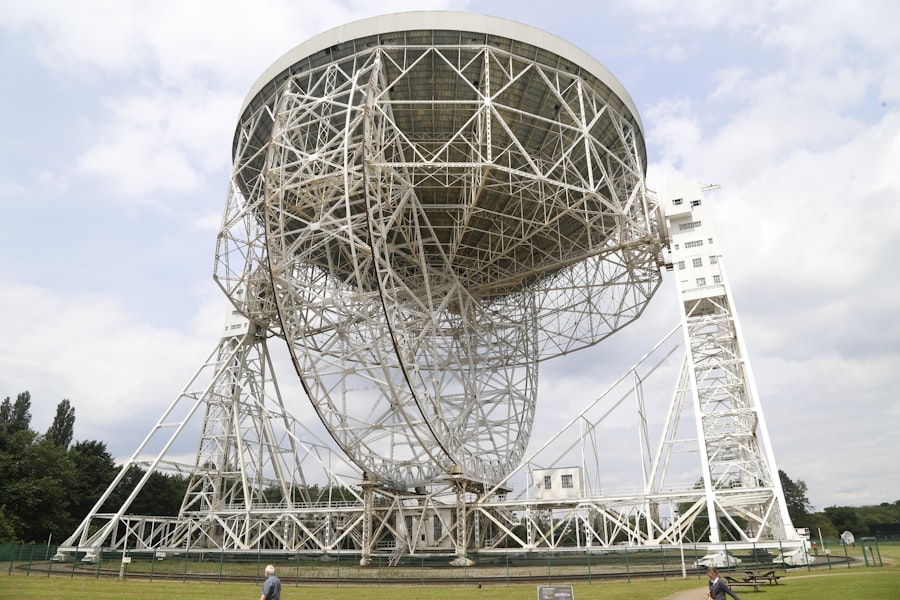
Numerous examples of ancient astronomical engineering alignments can be found across the globe, each showcasing the ingenuity and precision of early builders. One of the most iconic examples is Stonehenge in England, a prehistoric monument that aligns with the summer solstice sunrise and winter solstice sunset. This alignment suggests that the structure served not only as a ceremonial site but also as an astronomical observatory, allowing ancient peoples to track seasonal changes.
The pyramid’s sides are oriented within just a fraction of a degree of true north, demonstrating an advanced understanding of geometry and astronomy. This alignment likely held both practical and symbolic significance, reflecting the Egyptians’ beliefs about the afterlife and their connection to the cosmos.
Similarly, the Mayan civilization constructed observatories such as El Caracol at Chichen Itza, which featured windows aligned with significant astronomical events, further illustrating the importance of celestial observations in their culture.
The Cultural and Spiritual Significance of Astronomical Alignments
The cultural and spiritual significance of astronomical alignments cannot be overstated. For many ancient civilizations, these alignments were not merely technical achievements; they were imbued with deep meaning and purpose. The alignment of structures with celestial events often reflected a society’s cosmology and worldview.
For instance, in many cultures, the sun was revered as a deity or a symbol of life-giving energy. Aligning buildings or monuments with solar events reinforced this connection, serving as a physical manifestation of their beliefs. Moreover, astronomical alignments often played a crucial role in rituals and ceremonies.
Many ancient peoples gathered at specific sites during solstices or equinoxes to celebrate seasonal changes or to seek favor from their deities. These gatherings fostered community cohesion and reinforced shared beliefs about humanity’s place in the universe. The alignment of structures with celestial events thus served as a bridge between the earthly realm and the divine, allowing individuals to engage with their spirituality in tangible ways.
The Technical and Mathematical Prowess of Ancient Astronomical Engineers
| Site Name | Location | Period | Type of Alignment | Primary Celestial Target | Engineering Feature | Accuracy (Degrees) |
|---|---|---|---|---|---|---|
| Stonehenge | Wiltshire, England | c. 3000–2000 BCE | Solar (Summer Solstice Sunrise) | Sun | Post and lintel stone arrangement | ±0.5° |
| Great Pyramid of Giza | Giza, Egypt | c. 2580–2560 BCE | Cardinal directions alignment | North Star (Polaris) | Precise base orientation and shaft alignments | ±0.15° |
| Chichen Itza (El Caracol) | Yucatán, Mexico | c. 900–1200 CE | Planetary and Venus alignments | Venus and other planets | Observatory tower with sightlines | ±1° |
| Nabta Playa | Southern Egypt | c. 4500 BCE | Solar and stellar alignments | Summer Solstice, Orion’s Belt | Stone circle with alignment markers | ±1° |
| Newgrange | County Meath, Ireland | c. 3200 BCE | Winter Solstice sunrise alignment | Sun | Passage tomb with roof box | ±0.5° |
The technical and mathematical prowess displayed by ancient astronomical engineers is nothing short of remarkable. The construction of astronomical alignments required not only an understanding of celestial mechanics but also advanced knowledge of geometry and engineering principles. Ancient builders had to accurately measure angles, distances, and orientations without the sophisticated tools available today.
Their ability to achieve such precision speaks volumes about their skills and ingenuity. For example, the builders of Stonehenge utilized simple yet effective tools to create complex alignments that have stood the test of time. They employed techniques such as sighting along lines and using shadows cast by the sun to determine key points in their construction process.
Similarly, the Egyptians demonstrated exceptional mathematical abilities in aligning their pyramids with true north, employing techniques that would later influence generations of architects and engineers. This blend of technical skill and mathematical understanding laid the groundwork for future advancements in both astronomy and engineering.
The Relationship Between Ancient Astronomical Alignments and Architecture
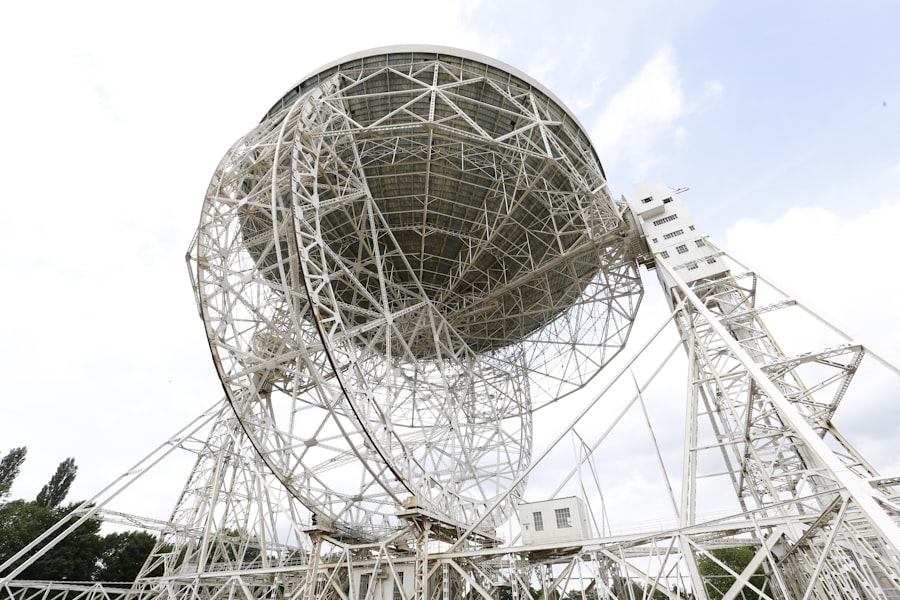
The relationship between ancient astronomical alignments and architecture is a testament to how deeply intertwined these fields were in ancient societies. Architectural designs were often influenced by celestial considerations, resulting in structures that not only served practical purposes but also reflected cosmic principles. This relationship can be seen in various monumental constructions around the world.
In ancient Egypt, temples were frequently oriented toward specific celestial bodies or events, reinforcing their religious significance. The Temple of Karnak, for instance, is aligned with the rising sun during the winter solstice, symbolizing rebirth and renewal. Similarly, Mesoamerican pyramids were often constructed with precise orientations toward celestial events, reflecting the importance of astronomy in their religious practices.
This architectural alignment with celestial phenomena illustrates how ancient builders sought to harmonize their structures with the cosmos, creating spaces that resonated with both earthly and heavenly realms.
The Impact of Ancient Astronomical Engineering Alignments on Modern Astronomy
The impact of ancient astronomical engineering alignments on modern astronomy is profound and far-reaching. The meticulous observations made by ancient astronomers laid the groundwork for contemporary understandings of celestial mechanics and navigation. Many modern astronomers continue to study these ancient sites to gain insights into how early civilizations interpreted celestial phenomena.
Furthermore, ancient alignments have inspired modern architectural designs that incorporate astronomical principles. Contemporary architects often look to historical examples for inspiration when designing observatories or planetariums that seek to connect visitors with the cosmos. The legacy of ancient astronomical engineering aligns not only enriches our understanding of history but also informs current practices in astronomy and architecture.
The Preservation and Study of Ancient Astronomical Engineering Alignments
The preservation and study of ancient astronomical engineering alignments are crucial for understanding humanity’s relationship with the cosmos throughout history. Many sites have faced threats from natural erosion, urban development, and climate change, making conservation efforts essential for safeguarding these cultural treasures. Archaeologists and historians work diligently to document these sites, employing advanced technologies such as LiDAR scanning to create detailed maps that reveal hidden features.
Scholars from various disciplines collaborate to analyze data collected from ancient sites, seeking to unravel the mysteries surrounding their construction and use. This interdisciplinary approach not only enhances our understanding of ancient cultures but also fosters appreciation for their contributions to science and engineering.
The Influence of Ancient Astronomical Engineering Alignments on Calendar Systems
Ancient astronomical engineering alignments significantly influenced calendar systems across various cultures. By observing celestial events such as solstices and equinoxes, early civilizations developed calendars that guided agricultural practices and religious observances. These calendars were often intricately linked to astronomical alignments, ensuring that important dates were accurately marked.
For instance, many indigenous cultures in North America relied on lunar cycles to inform their seasonal activities. Similarly, the Mayans developed a complex calendar system based on both solar and lunar cycles, which was intricately tied to their architectural alignments at sites like Chichen Itza. The influence of these ancient calendars can still be seen today in modern systems that continue to reflect astronomical phenomena.
The Role of Ancient Astronomical Engineering Alignments in Agriculture and Navigation
The role of ancient astronomical engineering alignments extended beyond cultural significance; they were also vital for agriculture and navigation. By aligning structures with celestial events, ancient peoples could determine optimal planting times based on seasonal changes marked by solstices or equinoxes. This knowledge was essential for ensuring successful harvests and sustaining communities.
In terms of navigation, celestial bodies served as reliable guides for travelers venturing across vast landscapes or oceans. Ancient mariners relied on stars for navigation long before modern compasses were invented. The alignment of landmarks with celestial phenomena provided crucial reference points for those navigating unfamiliar territories.
This reliance on astronomy for both agriculture and navigation underscores its integral role in shaping human civilization.
The Legacy of Ancient Astronomical Engineering Alignments
The legacy of ancient astronomical engineering alignments endures through time, offering valuable insights into humanity’s quest for knowledge about the cosmos. These remarkable achievements reflect not only technical prowess but also deep cultural significance that continues to resonate today. As modern society grapples with its place in an ever-expanding universe, the lessons learned from ancient civilizations serve as a reminder of our shared heritage.
The study and preservation of these alignments remain essential for understanding our past while inspiring future generations to explore the mysteries of the universe. By recognizing the profound connections between astronomy, culture, architecture, and daily life in ancient societies, contemporary individuals can appreciate the enduring impact these early engineers had on shaping human history and our ongoing relationship with the cosmos.
Ancient civilizations often demonstrated remarkable engineering skills, particularly in their astronomical alignments. A fascinating exploration of this topic can be found in the article on ancient structures and their celestial alignments. For more insights into how these ancient societies integrated their architectural designs with astronomical phenomena, you can read the full article [here](https://www.realloreandorder.com/sample-page/).
WATCH THIS! The Impossible Technology They Erased From History
FAQs
What is ancient astronomical engineering alignment?
Ancient astronomical engineering alignment refers to the deliberate positioning and construction of structures by ancient civilizations to align with celestial bodies such as the sun, moon, stars, or planets. These alignments often had cultural, religious, or practical significance.
Which ancient structures are known for astronomical alignments?
Famous examples include Stonehenge in England, the Pyramids of Giza in Egypt, the Mayan observatories in Central America, and the Nabta Playa stone circle in Egypt. These structures are aligned with solstices, equinoxes, or specific star risings.
Why did ancient civilizations align their structures astronomically?
Alignments were often used for calendrical purposes, to mark important seasonal events, for religious ceremonies, or to demonstrate the power and knowledge of rulers or priests. They helped ancient people track time and agricultural cycles.
How do researchers determine if a structure has an astronomical alignment?
Researchers use tools like theodolites, GPS, and computer simulations to measure the orientation of structures relative to celestial events. They also study historical records and cultural contexts to understand the significance of the alignments.
Are all ancient structures aligned astronomically?
No, not all ancient structures have astronomical alignments. While many do, some were built primarily for defensive, residential, or other practical purposes without intentional celestial orientation.
What is the significance of solstice and equinox alignments?
Solstice and equinox alignments mark the longest and shortest days of the year and the changing of seasons. These events were crucial for agricultural societies to plan planting and harvesting cycles.
Can ancient astronomical alignments be found worldwide?
Yes, ancient astronomical alignments have been found on every inhabited continent, reflecting the universal human interest in the sky and its influence on daily life and spirituality.
How accurate were ancient astronomical alignments?
Many ancient alignments are remarkably precise, often within a degree or less of the intended celestial event. This accuracy demonstrates advanced observational skills and engineering capabilities.
Do modern scientists still study ancient astronomical alignments?
Yes, archaeologists, astronomers, and historians continue to study these alignments to better understand ancient cultures, their knowledge of astronomy, and their technological achievements.
What tools did ancient people use to achieve astronomical alignments?
Ancient people used simple but effective tools such as sighting rods, horizon markers, and natural landmarks, combined with careful observation over long periods, to achieve precise alignments.