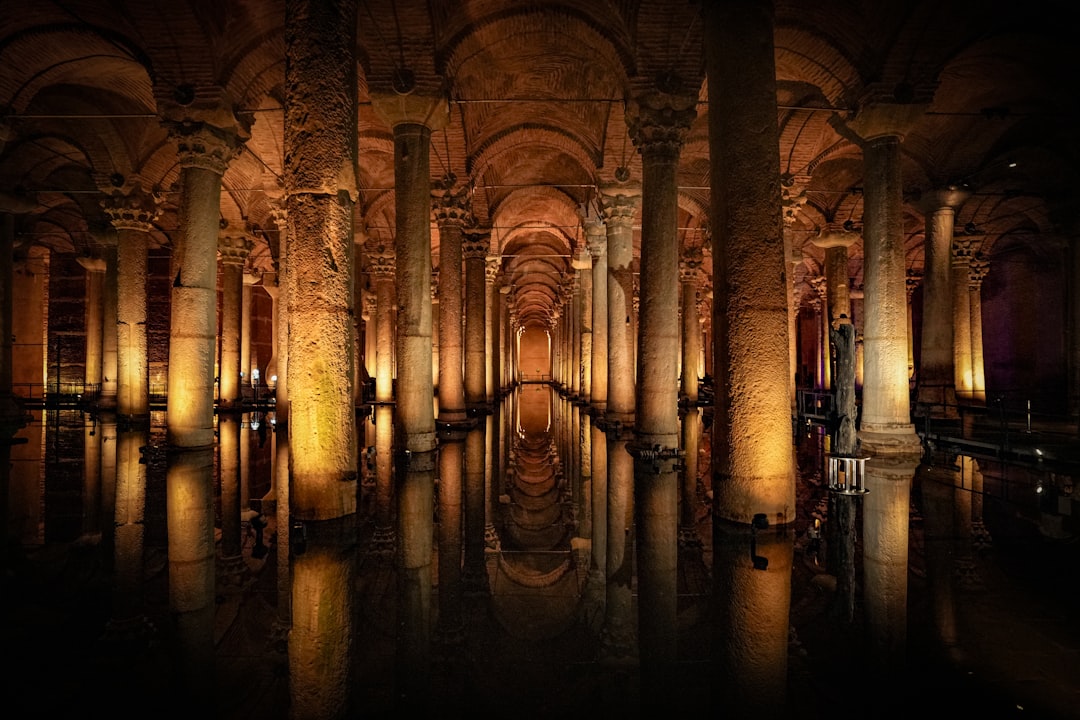
When you think of ancient engineering, what comes to mind? Perhaps the towering structures of the past, the intricate designs, or the sheer scale of human ambition? Ancient engineering is a testament to the ingenuity and creativity of civilizations long gone.
It reflects not only the technical skills of those who built these marvels but also their understanding of materials, physics, and the environment. From the monumental pyramids of Egypt to the sophisticated aqueducts of Rome, ancient engineers laid the groundwork for modern engineering practices. Their achievements continue to inspire awe and admiration, reminding us of the remarkable capabilities of human beings when faced with challenges.
As you delve into the world of ancient engineering, you will discover that these feats were not merely about construction; they were about solving problems and improving lives. The ancient engineers faced numerous obstacles, including limited tools and resources, yet they managed to create structures that have withstood the test of time. Their work was often driven by necessity—whether it was to provide shelter, transport water, or commemorate significant events.
Each structure tells a story, revealing insights into the culture, values, and technological advancements of its time. In this exploration, you will encounter some of the most iconic examples of ancient engineering that continue to captivate our imagination today.
Key Takeaways
- Ancient engineering showcases remarkable innovation across diverse civilizations and environments.
- The Great Pyramids and Roman aqueducts highlight advanced construction and water management techniques.
- Inca suspension bridges and the Hanging Gardens demonstrate adaptation to challenging landscapes and irrigation needs.
- The Antikythera Mechanism reveals early computational technology, while the Colosseum and Parthenon exemplify architectural ingenuity.
- Structures like the Great Wall and Moai reflect defensive strategies and cultural significance, underscoring the enduring legacy of ancient engineers.
The Great Pyramids of Giza: A Marvel of Ancient Engineering
The Great Pyramids of Giza stand as a monumental testament to the engineering prowess of ancient Egypt. Constructed around 2580–2560 BC, these pyramids were built as tombs for pharaohs and are among the most recognizable structures in the world. As you gaze upon their massive stone blocks, weighing several tons each, you may wonder how such an incredible feat was accomplished without modern machinery.
The precision with which these pyramids were constructed is nothing short of extraordinary. The alignment with cardinal points and the mathematical accuracy in their dimensions reflect a deep understanding of geometry and astronomy. The construction techniques employed by the ancient Egyptians remain a subject of fascination and debate among historians and archaeologists.
You might be intrigued to learn that they likely used a combination of ramps, levers, and manpower to transport and position the massive stones. The workforce was composed not only of skilled laborers but also of thousands of seasonal workers who participated in this monumental project. This collaborative effort highlights the social organization and resource management skills that were essential for such an ambitious undertaking.
The Great Pyramids are not just tombs; they are a symbol of the civilization’s power, religious beliefs, and architectural innovation.
The Roman Aqueducts: Masterpieces of Water Management
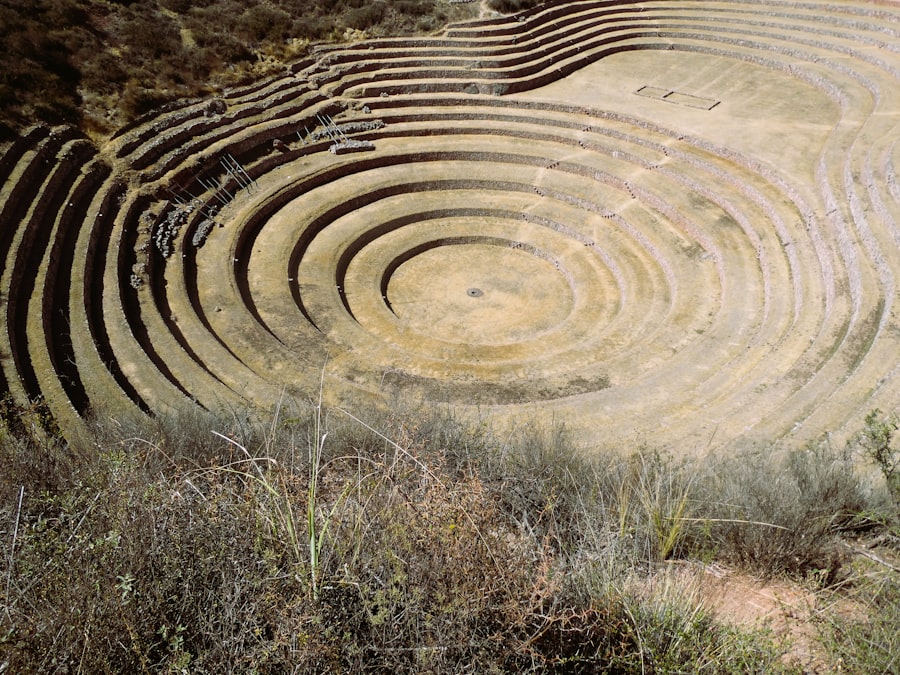
As you explore the engineering marvels of ancient Rome, the aqueducts stand out as masterpieces of water management. These impressive structures were designed to transport water from distant sources into cities and towns, ensuring a reliable supply for drinking, bathing, and irrigation. The ingenuity behind Roman aqueducts lies in their ability to maintain a gentle slope over long distances, allowing gravity to do the work.
You may find it fascinating that some aqueducts spanned over 50 miles, showcasing not only technical skill but also an understanding of hydrology. The construction of aqueducts involved meticulous planning and execution. Engineers had to survey the land carefully to determine the best route for water flow while avoiding obstacles such as hills and valleys.
You might be surprised to learn that many aqueducts incorporated arches and bridges to cross uneven terrain, demonstrating a blend of functionality and aesthetic appeal. The Aqua Appia, one of the earliest aqueducts built in 312 BC, set a precedent for future projects and paved the way for Rome’s extensive water supply system. The legacy of Roman aqueducts is evident today, as many still stand as a testament to their engineering excellence.
The Inca Suspension Bridges: Engineering Feats in the Andes
In the rugged terrain of the Andes Mountains, the Inca civilization showcased their remarkable engineering skills through the construction of suspension bridges. These bridges were vital for connecting communities across deep gorges and rivers, facilitating trade and communication in a challenging environment. As you imagine traversing these bridges, you can appreciate how they were crafted using natural materials such as grass and wood, demonstrating a sustainable approach to engineering.
The Inca suspension bridges were not only functional but also a reflection of their cultural significance. You may find it interesting that these structures were often built using a technique called “q’eswachaka,” which involved braiding together plant fibers to create strong cables.
The annual maintenance rituals performed by local communities highlight the importance of these bridges in their daily lives and social cohesion. Today, some of these ancient bridges still exist, serving as a reminder of the Inca’s innovative spirit and their ability to adapt to their environment.
The Hanging Gardens of Babylon: A Testament to Ancient Irrigation Techniques
| Ancient Engineering Problem | Solution Approach | Key Techniques or Innovations | Example Civilization | Impact or Outcome |
|---|---|---|---|---|
| Building massive stone structures without modern machinery | Use of ramps, levers, and manpower coordination | Inclined planes, sledges, pulleys, and precise surveying | Ancient Egyptians (Pyramids) | Construction of the Great Pyramid of Giza, lasting over 4500 years |
| Transporting heavy stones over long distances | Rolling stones on logs and lubricated paths | Use of wooden rollers, water lubrication, and sledges | Mesopotamians and Egyptians | Efficient movement of building materials enabling large-scale construction |
| Creating durable roads and infrastructure | Layered road construction with drainage systems | Multi-layered roadbeds, cambered surfaces, and drainage ditches | Romans | Roads lasting millennia, facilitating trade and military movement |
| Raising water for irrigation and urban supply | Development of water-lifting devices | Shaduf, Archimedes screw, and qanat tunnels | Ancient Mesopotamia, Persia, and Egypt | Expanded agriculture and supported growing populations |
| Constructing large-span bridges and aqueducts | Use of arches and keystone principles | Roman arches, voussoirs, and concrete technology | Romans | Durable bridges and aqueducts that supplied cities with water |
| Aligning structures with astronomical events | Precise astronomical observations and geometry | Use of gnomons, star charts, and geometric layouts | Mayans, Egyptians, and Stonehenge builders | Structures aligned with solstices, equinoxes, and celestial bodies |
The Hanging Gardens of Babylon are often regarded as one of the Seven Wonders of the Ancient World, captivating imaginations with their lush greenery and intricate irrigation systems. Although their existence remains a topic of debate among historians, the concept itself reflects advanced engineering techniques that were likely employed in ancient Mesopotamia. As you envision these terraced gardens rising high above the city, you can appreciate how they would have required sophisticated irrigation methods to sustain such vibrant plant life in an arid climate.
The gardens are believed to have utilized a series of pumps and channels to transport water from the Euphrates River to the elevated terraces. You might be intrigued by how this innovative approach not only provided water for irrigation but also created a microclimate that supported diverse flora. The design would have required careful planning and knowledge of hydraulic engineering principles.
Whether or not they existed as described in ancient texts, the Hanging Gardens symbolize humanity’s enduring desire to create beauty and harmony with nature through engineering ingenuity.
The Antikythera Mechanism: The World’s First Analog Computer

When you think about ancient technology, your mind may not immediately jump to computers; however, the Antikythera Mechanism challenges that notion. Discovered in a shipwreck off the coast of Antikythera, Greece, this ancient device dates back to around 150–100 BC and is considered one of the earliest known analog computers. As you examine its intricate gears and dials, you can appreciate how it was designed to predict astronomical positions and eclipses with remarkable accuracy.
The complexity of the Antikythera Mechanism is astounding for its time. You may find it fascinating that it consists of at least 30 gears made from bronze, all working together in harmony to perform calculations related to celestial events. This device reflects not only advanced mechanical engineering but also a deep understanding of astronomy among ancient Greeks.
It serves as a reminder that even in antiquity, humans sought to comprehend their place in the universe through scientific inquiry and technological innovation.
The Colosseum: Innovative Architecture and Engineering
The Colosseum in Rome is an iconic symbol of ancient engineering and architecture that continues to draw millions of visitors each year. Completed in AD 80 under Emperor Titus, this grand amphitheater was designed for public spectacles such as gladiatorial contests and theatrical performances. As you stand before its massive façade, you can appreciate how its design incorporated innovative features that enhanced both functionality and spectator experience.
One remarkable aspect of the Colosseum is its use of arches and vaults, which allowed for a lightweight yet sturdy structure capable of accommodating up to 80,000 spectators. You might be surprised to learn that it also featured an elaborate system of corridors and staircases that facilitated efficient movement within the arena. Additionally, the Colosseum was equipped with retractable awnings known as “velaria,” providing shade for spectators on hot days.
This combination of architectural brilliance and engineering ingenuity made it one of the most impressive structures of its time.
The Great Wall of China: Ancient Defensive Engineering
The Great Wall of China is perhaps one of the most recognizable symbols of ancient engineering prowess. Stretching over 13,000 miles across northern China, this monumental structure was built over several dynasties to protect against invasions from nomadic tribes. As you contemplate its vastness, you can appreciate how it served not only as a physical barrier but also as a psychological deterrent against potential threats.
Constructed using various materials such as earth, wood, bricks, and stone, the Great Wall showcases adaptability based on regional resources and terrain. You may find it fascinating that different sections were built using different techniques depending on local conditions—some areas featured watchtowers for surveillance while others included fortifications for troops. The wall’s construction required immense labor and coordination over centuries, reflecting both military strategy and cultural significance in Chinese history.
The Moai of Easter Island: Mysterious Stone Monuments
On Easter Island, known as Rapa Nui, you will encounter one of the most enigmatic examples of ancient engineering: the Moai statues. These colossal stone figures were carved by the Rapa Nui people between 1400 and 1650 AD and are believed to represent ancestral figures or deities. As you gaze upon these towering statues—some weighing over 80 tons—you may wonder how they were transported across the island without modern machinery.
The construction and transportation methods used by the Rapa Nui remain subjects of research and speculation. You might be intrigued by theories suggesting that they used a combination of sledges, ropes, and manpower to move these massive stones from quarries to their final locations on ceremonial platforms called Ahu. The Moai serve not only as artistic expressions but also as cultural symbols reflecting social organization and religious beliefs within Rapa Nui society.
The Parthenon: A Triumph of Ancient Greek Architecture and Engineering
The Parthenon stands as an enduring symbol of ancient Greece’s architectural brilliance and cultural heritage. Constructed between 447 and 432 BC on the Acropolis in Athens, this temple dedicated to Athena showcases advanced engineering techniques that have influenced architecture for centuries. As you admire its Doric columns and intricate sculptures, you can appreciate how every detail was meticulously planned to create a harmonious whole.
One remarkable aspect of the Parthenon is its optical refinements—subtle curves in its columns and entablature designed to counteract visual distortions when viewed from a distance. You may find it fascinating that these adjustments demonstrate an understanding of human perception that was ahead of its time.
The Parthenon remains a testament to ancient Greek ideals of beauty, proportion, and civic pride.
The Legacy of Ancient Engineers
As you reflect on these remarkable feats of ancient engineering, it becomes clear that they have left an indelible mark on human history. Each structure tells a story—of ambition, creativity, problem-solving, and cultural significance—that continues to resonate today. The legacy of ancient engineers is not merely found in their physical creations but also in their influence on modern engineering practices and architectural principles.
You may find inspiration in their ability to overcome challenges with limited resources while pushing the boundaries of what was possible at their time. Their achievements remind us that innovation often arises from necessity and collaboration within communities striving for progress. As we continue to build upon their foundations in our quest for knowledge and advancement, we honor those ancient engineers whose vision shaped our world in ways we are still discovering today.
Ancient engineers were remarkable problem solvers, often tackling challenges that seemed insurmountable with the technology of their time. For instance, the construction of the Roman aqueducts showcases their ingenuity in transporting water over long distances using gravity alone. To explore more about the fascinating techniques and innovations of ancient engineers, you can read this insightful article on the subject at Real Lore and Order.
WATCH THIS! 🔍 Archaeologists REFUSE to Explain This Ancient Machine
FAQs
What kinds of problems did ancient engineers solve?
Ancient engineers tackled a wide range of challenges including constructing massive structures like pyramids and aqueducts, developing irrigation systems, building bridges, and creating machines for warfare and transportation.
What materials did ancient engineers commonly use?
They primarily used natural materials such as stone, wood, mud bricks, and metals like bronze and iron. They also developed early forms of concrete and mortar to enhance durability.
How did ancient engineers manage to build large structures without modern technology?
They relied on innovative techniques such as leveraging simple machines (pulleys, levers, ramps), precise measurements, skilled labor organization, and deep understanding of materials and physics.
Did ancient engineers have formal education or training?
While formal engineering education as we know it today did not exist, knowledge was often passed down through apprenticeships, practical experience, and sometimes documented in early technical manuals or inscriptions.
What are some famous examples of ancient engineering feats?
Notable examples include the Egyptian pyramids, Roman aqueducts, the Great Wall of China, the Parthenon in Greece, and the qanat water systems in Persia.
How did ancient engineers solve problems related to water management?
They designed sophisticated irrigation systems, canals, dams, and aqueducts to control water flow, prevent flooding, and supply cities and agricultural lands with water.
Were ancient engineering solutions sustainable?
Many ancient engineering projects were remarkably sustainable, using locally sourced materials and designs that lasted for centuries, demonstrating an understanding of environmental conditions and resource management.
How did ancient engineers ensure the stability of their constructions?
They used techniques such as careful site selection, foundation reinforcement, weight distribution, and architectural designs that accounted for natural forces like earthquakes and weather.
Did ancient engineers collaborate across cultures?
Yes, there was significant exchange of engineering knowledge and techniques through trade, conquest, and cultural interactions among civilizations such as Mesopotamia, Egypt, Greece, Rome, India, and China.
What tools did ancient engineers use for measurement and construction?
They used tools like plumb bobs, leveling instruments, measuring rods, compasses, and early forms of surveying equipment to ensure accuracy in their projects.