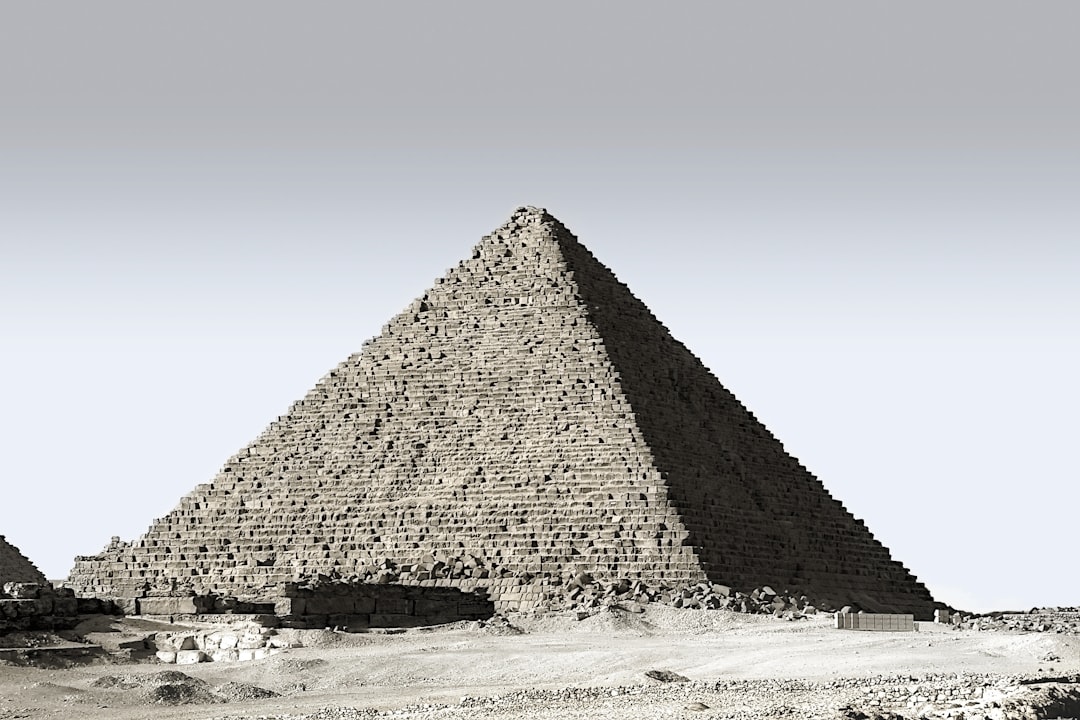
Ancient knowledge has long captivated the imagination of scholars, historians, and enthusiasts alike. This body of wisdom, accumulated over millennia, encompasses a vast array of disciplines, including mathematics, astronomy, medicine, and architecture. The civilizations that flourished in antiquity, such as the Egyptians, Greeks, and Mesopotamians, laid the groundwork for many modern scientific and philosophical concepts.
Their achievements serve as a testament to human ingenuity and the relentless pursuit of understanding the world. Among these remarkable feats stands the construction of the pyramids, particularly those in Egypt, which continue to intrigue and inspire. The pyramids are not merely monumental structures; they represent a confluence of art, science, and spirituality.
The ancient Egyptians possessed an intricate understanding of geometry and engineering, allowing them to create these awe-inspiring edifices that have withstood the test of time. The knowledge embedded in their construction techniques and the cultural significance attributed to these structures provide a glimpse into the values and beliefs of a civilization that thrived thousands of years ago. As researchers delve deeper into the mysteries surrounding these ancient wonders, they uncover layers of knowledge that reveal the sophistication of early human societies.
Discover the secrets behind the pyramid mystery ancient egypt in this fascinating video.
Key Takeaways
- Ancient pyramids hold significant historical and cultural knowledge.
- The construction and purpose of pyramids were closely linked to ancient civilizations’ beliefs.
- The collapse of pyramids can be attributed to both natural disasters and human factors.
- Reconstruction efforts aim to preserve the structural integrity and historical value of pyramids.
- Studying pyramid collapses provides valuable lessons for preserving ancient knowledge.
The Construction of the Pyramid
The construction of the pyramids is a marvel of engineering that has fascinated experts for centuries. The Great Pyramid of Giza, for instance, was built during the Fourth Dynasty of the Old Kingdom around 2580–2560 BCE. It is estimated that this monumental structure required the labor of thousands of workers over a span of approximately 20 years.
The precision with which the pyramid was constructed is astonishing; its base covers an area of about 13 acres and is aligned with incredible accuracy to the cardinal points. This alignment suggests that the ancient Egyptians possessed advanced knowledge of astronomy and mathematics. The methods employed in the construction of these pyramids remain a topic of debate among historians and archaeologists.
Others suggest that ramps were utilized to move the massive stones into place as the pyramid rose. Regardless of the specific techniques used, it is clear that the construction process required meticulous planning and organization.
The workforce was likely composed of skilled laborers who were well-fed and housed, contradicting earlier notions that they were mere slaves. This insight into their working conditions highlights the complexity of ancient Egyptian society and its ability to mobilize resources for monumental projects.
The Purpose of the Pyramid

The purpose of the pyramids extends far beyond their impressive physical presence; they served as grand tombs for pharaohs and a means to facilitate their journey into the afterlife. In ancient Egyptian belief, life did not end with death; rather, it transitioned into a new existence in the realm of the gods.
The elaborate burial chambers within these structures were filled with items deemed necessary for the afterlife, including food, jewelry, and even servants. Moreover, the pyramids symbolized the pharaoh’s divine status and power. They were not only tombs but also representations of the pharaoh’s connection to the gods.
The pyramid’s shape itself is thought to symbolize the rays of sunlight, linking the deceased ruler with Ra, the sun god. This spiritual significance imbued these structures with a sense of purpose that transcended mere functionality. The pyramids served as a reminder of the pharaoh’s authority and a testament to their achievements during their reign.
The Collapse of the Pyramid
Despite their grandeur and enduring legacy, some pyramids faced structural failures over time. The collapse of certain sections or entire pyramids can be attributed to various factors, including natural wear and tear, environmental conditions, and human intervention. For instance, the Pyramid of Meidum experienced significant structural issues shortly after its completion due to design flaws and inadequate construction techniques.
Over time, these weaknesses led to its eventual collapse, leaving behind a fragmented remnant that serves as a cautionary tale about the limits of ancient engineering. The collapse of these monumental structures raises questions about the durability of ancient knowledge and practices. While many pyramids have stood for thousands of years, others succumbed to forces beyond their builders’ control.
This phenomenon highlights not only the challenges faced by ancient civilizations but also their resilience in adapting to changing circumstances. The collapse serves as a reminder that even the most impressive achievements can be vulnerable to time’s relentless march.
Theories on the Collapse
| Metric | Description | Value/Observation | Source/Reference |
|---|---|---|---|
| Number of Known Pyramid Collapses | Recorded instances of pyramid structural failures in ancient times | Approximately 5 major documented cases | Archaeological reports, Egyptology journals |
| Primary Causes of Collapse | Factors contributing to pyramid structural failure | Earthquakes, foundation instability, material degradation | Structural analysis studies, historical records |
| Ancient Knowledge on Structural Integrity | Techniques used by ancient builders to prevent collapse | Use of limestone casing, precise stone cutting, internal chambers for weight distribution | Archaeological findings, ancient texts |
| Estimated Age of Collapsed Pyramids | Time period when pyramids that collapsed were built | Between 2700 BCE and 1500 BCE | Carbon dating, historical chronology |
| Reconstruction Efforts | Modern attempts to restore or study collapsed pyramids | Partial reconstructions, 3D modeling, preservation projects ongoing | Museum archives, restoration project reports |
Numerous theories have emerged regarding the reasons behind the collapse of certain pyramids. Some scholars argue that structural design flaws played a significant role in their downfall. For example, if a pyramid’s base was not adequately reinforced or if its angles were not precisely calculated, it could lead to instability over time.
Additionally, changes in geological conditions or shifts in the earth beneath these massive structures could exacerbate existing weaknesses. Another theory posits that environmental factors contributed significantly to the collapse of some pyramids. Erosion caused by wind and sandstorms can gradually wear away at stone surfaces, compromising their integrity.
Furthermore, fluctuations in groundwater levels may have weakened foundational elements over time. These theories underscore the importance of understanding both human ingenuity and nature’s power in shaping historical outcomes.
Natural Disasters and the Pyramid’s Collapse

Natural disasters have historically posed significant threats to monumental structures worldwide, including Egypt’s iconic pyramids. Earthquakes are one such phenomenon that can lead to catastrophic damage. The region has experienced seismic activity throughout its history, which may have contributed to structural failures in some pyramids.
For instance, evidence suggests that earthquakes may have caused cracks in certain pyramids’ walls or even led to partial collapses. In addition to earthquakes, other natural disasters such as floods can also impact these ancient structures. The Nile River’s annual flooding was crucial for agriculture but could also pose risks to nearby constructions if water levels rose too high or if flooding occurred unexpectedly.
Such events could erode foundations or destabilize structures over time. Understanding how natural disasters influenced pyramid stability provides valuable insights into how ancient Egyptians adapted their architectural practices in response to environmental challenges.
Human Factors and the Pyramid’s Collapse
While natural disasters played a role in some pyramid collapses, human factors cannot be overlooked. Decisions made during construction or maintenance could significantly impact a pyramid’s longevity. For instance, if builders prioritized speed over quality or cut corners in materials used, it could lead to structural weaknesses that would manifest later on.
Historical records indicate that some pyramids underwent modifications or repairs over time; however, these interventions may not always have been executed with precision. Additionally, changes in leadership or shifts in societal priorities could affect how resources were allocated for maintaining these monumental structures. As dynasties rose and fell, so too did their commitment to preserving their predecessors’ legacies.
In some cases, neglect or repurposing materials from older pyramids for new constructions may have contributed to their decline. These human factors highlight how societal dynamics can influence architectural preservation and ultimately determine a structure’s fate.
The Aftermath of the Collapse
The aftermath of a pyramid’s collapse often left behind not only physical remnants but also cultural implications for ancient Egyptian society. When a significant structure like a pyramid fell into disrepair or ruin, it could symbolize a loss of power or divine favor for the ruling pharaohs associated with it. Such events might have prompted shifts in religious practices or societal beliefs regarding death and the afterlife.
Moreover, collapsed pyramids became sites for exploration and curiosity among later generations. As travelers ventured into Egypt during various historical periods, they encountered these ruins and speculated about their origins and purposes. This fascination contributed to a growing interest in archaeology and ancient history that persists today.
The remnants left behind by collapsed pyramids serve as tangible connections to a rich cultural heritage that continues to inspire awe and inquiry.
Reconstruction Efforts
In response to collapses or deterioration over time, various reconstruction efforts have been undertaken throughout history to preserve Egypt’s iconic pyramids. These initiatives often aimed not only at restoring structural integrity but also at maintaining cultural significance for future generations. Archaeologists and conservationists have employed modern techniques alongside traditional methods to stabilize weakened structures while respecting their historical context.
Reconstruction efforts can be complex endeavors requiring careful consideration of materials used and techniques employed during original construction. In some cases, modern materials may be introduced cautiously to reinforce existing structures without compromising authenticity. These efforts reflect an ongoing commitment to preserving ancient knowledge while adapting it for contemporary understanding and appreciation.
Lessons Learned from the Collapse
The study of pyramid collapses offers valuable lessons applicable beyond archaeology or architecture alone; they resonate with broader themes relevant across disciplines today. One key takeaway is recognizing that even monumental achievements are susceptible to failure when faced with unforeseen challenges—be they natural disasters or human errors—underscoring humility in our pursuits. Additionally, understanding how societies respond to crises can inform contemporary practices regarding resource allocation and preservation efforts across various fields—from environmental conservation initiatives aimed at safeguarding ecosystems against climate change impacts—to urban planning strategies designed around resilience against natural disasters.
Preserving Ancient Knowledge
Preserving ancient knowledge remains an essential endeavor for humanity as it provides insights into our collective past while informing future generations about cultural heritage’s significance. Efforts aimed at documenting archaeological findings through research publications or educational programs help ensure this wisdom endures beyond physical structures like pyramids themselves. Furthermore, fostering interdisciplinary collaboration among historians, archaeologists, scientists—and even artists—can enrich our understanding of ancient civilizations’ complexities while inspiring innovative approaches toward preservation efforts moving forward.
In conclusion, exploring ancient knowledge through examining pyramid construction reveals profound insights into human ingenuity while highlighting vulnerabilities inherent within monumental achievements over time—reminding us all that history is not merely about what was built but also about how we learn from both successes—and failures—along our journey through time.
The study of ancient structures, such as the pyramids, often leads to intriguing discussions about the knowledge and techniques used by ancient civilizations. A related article that delves into the mysteries surrounding pyramid construction and the potential reasons for their collapse can be found on the Real Lore and Order website. For more insights, you can read the article [here](https://www.realloreandorder.com/).
WATCH THIS! 🔺 THEY LIED ABOUT THE PYRAMIDS — Here’s The Real Truth 🤯
FAQs
What is meant by “pyramid collapse” in ancient contexts?
Pyramid collapse refers to the structural failure or deterioration of ancient pyramids, which can occur due to natural disasters, erosion, human activity, or foundational weaknesses over time.
Which ancient pyramids are known to have collapsed or partially collapsed?
Several ancient pyramids, including some in Egypt, Mesoamerica, and Sudan, have experienced partial or total collapse. For example, some smaller Egyptian pyramids and certain Mesoamerican pyramids have suffered significant damage or collapse due to age and environmental factors.
What ancient knowledge is associated with pyramid construction?
Ancient knowledge related to pyramid construction includes advanced understanding of geometry, astronomy, engineering, and materials science. Ancient builders used precise measurements, alignment with celestial bodies, and sophisticated construction techniques to create these structures.
How does the study of pyramid collapse contribute to our understanding of ancient civilizations?
Studying pyramid collapse helps archaeologists and historians learn about the construction methods, environmental challenges, and cultural significance of pyramids. It also provides insights into the technological capabilities and societal organization of ancient civilizations.
What factors contribute to the collapse of ancient pyramids?
Factors include natural erosion, earthquakes, weathering, human interference such as looting or repurposing of materials, poor construction techniques, and changes in the surrounding environment.
Can modern technology help prevent further collapse of ancient pyramids?
Yes, modern technology such as 3D scanning, structural analysis, and conservation techniques can help monitor the condition of pyramids and guide restoration efforts to prevent further collapse.
Are there any myths or misconceptions about pyramid collapse and ancient knowledge?
Yes, some myths suggest that pyramid collapses were caused by supernatural forces or lost advanced civilizations. However, scientific research attributes collapses to natural and human factors, and ancient knowledge is understood through archaeological evidence rather than speculation.
What lessons can modern engineers learn from ancient pyramid construction and collapse?
Modern engineers can learn about durable construction techniques, the importance of foundation stability, and the use of natural materials. Studying ancient pyramids also highlights the need for ongoing maintenance and adaptation to environmental changes.