
Antarctica, the southernmost continent on Earth, is a land of extremes, characterized by its vast ice sheets, frigid temperatures, and unique ecosystems. Covering an area of about 14 million square kilometers, it is the fifth-largest continent and is almost entirely covered by ice, which holds around 60% of the world’s fresh water. The continent’s isolation and harsh climate have made it a subject of fascination for scientists and explorers alike.
Despite its inhospitable conditions, Antarctica is home to a variety of life forms, including penguins, seals, and a myriad of microorganisms that thrive in its icy environment. The significance of Antarctica extends beyond its ecological importance; it plays a crucial role in the Earth’s climate system. The continent acts as a massive heat sink, influencing global weather patterns and ocean currents.
As climate change continues to impact the planet, understanding Antarctica’s dynamics becomes increasingly vital. The study of this remote region not only sheds light on past climate conditions but also provides insights into future changes that could have far-reaching consequences for the entire planet.
Key Takeaways
- Antarctica is the southernmost continent on Earth, known for its extreme cold and unique wildlife.
- A pole shift refers to a change in the Earth’s axis, leading to a shift in the location of the geographic poles.
- Geological evidence in Antarctica, such as rock formations and fossil records, suggests past pole shifts.
- Ice core data from Antarctica provides valuable information about past climate changes and potential pole shifts.
- Magnetic anomalies in Antarctica indicate possible movement of the Earth’s magnetic poles.
What is a Pole Shift?
A pole shift refers to a significant change in the orientation of the Earth’s rotational axis or magnetic field. This phenomenon can manifest in two primary forms: true polar wander, where the physical location of the geographic poles shifts, and magnetic pole reversal, where the magnetic north and south poles switch places. While these events occur over geological timescales, they can have profound implications for the Earth’s climate and ecosystems.
The concept of pole shifts has intrigued scientists and the public alike, often sparking discussions about their potential impacts on life on Earth. True polar wander can lead to dramatic changes in climate patterns, as regions that were once temperate may become frigid, while polar regions could experience warming. Magnetic pole reversals, on the other hand, can affect navigation systems and increase exposure to solar radiation due to a weakened magnetic field during the transition period.
Understanding these shifts is essential for predicting their potential consequences on both local and global scales.
Geological Evidence of Pole Shift in Antarctica

Geological evidence supporting the occurrence of pole shifts in Antarctica can be found in various rock formations and sediment layers across the continent. Studies of ancient rocks reveal that the positions of the magnetic poles have changed significantly over millions of years. By examining the orientation of magnetic minerals within these rocks, scientists can reconstruct past magnetic fields and determine the historical locations of the poles.
One notable example is the analysis of sediment cores taken from beneath the Antarctic ice sheets. These cores contain layers of sediment that have accumulated over thousands of years, preserving a record of environmental changes. By studying these layers, researchers have identified periods of significant climatic shifts that correspond with known pole shifts.
This geological evidence not only supports the theory of pole shifts but also provides valuable insights into how such events have influenced Antarctica’s climate and ecosystems throughout history.
Ice Core Data and Pole Shift
| Ice Core Data | Pole Shift |
|---|---|
| Ice core samples provide information about past climate conditions | A pole shift is a change in the Earth’s magnetic field |
| Ice cores can reveal atmospheric composition and temperature changes | Pole shifts can have effects on navigation and animal migration |
| Scientists use ice core data to study climate change over long periods of time | Pole shifts are a natural process that occurs over geological time scales |
Ice core data serves as a critical tool for understanding past climate conditions and their relationship to pole shifts. Scientists extract cylindrical samples from ice sheets, which contain trapped air bubbles and layers of snow that have compacted over time. These layers provide a chronological record of atmospheric composition, temperature fluctuations, and even volcanic activity over hundreds of thousands of years.
By analyzing ice cores from Antarctica, researchers have been able to identify periods of rapid climate change that coincide with geological evidence of pole shifts. For instance, variations in greenhouse gas concentrations found in these cores suggest that significant shifts in climate occurred during times when the Earth’s magnetic field underwent reversals. This correlation highlights the interconnectedness of Earth’s systems and underscores the importance of studying ice core data to understand how pole shifts may influence future climate scenarios.
Magnetic Anomalies in Antarctica
Magnetic anomalies in Antarctica provide further evidence for the occurrence of pole shifts and their potential impacts on the continent’s geology and ecology. These anomalies are variations in the Earth’s magnetic field caused by differences in the composition and structure of rocks beneath the surface. In Antarctica, researchers have identified several areas with distinct magnetic signatures that suggest past movements of the magnetic poles.
One significant finding is the presence of ancient volcanic rocks that exhibit unusual magnetic properties. These rocks indicate that they formed during periods when the magnetic field was oriented differently than it is today. By mapping these anomalies, scientists can gain insights into the history of magnetic pole reversals and their timing relative to other geological events.
Understanding these magnetic anomalies not only enriches knowledge about Antarctica’s geological history but also aids in predicting how future pole shifts may unfold.
Impact on Antarctic Wildlife
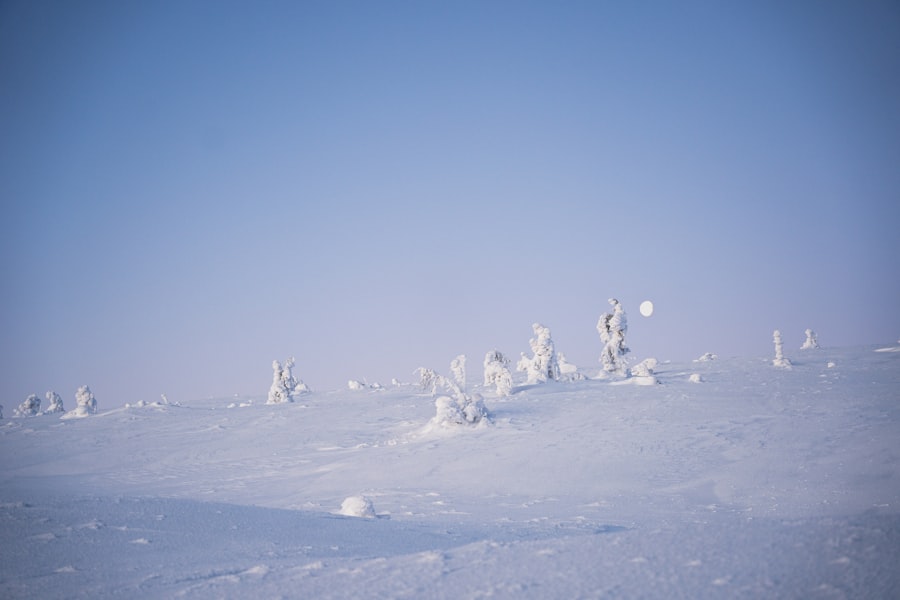
The potential impacts of pole shifts on Antarctic wildlife are profound and multifaceted. As climate patterns shift due to changes in the Earth’s orientation, habitats may be altered significantly, affecting species distribution and survival. For instance, penguins, seals, and other marine animals rely on stable ice conditions for breeding and feeding.
A sudden shift in climate could disrupt these critical habitats, leading to declines in populations or even local extinctions. Moreover, changes in ocean currents resulting from a pole shift could affect nutrient distribution in surrounding waters, impacting food availability for marine life. The delicate balance of Antarctic ecosystems is already under threat from climate change; thus, a pole shift could exacerbate existing challenges faced by wildlife.
Understanding these potential impacts is crucial for developing conservation strategies aimed at protecting Antarctic species in an uncertain future.
Theories about the Cause of Pole Shift
Several theories have been proposed regarding the causes of pole shifts, ranging from natural geological processes to external cosmic events. One prominent theory suggests that tectonic activity plays a significant role in true polar wander. As tectonic plates shift and move over time, they can redistribute mass across the planet, leading to changes in the Earth’s rotational axis.
Another theory posits that large-scale climatic events, such as glaciation or deglaciation periods, can influence pole shifts by altering the distribution of ice and water on Earth’s surface. The melting or accumulation of ice can change gravitational forces acting on the planet, potentially triggering a shift in its axis. Additionally, some researchers speculate that interactions with celestial bodies, such as gravitational influences from nearby planets or asteroids, could also contribute to changes in Earth’s orientation.
Potential Impacts of Pole Shift on Global Climate
The potential impacts of a pole shift on global climate are complex and far-reaching. A significant shift in the Earth’s rotational axis could lead to dramatic changes in temperature distribution across the globe.
Such changes would not only affect local weather patterns but could also disrupt global ocean currents that regulate climate systems worldwide. For instance, alterations in ocean circulation could lead to more extreme weather events, including hurricanes and droughts. The interconnectedness of Earth’s systems means that a pole shift could trigger cascading effects across ecosystems and human societies alike.
Historical Evidence of Pole Shifts
Historical evidence for pole shifts can be traced through geological records and ancient texts that document significant climatic changes over millennia.
These reversals are often associated with periods of environmental upheaval marked by drastic changes in temperature and sea levels.
In addition to geological records, ancient civilizations have left behind accounts that may reference climatic shifts linked to pole movements. For example, some cultures documented unusual weather patterns or catastrophic events that align with known periods of magnetic reversals. By piecing together these historical narratives with scientific data, researchers can gain a more comprehensive understanding of how past pole shifts have shaped both natural environments and human societies.
Current Research and Studies on Antarctica and Pole Shift
Current research on Antarctica and pole shifts is multifaceted, involving geologists, climatologists, biologists, and other scientists working collaboratively to unravel the complexities of this remote continent. Ongoing studies focus on analyzing ice cores, mapping geological formations, and monitoring wildlife populations to assess how changes in climate may be influenced by shifting poles. Advancements in technology have also enhanced research capabilities in Antarctica.
Satellite imagery allows scientists to monitor ice sheet dynamics and track changes in sea level with unprecedented precision. Additionally, interdisciplinary approaches are being employed to integrate data from various fields, providing a holistic view of how pole shifts may impact both Antarctica and the broader global environment.
Conclusion and Implications for the Future
In conclusion, Antarctica stands as a critical piece in understanding Earth’s past and future dynamics concerning pole shifts. The geological evidence, ice core data, magnetic anomalies, and historical records all point toward a complex interplay between shifting poles and climatic changes throughout history. As scientists continue to study this enigmatic continent, they uncover valuable insights into how such phenomena may shape not only Antarctica but also global ecosystems.
The implications for the future are profound; as climate change accelerates and our understanding deepens, it becomes increasingly essential to consider how potential pole shifts could impact life on Earth. By fostering interdisciplinary research efforts and prioritizing conservation strategies for vulnerable species, humanity can better prepare for an uncertain future shaped by these natural phenomena. The lessons learned from Antarctica will undoubtedly inform global responses to environmental challenges as we navigate an ever-changing planet.
In recent discussions about the potential evidence of a pole shift in Antarctica, it’s essential to consider various perspectives and related research. An intriguing article that delves into the broader implications of such geological phenomena can be found on Real Lore and Order. This piece explores the historical context and scientific theories surrounding pole shifts, providing a comprehensive overview of the topic. For those interested in understanding the complexities and potential impacts of a pole shift, you can read more about it in this related article.
WATCH THIS 🧊The US Military Confirmed It: What’s REALLY Under the Antarctic Ice?
FAQs
What is a pole shift?
A pole shift is a phenomenon in which the Earth’s axis of rotation moves and the geographic locations of the North and South poles change.
What evidence is there of a pole shift in Antarctica?
There is geological evidence in Antarctica that suggests the continent has experienced multiple pole shifts over millions of years. This evidence includes the presence of ancient magnetic minerals that have been oriented in different directions, indicating a change in the Earth’s magnetic field.
How does the evidence of a pole shift in Antarctica impact us?
Studying the evidence of pole shifts in Antarctica can provide valuable insights into the Earth’s past climate and geological history. It can also help scientists better understand the dynamics of the Earth’s magnetic field and its potential impact on the planet.
Is there a pole shift currently happening?
There is no scientific evidence to suggest that a pole shift is currently occurring. The Earth’s magnetic field does undergo regular fluctuations, but a complete pole shift, as seen in the geological record, is not expected to happen in the near future.