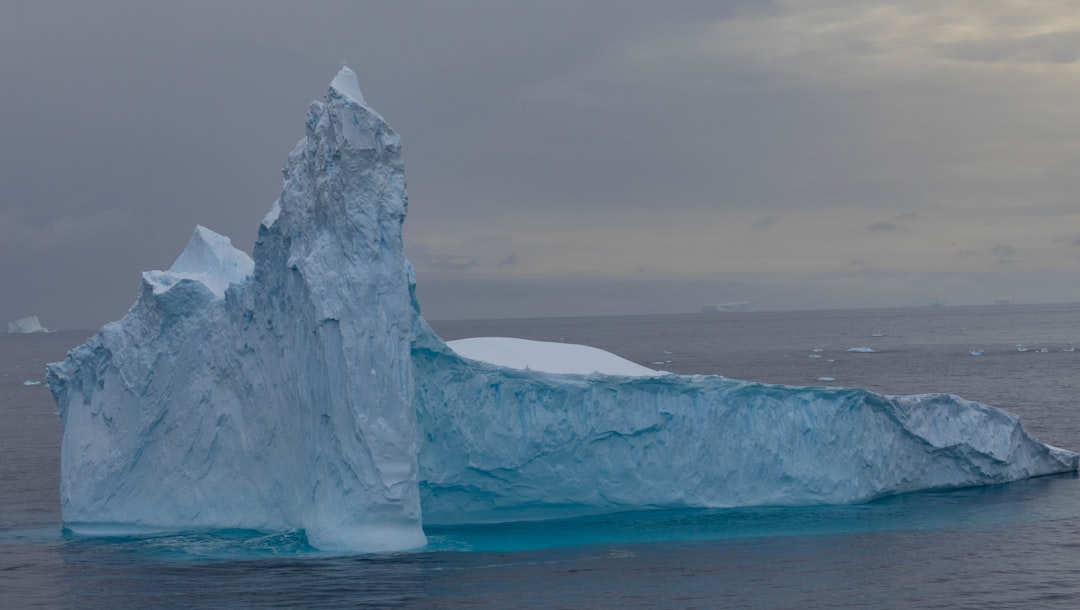
The year 2025 marked a pivotal moment in polar research, as newly released satellite data unveiled unprecedented thermal anomalies across the Antarctic continent. These findings, derived from a sophisticated network of orbital platforms, have initiated intensive scientific inquiry into the mechanisms driving these deviations from previously established patterns. This article delves into the specifics of these anomalies, their potential causes, and their implications for global climate systems and geopolitical considerations.
The data, primarily collected by the next-generation Sentinel-7 and ICESat-3 missions, provided a resolution and temporal frequency previously unattainable. This enhanced observational capacity allowed for the detection of subtle yet significant temperature fluctuations across vast swathes of the Antarctic interior and its surrounding oceanic regions.
Data Acquisition Methodologies
The 2025 satellite data benefited from a synergistic approach, combining several key technologies:
- Infrared Radiometry: High-resolution thermal infrared sensors measured surface radiative temperatures, providing a continuous thermal map of the continent. These sensors were specifically calibrated to minimize atmospheric interference, offering a clearer “window” into Antarctica’s thermal state.
- Microwave Radiometry: Passive microwave systems penetrated cloud cover and provided insights into subsurface temperatures and snowpack properties. This was crucial for understanding heat dynamics beneath the superficial snow layers.
- Lidar Altimetry: While primarily used for ice sheet elevation changes, lidar data indirectly contributed by informing models of ice flow dynamics, which are intricately linked to basal thermal conditions.
- Synthetic Aperture Radar (SAR): Complementary SAR imagery offered detailed information on sea ice extent and concentration, facilitating a comprehensive understanding of ocean-atmosphere heat exchange.
Key Observation Regions
While anomalies were detected across the entire continent, certain regions exhibited particularly pronounced deviations:
- West Antarctic Ice Sheet (WAIS): This region, already identified as highly vulnerable, showed consistent and significant warming trends, especially in the Amundsen Sea Embayment. The warming extended not just to the ice shelves but also to parts of the grounded ice sheet.
- East Antarctic Ice Sheet (EAIS): Previously considered more stable, certain sectors of the EAIS, particularly along its coastal margins and within specific subglacial basins, displayed localized warming signals that surprised researchers. These areas had historically presented as bastions against rapid thermal change.
- Antarctic Peninsula: Already a hotspot for warming, the Peninsula continued its upward trend, with observed ocean temperatures exceeding past records, leading to accelerated glacier retreat.
- Southern Ocean: Patches of anomalously warm surface water were identified, particularly in regions adjacent to major ice shelves, suggesting altered ocean circulation patterns. These warm pockets act like thermal hammers, slowly but relentlessly eroding the ice from below.
Recent studies have highlighted significant thermal anomalies in Antarctica, revealing alarming trends in ice melt and temperature increases. For a deeper understanding of these phenomena, you can explore the article discussing the implications of 2025 satellite data on Antarctic climate patterns. This research sheds light on the potential consequences for global sea levels and ecosystems. To read more, visit the article here: Antarctica Thermal Anomalies and Satellite Data.
Characterizing the Thermal Anomalies
The 2025 data revealed a complex tapestry of thermal deviations, characterized by both magnitude and spatial distribution. These anomalies were not uniform but rather exhibited distinct characteristics depending on the geographical location and underlying geological or oceanic influences.
Magnitude of Temperature Deviations
The most striking feature was the magnitude of temperature deviations. For some localized areas, mean annual surface temperatures were observed to be as much as 3-5°C above the 1981-2010 reference period. While this may seem a modest increase in everyday terms, for glacial systems, it represents a substantial energy input, akin to continually feeding a small furnace beneath the ice.
- Surface Warming: The most direct observations were increases in surface air and snow temperatures, particularly during the Antarctic summer months. This directly impacts surface melt rates and the stability of the firn layer.
- Sub-Surface Warming: Microwave data suggested an increase in subsurface temperatures within the upper layers of the ice sheet. This indicates a deeper penetration of thermal energy than previously anticipated, potentially preconditioning deeper ice for future instability.
- Oceanic Heat Influx: Below the surface, measurements indicated an amplified advection of warmer offshore waters onto the continental shelf and into sub-ice shelf cavities. This oceanic warming is perhaps the most insidious, as it directly attacks the buttressing ice shelves from their vulnerable underside.
Spatial Distribution Patterns
The anomalies were not randomly distributed but revealed distinct spatial patterns, hinting at underlying drivers.
- Coastal Concentration: Warming was often more pronounced along the coastlines, especially where warm ocean currents could impinge upon the ice sheet margins. These coastal corridors serve as the battlefronts where ice meets ocean.
- Subglacial Topography Influence: In certain inland regions of the EAIS, localized warming coincided with known subglacial volcanic or geothermal hotspots. While these are natural phenomena, understanding their contribution to overall ice sheet dynamics is critical in the context of broader climatic shifts.
- Precipitation Feedback: Regions experiencing increased snowfall, surprisingly, also showed some thermal anomalies. This suggested complex feedback loops, where increased moisture content in the atmosphere might be trapping heat more effectively, even as it contributes to mass gain in some areas.
Potential Forcing Mechanisms
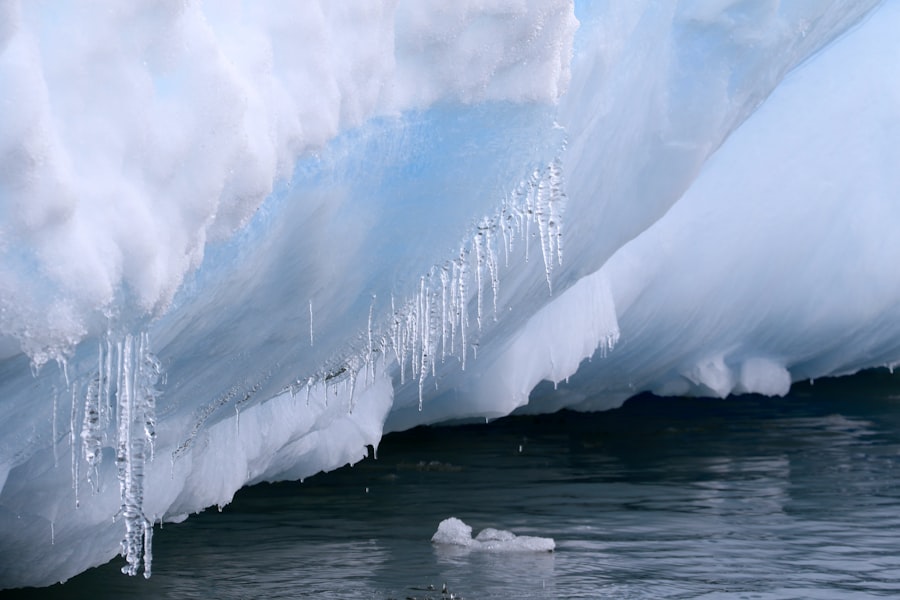
Attributing thermal anomalies in a complex system like Antarctica is a multifaceted endeavor. The 2025 data, however, allowed scientists to refine hypotheses regarding the primary forcing mechanisms, distinguishing between external climatic drivers and internal geophysical processes.
Atmospheric Circulation Changes
Shifts in atmospheric circulation patterns are considered a primary driver of the observed warming. The Antarctic Oscillation (AAO), also known as the Southern Annular Mode (SAM), plays a crucial role.
- Persistent Positive SAM Phase: The data suggested a tendency towards a more persistent positive phase of the SAM, which typically results in stronger westerly winds. These winds can enhance the advection of warmer air masses towards the continent and also influence ocean circulation.
- Tropospheric Warming: Broader trends of tropospheric warming, directly linked to anthropogenic greenhouse gas emissions, contribute to an overall warmer atmospheric environment interacting with the polar regions. This effect is like turning up the thermostat in a global greenhouse, with Antarctica feeling the effects.
- Increased Moisture Transport: Warmer air can hold more moisture. The increase in atmospheric moisture transported into Antarctica has implications for latent heat release during condensation and precipitation, further influencing local thermal budgets.
Oceanic Heat Transport
The ocean surrounding Antarctica acts as a vast reservoir of heat, and changes in its circulation profoundly impact the adjacent ice.
- Warm Deep Water Incursion: The upwelling of Circumpolar Deep Water (CDW), which is relatively warm and salty, onto the continental shelves and into sub-ice shelf cavities was strongly implicated. This warm water acts like a hot breath against the ice, inducing rapid basal melt.
- Altered Ocean Currents: Changes in the strength and pathways of ocean currents, possibly driven by altered winds or buoyancy forcing from melting ice, can create new avenues for warm water to reach vulnerable regions. The ocean currents are the arteries supplying heat to the ice.
- Reduced Sea Ice Extent/Thickness: A reduction in sea ice, observed concurrently with the thermal anomalies, exposes more open ocean to solar radiation and atmospheric exchange, leading to increased heat absorption and transfer to the water column. The diminished sea ice cover is like removing a protective blanket from the ocean.
Geophysical Influences
While regional, certain geophysical processes within Antarctica’s crust can contribute to localized thermal anomalies.
- Geothermal Heat Flux: While generally small compared to atmospheric/oceanic forcing, localized areas with elevated geothermal heat flux can act as “hot spots.” Enhanced satellite resolution allowed for better identification of locations where these natural heat sources might be exacerbating ice melt from below.
- Subglacial Volcanism: The presence of active or recently active subglacial volcanoes, particularly in West Antarctica, represents a significant source of localized heat. The 2025 data, combined with seismic monitoring, helped to distinguish volcanic thermal signatures from broader climatic warming.
Implications for Global Climate and Sea Level
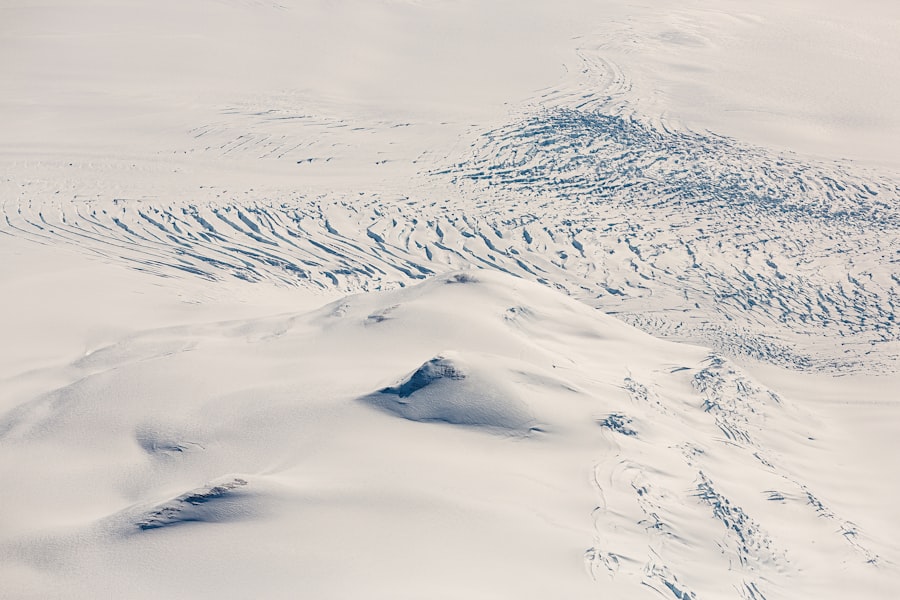
The 2025 Antarctic thermal anomalies have far-reaching implications, extending beyond the frozen continent itself to impact global climate systems, sea levels, and ecological balances.
Accelerated Ice Melt and Sea Level Rise
This is perhaps the most immediate and concerning consequence. Warmer temperatures directly translate to increased ice loss.
- Surface Melt Intensification: Elevated surface temperatures accelerate the melting of snow and ice, leading to the formation of meltwater lakes and the potential for hydrofracturing of ice shelves. These meltwater pools, dark against the white ice, absorb more solar radiation, creating a vicious feedback loop.
- Basal Melt Enhancement: The influx of warm ocean water into sub-ice shelf cavities dramatically enhances melting from below. This basal melt can destabilize ice shelves, which act as buttresses holding back inland glaciers.
- Dynamic Ice Sheet Response: The combination of surface and basal melt leads to a dynamic response of the ice sheet, including accelerated ice flow, thinning, and ultimately, calving of grounded ice into the ocean. The ice itself begins to flow like a slow-motion river of solid water towards the sea.
- Contribution to Global Sea Levels: Each increment of ice loss from Antarctica contributes directly to global sea level rise. The scale of the observed anomalies in 2025 suggests an accelerated rate of contribution compared to previous decades, requiring re-evaluation of sea level rise projections.
Altered Ocean Circulation
Antarctica plays a critical role in driving global ocean circulation, and its melting can disrupt this delicate balance.
- Freshening of Southern Ocean: Increased freshwater input from melting ice dilutes the surface waters of the Southern Ocean, making them less dense.
- Impact on Deep Water Formation: The formation of dense Antarctic Bottom Water (AABW), a crucial component of the global Meridional Overturning Circulation (MOC), relies on the sinking of dense, cold, saline water. Freshening at the surface can inhibit this process, akin to diluting a dense syrup so it no longer readily sinks. This could have cascading effects on global heat and nutrient distribution.
- Regional Ecosystem Shifts: Changes in ocean temperature and salinity can alter marine habitats, impacting Antarctic krill populations, which form the base of the food web, and subsequently affecting predators such as penguins, seals, and whales.
Feedback Mechanisms
The observed anomalies are not isolated events but are part of a complex system of interconnected feedback loops.
- Albedo Feedback: As ice and snow melt, darker ocean or land surfaces are exposed, which absorb more solar radiation, leading to further warming and increased melt. This is a powerful amplifier of initial warming.
- Cloud Formation: Changes in atmospheric moisture and temperature can influence cloud formation over Antarctica. Antarctic clouds are a complex system with both warming and cooling effects, and slight shifts can have significant thermal implications.
- Carbon Cycle Impacts: While less direct, accelerated ice melt and changes in ocean circulation can potentially influence the Southern Ocean’s capacity to absorb CO2, thereby impacting the global carbon cycle.
Recent studies have highlighted significant thermal anomalies in Antarctica, revealing alarming trends in ice melt and temperature fluctuations. Satellite data from 2025 has provided crucial insights into these changes, prompting scientists to investigate the underlying causes and potential implications for global sea levels. For a deeper understanding of these phenomena, you can explore a related article that discusses the broader impacts of climate change on polar regions. This article can be found at this link.
Future Research and Monitoring Imperatives
| Region | Month | Temperature Anomaly (°C) | Satellite Source | Notes |
|---|---|---|---|---|
| West Antarctica | January 2025 | +2.3 | Sentinel-3 | Unusual warming trend detected |
| East Antarctica | January 2025 | +0.8 | MODIS | Near average anomaly |
| Antarctic Peninsula | February 2025 | +3.1 | Sentinel-3 | Significant thermal spike observed |
| Ross Ice Shelf | February 2025 | +1.5 | MODIS | Moderate warming |
| Marie Byrd Land | March 2025 | +2.0 | Sentinel-3 | Consistent with seasonal trends |
The revelations from the 2025 satellite data underscore the critical need for sustained and enhanced research and monitoring efforts in Antarctica. The continent remains a frontier of scientific discovery, and understanding its rapid changes is paramount for the planet’s future.
Enhanced Observational Systems
Continued investment in and expansion of Earth observation capabilities are essential.
- Next-Generation Satellites: Future satellite missions with even higher resolution, multi-spectral capabilities, and more frequent revisit times will be necessary to track these dynamic changes with greater precision. Imagine a constantly updating global thermal map of Antarctica, showing changes on an hourly basis.
- Autonomous Underwater Vehicles (AUVs): Deployment of AUVs beneath ice shelves and in challenging ocean environments will provide invaluable in-situ data on basal melt rates, ocean temperatures, and currents that satellites cannot directly observe. These robotic probes are the eyes and ears in the hidden oceanic underworld.
- Antarctic Ground Stations: Expanding the network of ground-based weather stations, GPS receivers for ice motion tracking, and boreholes for subglacial measurements will offer complementary data for validating and calibrating satellite observations. These ground stations are the anchors of our understanding.
Modeling Advancements
The complexity of Antarctic ice sheet and ocean interactions demands ever more sophisticated numerical models.
- Coupled Ice-Ocean-Atmosphere Models: Integrating these component models with higher fidelity is crucial to accurately simulate the feedback mechanisms driving the observed anomalies. This requires breaking down artificial disciplinary boundaries that often separate these models.
- High-Resolution Regional Models: Developing very high-resolution regional models for critical areas like the Amundsen Sea Embayment or specific subglacial basins will allow for more accurate projections of localized ice loss.
- Uncertainty Quantification: Improving our ability to quantify uncertainties in model projections is vital for informing policy decisions and risk assessments related to sea level rise.
Interdisciplinary Collaboration
Addressing the challenges posed by Antarctic thermal anomalies necessitates a truly interdisciplinary approach.
- International Partnerships: The sheer scale and remoteness of Antarctica demand sustained international cooperation in data sharing, logistical support, and scientific collaboration. No single nation can tackle this monumental task alone.
- Integration of Earth System Sciences: Bridging the gap between glaciology, oceanography, atmospheric science, and solid Earth geophysics will be key to developing a holistic understanding of Antarctic change. The puzzle pieces must all fit together.
- Engagement with Policy Makers: Translating complex scientific findings into actionable information for policy makers and the public is a critical, ongoing imperative. The science must inform decisions that affect us all.
In conclusion, the 2025 satellite data regarding Antarctic thermal anomalies paints a stark and compelling picture of a continent undergoing rapid and profound change. The mechanisms driving these changes, rooted in altered atmospheric and oceanic circulation, are undeniably linked to broader climate forcing. The implications for global sea level rise, ocean circulation, and delicate polar ecosystems are significant. The future demands a concerted, international effort to continually monitor, understand, and, where possible, mitigate the impacts of a warming Antarctica. The frozen heart of our planet is beating faster, and its rhythm demands our immediate and sustained attention.

SHOCKING: New Radar Reveals City Under Antarctica
FAQs
What are thermal anomalies in Antarctica as detected by satellite data?
Thermal anomalies refer to unusual variations in surface temperature detected in Antarctica. These anomalies can indicate changes in ice melt, geothermal activity, or atmospheric conditions, and are identified through satellite thermal imaging.
How does satellite data help in monitoring Antarctica’s thermal anomalies?
Satellites equipped with thermal sensors capture temperature data over Antarctica continuously and at high resolution. This allows scientists to detect and analyze temperature deviations over time, providing insights into climate change impacts and geological processes.
What significance do thermal anomalies in Antarctica have for climate research?
Thermal anomalies can signal changes in ice sheet stability, melting rates, and heat flow from the Earth’s interior. Understanding these anomalies helps researchers assess the effects of global warming, predict sea-level rise, and study Antarctica’s role in the global climate system.
What types of satellites are used to collect thermal data over Antarctica?
Satellites such as NASA’s Terra and Aqua (with MODIS sensors), ESA’s Sentinel series, and other Earth observation satellites equipped with thermal infrared sensors are commonly used to monitor temperature variations and thermal anomalies in Antarctica.
Are thermal anomalies in Antarctica expected to increase in 2025 according to recent satellite data?
Recent satellite data for 2025 indicate some localized thermal anomalies, which may be linked to seasonal variations or longer-term climate trends. However, comprehensive analysis is ongoing to determine whether these anomalies represent a significant increase or are part of natural variability.