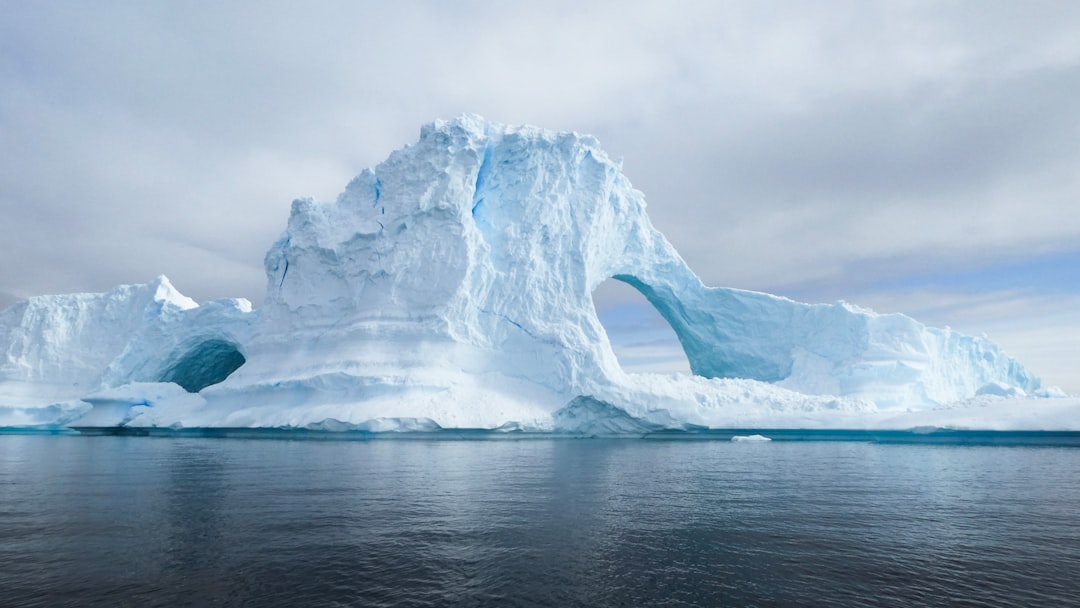
Antarctica, often perceived as a desolate and icy wasteland, holds a rich tapestry of history that remains largely shrouded in mystery. This vast continent, which is the fifth largest in the world, has long captivated the imagination of explorers, scientists, and historians alike. Its extreme conditions and isolation have preserved a wealth of secrets beneath its ice sheets, waiting to be uncovered.
The allure of Antarctica lies not only in its breathtaking landscapes but also in the stories of human endeavor and the remnants of ancient life that lie hidden beneath its frozen surface. The enigmatic past of Antarctica invites inquiry into its geological formations, climatic shifts, and the potential for ancient civilizations. As researchers delve deeper into the continent’s history, they uncover evidence that challenges preconceived notions about its role in Earth’s past.
The quest to understand Antarctica’s mysterious past is not merely an academic pursuit; it is a journey that intertwines the narratives of exploration, survival, and the ever-changing relationship between humanity and the natural world.
Key Takeaways
- Antarctica holds a mysterious past that has fascinated explorers and scientists for centuries.
- Early explorers braved harsh conditions to discover and map the frozen continent, leading to the race for the South Pole.
- The existence of ancient civilizations in Antarctica remains a topic of debate among researchers.
- Fossils and evidence of prehistoric life found in Antarctica provide valuable insights into Earth’s history.
- Antarctica’s geological history and role in climate change have significant implications for the planet’s future.
Early Exploration and Discovery of Antarctica
The story of Antarctica’s exploration began in earnest during the Age of Enlightenment, when European powers sought to map the uncharted territories of the globe. The first recorded sighting of the Antarctic landmass occurred in 1820, when a Russian expedition led by Fabian Gottlieb von Bellingshausen and Mikhail Lazarev spotted the continent’s icy shores. This moment marked a significant milestone in human exploration, igniting a fervor among adventurers eager to claim their stake in this remote land.
Following this initial discovery, numerous expeditions set sail for Antarctica, each contributing to the growing body of knowledge about the continent. Notable figures such as James Clark Ross and Charles Wilkes embarked on ambitious voyages that expanded geographical understanding and charted previously unknown territories. These early explorers faced treacherous conditions, battling fierce storms and subzero temperatures, yet their determination paved the way for future generations to continue unraveling the mysteries of this frozen frontier.
The Race for the South Pole: Historic Expeditions

The early 20th century witnessed an intense competition among explorers to reach the South Pole, a quest that would become emblematic of human ambition and resilience. The most famous of these expeditions were led by Robert Falcon Scott and Roald Amundsen, whose contrasting approaches to exploration highlighted the challenges of survival in one of the harshest environments on Earth. Amundsen’s successful expedition in December 1911 marked a pivotal moment in polar history, as he became the first person to set foot at the South Pole.
Scott’s ill-fated journey, which followed shortly after Amundsen’s triumph, serves as a poignant reminder of the perils faced by those who dared to venture into Antarctica’s unforgiving landscape. His team encountered insurmountable obstacles, including extreme weather conditions and dwindling supplies, ultimately leading to their tragic demise. The contrasting outcomes of these expeditions not only shaped public perception of Antarctic exploration but also underscored the importance of preparation and adaptability in the face of nature’s formidable challenges.
Ancient Antarctic Civilizations: Myth or Reality?
| Metrics | Findings |
|---|---|
| Antarctic Civilization Evidence | Limited archaeological evidence |
| Historical Accounts | Mythical and speculative |
| Scientific Research | No conclusive evidence |
| Popular Beliefs | Subject of conspiracy theories |
The notion of ancient civilizations existing in Antarctica has long been a topic of speculation and intrigue. Some theories suggest that the continent may have once been home to advanced societies before it became engulfed in ice. Proponents of this idea point to various myths and legends from different cultures that speak of lost lands and advanced peoples.
However, these claims often lack substantial evidence and remain largely within the realm of speculation. While there is no concrete proof of ancient civilizations in Antarctica, researchers have uncovered geological evidence indicating that the continent was once much warmer and more hospitable than it is today. Fossilized remains of plants and animals suggest that Antarctica was once part of a lush ecosystem teeming with life.
This raises intriguing questions about how climate change has shaped not only the physical landscape but also the potential for human habitation in ancient times.
Uncovering Fossils and Evidence of Prehistoric Life
The icy expanse of Antarctica serves as a time capsule, preserving remnants of prehistoric life that offer valuable insights into Earth’s evolutionary history. Paleontologists have made remarkable discoveries, unearthing fossils that date back millions of years. These findings reveal that Antarctica was once home to diverse flora and fauna, including dinosaurs and ancient forests.
One notable discovery involved fossilized remains of giant penguins that roamed the continent during its warmer periods. These findings challenge conventional narratives about penguin evolution and adaptation, highlighting how climate fluctuations have influenced species development over time. As researchers continue to excavate these ancient sites, they piece together a more comprehensive understanding of how life thrived in Antarctica long before it became the icy wilderness it is today.
Antarctica’s Role in Earth’s Geological History
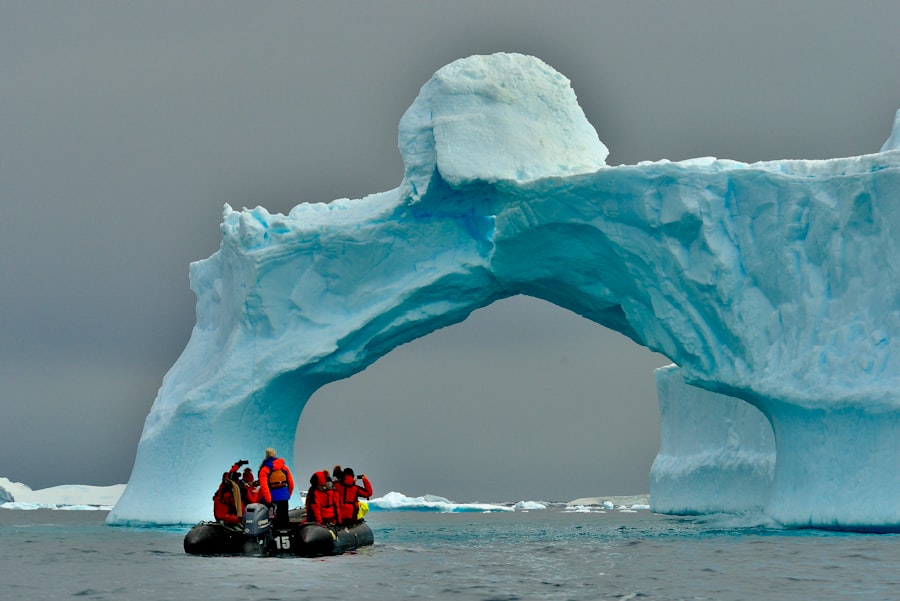
Antarctica’s geological history is intricately linked to global processes that have shaped the planet over millions of years. The continent’s position at the southernmost point of Earth has made it a crucial player in understanding climate patterns and tectonic activity. Its ice sheets act as indicators of climate change, providing valuable data for scientists studying past and present environmental shifts.
The movement of tectonic plates has also played a significant role in shaping Antarctica’s landscape. The continent was once part of the supercontinent Gondwana, which included present-day South America, Africa, Australia, and India. As Gondwana broke apart, Antarctica drifted southward, leading to its current isolation.
This geological history not only informs scientists about Earth’s past but also offers insights into future climate scenarios as global temperatures continue to rise.
The Impact of Climate Change on Antarctica’s Historical Artifacts
As climate change accelerates, Antarctica faces unprecedented challenges that threaten its historical artifacts and natural heritage. Melting ice sheets and rising temperatures are exposing previously buried sites, revealing remnants of past expeditions and ancient ecosystems.
The delicate balance between exploration and conservation becomes increasingly critical as researchers navigate the complexities of studying these artifacts while safeguarding them from further degradation. The potential loss of historical sites due to climate change underscores the urgency for international cooperation in preserving Antarctica’s unique heritage for future generations.
The Search for Lost Ships and Explorers in Antarctica
The treacherous waters surrounding Antarctica have claimed numerous ships and explorers throughout history, leading to ongoing efforts to locate these lost vessels. One notable case is that of Ernest Shackleton’s Endurance, which sank in 1915 during his ill-fated expedition to cross the continent. The search for this iconic ship has captivated historians and adventurers alike, symbolizing humanity’s enduring fascination with exploration.
Recent advancements in technology have enhanced search efforts, allowing researchers to utilize underwater drones and sonar mapping to locate wrecks hidden beneath layers of ice. These endeavors not only aim to recover artifacts but also seek to honor the legacy of those who ventured into the unknown. Each discovery adds another chapter to Antarctica’s rich narrative, reminding us of the sacrifices made in pursuit of knowledge and adventure.
Antarctica’s Role in Global History and Politics
Antarctica’s significance extends beyond its geographical boundaries; it plays a vital role in global history and politics. The Antarctic Treaty System, established in 1961, represents a landmark agreement among nations to preserve the continent for peaceful scientific research while prohibiting military activity and mineral mining. This treaty reflects a collective commitment to safeguarding Antarctica’s unique environment amid growing geopolitical tensions.
As nations grapple with issues related to climate change and resource management, Antarctica remains a focal point for international cooperation. The continent serves as a reminder that collaboration is essential for addressing global challenges that transcend borders. The ongoing dialogue surrounding Antarctic governance highlights the importance of balancing scientific exploration with environmental stewardship.
The Future of Antarctic Exploration and Preservation of its Historical Sites
Looking ahead, the future of Antarctic exploration hinges on striking a balance between scientific inquiry and preservation efforts. As researchers continue to uncover new findings about the continent’s past, there is an increasing recognition of the need for sustainable practices that protect its fragile ecosystems. Collaborative initiatives among nations will be crucial in ensuring that exploration does not come at the expense of environmental integrity.
Moreover, advancements in technology will play a pivotal role in shaping future expeditions. Remote sensing tools and artificial intelligence can enhance data collection while minimizing human impact on sensitive areas. By embracing innovative approaches to exploration, scientists can continue to unravel Antarctica’s mysteries while safeguarding its historical sites for generations to come.
The Ongoing Quest to Uncover Antarctica’s Unknown Past
Antarctica remains an enigmatic frontier that continues to inspire curiosity and wonder. Its mysterious past beckons explorers and researchers alike to delve deeper into its icy embrace, revealing stories that span millions of years. From early expeditions seeking glory at the South Pole to modern-day efforts aimed at understanding climate change, each chapter adds depth to our understanding of this unique continent.
As humanity grapples with pressing global challenges, Antarctica serves as both a reminder of our shared responsibility to protect our planet and an invitation to explore its hidden treasures. The ongoing quest to uncover Antarctica’s unknown past is not merely an academic endeavor; it is a testament to human resilience and our enduring desire to connect with the natural world. Through continued exploration and preservation efforts, future generations will inherit not only a wealth of knowledge but also a profound appreciation for one of Earth’s last great frontiers.
The history of Antarctica before its discovery is a fascinating subject that delves into the ancient theories and myths surrounding this icy continent. Before explorers set foot on its frozen terrain, Antarctica was shrouded in mystery, often depicted in ancient maps and speculative theories. For those interested in exploring more about the myths and legends that have shaped our understanding of this enigmatic land, you can read a related article on the topic by visiting this page. This article provides insights into the lore and historical narratives that predate the continent’s official discovery, offering a glimpse into the human imagination and its attempts to comprehend the unknown.
WATCH THIS 🧊The US Military Confirmed It: What’s REALLY Under the Antarctic Ice?
FAQs
What is the history of Antarctica before discovery?
Antarctica was not discovered until 1820, but it is believed to have been known to ancient civilizations.
What evidence suggests that ancient civilizations may have known about Antarctica?
There are theories and evidence that suggest ancient civilizations, such as the Greeks and Romans, may have had knowledge of a southern continent. This includes the Piri Reis map, which shows an accurate depiction of the coastline of Antarctica.
When was Antarctica officially discovered?
The first confirmed sighting of Antarctica was in 1820 by a Russian expedition led by Fabian Gottlieb von Bellingshausen and Mikhail Lazarev.
What was the early exploration of Antarctica like?
Early exploration of Antarctica was challenging and dangerous due to the harsh climate and treacherous conditions. Explorers faced extreme cold, icebergs, and isolation.
What impact did the discovery of Antarctica have on global exploration?
The discovery of Antarctica opened up new opportunities for exploration and scientific research in the region. It also sparked international interest in claiming territory in Antarctica.