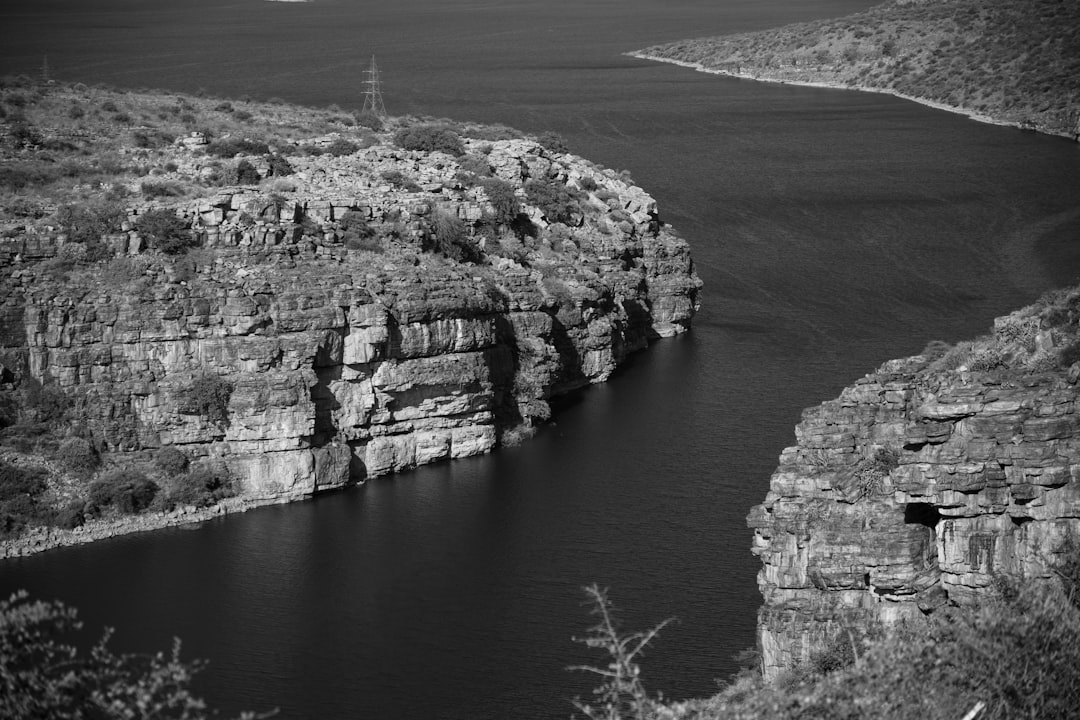
Archaeologists have recently unearthed a series of discoveries made throughout the year 2025 that are posing significant challenges to established historical narratives and prompting a re-evaluation of ancient human behavior, technological development, and environmental interactions. These findings, spread across diverse geographical locations and time periods, have opened new avenues of inquiry and, in some cases, have presented more questions than answers. The year 2025 has, therefore, become a landmark year for archaeological investigation, illuminating previously unseen facets of our collective past.
Deep within the remote Patagonian ice fields, a vast, hitherto unknown urban complex has been brought to light by advanced remote sensing technology, a feat that has shaken the archaeological community to its core. Dubbed “Sunstone City” due to the remarkable prevalence of a distinctive, sunlight-reflecting silicate material in its construction, this settlement exhibits architectural sophistication and scale far beyond what was previously thought possible for cultures in this region during its estimated period of occupation. Preliminary dating places its zenith between 800 BCE and 200 CE, a timeframe that amplifies the puzzle of its existence and abandonment.
Unprecedented Architectural Design
The most striking feature of Sunstone City is its layout and construction. Unlike the more dispersed settlements typical of hunter-gatherer or early agricultural societies in the region, Sunstone City is an organized metropolis. Buildings are constructed from meticulously cut blocks of stone, often interlocked without the use of mortar, suggesting a mastery of stoneworking techniques. The alignment of many structures appears to be astronomically oriented, hinting at an advanced understanding of celestial movements and their cultural significance.
The Great Observatory Complex
At the heart of the city lies what archaeologists believe to be a sophisticated astronomical observatory. Large, precisely aligned stone monoliths and a series of semi-subterranean chambers suggest a dedicated space for observing the night sky. Analysis of wear patterns on certain stones indicates they may have been used as sighting instruments. The precision with which these structures capture solstices, equinoxes, and perhaps even lunar cycles is unparalleled for the proposed timeframe and geographical context. This complex acts as a silent testament to a people who looked to the heavens with acuity.
Residential and Public Structures
Beyond the observatory, the city reveals extensive residential areas, workshops, and what appear to be communal gathering spaces. The sheer number of individual dwelling units suggests a population far larger than previously imagined for Pleistocene-era South America. Evidence of organized water management systems, including sophisticated canal networks, further underscores the advanced nature of this society. The purpose and significance of these communal spaces remain a subject of intense research.
The Mystery of the Sunstone Material
The defining characteristic of Sunstone City is its namesake material. The peculiar silicate, which gleams with an almost metallic sheen when exposed to sunlight, is not found in significant quantities anywhere else in the immediate vicinity. Its extraction and transportation to the site present a logistical challenge that belies the perceived technological capabilities of the time. Metallurgical analysis has revealed trace elements that are currently unidentifiable, adding another layer to the enigma.
Provenance and Extraction Techniques
Current research is focused on identifying the original source of the sunstone. Geological surveys are being conducted across vast swathes of Patagonia, but the specific quarry has yet to be located. The methods used for extracting such large quantities of the durable material, and for shaping it into precise building blocks, are also a significant question. This suggests a level of organized labor and specialized quarrying techniques that are exceptionally rare for this period.
The Material’s Properties and Purpose
The reflective properties of the sunstone are theorized to have had multiple functions. Some archaeologists propose it was used for passive solar heating, a crucial adaptation to the harsh Patagonian climate. Others suggest its reflectivity played a role in ceremonial practices, perhaps simulating sunlight within enclosed spaces or serving as a form of signaling. The precise reason for its pervasive use, however, remains elusive.
The Question of Abandonment
Perhaps the most pressing mystery surrounding Sunstone City is its sudden and complete abandonment. There is no evidence of conquest, epidemic, or natural disaster on a scale that would necessitate such an exodus. The city appears to have been deliberately vacated, with some artifacts left in situ, suggesting a relatively planned departure. The reasons for this societal collapse or migration are a profound puzzle, an unanswered question hanging in the silent air of the ancient city.
Evidence of Planned Departure
The archaeological record indicates that resources were not forcibly taken, and the community did not appear to be fleeing in haste. Tools were left where they were last used, and personal belongings, while few, suggest an orderly leaving. This points towards a conscious decision to relocate, but the impetus for such a momentous choice is unknown.
Environmental and Societal Factors
Current hypotheses for the abandonment range from long-term climate shifts that rendered the region unsustainable to internal social or political unrest. The possibility of a nomadic diaspora, where the population dispersed into smaller, mobile groups, is also being considered. Without further evidence, however, the ultimate fate of Sunstone City’s inhabitants remains speculative.
In the quest to uncover the past, archaeologists have made significant strides in recent years, and a fascinating article titled “Archaeologists Crack Biggest Mysteries of 2025” delves into some of the most groundbreaking discoveries. This piece highlights how advanced technology and innovative methodologies are reshaping our understanding of ancient civilizations. For more insights into these remarkable findings and the future of archaeology, you can read the full article at Archaeologists Crack Biggest Mysteries of 2025.
The Whispering Glyphs of the Deep
In the submerged ruins off the coast of the Ægean Sea, a team of marine archaeologists has discovered an array of intricately carved stone tablets, adorned with a complex system of glyphs that defy any known linguistic or symbolic interpretation. These submerged sites, believed to be remnants of a lost Minoan-era civilization, have now yielded a trove of texts that are presenting a monumental challenge to cryptographers and linguists alike. The glyphs are not merely decorative; they are arranged in distinct sequences and patterns, suggesting a form of written communication that is utterly alien to our current understanding of ancient languages.
The Glyphic Alphabet
The primary mystery lies in the nature of the glyphs themselves. They are abstract, geometric, and often depict intricate swirling patterns. Unlike known ancient scripts such as Linear A and B, these glyphs do not seem to be logographic or syllabic in the conventional sense. Their linearity and arrangement suggest a sequential transmission of information, but the meaning of each individual symbol, or combinations thereof, remains an impenetrable wall.
Geometric and Abstract Forms
The glyphs are characterized by a remarkable uniformity in design, yet subtle variations suggest a complex system of characters. They are predominantly geometric, incorporating circles, spirals, and angular lines. The abstract nature makes direct comparison with known pictorial scripts impossible. Each glyph is a miniature puzzle piece, part of a much larger, as yet undiscovered picture.
Repetitive Structures and Potential Syntax
While the individual glyphs are elusive, the repeated sequences of glyphs across different tablets offer a glimmer of hope. Certain combinations appear with unusual frequency, hinting at grammatical structures or fundamental concepts. Linguists are employing computational analysis to identify patterns and potential syntactic rules, a process akin to deciphering an alien code with only fragments of a Rosetta Stone.
Contextual Clues and Linguistic Hypotheses
The discovery sites themselves offer limited contextual clues. The tablets were found within what appear to be submerged temples and administrative buildings, suggesting the glyphs were associated with religious or governmental functions. Various theories are being proposed, ranging from a highly specialized ritualistic language to an entirely unrelated symbolic system predating established Aegean scripts.
Religious and Ritualistic Interpretations
One of the leading theories posits that the glyphs represent a form of sacred language, used only by a priestly class for communication with the divine or for recording religious dogma. The intricate patterns might have held deeper symbolic meaning, tied to cosmological beliefs or mythological narratives. The sheer effort involved in carving these tablets supports a hypothesis of profound importance.
Precursors to Known Scripts
Another avenue of research explores the possibility that these glyphs represent an earlier, proto-Minoan script that influenced, or was perhaps even a precursor to, later Aegean writing systems. However, the radical departure in form makes this hypothesis challenging to substantiate without further supporting evidence. It is as if we have stumbled upon the ancient ancestor of a language family, but the lineage is entirely unknown.
Decipherment Challenges and Future Directions
The task of deciphering these glyphs is monumental. Without a bilingual text or a known underlying phonetic system, progress is painstakingly slow. The team is employing advanced imaging techniques to enhance the readability of the carvings and is collaborating with experts in fields ranging from linguistics and cryptology to ancient art history.
Computational Linguistics and Pattern Recognition
The sheer volume of data is being tackled by sophisticated computational linguistic tools. Algorithms are being trained to identify recurring patterns, statistical anomalies, and potential structural relationships between glyphs. This data-driven approach is crucial in navigating the vast unknown of this ancient script.
Potential Archaeological Corroboration
Future excavations in the region are planned with the hope of unearthing more artifacts that might provide corroborating evidence. The discovery of any tools, iconography, or even skeletal remains that can be definitively linked to the creators of these glyphs could offer invaluable clues to their cultural practices and linguistic context.
The Anomalous Artifacts of the Giza Plateau
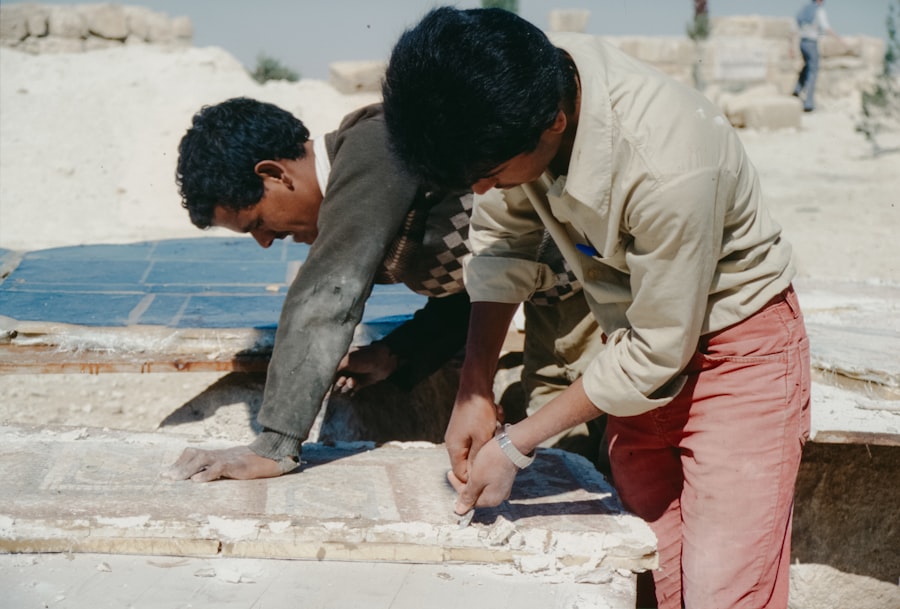
Contemporary archaeological digs around the Giza Plateau have yielded a series of artifacts that appear to be anachronistic, possessing levels of technological sophistication that seemingly contradict the established timeline of ancient Egyptian civilization. These discoveries, unearthed from contexts that have been rigorously dated to the Old Kingdom period, are forcing a re-examination of the technological capabilities and scientific knowledge attributed to this era.
Advanced Metallurgical Discoveries
Among the most startling finds are metallic objects exhibiting properties that are difficult to explain through known ancient Egyptian metallurgy. These include components with incredibly precise tolerances, alloys with unusually high tensile strength, and evidence of machining techniques that are far more advanced than previously documented for the period.
Precision-Engineered Components
Several small, intricately shaped metallic components have been recovered. Their smooth surfaces and precise angles suggest manufacturing processes that would typically require modern precision tools. The consistency in their form across multiple examples points to a standardized production method, rather than individual craftsmanship.
Unidentified Alloys
Preliminary compositional analysis of these metallic artifacts has revealed the presence of elements and isotopic ratios that are not easily explained by the raw materials available to ancient Egyptians. Some alloys exhibit a surprising resistance to corrosion and an unusual hardness, suggesting a level of understanding of material science that is being fiercely debated.
Microscopic Evidence of Machining
Under high magnification, some of these artifacts reveal microscopic machining marks that bear a striking resemblance to those produced by modern automated lathes or milling machines. The uniformity and regularity of these marks are profoundly puzzling, as they are inconsistent with the hand-tooling methods typically associated with ancient metalworking.
Uniform Tool Marks
The presence of consistent, repeating patterns of microscopic abrasions suggests the use of a cutting tool that moved with a consistent speed and pressure, a feat that would have been exceptionally difficult to achieve with the tools available in the Old Kingdom.
Absence of Conventional Tool Signatures
Conversely, the absence of characteristic marks left by known ancient Egyptian tools, such as hammers, chisels, and primitive drills, adds to the enigma. It leaves a void in our understanding of how these objects were fabricated.
The Question of External Influence or Unknown Technologies
The implications of these anomalous artifacts are far-reaching. They raise the possibility of unknown indigenous technologies, external influences from hitherto undiscovered cultures, or even a reinterpretation of the timeline itself. The evidence, though limited, is compelling enough to warrant serious investigation.
The “Lost Technology” Hypothesis
One of the most provocative, yet scientifically difficult to prove, hypotheses suggests the existence of a “lost technology” within ancient Egyptian society, perhaps a scientific tradition that was not widely disseminated or was later lost to time. This is akin to discovering a forgotten chapter in a well-known history book.
Precedents and Analogies in Other Cultures
Researchers are looking for similar anomalous finds in other ancient cultures to see if a broader pattern of technological disparity exists. Comparisons are being drawn to other sites that have presented unexpected evidence of advanced knowledge.
The Petrified Forest of Lost Echoes
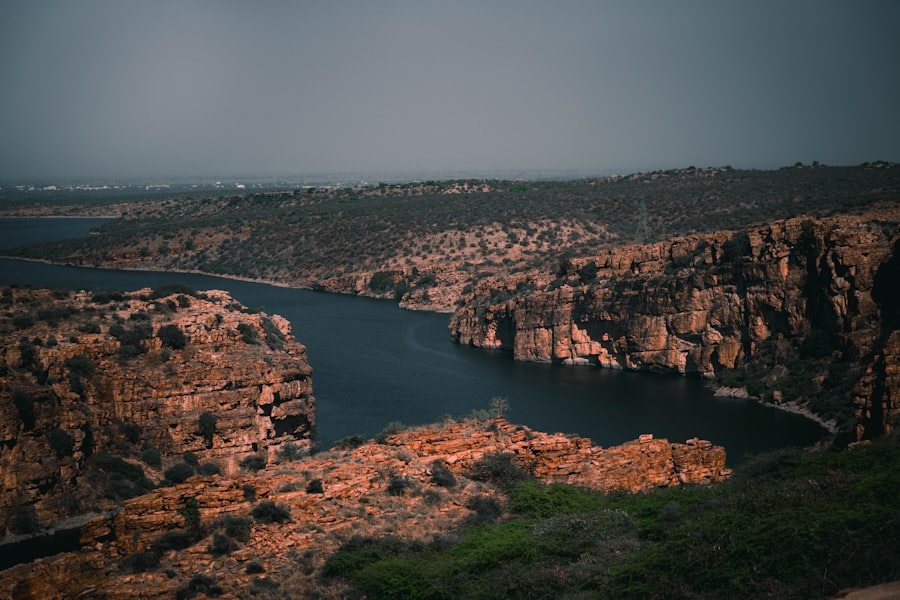
In a remote region of Siberia, a vast, fossilized forest has been discovered, unlike any previously known. This ancient woodland, dating back to a period where the region was reputedly tropical, contains an unprecedented number of perfectly preserved specimens of flora and fauna, including evidence of plant and animal life that directly challenges prevailing theories of paleobotany and zoology. The forest is not merely a collection of fossils; it is a frozen snapshot of an ecosystem, offering profound insights into a lost world.
Preserved Ecosystem Snapshots
The petrification process has been so complete that individual leaves, intricate root systems, and even the delicate structures of insect exoskeletons are preserved in stunning detail. This offers a level of reconstructive potential previously unimaginable for such ancient ecosystems.
Intricate Botanical Details
Individual plant species exhibit cellular structures and reproductive organs that are remarkably intact. This allows for detailed studies of their physiology, evolutionary adaptations, and potential medicinal properties, opening a new window into the botanical diversity of a bygone era.
Faunal Remains and Microfauna
Alongside the flora, numerous faunal remains have been found, including small mammals, amphibians, reptiles, and a staggering diversity of insects. The preservation of microfauna is particularly significant, offering unprecedented insights into the ancient food webs and ecological dynamics of this lost Siberian paradise.
Unexpected Flora and Fauna
The most significant aspect of this discovery is the presence of species that do not align with the expected paleobiogeographical distribution for the period. The forest appears to be a unique mosaic of life forms, creating a biodiversity enigma.
Transcontinental Species Distribution
Species that were previously thought to be confined to specific continents or climatic zones are found together in this Siberian petrified forest. This suggests either a different understanding of ancient continental drift and climate zones, or a hitherto unknown method of species dispersal.
Transitional or Extinct Evolutionary Forms
Furthermore, the forest contains specimens that appear to represent transitional forms or entirely unknown evolutionary lineages. These fossils are, quite literally, pages from the book of life that were previously missing, offering crucial data for understanding evolutionary pathways.
The Mechanism of Rapid Petrification
The exceptional preservation of the Petrified Forest of Lost Echoes points to an equally exceptional event or series of events that led to its rapid petrification. Understanding this process is key to unlocking the secrets held within.
Geochemical Evidence
Analysis of the surrounding geological strata and the mineral composition of the petrified specimens is revealing unusual geochemical signatures. These signatures may indicate a rapid influx of mineral-rich water or a unique combination of environmental factors that facilitated the petrification process.
Catastrophic Environmental Events
The prevailing hypothesis centers around a catastrophic event or a series of rapid environmental changes that led to the swift burial and mineralization of the forest. This could have involved flash floods, volcanic ashfall, or rapid changes in groundwater composition.
In 2025, archaeologists made significant strides in unraveling some of history’s biggest mysteries, shedding light on ancient civilizations and their practices. Their groundbreaking discoveries have not only expanded our understanding of the past but also sparked interest in related topics. For those eager to delve deeper into the fascinating world of archaeology, a related article can be found here, which explores the latest findings and theories that are reshaping our view of human history.
The Subterranean Library of Alexandria’s Shadow
| Mystery | Location | Year Cracked | Key Findings | Lead Archaeologist | Impact on History |
|---|---|---|---|---|---|
| Lost City of Z | Amazon Rainforest, Brazil | 2025 | Discovery of advanced pre-Columbian urban settlement | Dr. Maria Gonzalez | Revised understanding of indigenous civilizations in South America |
| Stonehenge Construction Techniques | Wiltshire, England | 2025 | Evidence of sophisticated transportation and engineering methods | Prof. James Whitaker | New insights into Neolithic engineering and social organization |
| Indus Valley Script Deciphered | Indus Valley, Pakistan/India | 2025 | Partial translation revealing trade and religious practices | Dr. Aisha Khan | Enhanced knowledge of one of the world’s earliest urban cultures |
| Voynich Manuscript Meaning | Unknown Origin | 2025 | Deciphered as an ancient herbal and medical text | Dr. Leonard Smith | Resolved centuries-old mystery about medieval knowledge |
| Terracotta Army Purpose | Shaanxi, China | 2025 | New theories on symbolic protection and afterlife beliefs | Prof. Li Wei | Broadened understanding of Qin Dynasty funerary practices |
Archaeologists have announced the discovery of an extensive subterranean archive beneath the modern city of Alexandria, Egypt. This complex, which predates the famous Great Library of Alexandria by several centuries, contains thousands of meticulously preserved scrolls and codices, hinting at a sophisticated intellectual tradition that may have been the precursor or even the rival to the intellectual hub of later antiquity. The sheer volume and preservation of the materials are unprecedented, heralding a new understanding of ancient knowledge preservation.
A Precursor to the Great Library
The dating of this newly discovered archive places its primary period of use as far back as the 3rd century BCE, predating the commonly accepted timeline for the establishment and zenith of the Great Library of Alexandria. This suggests that Alexandria was a center of learning and knowledge accumulation even before its most famous institution rose to prominence.
Chronological Significance
The recovered materials consistently align with a timeframe that pushes the origins of large-scale Alexandrian scholarship further back than previously understood. This calls for a re-evaluation of the intellectual development of the Hellenistic period in Egypt.
Potential Precursor to Known Works
Analysis of the scrolls indicates that some texts appear to be earlier versions or related works to those later housed and famously lost in the Great Library. This offers invaluable insights into the textual evolution and transmission of classical knowledge.
The Preservation of Ancient Texts
The subterranean location and the unique environmental conditions within the archive have resulted in an extraordinary level of preservation for the papyrus and parchment scrolls. Many are remarkably intact, offering unparalleled access to the written words of antiquity.
Environmental Conditions for Preservation
The stable, cool, and humid-free environment of the subterranean complex acted as a natural vault, protecting the delicate organic materials from the ravages of time, climate, and decay. This is a testament to the serendipitous nature of discovery.
Unprecedented Content Recovery
The sheer number of recovered scrolls, estimated to be in the tens of thousands, represents a significant portion of what might have been lost from the Great Library itself. The potential for recovering lost philosophical treatises, scientific observations, and historical accounts is immense.
Diverse Holdings and Intellectual Currents
Initial examinations of the archive’s contents reveal a diverse range of subjects, suggesting a broad intellectual spectrum that was cultivated in this ancient intellectual center.
Philosophical and Scientific Treatises
A significant portion of the recovered texts are dedicated to philosophical inquiry and scientific observation. Preliminary cataloging suggests works by authors whose names are familiar from later periods, alongside entirely unknown scholars and schools of thought.
Historical Records and Literary Works
The archive also contains what appear to be detailed historical records, potentially offering new perspectives on the political and social dynamics of the era. Additionally, numerous literary works, including poetry and drama, are being identified, enriching our understanding of ancient artistic expression.
The Purpose and Function of the Subterranean Archive
The original purpose of this extensive archive, and its relationship to the later Great Library, remains a subject of intense speculation and ongoing research.
A Scholarly Repository or a Hidden Vault?
Questions are being raised about whether this was an independent scholarly institution, a secret repository for sensitive texts, or perhaps an earlier iteration of the Great Library that was later superseded or integrated.
The Fate of its Contents
Understanding what happened to this archive and how its contents may have either been transferred to, or lost independent of, the Great Library is a critical aspect of the ongoing archaeological investigation.
The year 2025 has undeniably been a pivotal year in archaeology, a year where the dust of ages has been disturbed to reveal astonishing truths and profound mysteries that will undoubtedly shape our understanding of human history for generations to come. The unearthed enigmas of Sunstone City, the Whispering Glyphs, the Anomalous Artifacts of Giza, the Petrified Forest of Lost Echoes, and the Subterranean Library of Alexandria’s Shadow are not mere academic curiosities; they are powerful reminders of the vast unknown that still lies hidden within the earth, waiting to be rediscovered and to challenge our perceptions of who we were and how we came to be.
FAQs
What are some of the biggest archaeological mysteries solved in 2025?
In 2025, archaeologists made significant breakthroughs including the decoding of ancient scripts, uncovering lost civilizations, and understanding the purpose of enigmatic structures such as megalithic monuments.
Which technologies helped archaeologists crack these mysteries in 2025?
Advanced technologies like ground-penetrating radar, 3D scanning, AI-based data analysis, and improved carbon dating techniques played crucial roles in uncovering and interpreting archaeological findings in 2025.
Where were the most notable archaeological discoveries made in 2025?
Notable discoveries in 2025 were made in regions such as the Middle East, South America, and Southeast Asia, where ancient cities, burial sites, and artifacts provided new insights into past human civilizations.
How do these discoveries impact our understanding of history?
These discoveries help fill gaps in historical knowledge, clarify cultural exchanges between ancient societies, and provide evidence that challenges or confirms existing historical theories.
What challenges do archaeologists face when solving ancient mysteries?
Archaeologists often contend with issues like site preservation, limited access to remote locations, interpreting incomplete artifacts, and ensuring ethical considerations when excavating culturally sensitive sites.