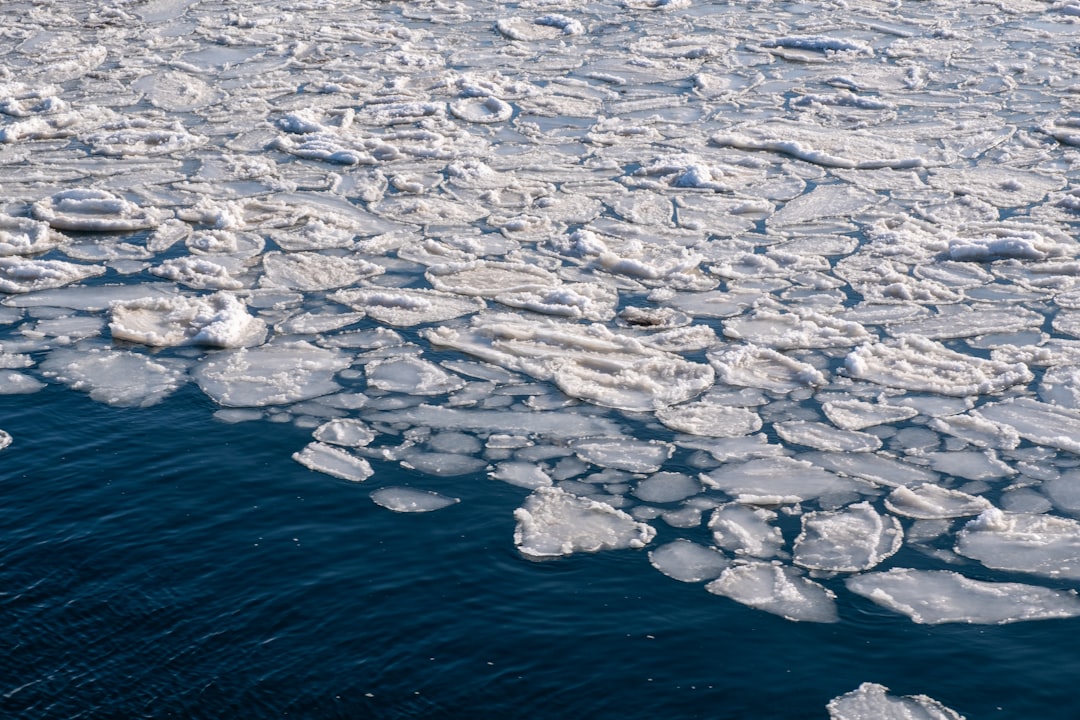
The Arctic is a region undergoing rapid and profound change. For much of history, it was perceived as a remote and frozen frontier, largely inaccessible and of limited economic consequence. However, a confluence of factors is reshaping this perception, leading to the emergence of what some are beginning to conceptualize as a new asset class: Arctic variability. This term encapsulates the dynamic and multifaceted changes occurring within the Arctic environment, from melting ice caps and thawing permafrost to shifts in biodiversity, oceanographic conditions, and emergent resource accessibility. Understanding these changes is no longer solely the purview of climate scientists; it is becoming increasingly relevant to investors, policymakers, and strategic planners who are recognizing the economic, geopolitical, and environmental implications of this rapidly evolving region.
The Arctic’s transformation is not a uniform or linear process. Instead, it is characterized by a complex interplay of environmental shifts, creating a mosaic of opportunities and challenges. The most visible and widely discussed manifestation of this variability is the decline in Arctic sea ice extent and thickness, particularly during the summer months. This reduction in ice cover acts as a primary driver for many of the subsequent changes, acting like a key unlocking previously inaccessible areas.
Declining Sea Ice: Opening New Routes and Resource Potential
The dramatic reduction in sea ice is creating new navigational possibilities. The Northern Sea Route (NSR) along Russia’s coast and the Northwest Passage (NWP) through Canadian waters are becoming more navigable for longer periods each year. This has significant implications for global shipping, potentially shortening transit times between Asia and Europe by thousands of miles compared to the Suez Canal route. The economic calculus of global trade is, therefore, being re-evaluated, with the Arctic presenting a new, albeit challenging, transit corridor.
- Shorter Shipping Times: The potential reduction in transit times, particularly for eastbound voyages from Asia to Europe, can lead to significant cost savings in fuel, crew time, and cargo spoilage. This is a compelling incentive for shipping companies to consider Arctic routes.
- Increased Accessibility to Resources: Beyond shipping lanes, the receding ice opens up access to previously inaccessible offshore and onshore hydrocarbon reserves, as well as mineral deposits. This has attracted significant interest from energy and mining companies, eager to explore and exploit these untapped resources.
- Challenges of Navigation: Despite increased navigability, Arctic waters remain fraught with peril. Icebergs, unpredictable weather patterns, and the lack of robust infrastructure pose considerable risks, demanding specialized vessels, advanced navigation systems, and highly trained crews. The investment required for such operations is substantial.
Permafrost Thaw: Unveiling and Destabilizing
Another critical aspect of Arctic variability is the widespread thawing of permafrost – ground that has remained frozen for at least two consecutive years. This geological phenomenon is not merely a consequence of warming; it is also a significant driver of further environmental change and poses unique challenges.
- Impact on Infrastructure: Thawing permafrost can destabilize existing infrastructure such as buildings, roads, pipelines, and airports, which are often built on the assumption of permanently frozen ground. The costs associated with repairing or relocating this infrastructure are substantial and represent a significant economic burden for Arctic nations and communities.
- Release of Greenhouse Gases: Permafrost stores vast quantities of organic carbon. As it thaws, this organic matter decomposes, releasing potent greenhouse gases like carbon dioxide and methane into the atmosphere. This feedback loop exacerbates global warming, highlighting the interconnectedness of Arctic changes with global climate systems.
- Discovery of Archaeological and Biological Material: The thawing of permafrost can also lead to the discovery of ancient archaeological sites and well-preserved biological specimens. This offers invaluable opportunities for scientific research into past environments, human history, and the evolution of Arctic life. These discoveries, while scientifically significant, also necessitate careful handling and preservation strategies.
Recent discussions on Arctic variability as an emerging asset class have highlighted the potential for significant economic opportunities in the region, particularly as climate change alters traditional resource availability. For further insights into how environmental changes can impact human civilization and resource management, you may find the article on uncovering evidence of a lost advanced civilization particularly intriguing. It explores the intricate relationship between climate and societal development, which can provide valuable context for understanding the implications of Arctic variability. You can read more about it here: Uncovering Evidence of Lost Advanced Civilization.
Geopolitical Shifts: The Arctic as a New Strategic Arena
The increasing accessibility and resource potential of the Arctic are not going unnoticed by nations. The region is emerging as a new geopolitical chessboard, where strategic interests, territorial claims, and economic aspirations are colliding. The Arctic Council, an intergovernmental forum promoting cooperation on shared Arctic issues, is becoming an increasingly vital platform for managing these complexities.
Emerging Arctic Powers and National Interests
Several nations with Arctic coastlines, such as Russia, the United States (via Alaska), Canada, Norway, Denmark (via Greenland), Iceland, Sweden, and Finland, have distinct national interests in the region. These interests range from national security and resource exploitation to scientific research and environmental protection.
- Increased Military Presence: As strategic importance grows, there is a discernible trend of increased military activity and presence in the Arctic. Nations are augmenting their naval capabilities, establishing new bases, and conducting more frequent exercises to assert sovereignty and protect their interests. This militarization introduces a layer of geopolitical tension.
- Resource Competition: The potential for vast hydrocarbon and mineral wealth beneath the Arctic seabed and in onshore deposits is a significant driver of national interest and potential competition. Nations are actively pursuing exploration and extraction rights, leading to complex legal and diplomatic negotiations.
- Sovereignty and Territorial Claims: Existing international law, particularly the United Nations Convention on the Law of the Sea (UNCLOS), provides a framework for defining maritime boundaries and resource rights. However, the vast and often ill-defined nature of the Arctic seabed and continental shelf can lead to overlapping claims and disputes, requiring careful diplomatic engagement.
International Cooperation and Governance Challenges
While competition exists, there is also a recognition of the need for international cooperation in the Arctic. The shared environmental challenges, the need for safe navigation, and the potential for unforeseen disasters necessitate collaborative approaches.
- The Role of the Arctic Council: The Arctic Council serves as a crucial forum for dialogue and cooperation among Arctic states and indigenous Permanent Participant organizations. It facilitates scientific research, environmental protection initiatives, and search and rescue coordination.
- Balancing National Interests with Global Commons: Effectively managing the Arctic requires a delicate balance between individual national interests and the imperative to protect the global commons. The long-term sustainability of the Arctic ecosystem and its impact on global climate patterns far outweigh the immediate economic gains of resource exploitation without careful consideration.
- Involvement of Non-Arctic States: As the Arctic becomes more strategically and economically significant, non-Arctic states are also expressing increasing interest in the region. This includes countries like China, which has declared itself a “near-Arctic state,” seeking observer status in the Arctic Council and investing in Arctic-related research and infrastructure. Managing the involvement of these new stakeholders adds another layer of complexity to governance structures.
Economic Potential: Untapped Resources and New Markets
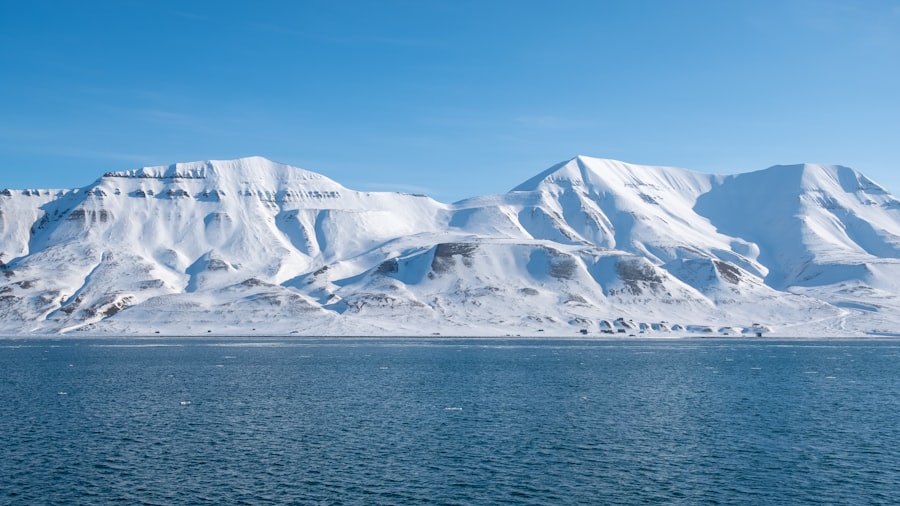
The economic dimension of Arctic variability is multifaceted, encompassing both the extraction of natural resources and the development of new commercial activities. This represents a significant, albeit high-risk, investment frontier.
Hydrocarbon and Mineral Exploration: A Lucrative but Risky Venture
The Arctic is believed to hold vast untapped reserves of oil, natural gas, and minerals. The receding ice makes offshore exploration and extraction more feasible, attracting considerable investment from energy giants.
- Offshore Reserves: Estimates suggest that a significant portion of the world’s undiscovered hydrocarbons may lie within the Arctic Circle. Exploring these reserves requires immense capital investment and the development of specialized technologies to operate in extreme conditions.
- Onshore Mineral Wealth: Beyond hydrocarbons, the Arctic is rich in mineral deposits, including rare earth elements, iron ore, zinc, and nickel. These minerals are critical for modern technologies, further increasing their strategic value.
- Environmental Risks and Regulatory Hurdles: The potential for environmental disasters, such as oil spills in a fragile ecosystem, carries immense reputational and financial risks. Stringent environmental regulations and the high cost of robust safety measures are significant considerations. Moreover, public opinion and growing investor pressure for environmental, social, and governance (ESG) compliance can impact the viability of these projects.
Fisheries and Marine Resources: A Shifting Balance
Changes in ocean temperatures and currents are altering fish stocks and marine migration patterns, creating new opportunities and challenges for the fishing industry.
- New Fishing Grounds: As waters warm, certain commercially valuable fish species are migrating northward, opening up new potential fishing grounds. This can create economic opportunities for coastal communities but also requires careful management to prevent overfishing and ecosystem disruption.
- Impact on Indigenous Livelihoods: Many indigenous communities in the Arctic rely heavily on traditional subsistence fishing and hunting for their food security and cultural identity. Shifts in animal migration patterns and the availability of traditional resources can have profound impacts on their way of life, necessitating adaptation strategies and community-led conservation efforts.
- Sustainable Management: Ensuring the long-term sustainability of Arctic fisheries requires effective international cooperation and robust monitoring. The establishment of marine protected areas and the implementation of science-based catch limits are crucial to prevent the depletion of fish stocks.
Infrastructure Development: The Backbone of Arctic Operations
The Arctic’s development, whether for resource extraction, shipping, or scientific research, is heavily reliant on the development of robust infrastructure. This is a significant undertaking, given the challenging environmental conditions and remote locations.
Transportation Networks: From Ports to Airfields
The lack of established transportation networks is a major impediment to Arctic development. The construction and maintenance of ports, roads, railways, and airfields are essential for economic activity and access.
- Port Expansion and New Construction: To support increased shipping traffic and resource extraction, existing ports are being expanded, and new ones are being considered. These require specialized ice-resistant structures and advanced facilities.
- Roads and Railways: The construction of roads and railways across permafrost presents significant engineering challenges and high costs. However, they are crucial for connecting remote mining sites to ports and for facilitating inland logistics.
- Air Travel and Communications: Reliable air travel is vital for personnel transport and supply chains. The establishment and maintenance of airfields, alongside robust communication networks (satellite internet, etc.), are critically important for coordination and safety.
Energy and Communication Networks: Powering the North
Reliable energy sources and advanced communication systems are prerequisites for any significant development in the Arctic.
- Energy Grids and Renewables: Many Arctic communities currently rely on expensive imported fossil fuels for power. Developing local energy grids, including renewable energy solutions like wind and solar power, is a growing area of interest, particularly in more populated areas.
- Pipelines and Transmission Lines: The development of hydrocarbon resources necessitates the construction of extensive pipeline networks. These are complex engineering feats, requiring meticulous planning to mitigate environmental risks and ensure long-term stability in a dynamic permafrost environment.
- Digital Connectivity: The expansion of broadband internet and telecommunications infrastructure is crucial for economic development, scientific research, and improving the quality of life for Arctic residents. Bridging the digital divide in remote Arctic regions is a significant ongoing challenge.
The concept of Arctic variability as an emerging asset class is gaining traction among investors looking to diversify their portfolios. This intriguing shift is highlighted in a related article that discusses the potential benefits of investing in sectors influenced by changing climatic conditions. For those interested in exploring how different markets can be impacted by such variability, the insights provided in this guide on investing in Mexican nearshoring companies may offer valuable perspectives on strategic investment opportunities.
Environmental Stewardship and Climate Adaptation: A Necessary Counterbalance
| Metric | Description | Value / Range | Unit | Notes |
|---|---|---|---|---|
| Temperature Variability | Annual temperature fluctuations in the Arctic region | ±5 to 10 | °C | High variability compared to global averages |
| Sea Ice Extent Variability | Year-to-year changes in sea ice coverage | 3 to 7 | million km² | Significant seasonal and interannual variability |
| Investment Volatility | Volatility of Arctic-related asset returns | 15 to 25 | % (annualized) | Higher than traditional asset classes |
| Correlation with Global Markets | Correlation coefficient with S&P 500 | 0.2 to 0.4 | Coefficient | Low to moderate correlation, potential diversification benefits |
| Return on Investment (ROI) | Average annual return for Arctic-related investments | 8 to 12 | % | Subject to high environmental and geopolitical risks |
| Environmental Risk Index | Risk score related to environmental factors | 7 | Scale 1-10 | High risk due to climate change impacts |
While the economic opportunities in the Arctic are significant, they must be carefully balanced against the imperative of environmental stewardship and the need for climate adaptation. The Arctic is an ecological hotspot, and its climate feedback loops have global implications.
Monitoring and Research: Understanding the Arctic’s Pulse
Comprehensive scientific monitoring and research are essential for understanding the complex changes occurring in the Arctic and for informing effective policy and management decisions.
- Climate Research Stations: Numerous research stations are operating across the Arctic, collecting data on atmospheric conditions, ice melt, oceanographic changes, and permafrost dynamics. This data is critical for refining climate models and predicting future trends.
- Biodiversity Studies: The unique biodiversity of the Arctic is under threat. Research is crucial to understand the impacts of warming on species distribution, adaptation capabilities, and ecosystem health. This includes studying marine mammals, polar bears, seabirds, and terrestrial flora and fauna.
- Indigenous Knowledge Integration: Traditional ecological knowledge held by indigenous communities is an invaluable resource for understanding long-term environmental changes and for developing effective conservation strategies. Integrating this knowledge with scientific research is paramount.
Climate Change Impacts and Adaptation Strategies
The Arctic is warming at a rate significantly faster than the global average, leading to profound impacts that require proactive adaptation.
- Sea-Level Rise and Coastal Erosion: Melting glaciers and ice sheets contribute to global sea-level rise, threatening coastal communities worldwide. In the Arctic, rising sea levels exacerbate coastal erosion, impacting infrastructure and habitats.
- Extreme Weather Events: While the Arctic is generally associated with cold, the changing climate can lead to an increase in the frequency and intensity of extreme weather events, such as severe storms and unusually warm periods.
- Resilience Planning: Developing resilience strategies for Arctic communities and ecosystems is crucial. This includes investing in adaptive infrastructure, diversifying local economies, and implementing measures to protect vulnerable habitats and species. For example, coastal communities may need to relocate, or reinforced defenses might be necessary against rising sea levels and increased storm surges.
The concept of “Arctic variability” as a new asset class, therefore, is not a simple declaration of opportunity. It is an acknowledgment of the profound, interconnected, and dynamic shifts occurring in a region that is increasingly central to global affairs. It demands a nuanced understanding, acknowledging both the potential for economic gain and the indispensable responsibilities that come with engaging with such a vital and vulnerable global asset. The future of this asset class will be defined by the ability to navigate its complexities with foresight, collaboration, and a deep respect for the delicate balance of its extraordinary environment.
FAQs
What is Arctic variability in the context of asset classes?
Arctic variability refers to the fluctuations and changes in environmental, climatic, and economic conditions in the Arctic region. When considered as an asset class, it involves investment opportunities and risks associated with these dynamic factors, including natural resources, shipping routes, and climate-related financial instruments.
Why is Arctic variability considered an emerging asset class?
Arctic variability is emerging as an asset class due to increasing accessibility of the region caused by melting ice, which opens new opportunities for resource extraction, shipping, and tourism. These changes create unique investment prospects linked to environmental and geopolitical shifts, making it a distinct category for investors.
What types of investments are included in the Arctic variability asset class?
Investments in the Arctic variability asset class may include natural resource exploration (oil, gas, minerals), infrastructure development, shipping and logistics companies operating in Arctic routes, climate risk insurance products, and funds focused on sustainable development and environmental impact in the Arctic region.
What are the main risks associated with investing in Arctic variability?
Key risks include environmental unpredictability, regulatory and geopolitical uncertainties, technological challenges, and the potential for rapid climate changes that can affect asset values. Additionally, ethical and sustainability concerns may impact investment decisions and public perception.
How does Arctic variability impact global markets and economies?
Arctic variability influences global markets by altering supply chains, opening new trade routes, and affecting commodity prices through resource availability. It also has implications for climate change policies and international relations, which can create both opportunities and risks for investors worldwide.