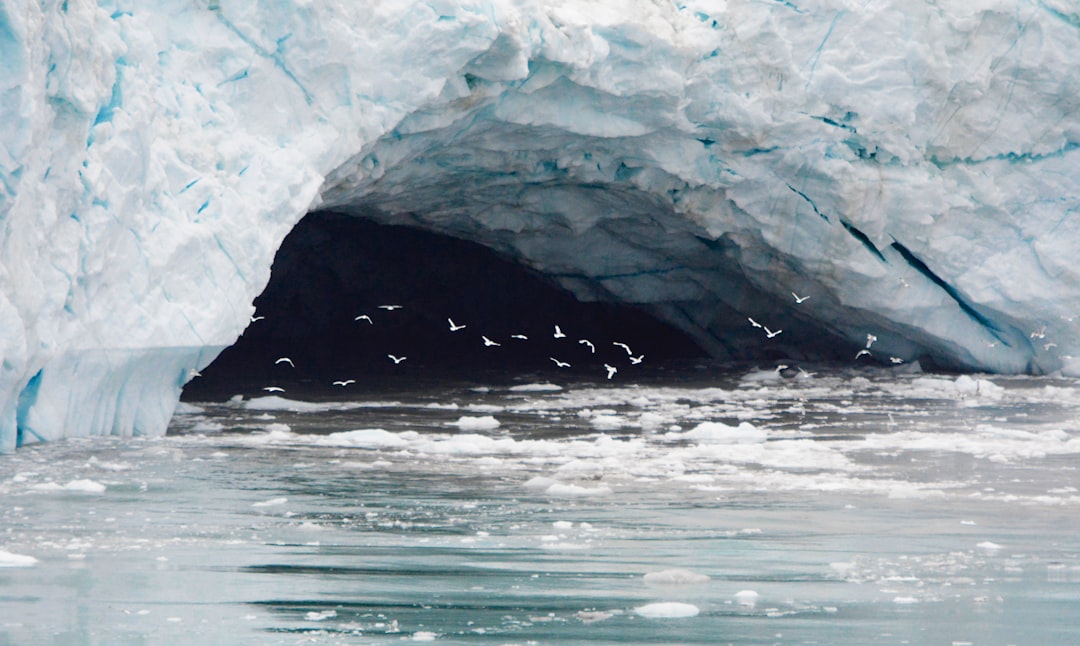
You stand on the precipice of understanding a profound shift occurring in one of Earth’s most remote and seemingly static environments: the Arctic. This isn’t a future prediction or a hypothetical scenario; it’s a present reality, a testament to the intricate interconnectedness of our planet’s systems. The Arctic is warming at a rate significantly faster than the global average, and this accelerated climate change is not merely an isolated phenomenon. It’s a consequence of human actions and a harbinger of changes that will inevitably ripple outwards, impacting you and your world in ways you might not yet fully appreciate.
The driving force behind the accelerated warming of the Arctic is overwhelmingly human activity, primarily the emission of greenhouse gases. While natural variations in Earth’s climate have always existed, the current rate and magnitude of change point unequivocally to anthropogenic influences. You are contributing to this through your everyday choices, and understanding these underlying causes is the crucial first step to grasping the severity of the situation.
The Greenhouse Effect: A Blanket You’re Thickening
You’ve likely heard of the greenhouse effect. Imagine your planet encased in an invisible blanket. This blanket, composed of naturally occurring gases like carbon dioxide (CO2), methane (CH4), and nitrous oxide (N2O) in the atmosphere, traps some of the sun’s heat, preventing it from escaping back into space. This natural process, moderated by atmospheric
FAQs
1. Why is the Arctic experiencing warmer temperatures than usual?
The Arctic is experiencing warmer temperatures than usual due to a combination of factors, including the melting of sea ice, changes in atmospheric circulation patterns, and the amplification of warming due to feedback loops such as the albedo effect.
2. What impact does the warming Arctic have on global climate patterns?
The warming Arctic can have significant impacts on global climate patterns, including changes in weather patterns, sea level rise, and the potential release of greenhouse gases stored in permafrost.
3. How does the warming Arctic affect wildlife and ecosystems in the region?
The warming Arctic can have profound effects on wildlife and ecosystems in the region, including disruptions to food chains, changes in migration patterns, and the loss of habitat for species that rely on sea ice.
4. What role does human activity play in the warming of the Arctic?
Human activity, particularly the burning of fossil fuels and the release of greenhouse gases, is a major contributor to the warming of the Arctic. Other human activities, such as industrial development and shipping, can also have direct impacts on the region.
5. What measures are being taken to address the warming of the Arctic?
Efforts to address the warming of the Arctic include international agreements to reduce greenhouse gas emissions, research into the impacts of climate change on the region, and initiatives to promote sustainable development and conservation in the Arctic.