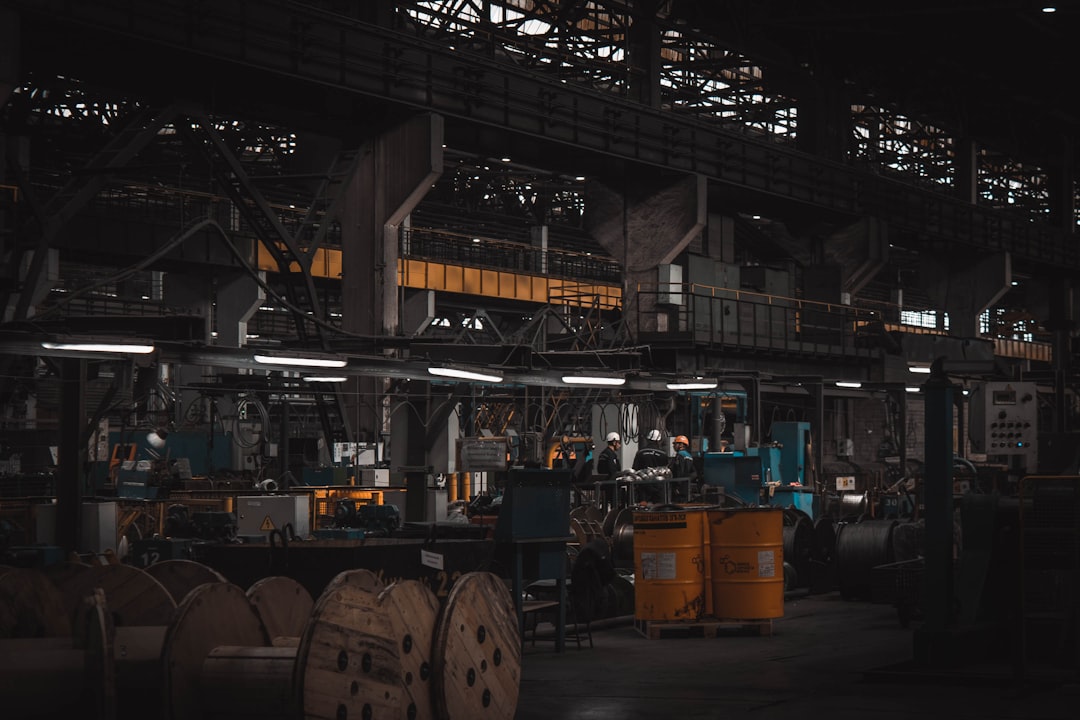
Asia’s industrial capacity has undergone a profound transformation in recent decades, morphing from a region primarily focused on low-value manufacturing and agriculture to a global powerhouse driving innovation and production across a vast spectrum of industries. This evolution is not a sudden jolt but rather a carefully orchestrated symphony of economic policies, technological adoption, and a burgeoning demographic dividend. The sheer scale of this expansion presents both opportunities and challenges for the global economic landscape, reshaping supply chains, influencing trade dynamics, and setting the pace for future industrial development. Understanding this growth requires dissecting its multifaceted drivers and the diverse manifestations across the continent.
The genesis of Asia’s industrial ascendancy is deeply rooted in several fundamental factors. These pillars, built over time, have provided the bedrock upon which its current manufacturing might rests. The recent report highlights the impact of [Germany factory closures] on the European economy.
Abundant Labor Pools and Shifting Demographics
Perhaps the most frequently cited factor is the availability of a large and, historically, relatively inexpensive labor force. Millions of individuals, particularly in densely populated nations, transitioned from agrarian livelihoods to factory floors. This demographic dividend offered a significant cost advantage, making Asia an attractive location for labor-intensive industries. However, this advantage is not static. As economies mature and living standards rise, wages are on an upward trajectory, prompting a strategic shift in the types of industries and the technologies employed. The challenge now is to navigate this transition from low-cost to high-skill production, ensuring that the demographic dividend continues to translate into economic prosperity rather than a demographic burden.
The Resource Landscape: From Extraction to Value Addition
Asia possesses a diverse range of natural resources, from rare earth minerals crucial for high-tech manufacturing to agricultural commodities that feed its vast populations. While some nations have focused on the extraction and export of raw materials, others have progressively moved up the value chain, processing these resources domestically and transforming them into finished goods. This shift from primary resource dependence to sophisticated processing and manufacturing is a testament to strategic industrial planning and investment in downstream industries. The geopolitical implications of resource control and the drive for resource security are also increasingly becoming intertwined with Asia’s industrial ambitions.
Infrastructure as the Arteries of Industry
The development of robust infrastructure has been a critical enabler of Asia’s industrial growth. This includes the construction of vast transportation networks—ports, railways, highways, and airports—which facilitate the movement of raw materials and finished goods. Furthermore, the expansion of energy grids, telecommunications networks, and the development of special economic zones have provided the essential arteries through which industrial activity flows. Without these foundational elements, the efficient operation and expansion of manufacturing would be severely hampered. The ongoing investment in next-generation infrastructure, including high-speed rail and smart grids, signals a commitment to sustaining this growth into the future.
As industrial capacity continues to shift towards Asia, many experts are analyzing the implications of this trend on global markets and economies. A related article that delves into this subject can be found at Real Lore and Order, where it discusses the factors driving this migration and the potential consequences for both Asian countries and the regions they are moving away from. This insightful piece provides a comprehensive overview of the changing landscape of industrial production and its far-reaching effects.
The Technological Embrace: From Imitation to Innovation
While the initial stages of Asia’s industrial rise were often characterized by imitation and adaptation of existing technologies, the present era is marked by a decisive pivot towards innovation and indigenous technological development. This evolution is a critical determinant of long-term competitiveness and the region’s ability to lead global technological advancements.
The Diffusion of Manufacturing Technologies
Initially, many Asian economies were adept at adopting and refining technologies developed elsewhere. This process of diffusion, often facilitated by foreign direct investment and technology transfer agreements, allowed for rapid industrialization. The focus was on mastering existing production methods and improving efficiency. This phase laid the groundwork for a skilled manufacturing workforce and a deeper understanding of industrial processes.
The Rise of Research and Development (R&D)
A significant development has been the substantial increase in R&D spending across many Asian nations. Governments and private sector entities are investing heavily in research institutions, universities, and collaborative innovation hubs. This commitment to R&D is crucial for moving beyond assembly and into the realm of original design, patent generation, and the creation of entirely new products and services. Countries like South Korea, Japan, and increasingly China, are at the forefront of this innovation drive.
Digitalization and Automation: The Fourth Industrial Revolution
Asia is not just adopting current technologies; it is actively shaping the landscape of the Fourth Industrial Revolution. Investments in automation, artificial intelligence (AI), the Internet of Things (IoT), and advanced robotics are transforming manufacturing processes. This shift promises to enhance productivity, improve quality control, and enable the production of highly customized goods. While automation raises questions about labor displacement, it also creates new opportunities for advanced manufacturing and specialized technical roles. The region’s ability to integrate these technologies effectively will be a key differentiator.
Sector-Specific Technological Advancements
Technological progress is not uniform but is concentrated in specific sectors. Significant advancements are being made in areas such as semiconductors, telecommunications equipment (e.g., 5G technology), electric vehicles, renewable energy technologies, pharmaceuticals, and advanced materials. This specialization allows economies to build deep expertise and achieve global leadership in these strategic fields.
Shifting Global Supply Chains: A Reconfiguration in Progress
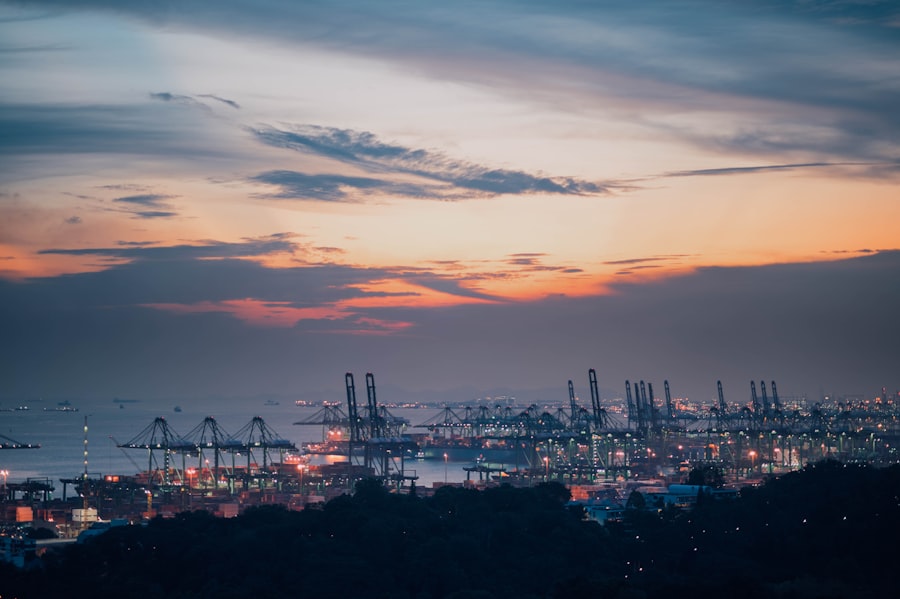
Asia’s growing industrial capacity has been a primary catalyst for the substantial reorientation of global supply chains over the past several decades. This has moved from a concentration in East Asia to a broader dispersal and a growing emphasis on resilience.
The “Workshop of the World” Effect
For a prolonged period, many Asian countries, especially China, served as the “workshop of the world.” Their ability to produce goods at scale and at competitive prices attracted significant manufacturing investment, leading to a global reliance on these supply chains. This concentration facilitated economies of scale but also created vulnerabilities, as disruptions in one region could have widespread global impacts.
Diversification and De-risking Strategies
Recent global events, such as the COVID-19 pandemic and geopolitical tensions, have highlighted the risks associated with over-reliance on single supply chain nodes. This has prompted a significant strategic shift towards diversification. Companies are actively exploring “China Plus One” strategies, seeking to establish manufacturing bases in multiple Asian countries or even shifting production back to their home markets. This de-risking is leading to a more distributed industrial landscape within Asia itself.
The Rise of New Manufacturing Hubs
Beyond established manufacturing powerhouses, other Asian nations are emerging as new industrial hubs, attracting investment with competitive advantages such as lower labor costs, specific resource availability, or favorable trade agreements. Countries in Southeast Asia, such as Vietnam, Thailand, and Indonesia, are increasingly becoming important players in global supply chains. India is also emerging as a significant manufacturing destination, leveraging its large domestic market and growing technical expertise.
Resilience and Agility in Production
The focus is shifting from mere cost efficiency to resilience and agility. Manufacturers are seeking supply chains that can adapt quickly to changing market demands and unexpected disruptions. This involves building redundancy, improving visibility across the chain, and leveraging technology to enable faster responses. Asia’s industrial capacity is adapting to this new paradigm by developing more flexible and distributed production networks.
Economic Policies and Government Initiatives: Guiding the Industrial Hand
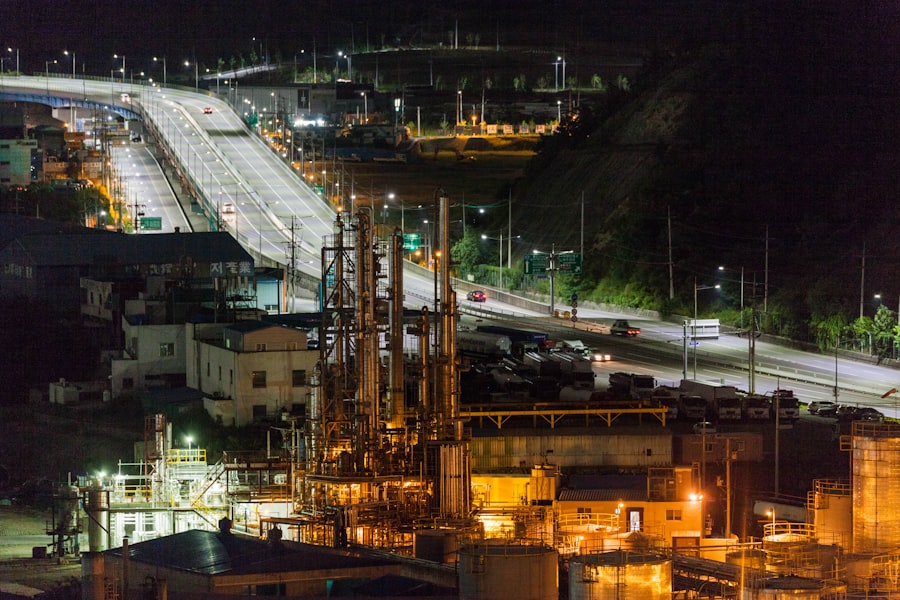
The trajectory of Asia’s industrial capacity is not solely the product of market forces; it is also heavily influenced by proactive economic policies and strategic government initiatives. These interventions have played a crucial role in steering industrial development, fostering innovation, and attracting investment.
Export-Oriented Industrialization Models
Many Asian economies adopted export-oriented industrialization (EOI) strategies, which involved promoting manufacturing for international markets. This was often supported by government incentives, trade promotion agencies, and the negotiation of favorable trade agreements. The success of these models, particularly in East Asia, demonstrated the potential for developing economies to rapidly integrate into the global economy through manufacturing.
Special Economic Zones (SEZs) and Industrial Parks
The establishment of Special Economic Zones (SEZs) and dedicated industrial parks has been a cornerstone of many governments’ industrial strategies. These zones offer a range of incentives, including tax breaks, streamlined regulations, and access to specialized infrastructure, to attract foreign and domestic investment. They act as fertile grounds for industrial clusters, fostering collaboration and knowledge spillover.
Investment in Education and Skill Development
Recognizing that sustained industrial growth requires a skilled workforce, many Asian governments have made significant investments in education and vocational training. The emphasis is on developing a pipeline of engineers, technicians, and skilled labor capable of operating and innovating within advanced manufacturing environments. This focus on human capital development is crucial for moving up the value chain and ensuring long-term competitiveness.
Strategic Sectoral Support and Industrial Policy
Beyond general incentives, some governments have employed targeted industrial policies to support strategic sectors deemed critical for national economic development. This can include subsidies for R&D, preferential financing for key industries, and protectionist measures in nascent stages. The effectiveness and potential downsides of such interventions are subjects of ongoing debate, but they have demonstrably shaped the industrial landscape in many Asian nations.
As industrial capacity continues to shift towards Asia, many experts are analyzing the implications of this trend on global markets and economies. A related article discusses the factors driving this movement and its potential impact on various industries. For more insights, you can read the full article here. This shift not only reflects changes in production costs but also highlights the growing importance of Asian economies in the global supply chain.
The Future Outlook: Challenges and Opportunities
| Country | Industrial Capacity Index (2023) | Annual Growth Rate (%) | Key Industries | Investment in Manufacturing (Billion USD) | Export Volume (Million Tons) |
|---|---|---|---|---|---|
| China | 95 | 5.2 | Electronics, Automotive, Steel | 320 | 1,200 |
| India | 70 | 7.5 | Textiles, Pharmaceuticals, Automotive | 110 | 450 |
| Vietnam | 65 | 8.0 | Electronics, Garments, Footwear | 45 | 300 |
| Indonesia | 60 | 6.3 | Automotive, Electronics, Chemicals | 50 | 280 |
| Thailand | 58 | 4.8 | Automotive, Electronics, Food Processing | 40 | 260 |
The continued growth and evolution of Asia’s industrial capacity present a dynamic future, filled with both significant opportunities and complex challenges. Navigating these will determine the region’s enduring impact on the global economy.
The Middle-Income Trap and the Innovation Imperative
A significant challenge facing many growing Asian economies is the risk of falling into the “middle-income trap.” This refers to the predicament where a country, having achieved middle-income status through low-cost manufacturing, finds it difficult to transition to high-income status marked by innovation and high-value services. Breaking free from this trap requires a relentless focus on R&D, higher education, and fostering a culture of innovation that can compete on the global stage.
Sustainability and Environmental Considerations
The environmental impact of industrialization is a growing concern. As Asia’s industrial footprint expands, so does its demand for energy and its generation of waste. The transition to greener manufacturing processes, investment in renewable energy sources, and the implementation of stricter environmental regulations are becoming increasingly critical. The region has an opportunity to lead in developing sustainable industrial practices, setting a new global standard.
Geopolitical Realignment and Trade Dynamics
The shifting industrial landscape is inherently tied to geopolitical dynamics. Trade tensions, regional economic blocs, and the pursuit of economic security are all influencing where and how industries are located. Asia’s continued industrial growth will likely be shaped by these evolving international relationships and the ongoing recalibration of global trade patterns.
The Digital Divide and Inclusive Growth
While advanced economies within Asia are embracing digitalization and automation, ensuring that this technological progress leads to inclusive growth across the entire region is a crucial challenge. Bridging the digital divide, providing retraining opportunities for workers displaced by automation, and ensuring that the benefits of industrial growth are shared broadly are essential for long-term stability and prosperity. The potential for further growth is immense, but it requires careful management and a commitment to equitable development. Asia is no longer just a manufacturing hub; it is a crucible where the future of global industry is being forged.
WATCH THIS 🔴 SHOCKING: Why Germany’s Factory Exodus Is Permanent (Not Temporary)
FAQs
What is industrial capacity moving to Asia?
Industrial capacity moving to Asia refers to the relocation or expansion of manufacturing and production facilities from other regions, such as North America or Europe, to Asian countries. This shift is driven by factors like lower labor costs, access to raw materials, and growing local markets.
Which Asian countries are the primary destinations for industrial capacity relocation?
Key Asian countries attracting industrial capacity include China, India, Vietnam, Thailand, and Indonesia. These countries offer competitive labor costs, improving infrastructure, and favorable government policies that encourage foreign investment.
What industries are most affected by the shift of industrial capacity to Asia?
Industries such as electronics, textiles, automotive, consumer goods, and machinery manufacturing are among the most affected. Many companies in these sectors move production to Asia to benefit from cost efficiencies and supply chain advantages.
What are the main reasons companies move industrial capacity to Asia?
Companies relocate industrial capacity to Asia primarily to reduce production costs, access skilled labor, benefit from trade agreements, and be closer to rapidly growing consumer markets. Additionally, improvements in infrastructure and logistics in Asia make it an attractive manufacturing hub.
What are the potential challenges of moving industrial capacity to Asia?
Challenges include geopolitical risks, supply chain disruptions, quality control issues, intellectual property concerns, and cultural or regulatory differences. Companies must carefully manage these risks to ensure successful operations in Asian markets.