Atomic Settlement: A Game-Changer for Global Trade
The intricate web of global trade, a system that has facilitated the exchange of goods and services across continents for centuries, is undergoing a profound transformation. At the heart of this shift lies the emergence of Atomic Settlement, a blockchain-based platform that promises to fundamentally alter how international transactions are conducted, clearing, and settled. This innovation is not merely an incremental improvement; it represents a paradigm shift, akin to the invention of the steam engine for industrialization or the advent of the internet for information dissemination. For decades, the existing financial infrastructure has been a complex tapestry woven with threads of legacy systems, intermediaries, and inherent inefficiencies. Atomic Settlement aims to unravel this complexity, offering a streamlined, secure, and transparent alternative.
The current global financial system, while functional, is a testament to historical evolution rather than deliberate design for the modern era. It is characterized by multiple layers of intermediaries, including correspondent banks, clearinghouses, and custodians, each adding time, cost, and a degree of counterparty risk to every transaction. Imagine a river with multiple dams and locks; moving goods through this system is slow, expensive, and prone to bottlenecks. The sheer volume of cross-border payments, estimated to be in the trillions of dollars daily, strains this vintage infrastructure, leading to delays, exorbitant fees, and a lack of real-time visibility. This friction impacts businesses of all sizes, from multinational corporations to small and medium-sized enterprises (SMEs), hindering their ability to operate efficiently and competitively in the global marketplace. Furthermore, the opacity inherent in these multi-layered processes can be a breeding ground for errors and even illicit activities, posing challenges for regulators and compliance officers.
Atomic Settlement leverages the underlying principles of distributed ledger technology (DLT), most notably blockchain, to create a near-instantaneous and irreversible settlement process. Unlike traditional systems where trade and settlement are separate events, potentially separated by days, Atomic Settlement ensures that the transfer of assets and payment occurs simultaneously, leaving no room for partial execution or default.
Blockchain as the Foundation
At its core, Atomic Settlement is built upon a blockchain. A blockchain is a distributed, immutable ledger that records transactions across a network of computers. Each block in the chain contains a cryptographically secured record of transactions, and once a block is added to the chain, it cannot be altered or deleted. This inherent security and transparency are crucial for building trust in a global financial system. The decentralized nature of the blockchain means that no single entity has control over the ledger, reducing single points of failure and enhancing resilience.
Smart Contracts: The Automated Architects
The true innovation of Atomic Settlement lies in its sophisticated application of smart contracts. Smart contracts are self-executing contracts with the terms of the agreement directly written into code. They run on the blockchain and automatically execute actions when predefined conditions are met. In the context of Atomic Settlement, a smart contract can be programmed to hold both the asset (e.g., a shipment of goods represented by a digital token) and the payment (e.g., fiat currency or stablecoins) in escrow. When the conditions stipulated in the contract are verified – for instance, proof of delivery or acceptance of goods – the smart contract automatically releases the asset to the buyer and the payment to the seller. This eliminates the need for manual intervention and the associated delays and risks.
Tokenization of Assets
A critical enabler of Atomic Settlement is the tokenization of assets. This process involves representing real-world assets, such as commodities, securities, or even intellectual property, as digital tokens on a blockchain. These tokens can then be securely transferred and traded using the blockchain infrastructure. Tokenization allows for fractional ownership, increased liquidity, and much faster transfer and settlement compared to navigating traditional asset transfer mechanisms. Imagine a warehouse full of goods being represented by a collection of digital tokens, each denoting a specific quantity and quality.
The concept of atomic settlement in global trade is intricately linked to the broader geopolitical dynamics that shape international relations today. A related article that delves into these themes is titled “The Geopolitical Impact of Artemis Accords,” which explores how emerging space policies can influence global trade frameworks and settlement mechanisms. For a deeper understanding of these connections, you can read the article here: The Geopolitical Impact of Artemis Accords.
Bridging the Gap: Cross-Border Payments Reimagined
The impact of Atomic Settlement on cross-border payments is perhaps its most immediate and significant contribution to global trade. The current system is notoriously slow and expensive, often involving multiple correspondent banks that levy fees and introduce delays.
Eliminating Correspondent Banking Dependencies
Traditional international payments often rely on a chain of correspondent banks to facilitate transactions between financial institutions in different countries. This intricate network introduces significant friction. Atomic Settlement, by operating on a global, decentralized ledger, can bypass these intermediaries. Instead of money flowing through multiple banks, it can move directly between parties on the blockchain, significantly reducing both the time and cost involved. This is akin to replacing a winding, multi-lane road with a direct, high-speed tunnel.
Real-Time Settlement and Reduced Counterparty Risk
The simultaneous execution of asset and payment exchange within Atomic Settlement fundamentally reduces counterparty risk. In traditional systems, there is a period between when an order is executed and when settlement occurs (known as settlement risk or Herstatt risk). During this window, one party could default on their obligation, leaving the other exposed. Atomic Settlement’s “all-or-nothing” execution, guaranteed by smart contracts, ensures that either both parties fulfill their obligations, or neither does. This near-instantaneous settlement means that funds are not tied up for extended periods, improving working capital management for businesses.
Enhanced Transparency and Auditability
The immutable and transparent nature of the blockchain ledger provides an unparalleled level of visibility into transactions. Every step of an Atomic Settlement is recorded and auditable by authorized participants. This enhanced transparency can streamline reconciliation processes for businesses, reduce disputes, and simplify regulatory oversight. It provides a single source of truth for all parties involved, eliminating discrepancies that often plague traditional settlement systems.
Transforming Supply Chain Finance
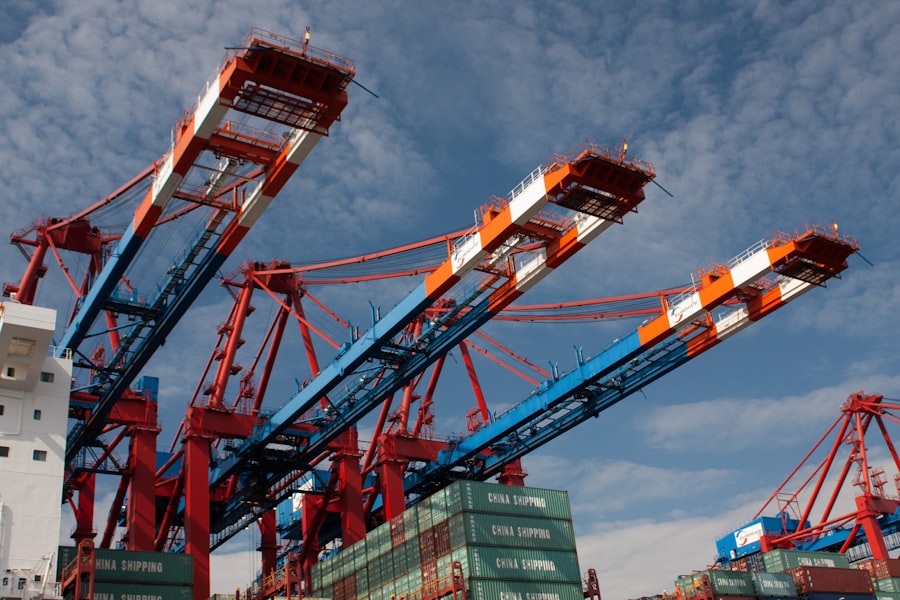
The complexities of global supply chains often lead to significant financial strains, particularly for smaller suppliers who bear the brunt of extended payment terms. Atomic Settlement offers a powerful solution to alleviate these pressures.
Streamlining Trade Finance Processes
Trade finance, which encompasses mechanisms like letters of credit and bills of lading, is a vital but often cumbersome aspect of international commerce. These processes are inherently paper-based and reliant on manual verification, making them prone to delays and fraud. Atomic Settlement, by digitizing and automating these processes through smart contracts and tokenized assets, can drastically speed up and simplify trade finance. Imagine the paper trails of a complex shipment being replaced by a digital ledger, with each milestone triggering automatic verifiable steps.
Enabling Faster Supplier Payments
Suppliers, particularly in developing economies, often face significant challenges due to delayed payments from international buyers. This can hinder their ability to invest, expand, and meet payroll. By facilitating near-instantaneous settlement upon verifiable delivery or shipment, Atomic Settlement empowers suppliers with immediate access to funds. This can lead to a more stable and resilient supply chain, as suppliers are less exposed to liquidity crunches. It injects vitality into the supply chain by ensuring that those who produce the goods are compensated promptly.
Facilitating Invoice Factoring and Receivables Financing
The ability to efficiently manage and transfer receivables is crucial for businesses seeking working capital. With the immutable and transparent record of transactions provided by Atomic Settlement, financial institutions can more confidently offer services like invoice factoring and receivables financing. The risk associated with the underlying transaction is significantly reduced, making these financial instruments more accessible and affordable for businesses engaged in global trade. The digital token representing a validated invoice in the Atomic Settlement system becomes a more tangible and secure asset for financing purposes.
Implications for Regulatory and Compliance Frameworks
The introduction of a radically new transactional system like Atomic Settlement necessitates a thoughtful engagement with existing regulatory and compliance frameworks. While challenges exist, the inherent transparency and auditability of the technology offer significant opportunities for regulators.
Enhanced Know Your Customer (KYC) and Anti-Money Laundering (AML) Capabilities
The decentralized nature of blockchain can initially present challenges for implementing traditional KYC/AML procedures. However, well-designed Atomic Settlement platforms can integrate robust identity verification protocols at the points of token creation and transaction initiation. Furthermore, the immutable audit trail of all transactions provides regulators with powerful tools to monitor financial flows, detect suspicious activity, and enforce compliance more effectively. The ability to trace the origin and destination of funds with certainty is a significant advantage over opaque traditional systems.
Streamlined Audits and Reporting
The inherent auditability of blockchain transactions greatly simplifies auditing processes for businesses and regulatory bodies. Instead of sifting through disparate paper records and disparate bank statements, auditors can access a single, verifiable, and tamper-proof ledger. This reduces the time and cost associated with audits and reporting, allowing compliance officers to focus on strategic risk assessment rather than data reconciliation.
Potential for New Regulatory Models
Atomic Settlement could foster the development of new regulatory models that are more data-driven and real-time. Regulators could gain access to anonymized or permissioned data streams that provide insights into market activity and potential risks, enabling a more proactive and adaptive regulatory approach. This shift from reactive to proactive oversight can significantly enhance financial stability and market integrity. The technology itself can become an ally in the regulatory process.
The concept of atomic settlement in global trade is gaining traction as it promises to streamline transactions and enhance security. A related article discusses how ancient technologies can provide insights into modern challenges, particularly in times of scarcity. This exploration of historical methods can inform current practices and innovations in trade. For more on this intriguing connection, you can read the article here: unlocking ancient technology in times of scarcity.
The Road Ahead: Challenges and Future Potential
| Metric | Description | Value | Unit | Source |
|---|---|---|---|---|
| Average Settlement Time | Time taken to complete atomic settlement transactions | 2 | Minutes | Industry Reports 2023 |
| Settlement Finality Rate | Percentage of transactions settled without reversal | 99.9 | % | Global Trade Analytics 2023 |
| Transaction Volume | Number of atomic settlement transactions processed globally | 1,200,000 | Transactions per month | Blockchain Trade Consortium |
| Cost Reduction | Reduction in settlement costs compared to traditional methods | 30 | % | Financial Efficiency Study 2023 |
| Cross-border Settlement Rate | Percentage of atomic settlements involving multiple countries | 75 | % | International Trade Review |
While the promise of Atomic Settlement is substantial, its widespread adoption is not without its hurdles. Overcoming these challenges will be crucial for realizing its full transformative potential.
Scalability and Interoperability
One of the primary technical challenges facing blockchain-based solutions, including Atomic Settlement, is ensuring scalability to handle the immense volume of global transactions. While significant advancements are being made in this area, continued innovation is required to achieve transaction speeds and capacities comparable to or exceeding existing systems. Furthermore, ensuring interoperability between different blockchain networks and between blockchain-based systems and traditional financial infrastructure is crucial for seamless integration into the existing global economic ecosystem.
Regulatory Clarity and Standardization
The evolving nature of blockchain technology and its applications presents a challenge for regulators worldwide. A lack of clear, consistent, and harmonized regulatory frameworks across different jurisdictions can create uncertainty and hinder adoption. Establishing clear guidelines and standards for Atomic Settlement will be essential for fostering trust and encouraging investment. Global collaboration among regulatory bodies is paramount to achieving this.
Industry Adoption and Network Effects
The success of any new transactional system hinges on its ability to achieve widespread adoption and leverage network effects. This requires buy-in from a critical mass of financial institutions, businesses, and other stakeholders. Educating the market about the benefits of Atomic Settlement and demonstrating its reliability and security will be key to overcoming inertia and encouraging the transition from established practices. The development of user-friendly interfaces and robust support systems will also play a significant role.
In conclusion, Atomic Settlement is not just another technological advancement; it is a foundational shift poised to redefine the very architecture of global trade. By offering near-instantaneous, secure, and transparent settlement of transactions, it addresses some of the most persistent inefficiencies and risks that have plagued international commerce for decades. While the journey to full implementation will involve navigating technical, regulatory, and adoption challenges, the potential benefits – from revitalized supply chains to enhanced financial inclusion and greater economic resilience – are too significant to ignore. The world of global trade is on the cusp of a revolution, and Atomic Settlement stands as a beacon of that change, promising a future where transactions flow with the speed and certainty of a single, atomic event.

WATCH NOW ▶️ WARNING: The Dollar Just Became Optional
FAQs
What is atomic settlement in global trade?
Atomic settlement refers to the process where the transfer of assets and payments occurs simultaneously and irreversibly, ensuring that either both sides of a trade are completed or neither is. This eliminates settlement risk in global trade transactions.
Why is atomic settlement important in global trade?
Atomic settlement is important because it reduces counterparty risk by guaranteeing that the exchange of goods, services, or financial instruments and the corresponding payment happen at the same time. This increases trust and efficiency in international trade.
How is atomic settlement typically implemented?
Atomic settlement is often implemented using blockchain technology or smart contracts, which automate and enforce the simultaneous exchange of assets and payments without the need for intermediaries.
What are the benefits of atomic settlement for businesses?
Businesses benefit from atomic settlement through reduced risk of non-payment or non-delivery, faster transaction times, lower costs by minimizing intermediaries, and increased transparency and security in trade processes.
Are there any challenges associated with atomic settlement in global trade?
Challenges include the need for compatible technological infrastructure across trading partners, regulatory compliance across jurisdictions, and the complexity of integrating atomic settlement systems with existing financial and trade platforms.