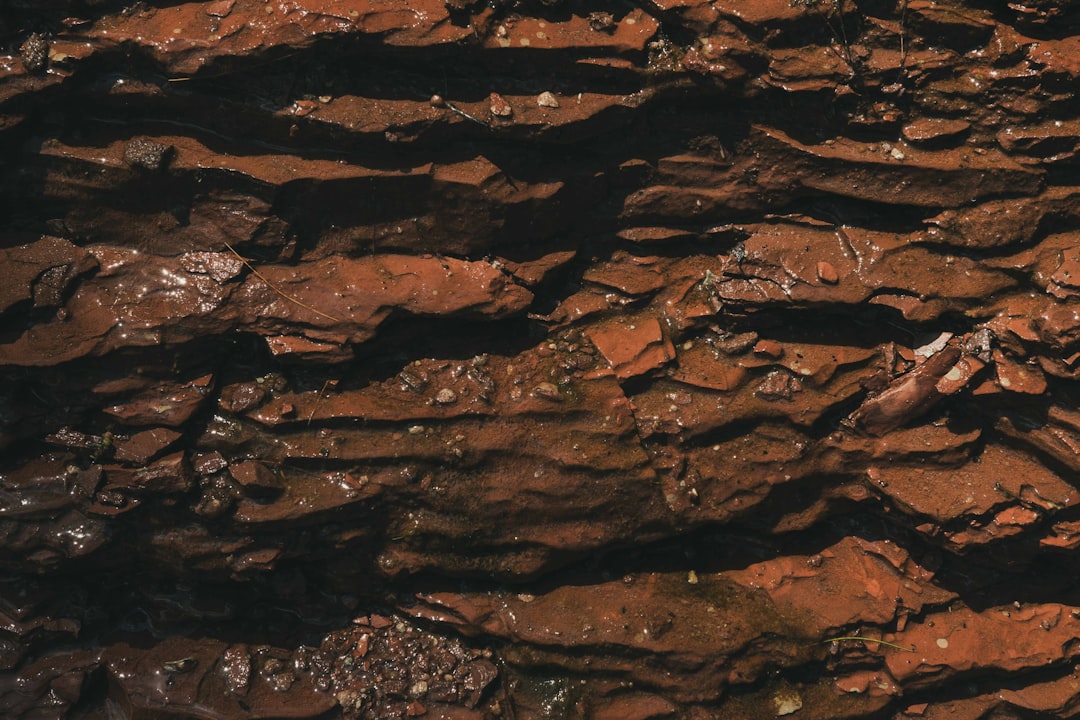
Basalt cores are cylindrical samples extracted from basalt, a volcanic rock formed through the rapid cooling of lava flows. This cooling process creates a dense, fine-grained structure that provides basalt with exceptional durability and thermal properties. The rock’s composition typically includes plagioclase feldspar, pyroxene, and olivine minerals, which contribute to its mechanical strength and thermal stability.
These cores find extensive application in engineering and construction projects, particularly within thermal network systems. Basalt’s low thermal conductivity, high melting point (approximately 1200°C), and resistance to thermal shock make it suitable for high-temperature applications. The material maintains its structural integrity under extreme thermal conditions while providing effective insulation properties.
In thermal network applications, basalt cores function as heat transfer components and thermal barriers.
The cores’ uniform cylindrical shape allows for consistent performance in engineered systems where precise thermal management is critical.
Key Takeaways
- Basalt cores are key components that improve the efficiency of thermal networks by enhancing heat transfer.
- They offer advantages such as durability, thermal stability, and environmental friendliness compared to traditional materials.
- Various types of basalt cores are tailored to specific thermal network applications, optimizing performance.
- Proper installation and maintenance are crucial to maximize the lifespan and effectiveness of basalt cores.
- Ongoing advancements in basalt core technology promise to further revolutionize thermal network efficiency and sustainability.
The Importance of Thermal Networks
Thermal networks are systems designed to distribute heat efficiently across various environments, whether in residential buildings, industrial facilities, or district heating systems. The importance of these networks cannot be overstated, as they play a crucial role in energy management and sustainability. By optimizing heat distribution, thermal networks help reduce energy consumption and lower greenhouse gas emissions, contributing to a more sustainable future.
As you explore the intricacies of thermal networks, you’ll discover that they rely on a combination of materials and technologies to function effectively. The efficiency of these systems is paramount, as it directly impacts energy costs and environmental footprints. Understanding the importance of thermal networks will enable you to appreciate the role that innovative materials, such as basalt cores, play in enhancing their performance.
The Role of Basalt Cores in Thermal Networks
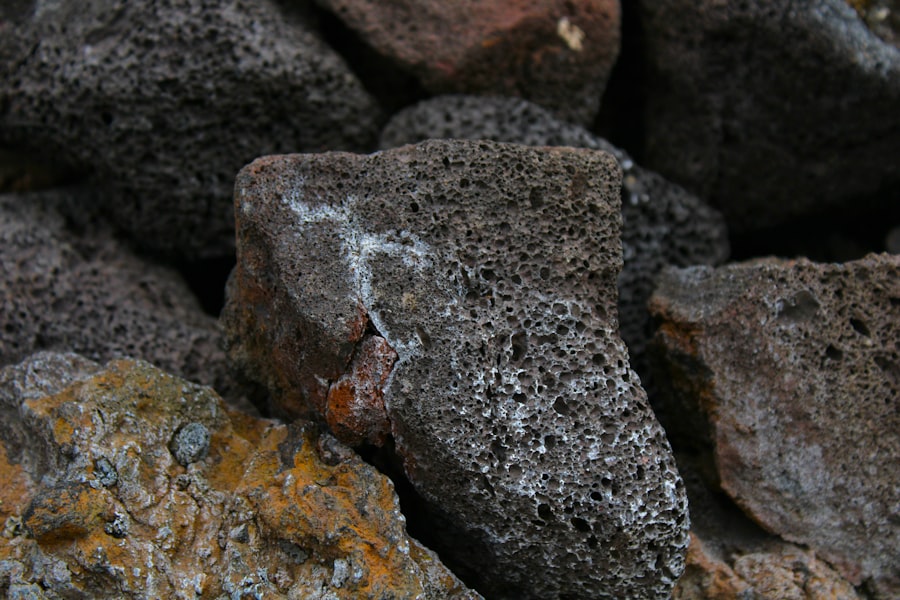
Basalt cores are integral to the functionality of thermal networks due to their unique thermal properties. They act as conduits for heat transfer, allowing for efficient energy distribution throughout a system. When you consider the challenges faced by traditional materials in thermal applications, basalt cores emerge as a superior alternative.
Their ability to withstand high temperatures without degrading makes them particularly valuable in environments where heat management is critical. In addition to their thermal conductivity, basalt cores also offer excellent insulation properties. This dual functionality allows them to not only transfer heat effectively but also minimize heat loss, which is essential for maintaining energy efficiency in thermal networks.
As you examine the role of basalt cores further, you’ll find that their incorporation into thermal systems can lead to significant improvements in overall performance and reliability.
Advantages of Using Basalt Cores
The advantages of using basalt cores in thermal networks are numerous and compelling. One of the most significant benefits is their exceptional durability. Unlike traditional materials that may degrade over time due to exposure to high temperatures or corrosive environments, basalt cores maintain their structural integrity for extended periods.
This longevity translates into lower maintenance costs and reduced need for replacements, making them a cost-effective choice for long-term applications. Another advantage lies in their environmental impact. Basalt is an abundant natural resource, and its extraction and processing have a relatively low ecological footprint compared to synthetic materials.
By choosing basalt cores for your thermal network applications, you contribute to a more sustainable approach to energy management. Furthermore, their ability to enhance energy efficiency aligns with global efforts to reduce carbon emissions and combat climate change.
Types of Basalt Cores
| Parameter | Value | Unit | Description |
|---|---|---|---|
| Thermal Conductivity | 1.5 – 2.5 | W/m·K | Range of thermal conductivity for basalt cores |
| Core Diameter | 50 – 100 | mm | Typical diameter of basalt core samples |
| Core Length | 100 – 300 | mm | Length of basalt core samples used in thermal testing |
| Thermal Diffusivity | 0.5 – 1.0 | mm²/s | Thermal diffusivity range for basalt cores |
| Specific Heat Capacity | 800 – 1000 | J/kg·K | Heat capacity of basalt material |
| Network Configuration | Grid / Mesh | N/A | Common thermal network layouts for basalt core analysis |
| Temperature Range | 20 – 600 | °C | Operating temperature range for thermal testing |
| Heat Flux | 100 – 500 | W/m² | Typical heat flux applied during experiments |
When considering basalt cores for your thermal network projects, it’s essential to understand the different types available. Basalt cores can vary based on their size, shape, and specific thermal properties tailored for various applications. For instance, some cores may be designed for high-temperature environments, while others might focus on maximizing insulation capabilities.
You may also encounter basalt fiber composites, which combine basalt fibers with other materials to enhance specific characteristics such as flexibility or strength. These variations allow you to select the most suitable type of basalt core for your particular needs, ensuring optimal performance within your thermal network. As you explore these options, consider how each type can contribute to the overall efficiency and effectiveness of your system.
How Basalt Cores Enhance Thermal Efficiency
Basalt cores enhance thermal efficiency through several mechanisms that optimize heat transfer and minimize energy loss. Their high thermal conductivity allows for rapid heat distribution across the network, ensuring that energy is utilized effectively where it is needed most. This rapid transfer is crucial in applications where temperature regulation is vital, such as in industrial processes or district heating systems.
Moreover, the insulating properties of basalt cores help retain heat within the system, reducing the need for additional energy input to maintain desired temperatures. This combination of effective heat transfer and insulation leads to a more balanced and efficient thermal network.
Applications of Basalt Cores in Thermal Networks
The applications of basalt cores in thermal networks are diverse and span various industries. In residential settings, they can be used in underfloor heating systems where efficient heat distribution is essential for comfort. In industrial environments, basalt cores can support processes that require precise temperature control, such as manufacturing or chemical processing.
Additionally, basalt cores are increasingly being integrated into renewable energy systems, such as geothermal heating networks. Their ability to withstand extreme conditions makes them ideal for harnessing geothermal energy efficiently. As you explore these applications further, you’ll find that the versatility of basalt cores positions them as a valuable asset across multiple sectors focused on improving energy efficiency and sustainability.
Installation and Maintenance of Basalt Cores
Installing basalt cores within a thermal network requires careful planning and execution to ensure optimal performance. The installation process typically involves assessing the specific requirements of your system and determining the appropriate type and configuration of basalt cores needed. Proper alignment and integration with existing infrastructure are crucial to maximizing their effectiveness.
Once installed, maintenance of basalt cores is relatively straightforward due to their durability and resistance to degradation. Regular inspections can help identify any potential issues early on, but overall maintenance requirements are minimal compared to traditional materials. This ease of maintenance not only saves time but also reduces long-term operational costs associated with your thermal network.
Comparing Basalt Cores with Other Thermal Network Enhancers
When comparing basalt cores with other materials used in thermal networks, several factors come into play. Traditional materials like metal or plastic may offer certain advantages in specific contexts; however, they often fall short in terms of durability and thermal efficiency when exposed to extreme conditions. In contrast, basalt cores provide a unique combination of strength and thermal performance that sets them apart.
Moreover, while synthetic materials may be lightweight and easy to handle, they often lack the environmental benefits associated with natural resources like basalt. As you weigh your options for enhancing your thermal network, consider how basalt cores not only meet performance criteria but also align with sustainability goals that are increasingly important in today’s engineering landscape.
Future Developments in Basalt Core Technology
The future of basalt core technology looks promising as research continues to uncover new applications and enhancements for this versatile material. Innovations may include advanced composite formulations that further improve thermal properties or new manufacturing techniques that reduce production costs while maintaining quality standards. As you stay informed about these developments, you’ll be better equipped to leverage the latest advancements in your own projects.
Additionally, ongoing studies into the environmental impact of basalt extraction and processing may lead to more sustainable practices within the industry. As awareness grows regarding climate change and resource conservation, the demand for eco-friendly materials like basalt is likely to increase. Embracing these future developments will position you at the forefront of sustainable engineering practices.
The Future of Basalt Cores in Thermal Networks
In conclusion, basalt cores represent a significant advancement in the field of thermal networks, offering numerous advantages that enhance efficiency and sustainability. Their unique properties make them an ideal choice for various applications across multiple industries. As you consider the future of your thermal network projects, incorporating basalt cores could lead to improved performance while aligning with broader environmental goals.
As technology continues to evolve and new applications for basalt cores emerge, staying informed about these developments will be crucial for maximizing their potential benefits. By embracing innovative materials like basalt in your engineering practices, you contribute not only to enhanced energy efficiency but also to a more sustainable future for all.
Recent studies on basalt cores and their potential applications in thermal networks have garnered significant attention in the field of renewable energy. For a deeper understanding of the implications of these findings, you can explore a related article that discusses innovative approaches to energy efficiency and sustainability. Check it out here: Basalt Cores and Thermal Networks.
FAQs
What are basalt cores in thermal networks?
Basalt cores refer to cylindrical samples or segments made from basalt rock, which are used in thermal networks to study heat transfer properties, insulation capabilities, and thermal conductivity. Basalt is a volcanic rock known for its durability and thermal resistance.
Why is basalt used in thermal networks?
Basalt is used because of its excellent thermal stability, high melting point, and good insulating properties. It can withstand high temperatures without degrading, making it suitable for applications involving heat transfer and thermal management.
How do basalt cores contribute to thermal network analysis?
Basalt cores serve as test materials to measure thermal conductivity, heat capacity, and temperature distribution within thermal networks. By analyzing these properties, engineers can design more efficient thermal systems and improve insulation performance.
What industries utilize basalt cores in thermal networks?
Industries such as construction, aerospace, energy, and manufacturing use basalt cores to develop thermal insulation materials, heat exchangers, and thermal barrier coatings. Basalt’s properties help enhance energy efficiency and safety in these sectors.
Are basalt cores environmentally friendly?
Yes, basalt is a natural, abundant, and non-toxic material. Its use in thermal networks can reduce reliance on synthetic insulation materials, contributing to more sustainable and eco-friendly thermal management solutions.
How are basalt cores tested in thermal networks?
Basalt cores are typically subjected to laboratory tests including thermal conductivity measurements, heat flow analysis, and temperature gradient assessments using specialized equipment like heat flux sensors and thermal imaging cameras.
Can basalt cores be used in high-temperature applications?
Yes, basalt cores are well-suited for high-temperature applications due to their high melting point (around 1,200 to 1,400°C) and thermal stability, making them ideal for use in furnaces, reactors, and thermal protection systems.
What are the limitations of using basalt cores in thermal networks?
While basalt has many advantages, its brittleness and potential for cracking under mechanical stress can be limitations. Additionally, processing basalt into cores or fibers requires specialized equipment and techniques.
How do basalt cores compare to other materials in thermal networks?
Compared to materials like fiberglass or ceramic fibers, basalt offers better thermal stability and environmental resistance. However, it may be heavier and less flexible, which can influence its suitability depending on the application.
Where can I find more information about basalt cores and thermal networks?
More information can be found in scientific journals on materials science, thermal engineering textbooks, and industry publications related to construction materials and thermal management technologies.