
Bengaluru serves as India’s primary center for artificial intelligence research and development. The city hosts a comprehensive ecosystem that includes technology startups, multinational corporations, universities, and research institutes focused on AI advancement. This concentration of resources and expertise has established Bengaluru as a significant contributor to global AI research initiatives.
The city’s AI sector encompasses multiple stakeholders working across various domains of artificial intelligence. Major technology companies have established research facilities in Bengaluru, while local startups continue to develop innovative AI applications. Academic institutions contribute through research programs and talent development, creating a pipeline of skilled professionals for the industry.
Bengaluru’s position in the global AI landscape reflects India’s growing influence in technology research and development. The city attracts international investment and partnerships, facilitating knowledge exchange and collaborative research projects. This environment supports the development of AI solutions addressing both local and global challenges across sectors including healthcare, finance, agriculture, and manufacturing.
Key Takeaways
- Bengaluru has emerged as a major global hub for AI research with a rich history and strong ecosystem.
- Key players include leading tech companies, startups, and academic institutions driving AI innovation.
- Government initiatives and collaborations have significantly boosted AI research and development in the city.
- Bengaluru’s AI advancements are impacting various industries and contributing to societal progress.
- Despite challenges, the future outlook for Bengaluru’s AI research hub is highly promising and growth-oriented.
History of AI Research in Bengaluru
The roots of AI research in Bengaluru can be traced back to the early 1980s when the Indian government recognized the potential of computer science and technology. The establishment of institutions like the Indian Institute of Science (IISc) laid the groundwork for advanced research in various fields, including artificial intelligence. Over the years, Bengaluru evolved into a breeding ground for talent, with numerous educational institutions producing skilled graduates who would later contribute to the burgeoning tech industry.
As the global interest in AI surged in the 21st century, Bengaluru began to attract significant investments from both domestic and international players. The city witnessed the emergence of numerous startups focused on AI applications across various sectors such as healthcare, finance, and transportation. This growth was further accelerated by the establishment of research centers and innovation labs by multinational corporations, which sought to tap into the local talent pool and leverage Bengaluru’s unique advantages.
The historical trajectory of AI research in Bengaluru reflects a dynamic interplay between academia, industry, and government initiatives that have collectively shaped its current landscape.
Key Players in Bengaluru’s AI Research Scene

Bengaluru’s AI research scene is characterized by a diverse array of key players who contribute to its vibrancy and dynamism. Leading academic institutions such as IISc and the National Institute of Fashion Technology (NIFT) have been instrumental in advancing AI research through their cutting-edge programs and collaborations with industry partners. These institutions not only produce high-quality research but also nurture the next generation of AI professionals who are equipped with the skills needed to tackle real-world challenges.
In addition to academic institutions, a plethora of startups have emerged in Bengaluru, each focusing on innovative applications of AI technology. Companies like Niramai, which uses AI for early-stage breast cancer detection, and SigTuple, which leverages AI for medical diagnostics, exemplify how local startups are making significant strides in healthcare through AI-driven solutions. Furthermore, established tech giants such as Infosys, Wipro, and IBM have set up research facilities in Bengaluru, further enriching the ecosystem with their expertise and resources.
This collaborative environment fosters knowledge exchange and accelerates the pace of innovation in AI research.
Bengaluru’s Contribution to Advancements in AI
Bengaluru has made substantial contributions to advancements in artificial intelligence that resonate on both national and global scales. Researchers and practitioners in the city have been at the forefront of developing algorithms and models that enhance machine learning capabilities across various domains. From natural language processing to computer vision, Bengaluru’s contributions have paved the way for more sophisticated AI applications that are transforming industries.
One notable area where Bengaluru has excelled is in the development of AI solutions for smart cities. With urbanization on the rise, researchers in Bengaluru have been working on projects that utilize AI to optimize traffic management, waste management, and energy consumption.
The city’s commitment to leveraging AI for societal benefit underscores its role as a leader in driving technological advancements that address pressing global issues.
Collaboration and Partnerships in Bengaluru’s AI Research Community
| Metric | Details |
|---|---|
| Number of AI Startups | 150+ |
| Top Research Institutions | IIIT Bangalore, IISc, C-DAC |
| Annual AI Research Funding | Approx. 200 million INR |
| AI Research Labs | 30+ (including corporate and academic labs) |
| Key Focus Areas | Machine Learning, Natural Language Processing, Computer Vision, Robotics |
| Number of AI Conferences Hosted Annually | 5-7 |
| AI Talent Pool | Over 10,000 professionals and researchers |
| Government Initiatives | Bengaluru AI Innovation Hub, Karnataka AI Policy |
Collaboration is a cornerstone of Bengaluru’s AI research community, fostering an environment where knowledge sharing and innovation thrive. Academic institutions often partner with industry players to conduct joint research projects that address real-world challenges. These collaborations not only enhance the quality of research but also ensure that academic findings are translated into practical applications that can benefit society.
Moreover, Bengaluru hosts numerous conferences, workshops, and meetups that bring together researchers, practitioners, and enthusiasts from various backgrounds. Events like the Bangalore Tech Summit and the International Conference on Machine Learning provide platforms for networking and collaboration among stakeholders in the AI ecosystem. Such gatherings facilitate discussions on emerging trends, challenges, and opportunities in AI research, further strengthening the community’s collective efforts toward innovation.
Government Support for AI Research in Bengaluru
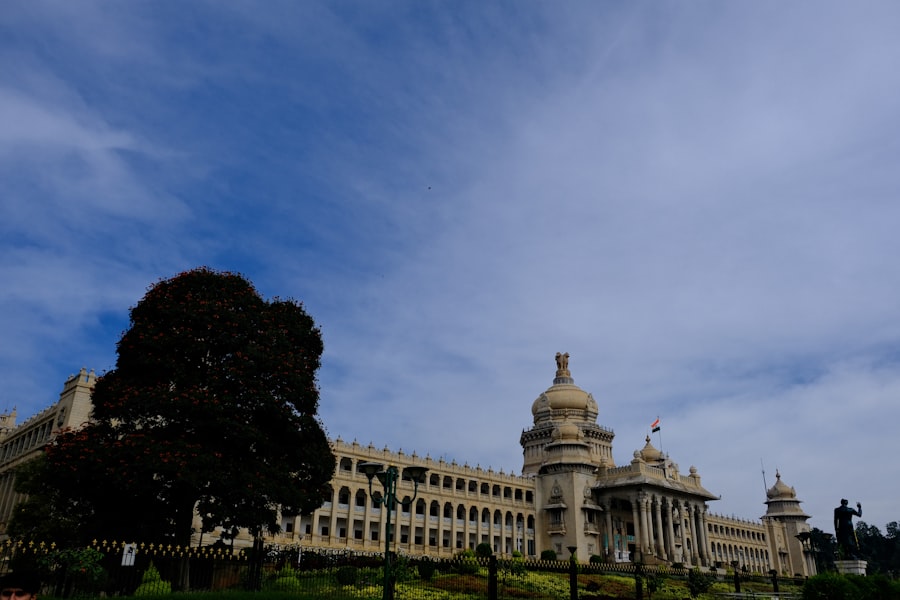
The role of government support in fostering Bengaluru’s AI research hub cannot be overstated. Recognizing the potential of AI to drive economic growth and technological advancement, the Indian government has implemented various initiatives aimed at promoting research and development in this field. Policies that encourage investment in technology startups and provide funding for research projects have created a conducive environment for innovation.
Additionally, state-level initiatives such as the Karnataka government’s “Vision Group on Artificial Intelligence” aim to position Bengaluru as a global leader in AI by facilitating collaboration between academia, industry, and government agencies. These efforts include establishing dedicated research centers and incubators that support startups working on AI solutions. By providing resources and infrastructure, the government plays a crucial role in nurturing talent and fostering an ecosystem where groundbreaking research can flourish.
Bengaluru’s AI Research Ecosystem
The AI research ecosystem in Bengaluru is characterized by its interconnectedness and diversity. It comprises a wide range of stakeholders including academic institutions, startups, established companies, government agencies, and non-profit organizations. This multifaceted landscape enables a rich exchange of ideas and resources that drive innovation forward.
At its core, Bengaluru’s ecosystem thrives on collaboration between these various entities. For instance, startups often collaborate with academic researchers to validate their technologies or gain insights into cutting-edge developments in AI. Conversely, academic institutions benefit from industry partnerships that provide access to real-world data and practical applications for their research findings.
This symbiotic relationship enhances the overall quality of research while ensuring that innovations are aligned with market needs.
Challenges and Opportunities in Bengaluru’s AI Research Hub
Despite its many strengths, Bengaluru’s AI research hub faces several challenges that could hinder its growth trajectory. One significant issue is the shortage of skilled talent in specialized areas of AI such as deep learning and natural language processing. As demand for expertise continues to rise globally, attracting and retaining top talent becomes increasingly competitive.
This challenge necessitates concerted efforts from educational institutions to adapt curricula that meet industry needs while also encouraging continuous learning among professionals. On the other hand, these challenges present opportunities for growth and innovation within Bengaluru’s AI landscape. The increasing demand for skilled professionals has led to a surge in training programs and boot camps focused on AI technologies.
Additionally, collaborations between academia and industry can help bridge skill gaps by providing students with hands-on experience through internships or project-based learning initiatives. By addressing these challenges proactively, Bengaluru can further solidify its position as a leading hub for AI research.
Impact of Bengaluru’s AI Research on Industry and Society
The impact of Bengaluru’s AI research extends far beyond academia; it significantly influences both industry practices and societal norms. In various sectors such as healthcare, finance, transportation, and agriculture, local innovations are reshaping how businesses operate and deliver services. For instance, advancements in predictive analytics powered by AI are enabling companies to make data-driven decisions that enhance efficiency and customer satisfaction.
Moreover, societal implications are equally profound. AI-driven solutions developed in Bengaluru are addressing critical issues such as healthcare accessibility and environmental sustainability. By harnessing technology to tackle these challenges head-on, researchers are not only contributing to economic growth but also improving quality of life for individuals across different demographics.
The ripple effects of these innovations underscore the transformative power of Bengaluru’s AI research on both industry dynamics and societal well-being.
Future Outlook for Bengaluru’s AI Research Hub
Looking ahead, the future outlook for Bengaluru’s AI research hub appears promising yet challenging. As global interest in artificial intelligence continues to grow exponentially, Bengaluru must remain agile in adapting to emerging trends while addressing existing challenges within its ecosystem.
Furthermore, as ethical considerations surrounding AI become increasingly important worldwide, Bengaluru has an opportunity to lead discussions on responsible AI development practices. By prioritizing transparency, fairness, and accountability within its research initiatives, Bengaluru can set benchmarks that resonate globally while ensuring that technological advancements benefit society at large.
Bengaluru as a Global Leader in AI Research
In conclusion, Bengaluru has firmly established itself as a global leader in artificial intelligence research through its rich history, diverse ecosystem of key players, collaborative spirit, and significant contributions to technological advancements. The city’s commitment to fostering innovation is evident in its thriving startup culture, robust academic institutions, and supportive government initiatives that collectively create an environment conducive to groundbreaking research. As Bengaluru continues to navigate challenges while seizing opportunities within the rapidly evolving landscape of artificial intelligence, it remains poised to shape not only India’s technological future but also influence global trends in this transformative field.
With its unique blend of talent, resources, and vision for responsible innovation, Bengaluru stands as a beacon of progress—a true testament to what can be achieved when creativity meets collaboration in pursuit of excellence in artificial intelligence research.
Bengaluru has emerged as a significant player in the global AI landscape, with its research hub attracting talent and investment from around the world. For more insights into the developments in this vibrant tech ecosystem, you can read a related article on the topic at this link.
WATCH THIS! 🚨 Chicago’s Fiscal Cliff: Why America’s First City Is About to Fall
FAQs
What is the Bengaluru AI Research Hub?
The Bengaluru AI Research Hub is a dedicated center focused on advancing artificial intelligence research and development. It brings together academia, industry experts, startups, and government bodies to foster innovation in AI technologies.
Why is Bengaluru chosen as a location for an AI research hub?
Bengaluru is known as the “Silicon Valley of India” due to its strong IT ecosystem, presence of numerous tech companies, research institutions, and a large pool of skilled professionals, making it an ideal location for an AI research hub.
What are the main objectives of the Bengaluru AI Research Hub?
The hub aims to promote cutting-edge AI research, facilitate collaboration between various stakeholders, support AI startups, develop AI talent, and contribute to the growth of AI-driven solutions across industries.
Who are the key participants involved in the Bengaluru AI Research Hub?
Participants typically include technology companies, academic institutions, government agencies, startups, and AI researchers who collaborate on projects, share knowledge, and develop AI innovations.
What kind of research is conducted at the Bengaluru AI Research Hub?
Research areas include machine learning, natural language processing, computer vision, robotics, data analytics, and other AI subfields that have applications in sectors like healthcare, finance, agriculture, and smart cities.
How does the Bengaluru AI Research Hub support startups?
The hub provides startups with access to mentorship, funding opportunities, technical resources, networking events, and collaboration platforms to accelerate their AI product development and market entry.
Is the Bengaluru AI Research Hub open to international collaboration?
Yes, the hub encourages partnerships with global AI research organizations, universities, and companies to foster knowledge exchange and joint innovation projects.
What impact does the Bengaluru AI Research Hub have on the local economy?
By driving AI innovation, creating job opportunities, attracting investments, and supporting startups, the hub contributes significantly to Bengaluru’s economic growth and technological leadership.
How can students and researchers get involved with the Bengaluru AI Research Hub?
Students and researchers can participate through internships, collaborative projects, workshops, seminars, and by partnering with institutions affiliated with the hub.
Are there any government initiatives supporting the Bengaluru AI Research Hub?
Yes, various government programs and policies at both the central and state levels support AI research and innovation, providing funding, infrastructure, and regulatory frameworks to promote the hub’s activities.