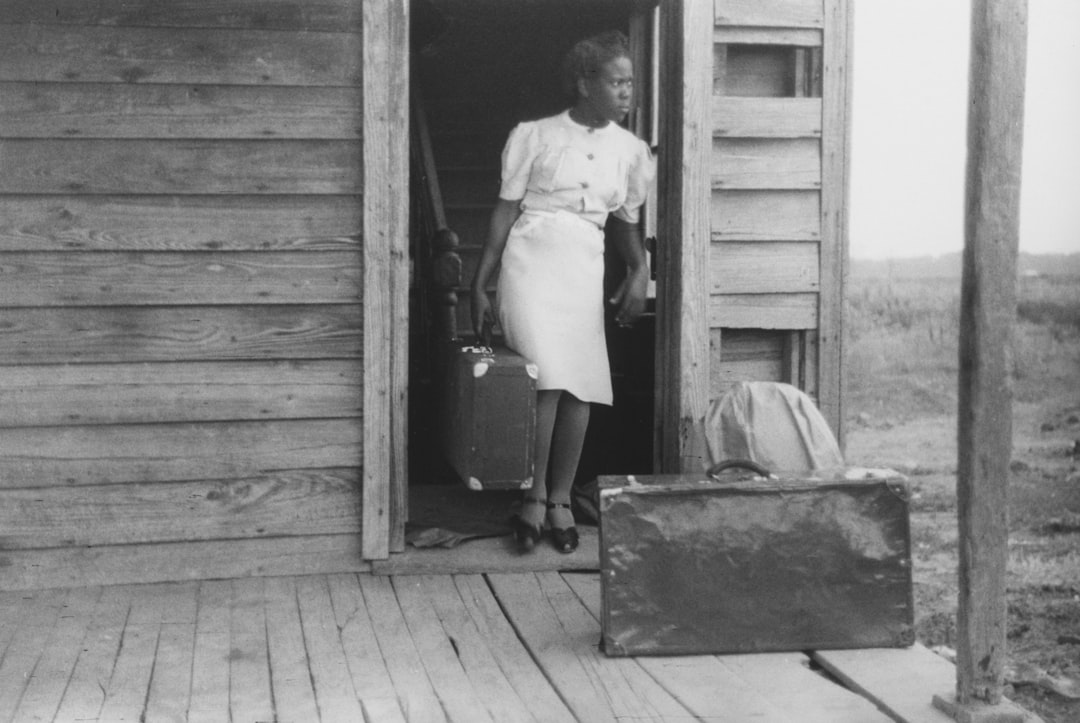
Historical documentaries serve as a bridge between the past and the present, offering viewers a glimpse into events that have shaped societies and cultures. These films and series delve into significant moments in history, presenting them through a lens that combines factual accuracy with engaging storytelling. By utilizing a variety of sources, including archival footage, expert interviews, and reenactments, historical documentaries aim to educate audiences while also sparking curiosity about the complexities of human experience.
They play a crucial role in preserving collective memory, ensuring that the lessons of history are not forgotten. The genre has gained immense popularity over the years, appealing to a wide range of audiences. From casual viewers to history enthusiasts, documentaries provide an accessible way to explore intricate narratives that might otherwise remain obscure.
As they unfold stories of triumph, tragedy, and resilience, these films invite viewers to reflect on their own lives and the world around them. The power of historical documentaries lies not only in their ability to inform but also in their capacity to evoke emotions and provoke thought, making them an essential part of contemporary media.
Key Takeaways
- Historical documentaries provide a window into the past, offering a unique perspective on significant events and figures.
- Untold stories have a profound impact on shaping our understanding of history and challenging traditional narratives.
- Historical documentaries have evolved from traditional formats to incorporate new storytelling techniques and perspectives.
- Uncovering new perspectives in historical documentaries allows for a more comprehensive and inclusive understanding of history.
- Technology plays a crucial role in uncovering untold stories, allowing for the preservation and dissemination of historical information in innovative ways.
The Impact of Untold Stories
Untold stories often hold the key to understanding the full scope of historical events. These narratives, frequently overlooked or marginalized, can shed light on the experiences of individuals and communities that have been silenced or forgotten. By bringing these stories to the forefront, historical documentaries can challenge dominant narratives and encourage viewers to reconsider their perceptions of history.
The impact of these untold stories is profound; they can foster empathy, promote social justice, and inspire change by highlighting the struggles and triumphs of those who have been historically underrepresented. Moreover, untold stories can serve as a catalyst for dialogue and reflection. When audiences are exposed to diverse perspectives, they are more likely to engage in discussions about the implications of history on contemporary society.
This engagement can lead to a deeper understanding of systemic issues such as racism, inequality, and injustice. By amplifying voices that have been historically marginalized, documentaries not only enrich the historical narrative but also empower viewers to advocate for a more inclusive understanding of the past.
The Evolution of Historical Documentaries

The evolution of historical documentaries reflects broader changes in society’s relationship with history and storytelling. In the early days of filmmaking, documentaries often adhered to a rigid format that prioritized factual reporting over narrative engagement. However, as filmmakers began to experiment with different styles and techniques, the genre transformed into a more dynamic medium.
The introduction of personal narratives, emotional storytelling, and innovative visual techniques has allowed historical documentaries to resonate with audiences on a deeper level. In recent years, there has been a noticeable shift towards more immersive experiences in historical documentaries. Filmmakers are increasingly utilizing advanced technologies such as virtual reality and interactive storytelling to create engaging narratives that invite viewers to participate actively in the exploration of history.
This evolution not only enhances the viewing experience but also reflects a growing recognition of the importance of audience engagement in conveying historical truths. As the genre continues to evolve, it remains committed to uncovering new stories and perspectives that challenge conventional understandings of history.
Uncovering New Perspectives
| Category | Metric | Value |
|---|---|---|
| Research | New findings | 15 |
| Exploration | New territories | 8 |
| Innovation | New ideas | 20 |
Uncovering new perspectives is a fundamental aspect of historical documentaries that enriches the viewer’s understanding of past events.
For instance, documentaries that focus on indigenous histories or marginalized communities can provide insights into how these groups have navigated their realities amidst dominant societal narratives.
Additionally, new perspectives can challenge existing assumptions about well-known events. By presenting alternative viewpoints or highlighting previously ignored details, historical documentaries encourage viewers to question their preconceived notions and engage critically with the material. This process not only broadens the audience’s understanding but also fosters a more nuanced appreciation for the multifaceted nature of history itself.
As filmmakers continue to seek out diverse voices and stories, they contribute to a richer tapestry of historical understanding.
The Role of Technology in Uncovering Untold Stories
Technology plays a pivotal role in uncovering untold stories within historical documentaries. Advances in digital archiving, data visualization, and multimedia storytelling have made it easier for filmmakers to access and present historical materials that were once difficult to obtain or analyze. For example, digitization efforts have allowed previously inaccessible archives to be made available online, enabling filmmakers to incorporate rare footage and documents into their narratives.
Moreover, technology has transformed how audiences engage with historical content. Interactive platforms allow viewers to explore timelines, maps, and primary sources at their own pace, deepening their connection to the material. Social media has also become a powerful tool for sharing untold stories, as filmmakers can reach wider audiences and foster discussions around their work.
By harnessing technology effectively, historical documentaries can illuminate hidden narratives and create a more inclusive understanding of history.
The Importance of Authenticity in Historical Documentaries
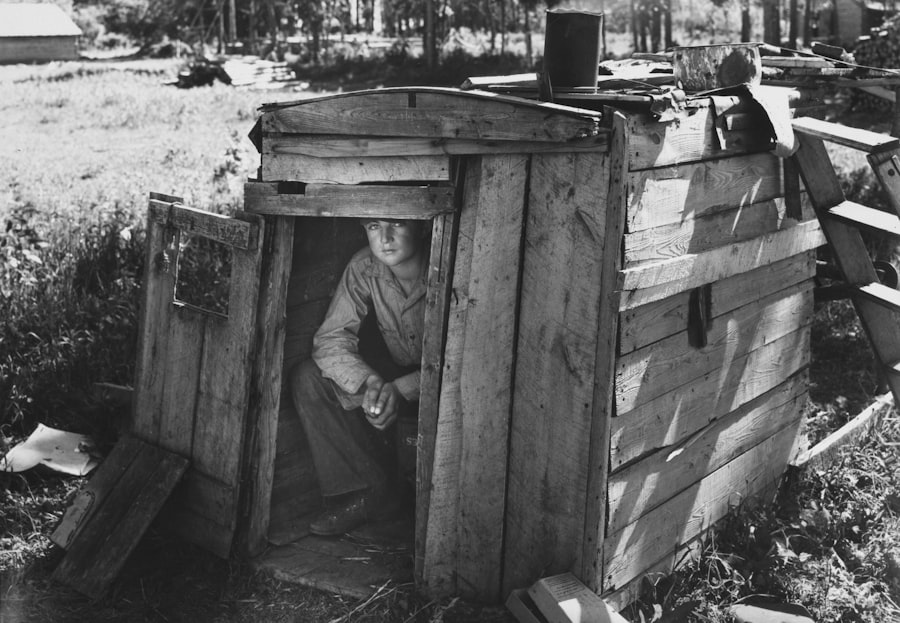
Authenticity is paramount in historical documentaries, as it ensures that the narratives presented are grounded in factual accuracy and respect for the subjects being portrayed. Filmmakers have a responsibility to conduct thorough research and engage with historians and experts to ensure that their representations are truthful and nuanced. This commitment to authenticity not only enhances the credibility of the documentary but also honors the experiences of those whose stories are being told.
Furthermore, authenticity fosters trust between filmmakers and audiences. When viewers perceive a documentary as genuine and well-researched, they are more likely to engage with its content critically and reflectively. This trust is especially important when addressing sensitive topics or controversial histories, as it allows for open dialogue and exploration of complex issues.
By prioritizing authenticity in their work, filmmakers contribute to a more informed public discourse about history and its implications for contemporary society.
The Power of Visual Storytelling
Visual storytelling is at the heart of historical documentaries, allowing filmmakers to convey complex narratives through compelling imagery and soundscapes. The use of archival footage, photographs, and reenactments can evoke powerful emotions and create a visceral connection between viewers and historical events. This visual dimension enhances the storytelling experience by providing context and depth that words alone may struggle to convey.
Moreover, visual storytelling can transcend language barriers, making history accessible to diverse audiences around the world. The combination of visuals with music and narration creates an immersive experience that captivates viewers’ attention and encourages them to engage with the material on multiple levels. As filmmakers continue to innovate in their use of visual techniques, they expand the possibilities for how history can be told and understood.
The Influence of Historical Documentaries on Society
Historical documentaries wield significant influence over societal perceptions of history and culture. By shaping public narratives about past events, these films can impact how communities understand their identities and histories. For instance, documentaries that highlight social movements or pivotal moments in civil rights can inspire contemporary activism by drawing parallels between past struggles and present challenges.
Additionally, historical documentaries can serve as educational tools within formal settings such as schools and universities. Educators often incorporate these films into curricula to provide students with engaging ways to explore complex topics. By fostering critical thinking skills and encouraging discussions about historical context, these documentaries contribute to a more informed citizenry capable of engaging with contemporary issues thoughtfully.
The Future of Historical Documentaries
The future of historical documentaries appears promising as filmmakers continue to explore innovative ways to tell stories from the past. With advancements in technology and an increasing emphasis on diverse perspectives, there is potential for even greater engagement with untold narratives. As audiences become more discerning consumers of media, there is also an opportunity for filmmakers to prioritize authenticity and ethical storytelling practices.
Moreover, as global events continue to unfold at an unprecedented pace, historical documentaries will play an essential role in contextualizing current affairs within broader historical frameworks. By drawing connections between past events and contemporary issues such as climate change or social justice movements, these films can help audiences navigate complex realities while fostering a deeper understanding of their implications.
The Significance of Uncovering Untold Stories in 2024
In 2024, uncovering untold stories remains crucial for fostering inclusivity and understanding within society. As conversations around representation and equity continue to evolve, historical documentaries have an opportunity to amplify voices that have been historically marginalized or silenced. By prioritizing these narratives, filmmakers can contribute to a more comprehensive understanding of history that reflects the diversity of human experiences.
Furthermore, as societies grapple with ongoing challenges related to identity politics and social justice movements, untold stories can serve as powerful reminders of resilience and agency. They can inspire individuals to take action within their communities while fostering empathy for those whose experiences differ from their own. In this way, uncovering untold stories becomes not just an act of remembrance but also a call to action for future generations.
Recommendations for Must-Watch Historical Documentaries
For those interested in exploring the rich landscape of historical documentaries, several must-watch titles stand out for their compelling storytelling and insightful perspectives.
Another noteworthy documentary is “The Act of Killing,” which invites former Indonesian death squad leaders to reenact their experiences during the genocide in a surreal yet haunting manner.
Additionally, “Won’t You Be My Neighbor?” offers an intimate look at Fred Rogers’ life and legacy while exploring themes of kindness and compassion in a rapidly changing world. For those interested in global histories, “The Fog of War,” featuring former U.S. Secretary of Defense Robert S.
McNamara, provides valuable insights into the complexities of war and decision-making during pivotal moments in history. These documentaries exemplify the power of storytelling in illuminating untold narratives while encouraging critical reflection on societal issues that persist today. As audiences engage with these films, they contribute to a broader conversation about history’s relevance in shaping contemporary society.
For those interested in exploring the best historical documentaries of 2024, a great resource is the article available at this link. It provides an in-depth analysis of the most impactful documentaries released this year, highlighting their significance and the stories they tell. Whether you’re a history buff or just looking for something informative to watch, this article is a must-read.
WATCH THIS! The 20 Things History Buried To Protect Us
FAQs
What is a historical documentary?
A historical documentary is a non-fiction film or television program that presents historical events, people, or periods using archival footage, interviews, and reenactments.
What makes a historical documentary the best?
The best historical documentaries are typically well-researched, accurately depict historical events, and engage viewers with compelling storytelling and high production quality.
What are some popular historical documentaries from 2024?
Some popular historical documentaries from 2024 include “The Rise and Fall of the Roman Empire,” “The Civil Rights Movement: A Documentary,” and “World War II: A Global Perspective.”
Where can I watch the best historical documentaries?
The best historical documentaries can be found on streaming platforms such as Netflix, Amazon Prime Video, and Hulu, as well as on cable and satellite television channels dedicated to history and documentary programming.
Are historical documentaries educational?
Yes, historical documentaries are often used as educational tools to teach audiences about significant historical events, figures, and periods. They can provide valuable insights and perspectives on the past.