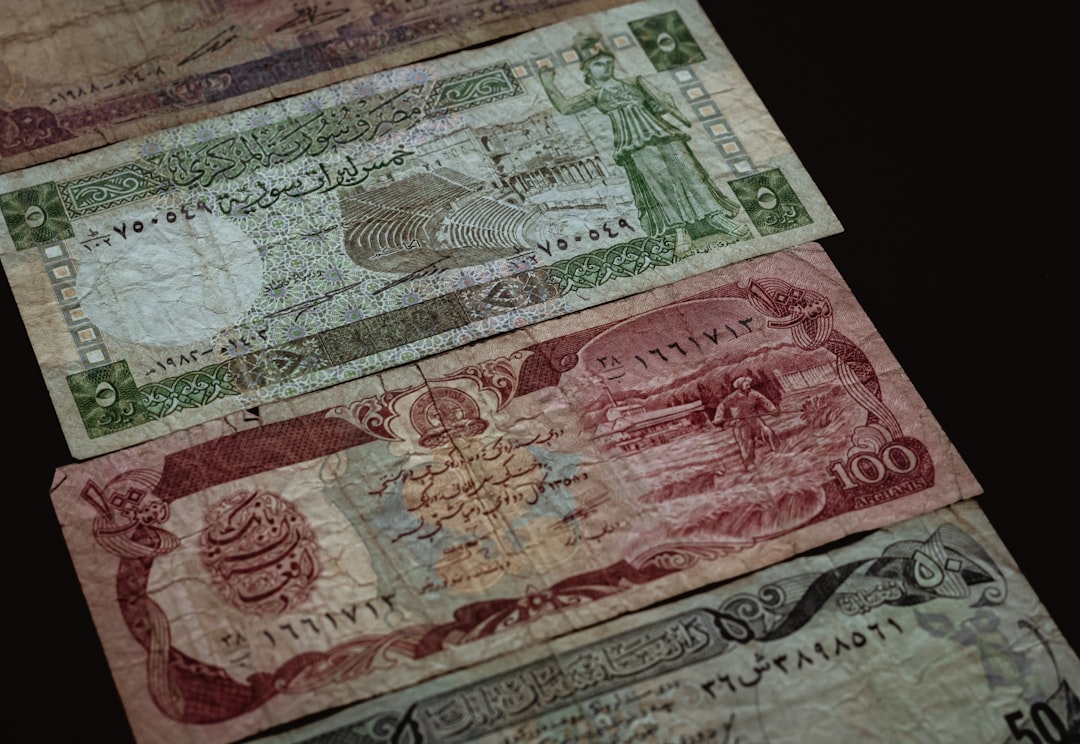
The economic landscape is in constant flux, a vast ocean where currents of power shift and new constellations of influence emerge. For decades, the United States dollar has sailed as the undisputed flagship of global finance, its stability and widespread acceptance a cornerstone of international trade and investment. However, a growing chorus of nations, primarily grouped under the BRICS umbrella – Brazil, Russia, India, China, and South Africa – are increasingly charting a course that challenges this long-held hegemony. This article delves into the multifaceted challenges posed by the BRICS nations to the dominance of the US dollar, examining the motivations, practicalities, and potential ramifications of this evolving global economic dynamic.
The formation of BRICS, initially BRIC (Brazil, Russia, India, China) in 2001 and later expanded to include South Africa in 2010, was not an overnight phenomenon but a gradual recognition of shared economic interests and a desire for greater representation in global governance. The group represents a significant portion of the world’s population and a substantial, rapidly growing share of global GDP. Their economic ascendance naturally led to a desire to exert more influence over the international financial architecture.
Declining Trust and the Quest for Multipolarity
One of the primary drivers behind the BRICS’ pursuit of alternatives to the dollar stems from a perceived decline in trust in the existing global financial order. The use of the dollar as a tool of foreign policy, particularly through sanctions and asset freezes, has created unease among nations that do not align with US geopolitical aims. This has fostered a desire for a more multipolar world where economic power is more widely distributed and less susceptible to the unilateral actions of a single nation. The notion of the dollar as an unassailable anchor is beginning to fray for some, much like a ship’s anchor that has been corroded by saltwater and now shows signs of weakness.
Post-2008 Financial Crisis Reassessment
The global financial crisis of 2008, originating in the US, highlighted the interconnectedness of the global economy and the inherent vulnerabilities of a system heavily reliant on a single currency. This event catalyzed a reassessment of existing economic structures and spurred developing nations to seek more resilient and inclusive alternatives. The perceived overreliance on the dollar was seen as a potential Achilles’ heel, susceptible to the economic machinations of its issuer.
The AIIB and the New Development Bank: Precursors to Currency Ambition
The establishment of institutions like the Asian Infrastructure Investment Bank (AIIB) led by China and the BRICS-initiated New Development Bank (NDB) signaled a tangible shift towards creating parallel financial structures. These institutions, with their own capital bases and lending mechanisms, offered an implicit critique of the Bretton Woods institutions (IMF and World Bank) and their dollar-centric operations. They provided a testing ground for alternative financing models and fostered a spirit of cooperation that could eventually extend to currency matters.
The ongoing discussions surrounding the potential emergence of a BRICS currency as a competitor to the US dollar have significant implications for global trade and economic stability. As countries within the BRICS coalition explore alternatives to the dollar, it is essential to consider how these changes might intersect with other economic trends, such as nearshoring. For a deeper understanding of how nearshoring could influence inflation and the broader economic landscape, you can read more in this related article: The Impact of Nearshoring on Inflation.
The Mechanics of De-Dollarization: A Multifaceted Approach
The BRICS’ challenge to the dollar is not a singular, monolithic effort but a complex tapestry woven from various strategies and initiatives aimed at reducing reliance on the greenback. This is akin to a gardener systematically introducing new species of plants to diversify the ecosystem rather than attempting to uproot the dominant flora in one fell swoop.
Bilateral Trade Agreements in Local Currencies
A cornerstone of the de-dollarization strategy is the increasing prevalence of bilateral trade agreements that settle transactions in the respective local currencies of the trading partners. This removes the dollar as an intermediary, directly impacting its transactional volume. For instance, China and Brazil have been at the forefront of signing such agreements, allowing for direct currency exchange, thereby sidestepping the dollar. This approach simplifies trade, reduces transaction costs associated with currency conversion, and directly boosts the prominence of the participating nations’ currencies.
The RMB’s Growing Internationalization
China’s Renminbi (RMB), also known as the Yuan, plays a pivotal role in these de-dollarization efforts. While still facing significant hurdles to full convertibility and market liberalization, the RMB’s use in international trade and as a reserve currency has been steadily increasing. China has actively promoted its currency through initiatives like the Belt and Road Initiative (BRI) and by establishing offshore RMB clearing centers. The ambition is for the RMB to become a more significant international funding and investment currency, a rival to the dollar’s current reign.
Other BRICS Currencies in the Mix
While the RMB often takes center stage, the initiative also involves fostering the use and acceptance of other BRICS currencies. India’s Rupee, Russia’s Ruble, and South Africa’s Rand are gradually finding more space in intra-BRICS trade and investment. However, the liquidity and global convertibility of these currencies present considerable challenges compared to the dollar. Overcoming these limitations is a long-term endeavor requiring significant domestic economic reforms and increased international integration.
Payment Systems and Financial Infrastructure
Beyond currency settlement in trade, the BRICS are investing in developing alternative payment systems and financial infrastructure that bypass dollar-denominated channels.
SWIFT Alternatives
The Society for Worldwide Interbank Financial Telecommunication (SWIFT) is the dominant global messaging system for interbank financial transactions, predominantly denominated in dollars. Concerns over potential exclusion from SWIFT, particularly for Russia following sanctions, have spurred interest in developing independent messaging systems. Russia’s SPFS (System for Transfer of Financial Messages) and China’s CIPS (Cross-Border Interbank Payment System) are examples of such initiatives, aiming to offer secure and efficient alternatives for cross-border payments. The success of these systems hinges on their ability to gain widespread international adoption and trust, a marathon rather than a sprint.
Central Bank Digital Currencies (CBDCs)
The exploration of Central Bank Digital Currencies (CBDCs) by BRICS nations presents another significant avenue for de-dollarization. While the primary motivations for CBDCs often lie in domestic monetary policy and financial inclusion, their cross-border interoperability could eventually facilitate direct payments between member countries, bypassing dollar-based correspondent banking. A unified or interconnected CBDC framework among BRICS nations could act as a powerful engine for alternative payment flows, weakening the dollar’s transactional stranglehold.
The Dream of a BRICS Common Currency or Basket
The most ambitious, and perhaps most speculative, aspect of the BRICS currency challenge is the idea of a common BRICS currency or a currency basket. This would represent a direct attempt to create a new global reserve asset to rival the dollar.
The Theoretical Advantages
A common BRICS currency, or a basket of their currencies, could offer several theoretical advantages. It would provide a stable store of value for member nations, reduce exchange rate volatility in intra-BRICS trade, and offer an alternative reserve asset for central banks worldwide. Such a currency could be designed to reflect the economic clout of the BRICS bloc, providing a more representative benchmark for global trade and finance. This would be akin to discovering a new, fertile continent for global trade, offering producers and consumers a new harbor for their economic activities.
Significant Hurdles and Practical Challenges
However, the path to a common currency is fraught with immense practical challenges.
Divergent Economic Structures and Interests
The BRICS nations are characterized by highly diverse economic structures, development levels, and national interests. Achieving consensus on monetary policy, exchange rate management, and fiscal coordination – all prerequisites for a successful currency union – would be an extraordinary feat. Imagine trying to conduct a symphony with musicians playing instruments tuned to vastly different pitches; achieving harmonic resonance would be a colossal undertaking.
Sovereignty and National Identity
Currency is deeply intertwined with national sovereignty and identity. Forgoing national currencies for a supranational one necessitates relinquishing a degree of economic control, a decision that would face stiff political opposition within each member state. The political will and public acceptance required for such a radical step are currently far from certain.
Establishing Credibility and Trust
Even if a common currency were to be launched, it would need to earn the trust and confidence of the global financial community. This would require a proven track record of stability, sound economic management, and a robust governance framework, all of which take considerable time to build. The dollar’s current dominance is, in part, a testament to decades of relative stability and the perceived reliability of the US economic system. Any new contender would face an uphill battle to replicate this level of trust.
The “Basket of Currencies” Compromise
A more pragmatic intermediate step might be the development of a “basket of currencies” that BRICS nations could use for trade settlement and as a benchmark. This would involve a weighted average of the BRICS currencies, offering a more diversified and less volatile alternative to single national currencies while still falling short of a full monetary union. Such a basket could gain traction as a unit of account or as a reference point for financial instruments.
The Dollar’s Enduring Strengths and Resilience
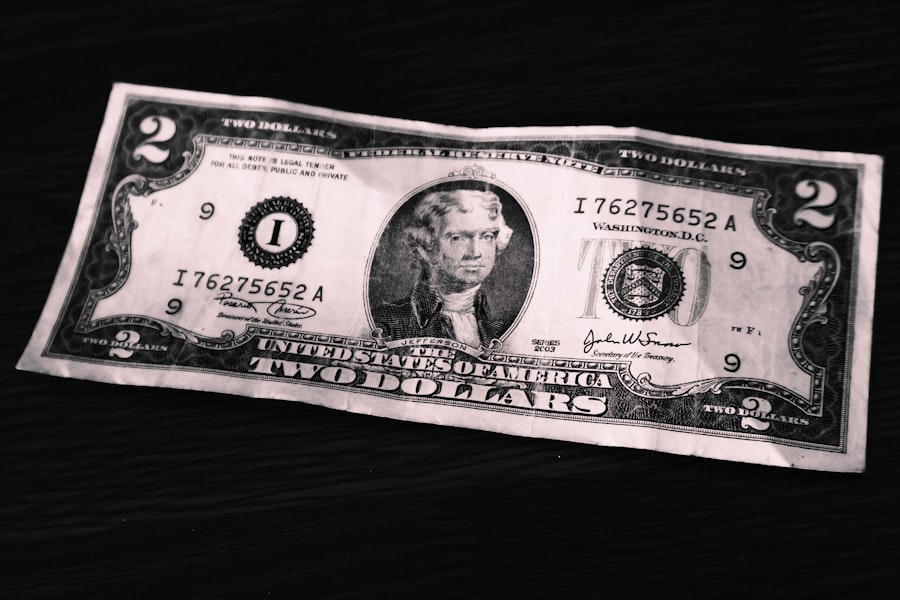
While the BRICS are actively pursuing alternatives, it is crucial to acknowledge the enduring strengths and resilience of the US dollar, which will not be dethroned overnight.
The Petro-Dollar Equilibrium
A significant factor underpinning the dollar’s dominance is the “petro-dollar” system, where oil is predominantly priced and traded in US dollars. This creates a consistent global demand for dollars, as major oil-producing nations hold dollar reserves and nations reliant on oil imports must acquire dollars to make purchases. Disrupting this fundamental link would require a seismic shift in global energy markets.
Deep and Liquid Financial Markets
The United States boasts the deepest and most liquid financial markets in the world. This makes it easy for investors to buy and sell dollar-denominated assets, from US Treasury bonds to stocks and corporate debt. This unparalleled liquidity attracts capital and further reinforces the dollar’s status as a safe haven. The vast ocean of US financial markets offers unparalleled depth and ease of navigation for global capital flows.
Geopolitical and Military Influence
The dollar’s role is also intertwined with the geopolitical and military influence of the United States. The US dollar is the currency of choice for many international transactions, including those related to defense and global security. This broad reach, while controversial for some, contributes to its entrenched position.
The Network Effect
The dollar benefits from a powerful network effect. Because almost everyone uses it, it becomes more convenient for everyone else to use it too. This creates a virtuous cycle that is difficult for any challenger to break. Imagine a global highway system; the more roads already paved and leading to established destinations, the harder it is to convince travelers to take a newly constructed, less-traveled route.
As discussions around the potential emergence of a BRICS currency gain momentum, many analysts are drawing parallels to historical shifts in global finance. One intriguing perspective can be found in an article that explores the broader implications of technological advancements and their impact on civilization, which can be related to the current economic landscape. For a deeper understanding of how past events shape our present, you can read more in this insightful piece on ancient technology and its destruction here. This context may provide valuable insights into the dynamics of currency evolution and the challenges faced by the US dollar in maintaining its dominance.
The Future Landscape: Coexistence or Competition?
| BRICS Currency | Exchange Rate vs USD | Yearly Change (%) | Inflation Rate (%) | Central Bank Interest Rate (%) |
|---|---|---|---|---|
| Brazilian Real (BRL) | 5.25 | -3.2 | 4.5 | 13.75 |
| Russian Ruble (RUB) | 75.40 | +2.1 | 5.8 | 7.50 |
| Indian Rupee (INR) | 82.10 | -1.5 | 6.1 | 6.50 |
| Chinese Yuan (CNY) | 6.90 | +0.8 | 2.1 | 3.65 |
| South African Rand (ZAR) | 18.75 | -4.0 | 5.9 | 8.25 |
The trajectory of the BRICS currency challenge suggests that the future financial landscape is unlikely to be a simple case of one currency replacing another. Instead, a more complex scenario of coexistence and evolving competition is probable.
A More Multipolar Reserve Currency System
It is plausible that the dollar will continue to be a dominant reserve currency, but its share may gradually diminish as other currencies, particularly the RMB and potentially a BRICS basket or regional currency blocs, gain prominence. This would lead to a more multipolar reserve currency system, where central banks hold a more diversified portfolio of foreign exchange reserves, similar to how different constellations dot the night sky, each with its own luminescence.
The Impact on Global Trade and Finance
The ongoing de-dollarization efforts will undoubtedly have a profound impact on global trade and finance. Increased use of local currencies in bilateral trade could reduce transaction costs and promote greater economic integration among BRICS nations. The development of alternative payment systems could enhance financial resilience and reduce dependence on dollar-based infrastructure.
The Pace of Change: Gradual Evolution
It is important to temper expectations regarding the pace of change. The US dollar’s entrenched position is the result of decades of economic, political, and historical factors. Any significant shift in the global financial order will be a gradual process, unfolding over years, if not decades. The bedrock of dollar dominance is solid, and any seismic shift will require persistent and concerted efforts from its challengers.
In conclusion, the BRICS nations are actively engaged in a multifaceted endeavor to challenge the US dollar’s long-standing hegemony. Driven by a desire for greater multipolarity and a perceived need for economic diversification, they are pursuing strategies ranging from bilateral trade in local currencies to the development of alternative payment systems and, more ambitiously, the concept of a common BRICS currency. While the dollar possesses significant enduring strengths, including deep financial markets and the petro-dollar equilibrium, the BRICS’ collective economic weight and their coordinated efforts are undeniable forces shaping the future of global finance. The outcome is likely to be a more diversified and multipolar international monetary system, characterized by coexistence and evolving competition rather than a swift dethronement of the dollar. The currents of global finance are undoubtedly shifting, and the BRICS are charting new waters, reminding the world that economic power, like all forms of power, is not static but is in perpetual motion.

WATCH NOW ▶️ WARNING: The Dollar Just Became Optional
FAQs
What is the BRICS currency?
The BRICS currency refers to a proposed common currency or a basket of currencies used by the BRICS countries—Brazil, Russia, India, China, and South Africa—to facilitate trade and reduce dependence on the US dollar.
Why are BRICS countries considering an alternative to the US dollar?
BRICS countries are exploring alternatives to the US dollar to reduce their vulnerability to US monetary policy, sanctions, and to promote greater financial independence and stability in international trade.
How does the US dollar currently dominate global trade?
The US dollar is the primary reserve currency worldwide, used extensively in international trade, finance, and as a benchmark for commodities, making it the dominant currency in global markets.
What are the challenges of implementing a BRICS currency?
Challenges include differing economic policies, political interests, currency volatility among member countries, lack of a unified financial system, and the complexity of replacing the well-established US dollar.
Could a BRICS currency replace the US dollar in the near future?
While the BRICS countries are working towards greater financial cooperation, replacing the US dollar as the dominant global currency is a complex and long-term process that faces significant economic and geopolitical hurdles.