
Energy independence refers to a nation’s capacity to fulfill its energy requirements through domestic resources without dependence on imports.
Countries achieving energy independence experience decreased vulnerability to international conflicts, trade disputes, and market volatility that can affect energy supply chains.
The economic implications of energy independence include protection from price fluctuations in global energy markets and retention of energy expenditures within the domestic economy. Nations with substantial energy imports typically transfer significant financial resources to exporting countries, whereas energy-independent nations can redirect these funds toward domestic economic development and infrastructure investment. Energy independence initiatives frequently drive technological innovation and industrial development.
Investment in domestic energy production capabilities, including renewable energy systems, extraction technologies, and distribution infrastructure, generates employment opportunities across multiple sectors. These investments often accelerate research and development in energy technologies such as solar and wind power systems, battery storage solutions, and advanced grid management systems. Countries pursuing energy independence may establish competitive advantages in emerging energy technologies, potentially creating export opportunities for energy equipment and expertise.
Key Takeaways
- Energy independence enhances national security and economic stability by reducing reliance on foreign energy sources.
- Transitioning to renewable energy and improving energy efficiency are key strategies for achieving energy independence.
- Government policies play a crucial role in promoting energy independence through regulations and incentives.
- Reducing fossil fuel consumption benefits the environment and supports sustainable energy development.
- Individuals can contribute by adopting energy-saving practices and supporting clean energy initiatives.
The Current State of Energy Dependency
As of late 2023, many countries continue to grapple with significant energy dependency, relying heavily on imported fossil fuels to meet their energy demands. This reliance creates a precarious situation where nations are subject to the whims of international markets and geopolitical conflicts. For instance, fluctuations in oil prices can have immediate and profound effects on national economies, leading to inflation and increased costs for consumers.
Additionally, countries that depend on a limited number of suppliers may find themselves vulnerable to supply disruptions caused by political instability or natural disasters. The current state of energy dependency is further complicated by the ongoing transition towards renewable energy sources. While many nations are making strides in adopting cleaner technologies, the pace of this transition varies widely.
Some countries have made significant investments in wind, solar, and other renewable resources, while others remain entrenched in fossil fuel consumption. This disparity not only affects energy security but also has implications for climate change efforts, as nations that continue to rely on fossil fuels contribute significantly to greenhouse gas emissions.
The Benefits of Achieving Energy Independence

Achieving energy independence offers a multitude of benefits that extend beyond mere self-sufficiency. One of the most significant advantages is enhanced national security. By reducing reliance on foreign energy sources, countries can diminish their vulnerability to external pressures and conflicts that may arise from energy supply disruptions.
This autonomy allows nations to pursue foreign policies that align with their interests without being beholden to the demands of other countries. In addition to bolstering national security, energy independence can lead to substantial economic benefits. By investing in domestic energy production, countries can create jobs in various sectors, from manufacturing to renewable energy installation.
This job creation not only stimulates local economies but also fosters innovation as businesses seek to develop new technologies and improve existing systems. Furthermore, energy independence can stabilize energy prices, providing consumers with more predictable costs and reducing the economic burden associated with volatile global markets.
Strategies for Achieving Energy Independence
To achieve energy independence, nations must adopt comprehensive strategies that encompass a range of approaches. One effective strategy involves diversifying energy sources to reduce reliance on any single type of fuel or supplier. By investing in a mix of renewable energies such as solar, wind, hydroelectric, and geothermal power, countries can create a more resilient energy portfolio that is less susceptible to market fluctuations and supply disruptions.
Another crucial strategy is the enhancement of energy infrastructure. Upgrading existing power grids and investing in new technologies can improve the efficiency and reliability of energy distribution. Smart grid technologies, for example, allow for better management of electricity demand and supply, enabling a more responsive system that can integrate various energy sources seamlessly.
Additionally, fostering partnerships between public and private sectors can drive innovation and investment in clean energy technologies, further supporting the goal of energy independence.
Investing in Renewable Energy Sources
| Metric | Description | Value | Unit | Year |
|---|---|---|---|---|
| Percentage of Energy Produced Domestically | Share of total energy consumption met by domestic production | 85 | % | 2023 |
| Renewable Energy Share | Portion of energy generated from renewable sources | 40 | % | 2023 |
| Energy Import Dependency | Percentage of energy needs met through imports | 15 | % | 2023 |
| Number of Independent Energy Producers | Count of non-governmental entities producing energy | 120 | Entities | 2023 |
| Energy Storage Capacity | Total capacity of energy storage systems to reduce reliance on grid | 5000 | Megawatt-hours (MWh) | 2023 |
| Grid Decentralization Index | Measure of how decentralized the energy grid is | 0.75 | Index (0-1) | 2023 |
Investing in renewable energy sources is paramount for achieving long-term energy independence. As fossil fuel reserves dwindle and concerns about climate change intensify, the shift towards sustainable energy solutions becomes increasingly urgent. Renewable energy sources such as solar and wind power offer abundant potential for countries to harness their natural resources while reducing greenhouse gas emissions.
By prioritizing investments in these technologies, nations can create a more sustainable energy future. Furthermore, the economic benefits of investing in renewable energy are substantial. The renewable energy sector has proven to be a significant job creator, with opportunities ranging from research and development to manufacturing and installation.
As countries ramp up their investments in clean technologies, they not only reduce their carbon footprint but also stimulate local economies through job creation and increased demand for skilled labor. This dual benefit underscores the importance of prioritizing renewable energy investments as part of a broader strategy for achieving energy independence.
Reducing Reliance on Fossil Fuels
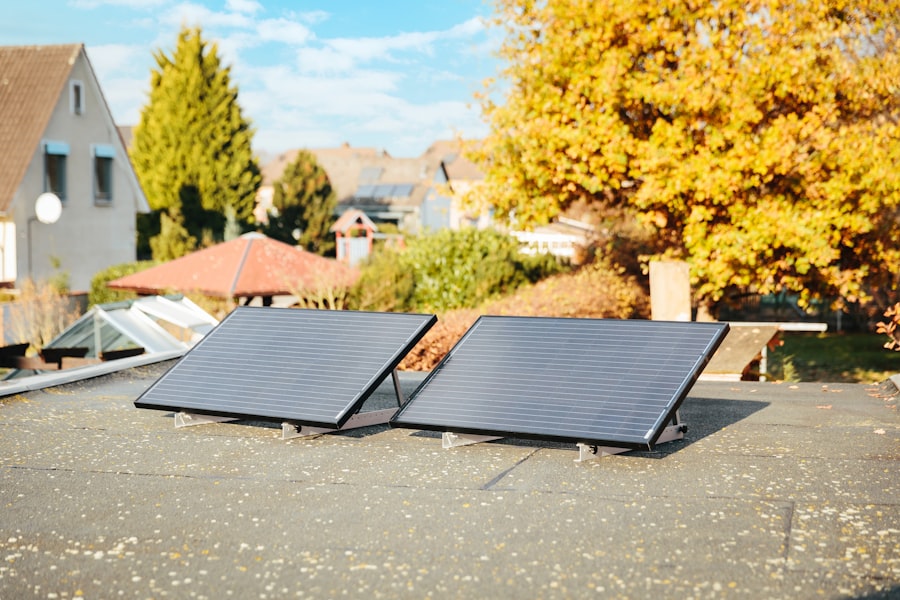
Reducing reliance on fossil fuels is a critical component of any strategy aimed at achieving energy independence. The environmental impact of fossil fuel consumption is well-documented, contributing significantly to air pollution and climate change. Transitioning away from these traditional energy sources requires a concerted effort from governments, businesses, and individuals alike.
By promoting alternative fuels such as biofuels and hydrogen, countries can diversify their energy portfolios while minimizing environmental harm. In addition to promoting alternative fuels, enhancing public transportation systems can play a vital role in reducing fossil fuel dependence. By investing in efficient mass transit options such as electric buses and trains, cities can decrease individual reliance on personal vehicles powered by gasoline or diesel.
This shift not only reduces greenhouse gas emissions but also alleviates traffic congestion and improves air quality in urban areas. Ultimately, reducing reliance on fossil fuels is essential for creating a sustainable and resilient energy future.
Improving Energy Efficiency
Improving energy efficiency is another key strategy for achieving energy independence. By optimizing how energy is used across various sectors—residential, commercial, and industrial—countries can significantly reduce overall consumption while maintaining productivity and comfort levels. Implementing energy-efficient technologies such as LED lighting, smart thermostats, and high-efficiency appliances can lead to substantial savings on energy bills for consumers and businesses alike.
Moreover, enhancing building codes and standards can ensure that new constructions are designed with energy efficiency in mind from the outset. Retrofitting existing buildings with better insulation and more efficient heating and cooling systems can also contribute to reduced energy consumption. As countries prioritize energy efficiency measures, they not only decrease their overall demand for imported fuels but also contribute to environmental sustainability by lowering carbon emissions.
The Role of Government Policies in Achieving Energy Independence
Government policies play a pivotal role in facilitating the transition towards energy independence.
For instance, tax credits for solar panel installations or subsidies for electric vehicles can stimulate consumer adoption while supporting domestic industries focused on clean technology.
Additionally, regulatory frameworks that promote competition within the energy sector can drive innovation and lower prices for consumers. By dismantling monopolistic practices and encouraging diverse market participation, governments can create an environment conducive to growth in renewable energies. Furthermore, international cooperation on clean energy initiatives can enhance knowledge sharing and resource allocation among nations striving for similar goals.
The Impact of Energy Independence on National Security
The impact of achieving energy independence on national security cannot be overstated. Countries that are self-sufficient in their energy needs are less susceptible to external pressures that may arise from geopolitical conflicts or economic sanctions related to energy supplies. This autonomy allows nations to pursue foreign policies that align with their strategic interests without being constrained by their dependence on foreign oil or gas.
Moreover, energy independence enhances resilience against potential threats such as cyberattacks on critical infrastructure or natural disasters that could disrupt supply chains. By developing robust domestic energy systems that incorporate diverse sources and advanced technologies, countries can better withstand shocks to their energy supply while ensuring continuity of essential services for their citizens.
The Economic Implications of Energy Independence
The economic implications of achieving energy independence are profound and far-reaching. A nation that successfully transitions to self-sufficient energy production can experience increased economic stability through reduced exposure to volatile global markets. This stability translates into more predictable prices for consumers and businesses alike, fostering an environment conducive to investment and growth.
Furthermore, the shift towards domestic energy production creates opportunities for job creation across various sectors—from manufacturing renewable technologies to providing services related to installation and maintenance. As countries invest in clean energy infrastructure, they not only stimulate local economies but also position themselves as leaders in the burgeoning global green economy.
Steps Individuals Can Take to Contribute to Energy Independence
Individuals play a crucial role in contributing to national efforts toward achieving energy independence. Simple actions such as reducing personal energy consumption through mindful practices—like turning off lights when not in use or utilizing public transportation—can collectively make a significant impact on overall demand for fossil fuels. Additionally, individuals can support local renewable energy initiatives by choosing green power options offered by utility companies or investing in home solar systems.
Moreover, advocating for policies that promote clean energy development at local and national levels empowers individuals to influence change within their communities. Engaging in discussions about sustainability practices or participating in community clean-up events fosters awareness about the importance of reducing reliance on fossil fuels while promoting a culture of conservation. Ultimately, every individual’s contribution counts toward building a more sustainable future characterized by greater energy independence.
Energy independence is a crucial topic in today’s political landscape, as many citizens seek to reduce reliance on government control over energy resources. A related article that delves into this issue can be found on the Real Lore and Order website, which discusses the implications of energy independence and its impact on personal freedom. For more insights, you can read the article [here](https://www.realloreandorder.com/).
FAQs
What is energy independence from government control?
Energy independence from government control refers to the ability of individuals, communities, or businesses to produce and manage their own energy resources without relying on centralized government systems or regulations.
Why is energy independence important?
Energy independence is important because it can increase energy security, reduce reliance on foreign energy sources, lower energy costs, and promote sustainability by encouraging the use of renewable energy technologies.
What are common methods to achieve energy independence?
Common methods include installing solar panels, wind turbines, home battery storage systems, and using energy-efficient appliances. Some also invest in microgrids or small-scale renewable energy projects.
Can individuals achieve complete energy independence?
While complete energy independence is challenging, many individuals can significantly reduce their dependence on the grid through renewable energy installations and energy efficiency measures. Full independence often requires substantial investment and infrastructure.
How does government regulation impact energy independence?
Government regulations can both support and restrict energy independence. Policies may provide incentives for renewable energy adoption or impose restrictions on energy production and distribution, affecting how easily individuals can generate their own power.
What role do renewable energy sources play in energy independence?
Renewable energy sources like solar, wind, and hydro are central to energy independence because they allow for decentralized energy production that is sustainable and less reliant on fossil fuels or centralized grids.
Are there any risks associated with energy independence from government control?
Risks include potential safety issues with self-managed energy systems, higher upfront costs, and challenges in maintaining consistent energy supply without the support of a larger grid infrastructure.
How does energy independence affect the environment?
Energy independence often promotes the use of cleaner, renewable energy sources, which can reduce greenhouse gas emissions and environmental pollution compared to traditional fossil fuel-based energy systems.
Is energy independence feasible for large-scale industries?
Large-scale industries may find complete energy independence difficult due to high energy demands but can still adopt renewable energy and efficiency measures to reduce reliance on government-controlled energy sources.
What incentives exist to promote energy independence?
Many governments offer tax credits, rebates, and grants to encourage the installation of renewable energy systems and energy efficiency improvements, helping individuals and businesses move toward energy independence.