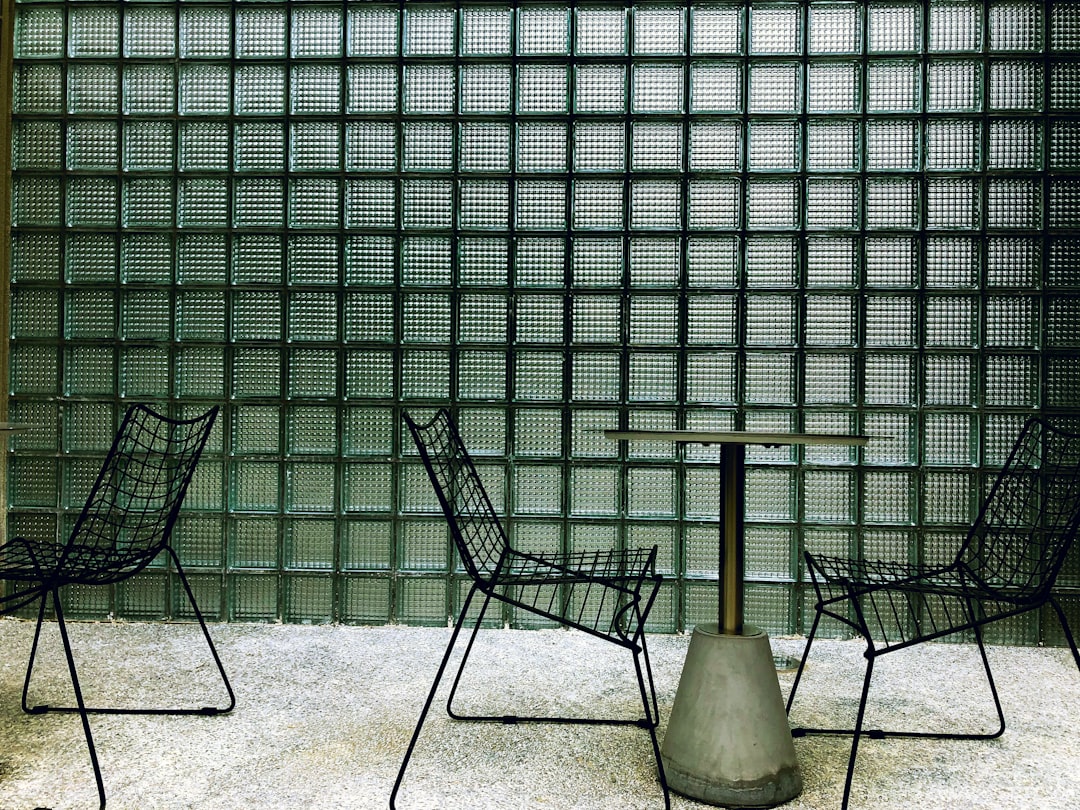
Bronze grid seating represents a distinctive category of outdoor and urban furniture characterized by its perforated metal construction and bronze finish. This seating design integrates visual appeal with practical durability, establishing its presence in parks, plazas, and various public environments. The popularity of bronze grid seating stems from its weather resistance properties and its capacity to provide both comfort and aesthetic value in outdoor settings.
The significance of seating design in outdoor spaces has grown as these areas serve increasingly important functions for social interaction and community activities. Bronze grid seating addresses this need through its combination of structural integrity and visual design. The perforated grid pattern allows for air circulation and water drainage while the bronze material provides corrosion resistance and longevity.
These features make it suitable for architects, urban planners, and facility managers seeking durable seating solutions for public spaces that require minimal maintenance while supporting community engagement and recreational activities.
Key Takeaways
- Bronze grid seating combines durability and aesthetic appeal, making it a popular choice in various settings.
- Its historical development highlights advancements in metalworking and design innovation.
- Benefits include long-lasting strength, low maintenance, and environmental sustainability.
- Customizable design options allow bronze grid seating to fit diverse interior and exterior spaces.
- Proper care ensures longevity, while its eco-friendly nature supports sustainable practices.
The History of Bronze Grid Seating
The origins of bronze grid seating can be traced back to ancient civilizations that recognized the importance of communal spaces. In many cultures, bronze was revered not only for its durability but also for its aesthetic qualities. As societies evolved, so did the materials and designs used in public seating.
The transition to modern interpretations of bronze grid seating reflects a blend of historical craftsmanship and contemporary design principles. Throughout history, bronze has been utilized in various forms of art and architecture, symbolizing strength and resilience. The concept of grid seating emerged as urban areas began to prioritize public spaces that encouraged social interaction.
By incorporating bronze into these designs, creators were able to produce seating that not only served a practical purpose but also contributed to the overall beauty of the environment. As you learn more about this evolution, you will appreciate how bronze grid seating has become a modern manifestation of age-old traditions.
The Benefits of Bronze Grid Seating
One of the most significant advantages of bronze grid seating is its exceptional durability. Unlike other materials that may deteriorate over time due to weather exposure or heavy use, bronze is resistant to corrosion and wear. This longevity makes it an ideal choice for outdoor settings where seating must endure the elements while maintaining its structural integrity.
As you consider options for public spaces, the durability of bronze grid seating can lead to lower maintenance costs and longer lifespans. In addition to its durability, bronze grid seating offers a unique aesthetic appeal that can enhance any environment. The warm tones of bronze create an inviting atmosphere, while the intricate grid patterns add visual interest.
This combination allows bronze grid seating to blend seamlessly into various landscapes, from urban parks to coastal promenades. As you envision your ideal outdoor space, think about how the beauty of bronze grid seating can elevate the overall design while providing a comfortable place for people to gather.
How Bronze Grid Seating is Made
The manufacturing process of bronze grid seating is a fascinating blend of artistry and engineering. Initially, skilled artisans create detailed designs that reflect both functionality and aesthetic appeal. These designs are then translated into molds that will shape the final product.
The use of high-quality bronze ensures that the finished seating is not only visually striking but also capable of withstanding the rigors of outdoor use. Once the molds are prepared, molten bronze is poured into them, allowing it to cool and solidify into the desired shape. After cooling, each piece undergoes meticulous finishing processes, including polishing and patination, which enhance its natural beauty.
This attention to detail ensures that every piece of bronze grid seating is unique, with variations in color and texture that add character. As you consider incorporating this type of seating into your projects, understanding the craftsmanship involved can deepen your appreciation for its value.
Design Options for Bronze Grid Seating
| Metric | Value | Unit | Notes |
|---|---|---|---|
| Material Type | Bronze | — | Primary material used for grid seating |
| Grid Dimensions | 2 x 2 | meters | Standard grid size for seating installation |
| Weight per Grid | 45 | kg | Approximate weight of one bronze grid section |
| Seating Capacity per Grid | 4 | persons | Number of seats per grid section |
| Installation Time | 3 | hours | Average time to install one grid section |
| Load Capacity | 500 | kg | Maximum supported weight per grid |
| Corrosion Resistance | High | — | Bronze offers excellent resistance to corrosion |
| Maintenance Frequency | Annually | — | Recommended maintenance interval |
When it comes to design options for bronze grid seating, the possibilities are virtually limitless. You can find a range of styles that cater to different tastes and functional needs. From sleek modern designs with clean lines to more ornate options featuring intricate patterns, there is something for everyone.
This versatility allows you to select pieces that align with your vision for a particular space. Moreover, bronze grid seating can be customized to fit specific environments or themes. For instance, you might choose a design that reflects the local culture or history, creating a sense of place that resonates with users.
Additionally, various configurations—such as benches, chairs, or modular units—allow for flexibility in how seating is arranged within a space. As you explore these design options, consider how they can contribute to creating an inviting atmosphere that encourages community engagement.
The Versatility of Bronze Grid Seating
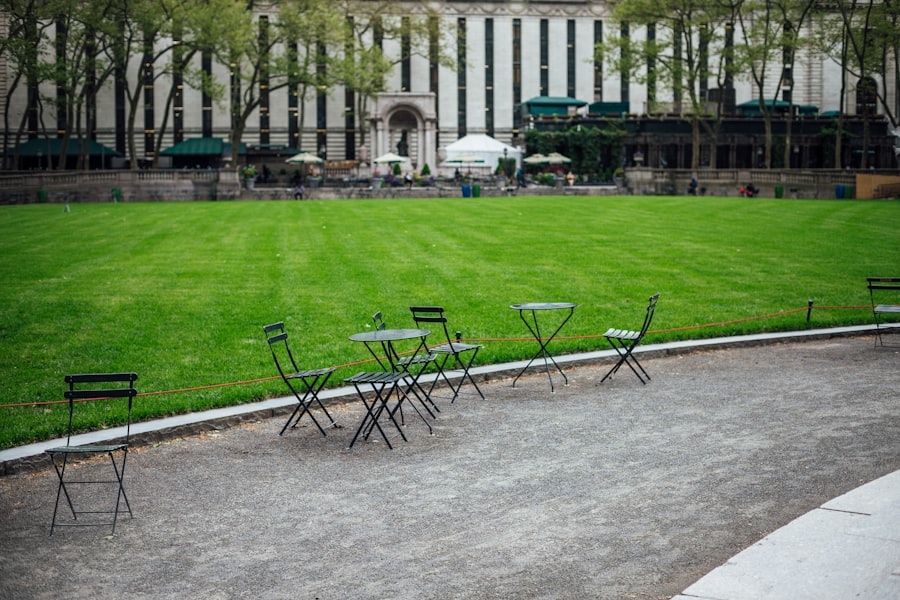
Bronze grid seating is not limited to just one type of environment; its versatility makes it suitable for a wide range of settings. Whether you are designing a bustling urban plaza or a serene park, bronze grid seating can adapt to meet the needs of different spaces. Its robust construction allows it to withstand heavy foot traffic while maintaining its aesthetic appeal.
In addition to public spaces, bronze grid seating can also be incorporated into private settings such as gardens or courtyards. The timeless elegance of bronze complements natural surroundings beautifully, creating an inviting atmosphere for relaxation or social gatherings. As you think about how to utilize this versatile seating option, consider how it can enhance both public and private spaces alike.
Maintenance and Care of Bronze Grid Seating
While bronze grid seating is known for its durability, proper maintenance is essential to ensure its longevity and appearance over time. Regular cleaning is important to remove dirt and debris that may accumulate on the surface. A gentle wash with soap and water is often sufficient; however, avoiding abrasive materials is crucial to prevent scratches.
If you notice any discoloration or tarnishing, applying a specialized bronze cleaner can restore its original luster. By taking these simple steps in maintenance and care, you can ensure that your bronze grid seating remains an attractive feature in any space for years to come.
The Environmental Impact of Bronze Grid Seating
As sustainability becomes an increasingly important consideration in design and manufacturing processes, it’s essential to evaluate the environmental impact of materials like bronze. One significant advantage of bronze grid seating is its longevity; by choosing durable materials that require less frequent replacement, you contribute to reducing waste over time. Moreover, many manufacturers are now adopting eco-friendly practices in their production processes.
This includes sourcing materials responsibly and minimizing energy consumption during manufacturing. By selecting bronze grid seating made with sustainable practices in mind, you can feel confident that your choices align with environmental stewardship while enhancing public spaces.
Incorporating Bronze Grid Seating into Different Spaces
When it comes to incorporating bronze grid seating into various environments, creativity is key. In urban settings, these pieces can serve as focal points in parks or plazas where people gather for events or leisure activities. Their unique designs can draw attention while providing comfortable spots for relaxation amidst bustling city life.
In residential areas or private gardens, bronze grid seating can create intimate gathering spaces where friends and family can enjoy nature together. By strategically placing these seats near pathways or scenic views, you can encourage people to pause and appreciate their surroundings. As you think about how best to integrate bronze grid seating into different spaces, consider both functionality and aesthetics to create harmonious environments.
The Cost of Bronze Grid Seating
While the initial investment in bronze grid seating may be higher than other materials like plastic or wood, it’s important to consider the long-term value it offers. The durability and low maintenance requirements associated with bronze mean that over time, costs associated with repairs or replacements are significantly reduced. This makes it a wise investment for public spaces where longevity is crucial.
By creating inviting outdoor areas that attract visitors or residents alike, you may find that the initial cost pays off through increased foot traffic or enhanced community engagement. As you weigh your options for outdoor furniture, consider not just the upfront costs but also the lasting benefits that come with choosing high-quality materials like bronze.
The Future of Bronze Grid Seating
As you reflect on the many facets of bronze grid seating—from its rich history to its modern applications—it becomes clear that this innovative design will continue to play a significant role in shaping outdoor spaces for years to come. With its blend of durability, aesthetic appeal, and versatility, bronze grid seating stands out as an ideal choice for both public and private environments. Looking ahead, advancements in manufacturing techniques and sustainable practices will likely further enhance the appeal of bronze grid seating.
As communities increasingly prioritize green spaces and social interaction, incorporating such timeless designs will be essential in creating environments that foster connection and well-being. Embracing the future of bronze grid seating means investing in quality craftsmanship while contributing positively to our shared spaces—an endeavor worth pursuing for anyone passionate about design and community engagement.
For those interested in the intricacies of bronze grid seating installation, a related article can provide valuable insights and guidance. You can explore more about this topic in our detailed overview of seating solutions at this link. This resource covers various aspects of installation techniques, materials, and design considerations that can enhance your understanding of the process.
FAQs
What is a bronze grid seating installation?
A bronze grid seating installation is a type of public or architectural seating arrangement made from bronze material, designed in a grid pattern. It often serves both functional and aesthetic purposes in public spaces.
Where are bronze grid seating installations commonly used?
These installations are commonly found in parks, plazas, museums, and urban public spaces where durable and artistic seating solutions are desired.
What are the benefits of using bronze for seating installations?
Bronze is durable, weather-resistant, and develops a natural patina over time, which adds to its aesthetic appeal. It is also resistant to corrosion and requires minimal maintenance.
How is a bronze grid seating installation constructed?
Typically, bronze components are cast or fabricated into grid-like sections and then assembled on-site. The installation may be anchored to the ground for stability and safety.
Is bronze grid seating installation comfortable for users?
Comfort depends on the design specifics, such as the spacing of the grid and the contouring of the seating surface. Some designs incorporate ergonomic features to enhance comfort.
What maintenance is required for bronze grid seating installations?
Maintenance usually involves periodic cleaning to remove dirt and debris. Over time, the bronze may develop a patina, which is generally considered desirable and protective.
Can bronze grid seating installations be customized?
Yes, these installations can be customized in terms of size, shape, finish, and design to fit the specific needs and aesthetics of a space.
Are bronze grid seating installations environmentally friendly?
Bronze is a recyclable material, and its durability means installations have a long lifespan, reducing the need for frequent replacement and minimizing environmental impact.
How long does a bronze grid seating installation typically last?
With proper care, bronze seating installations can last for several decades, often outlasting other materials used in outdoor furniture.
Who should be contacted for installing a bronze grid seating installation?
Typically, architects, landscape designers, or specialized metal fabricators and installers with experience in bronze work should be consulted for design and installation.