To understand the enduring legacy of Roman roads, one must consider the meticulous engineering and material science involved in their construction. These ancient arteries of empire, many of which still exist in some form today, represent a testament to practical innovation and a deep understanding of the environmental forces they would face. They were not merely pathways scratched into the earth, but carefully engineered systems designed for longevity.
The success of any structure, especially one subjected to constant use and weather, begins with its foundation. The Romans recognized this fundamental principle, and their approach to subgrade preparation was central to the durability of their roads. Ignoring this step would be akin to building a house on sand; it might stand for a while, but it would inevitably succumb to the elements.
Site Selection and Drainage: The First Lines of Defense
Before any material was laid, the Romans carefully selected the route for their roads. This involved not just the most direct path between two points, but also careful consideration of the terrain’s stability and, crucially, its drainage.
Minimizing Instability: Choosing Solid Ground
Roman engineers favored solid, well-drained ground whenever possible. They understood that areas prone to waterlogging or significant subsidence would compromise the structural integrity of the road over time. This involved geological surveying, albeit through observational methods rather than sophisticated instruments. Identifying stable bedrock or firm soil was the first crucial step. Building on marshy land or areas with unstable subsoil was avoided unless absolutely necessary, and even then, significant compensatory measures were implemented.
The Unseen Enemy: Water Management
Water is a relentless force, and for ancient construction, it was perhaps the greatest threat to longevity. The Romans were masters of drainage. They recognized that water trapped beneath a road would destabilize its foundations, lead to frost heave in colder climates, and cause erosion.
Ditches and Culverts: Directing the Flow
Extensive systems of ditches were dug along the sides of the roadbed to collect surface runoff. These ditches channeled water away from the road, preventing it from infiltrating the lower layers. In areas where the road intersected natural watercourses, sophisticated culverts were constructed, often using stone arches, to allow water to pass underneath without undermining the roadbed. This proactive approach to water management was a cornerstone of their durability.
Gradual Slopes: Encouraging Natural Drainage
Even the gradient of the road surface itself was designed with drainage in mind. A gentle camber, or outward slope from the center to the edges, ensured that rainwater would flow off the surface and into the surrounding ditches, rather than pooling on the road. This simple yet effective design detail significantly contributed to the road’s ability to withstand wet weather.
Excavation and Leveling: Creating a Stable Platform
Once the route was chosen and drainage considered, the next phase involved preparing the actual roadbed. This was a labor-intensive process, but one that laid the groundwork for decades, if not centuries, of service.
Removing Unsuitable Material: Clearing the Way
The Romans would excavate the topsoil and any soft, unstable material down to a firm subsoil layer. This removal ensured that the road was not built upon inherently weak ground. The depth of this excavation varied depending on the ground conditions, but the principle remained the same: create a stable and uniform base.
Compaction: The Unsung Hero of Stability
After excavation, the exposed subsoil was thoroughly compacted. This was achieved through sheer manpower and the use of heavy rollers or tampers. Compaction reduces air pockets and increases the density of the soil, making it less susceptible to movement and water infiltration. A well-compacted subgrade is like the solid muscle beneath the skin of a runner; it provides the underlying power and support.
The construction techniques of Roman roads have long been admired for their durability and longevity, which have allowed many of them to withstand the test of time. A fascinating article that explores the broader implications of infrastructure and environmental challenges can be found at The Maldives: A Nation on the Brink of Collapse. This piece highlights how modern nations face their own struggles with sustainability and resilience, drawing parallels to the enduring legacy of ancient engineering marvels like Roman roads.
The Layers of Strength: Roman Road Construction Techniques
The iconic image of a Roman road conjures up visions of large, precisely cut stones. While this is often true for the surface layer, the construction was far more complex, involving a sophisticated layering system designed to distribute weight and resist wear. Each layer served a specific purpose, creating a composite structure far stronger than any single material could achieve.
The Stratum: A Foundation of Support
Beneath the visible pavement lay a series of carefully constructed layers, collectively known as the stratum or roadbed. These layers acted as shock absorbers and load distributors, crucial for a road that would carry everything from marching legions to heavy supply wagons.
Statumen: The Bed of Stones
The lowest layer, known as the statumen, typically consisted of large, flat stones or rubble. These stones were laid directly onto the compacted subgrade, providing a stable and permeable base. The size of these stones could vary, but the goal was to create a strong, interlocking layer that would prevent the finer materials above from sinking into the subsoil.
Rudus: The Rubble Foundation
Above the statumen, a layer of smaller stones and gravel, known as the rudus, was added. This layer was crucial for filling any voids left by the larger stones below and further improving drainage. The rudus was often mixed with lime or cement in some provinces, which acted as a binder, adding strength and cohesion to the layer. This was an early form of concrete, demonstrating Roman ingenuity in material science.
####nucleus: The Binding Agent
The nucleus was a vital layer, often consisting of a mixture of gravel, sand, and lime (or even cement where available). This layer was typically poured in a semi-liquid state and allowed to set. Its purpose was to create a uniform and stable platform for the final paving stones. It essentially acted as a mortar, binding the aggregate materials together and providing a smooth, even surface.
The Summa Crusta: The Paved Surface
The uppermost layer, the summa crusta, was the part of the road that directly bore the brunt of traffic and weather. The Romans employed several materials and methods for this layer, depending on the intended use of the road and the availability of local resources.
Via Munita: The Paved Highway
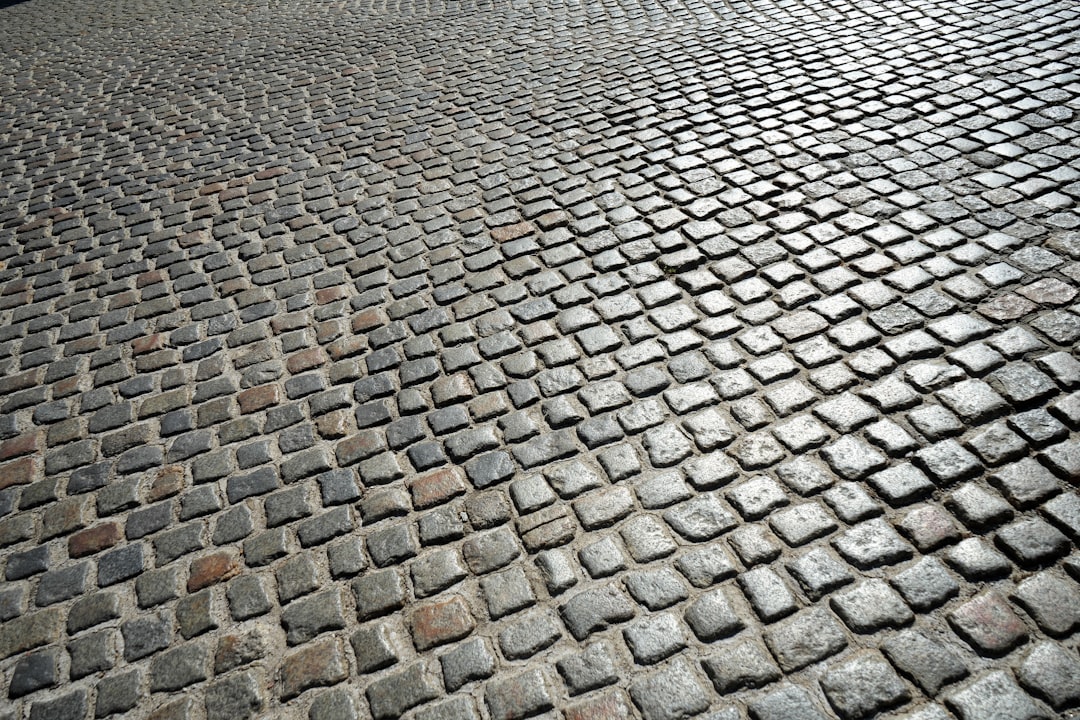
The most impressive and durable roads, often referred to as viae munitae, were constructed with precisely cut and fitted polygonal or rectangular paving stones, typically basalt, granite, or hard limestone. These stones were laid tightly together, creating a smooth, almost seamless surface. The edges were meticulously shaped to interlock, preventing movement and the ingress of water. This was the workhorse of the Roman road network, designed for heavy, long-term use.
Via Gravel: The Secondary Network
For less critical routes, or in areas where large paving stones were scarce, gravel roads, often called viae glareae, were sufficient. These roads still benefited from the underlying stratified construction, but the surface layer consisted of compacted gravel. While less durable than paved roads, they still provided a significant improvement over unpaved tracks and were more easily maintained.
Corduroy Roads: Ingenuity in Wet Terrain
In exceptionally boggy or marshy areas, the Romans employed corduroy roads. These consisted of wooden logs laid transversely across the marshy ground, providing a stable walking and driving surface. These were often covered with gravel or other fill to further stabilize the structure and improve drainage. While not as enduring as stone roads, they were a practical solution for difficult terrain.
Material Science: The Alchemy of Durability
The longevity of Roman roads was not solely a matter of labor and design; it was also a testament to their understanding and utilization of materials. The Romans possessed a remarkable empirical knowledge of the properties of stone, gravel, and binders, which they applied with great success.
Stone Selection: Choosing the Right Material
The choice of stone for the summa crusta was critical. The Romans favored hard, durable stones that could withstand abrasion and weathering.
Basalt and Granite: The Unyielding Pillars
In regions where they were readily available, basalt and granite were prized for their exceptional hardness and resistance to wear. These dark, volcanic rocks formed the backbone of many of the most important and enduring Roman roads, their resilience being a direct reflection of their geological origins.
Limestone and Sandstone: Versatile Choices
Limestone and sandstone, while generally less durable than basalt or granite, were also widely used. Their availability in many regions made them practical choices. When dressed and fitted correctly, even these stones could form a remarkably durable surface. The Romans understood how to work with the materials at hand.
The Power of the Binder: Lime and Pozzolana
While many Roman roads relied on the interlocking of stones and the stability of the sub-layers, the Romans also experimented with and utilized binders to enhance the strength and durability of their construction.
Lime Mortar: A Simple Yet Effective Bond
Lime mortar, a rudimentary form of concrete, was often used to bind the aggregate materials in the nucleus layer and sometimes to fill the joints between paving stones. The process involved heating limestone to produce quicklime, which was then mixed with water and aggregate. This lime mortar, when it set, provided a strong and water-resistant bond.
Pozzolanic Concrete: The Roman Enigma
In certain regions, particularly those with volcanic activity like Italy, the Romans discovered and utilized pozzolana, a volcanic ash. When mixed with lime and aggregate, pozzolana created a hydraulic cement—mortars and concretes that could set and harden even underwater. This remarkable material allowed for the construction of incredibly durable structures, including portions of roads, bridges, and aqueducts, that have resisted the ravages of time and water for millennia. This was a true leap in material science for its era.
Maintenance and Repair: Preserving the Arteries
Even the most robust constructions require ongoing attention. The Romans understood that their roads, like any vital infrastructure, would need regular maintenance and repair to ensure their continued service. This was not an afterthought but an integral part of their road management strategy.
The Legionary Contribution: Skilled Labor at Work
The Roman army played a significant role in the construction and maintenance of roads. Legionaries, with their disciplined organization and engineering skills, were often tasked with building and repairing sections of the road network. This provided a readily available and skilled labor force, ensuring that repairs were carried out efficiently and to a high standard.
Regular Inspections and Replacements: Proactive Care
Roads were regularly inspected for damage, such as displaced stones, erosion of ditches, or signs of wear. Minor repairs, such as refilling potholes with gravel or resetting loose stones, were carried out promptly. Larger repairs, like replacing damaged paving stones or reinforcing weakened sections, were also undertaken as needed. This proactive approach prevented small problems from escalating into major structural failures.
The Importance of Drainage Maintenance
A significant portion of maintenance involved keeping the drainage systems clear. Ditches had to be cleared of accumulated silt and debris, and culverts checked for blockages. A well-maintained drainage system was the primary defense against the corrosive forces of water, and therefore, its upkeep was paramount.
The construction techniques used in ancient Roman roads have fascinated historians and engineers alike, particularly due to their remarkable durability and longevity. These roads not only facilitated trade and military movement across the vast Roman Empire but also laid the groundwork for modern infrastructure. For a deeper understanding of how historical events shape contemporary geopolitics, you might find it interesting to explore the article on the geopolitical impact of the Artemis Accords, which can be found here. This connection between ancient engineering and modern international relations highlights the enduring influence of past innovations on today’s world.
Enduring Legacy: Lessons from the Past
| Metric | Value | Unit | Description |
|---|---|---|---|
| Average Thickness of Pavement Layers | 1.2 | meters | Total thickness of layered materials in Roman road construction |
| Base Layer Stone Size | 20-30 | cm | Size range of large stones used in the bottom layer (statumen) |
| Middle Layer Aggregate Size | 5-10 | cm | Size range of smaller stones in the middle layer (rudus) |
| Top Layer Material | Polygonal basalt stones | N/A | Durable stones used for the surface layer (summum dorsum) |
| Road Width | 4.5-6.0 | meters | Typical width range of Roman roads for two-way traffic |
| Camber Slope | 2-3 | percent | Surface slope for water drainage |
| Drainage Ditches Spacing | 10-15 | meters | Distance between drainage ditches along the road |
| Expected Lifespan | 50-100+ | years | Estimated durability of Roman roads with maintenance |
| Construction Time per Kilometer | 3-6 | months | Average time to build one kilometer of Roman road |
The remarkable longevity of Roman roads offers invaluable lessons for modern pavement construction. While technological advancements have provided us with new materials and sophisticated machinery, the fundamental principles of good engineering and planning remain constant.
The Value of a Solid Foundation: A Timeless Principle
The Roman emphasis on subgrade preparation—proper site selection, effective drainage, and thorough compaction—is a principle that modern civil engineers continue to uphold. A weak foundation will always compromise the integrity of any structure, no matter how advanced the surface material.
Layered Construction: Distributing the Load
The Roman approach of building roads in distinct layers to distribute weight and manage stress is a concept that underlies modern pavement design. While the specific materials and thicknesses may differ, the principle of a composite structure remains vital for durability.
Material Resilience: Choosing Wisely
The Romans’ careful selection of durable materials, combined with their understanding of binders like lime and pozzolana, highlights the importance of using materials suited to the environment and the intended use. This wisdom transcends the ages.
Long-Term Vision: Building for the Future
Perhaps the most profound lesson from Roman roads is their long-term vision. They were not merely building for the present generation but for centuries to come. This forward-thinking approach, coupled with meticulous craftsmanship, is what allowed these ancient structures to defy time. The roads were not just conduits of commerce and conquest; they were enduring symbols of Roman power, ingenuity, and an almost prescient understanding of how to build things that last.
FAQs
What materials were commonly used in the construction of Roman roads?
Roman roads were typically constructed using multiple layers of materials, including large stones at the base, followed by smaller stones, gravel, and sand. The surface was often paved with tightly fitted polygonal or rectangular stone slabs to create a durable and smooth roadway.
How did Roman road construction contribute to their long-lasting durability?
The durability of Roman roads was achieved through meticulous engineering, including proper drainage systems, layered construction for stability, and the use of high-quality materials. The cambered surface allowed water to drain off efficiently, preventing damage and erosion over time.
What was the typical structure or layering system used in Roman road construction?
Roman roads generally consisted of several layers: the bottom layer (statumen) made of large stones, a middle layer (ruderatio) of smaller stones or gravel, a finer layer (nucleus) of sand or crushed materials, and the top layer (summum dorsum) of tightly fitted paving stones. This multi-layered approach ensured strength and longevity.
How did Roman roads impact the Roman Empire’s military and economic activities?
Roman roads facilitated rapid movement of troops, communication, and trade across the vast empire. Their durability and extensive network allowed for efficient administration, economic integration, and military control, significantly contributing to the empire’s stability and expansion.
Are any Roman roads still in use today, and what does this say about their construction?
Yes, several Roman roads or their foundations are still in use today, either as modern roads or archaeological sites. Their continued existence highlights the effectiveness of Roman engineering techniques and the quality of materials used, demonstrating why they are considered some of the longest-lasting roads in history.