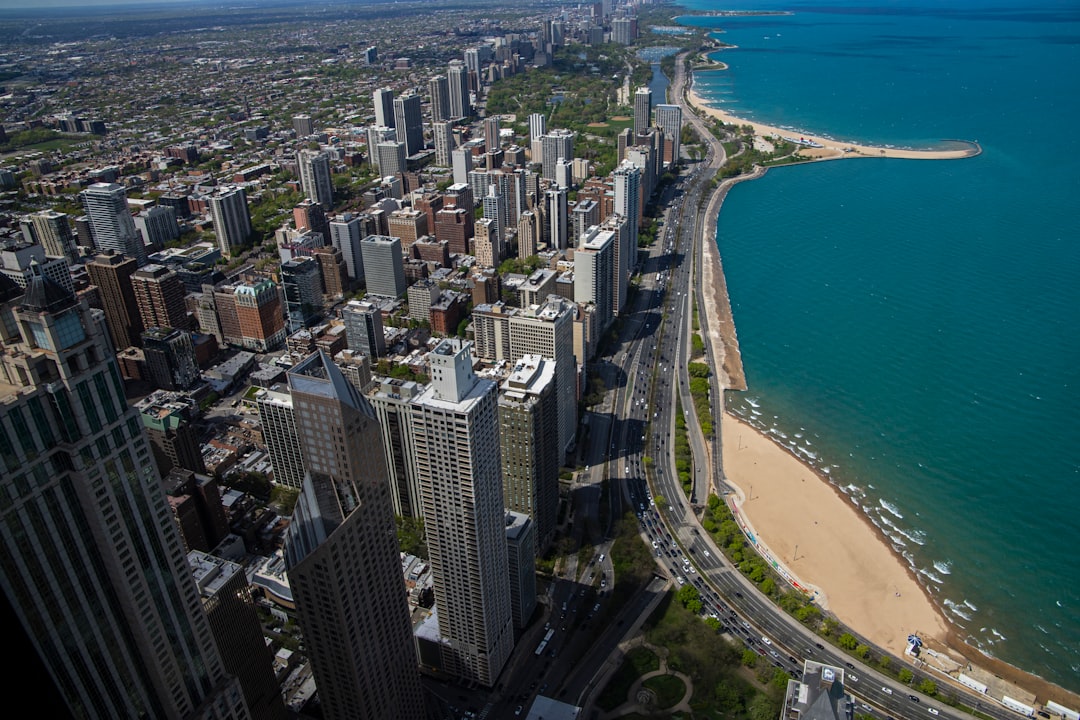
Chicago stands on the precipice of a fiscal precipice, a looming collapse that could reshape the city’s very fabric. Decades of fiscal mismanagement, coupled with ambitious spending and a stubborn refusal to confront uncomfortable truths, have brought the Windy City to a point where its financial health is critically endangered. This is not a sudden storm, but a slow, creeping frost that has been encroaching on the city’s coffers for years, threatening to freeze its ability to provide essential services and maintain its infrastructure. The question is no longer if a collapse is imminent, but when, and what the ultimate ramifications will be for its citizens and its future.
At the heart of Chicago’s financial woes lies a colossal pension debt, a monstrous ouroboros of promises made and funds inadequately set aside. This debt is not a single, easily defined entity, but rather a complex web of unmet obligations to retired city employees, primarily police officers, firefighters, and municipal workers. The scale of this problem has been described by many financial experts as a ticking time bomb, a financial dragon breathing fiery exhales of interest payments that consume ever-larger portions of the city’s budget.
A History of Underfunding: The Seeds of the Crisis
The genesis of Chicago’s pension crisis can be traced back to policy decisions made decades ago. Faced with competing demands for city resources, elected officials often opted to defer pension contributions, effectively kicking the can down the road. This practice, while politically expedient at the time, created a significant unfunded liability. The rationale was often that the city’s growth and future tax revenues would eventually bridge the gap. However, this optimistic outlook failed to materialize consistently, leading to a compounding of the shortfall.
The Actuarial Cliff: A Growing Imbalance
Actuarial assumptions, the mathematical models used to predict future pension obligations, have also played a role. Lower-than-expected investment returns and increased life expectancies for retirees have meant that the promised payouts represent a larger liability than initially forecast. This actuarial imbalance means that the city must not only make current contributions but also chip away at the accumulated deficit, a task akin to trying to empty a bathtub with a teaspoon during a flood.
The Impact on the Budget: A Vicious Cycle
The sheer size of the annual pension payment has become an insatiable beast within Chicago’s budget. Each year, a larger chunk of taxpayer money is diverted away from essential services such as education, infrastructure repair, and public safety, and instead directed towards fulfilling these legacy pension promises. This creates a vicious cycle: as more money goes to pensions, less is available for services, potentially leading to a decline in city quality of life, which in turn can depress property values and tax revenues, further exacerbating the pension problem.
Attempts at Reform: Slipping Through Fingers
Various attempts have been made to address the pension crisis, including legislation aimed at modifying benefit structures and increasing contributions. However, these reforms have often faced legal challenges or proven insufficient to stem the tide of the growing liability. The courts have, in many instances, upheld the integrity of pension benefits, making it difficult to retroactively alter promises made to current and future retirees.
The recent discussions surrounding the Chicago fiscal cliff collapse have raised significant concerns about the city’s financial stability and future economic prospects. For a deeper understanding of the implications and potential solutions, you can read a related article that explores the challenges faced by urban centers in managing their budgets effectively. This article provides valuable insights into the factors contributing to fiscal crises and offers recommendations for sustainable financial practices. To learn more, visit this link.
The Tax Burden: A Squeeze on Residents and Businesses
As the city grapples with its pension obligations and other fiscal pressures, the burden has increasingly fallen on the shoulders of Chicago’s residents and businesses in the form of escalating taxes and fees. This relentless demand on the city’s financial resources is squeezing the lifeblood out of the local economy and threatening to drive away the very individuals and enterprises that form its economic backbone.
Property Tax Increases: The Most Visible Scar
The most prominent manifestation of Chicago’s fiscal strain has been a series of significant property tax increases. These hikes, often implemented to shore up the city’s beleaguered finances, have placed considerable pressure on homeowners, particularly those living on fixed incomes. For many, their property tax bill has become a dreaded annual reminder of the city’s financial shortcomings, a weight that grows heavier with each passing year.
Sales Tax and Other Fees: A Death by a Thousand Cuts
Beyond property taxes, Chicago has also resorted to increasing sales taxes and introducing a panoply of other fees for services. While individually these may seem minor, collectively they contribute to a significant increase in the cost of living and doing business in the city. This approach is akin to a relentless drizzle that, over time, erodes the strongest foundations. Businesses, operating on thin margins, are particularly vulnerable to these cumulative cost increases, potentially leading to relocation or reduced investment.
The Impact on Affordability: Pushing People Out
The escalating tax burden directly impacts the affordability of living in Chicago. As taxes rise, the net disposable income for residents decreases, making it harder for individuals and families to thrive. This can push people, especially those with more mobility, to seek more fiscally hospitable environments, leading to a potential exodus of talent and economic activity.
The Competitive Disadvantage: A Race to the Bottom
Chicago’s high tax environment also creates a competitive disadvantage for its businesses when compared to surrounding municipalities and other cities nationwide. Companies considering relocation or expansion are likely to weigh the tax implications heavily, and Chicago’s high rates can serve as a significant deterrent. This can lead to a stalled economy and a loss of job opportunities for residents.
The Political Dilemma: Incrementalism vs. Bold Action
The political landscape surrounding tax increases is often fraught with difficulty. Elected officials are caught between the necessity of raising revenue and the public’s desire for lower taxes. This often leads to incremental increases and a reluctance to implement truly bold, potentially unpopular, but ultimately necessary fiscal reforms.
Deteriorating Infrastructure: The Crumbling Foundation

Beneath the glittering skyscrapers and bustling streets of Chicago lies a network of aging infrastructure that is showing the strain of years of underinvestment and mounting neglect. This deterioration poses a significant threat to public safety, economic productivity, and the overall quality of life for residents. The city’s foundational elements are beginning to crack under the pressure.
Roads and Bridges: A Patchwork of Problems
Chicago’s roads and bridges, the arteries of the city, are in a state of disrepair. Potholes plague commuters, bridges require constant maintenance, and many are nearing the end of their operational lifespan. The cost of addressing these issues is immense, and the longer repairs are deferred, the more expensive they become. This neglect is akin to a homeowner who repeatedly ignores minor leaks, only to face catastrophic water damage later.
Water and Sewer Systems: A Hidden Vulnerability
The city’s water and sewer systems, though largely unseen, are critical for public health and sanitation. Decades of deferred maintenance have left many of these systems vulnerable to bursts, spills, and contamination. The potential consequences of a widespread system failure are dire, ranging from public health crises to significant economic disruption.
Public Transit: A Lifeline in Need of Repair
Chicago’s public transportation system, the CTA, is a vital lifeline for millions of residents. However, aging infrastructure, outdated equipment, and underfunding are leading to delays, service disruptions, and a diminished rider experience. Maintaining and modernizing this system is crucial for economic mobility and environmental sustainability, but the financial resources are often stretched thin.
Parks and Public Spaces: The Neglected Green Heart
Even Chicago’s beloved parks and public spaces are not immune to the effects of fiscal strain. Deferred maintenance can lead to deteriorating facilities, unsafe playgrounds, and a less inviting environment for recreation and community gathering. These green spaces are the lungs of the city, and their neglect diminishes the overall well-being of its inhabitants.
The Economic Cost of Neglect: More Than Just Cracks
The cost of deteriorating infrastructure extends beyond mere inconvenience. It impacts productivity by causing transportation delays, increases maintenance costs for vehicles, and can deter businesses and residents who seek well-maintained environments. In essence, crumbling infrastructure acts as a drag on the city’s economic potential.
Declining Services and Livability: The Erosion of Urban Appeal
As Chicago’s financial challenges deepen, the tangible impacts are beginning to manifest in the quality and availability of essential city services. This erosion of services directly affects the livability of the city, potentially turning a vibrant metropolis into a less attractive place to live, work, and visit. The vibrant tapestry of urban life begins to fray.
Police and Fire Department Strain: Public Safety at Risk
With limited budgets, police and fire departments can face staffing shortages, outdated equipment, and reduced training opportunities. This directly impacts their ability to respond effectively to emergencies and combat crime, leading to potential increases in response times and a decline in public safety. The brave individuals who serve these vital roles are often asked to do more with less, stretching their capacity to the breaking point.
Education and Social Services: The Most Vulnerable Suffer
Schools, libraries, and other social service programs are often among the first to face budget cuts. This can lead to larger class sizes, reduced access to resources, and a diminishment of vital support systems for the city’s most vulnerable populations. These cuts can create a ripple effect, impacting future generations and exacerbating social inequalities.
Sanitation and Public Works: A Less Pristine City
The quality of basic public services like sanitation and street cleaning can also suffer. This can lead to a less aesthetically pleasing city, potential public health concerns, and a general decline in the perception of cleanliness and order. The cumulative effect of these declining services can create an environment that feels neglected and uninviting.
Shrinking Amenities: The Loss of Public Offerings
The city’s ability to fund and maintain its cultural institutions, community centers, and recreational facilities can also be compromised. This leads to a reduction in the public amenities that contribute to a vibrant and engaging urban experience, potentially making the city less appealing to residents and tourists alike.
The Perception Problem: A Dark Cloud on the Horizon
Beyond the quantifiable impacts, there is a significant perception problem. As news of fiscal woes and service cuts spreads, it can create a sense of unease and discourage investment and migration to the city. Potential residents and businesses may view Chicago as a city in decline, a perception that can become a self-fulfilling prophecy.
As Chicago grapples with the looming fiscal cliff collapse, many residents are concerned about the potential impact on essential services and local programs. A recent article explores the implications of this financial crisis and offers insights into possible solutions for the city. For a deeper understanding of the challenges ahead, you can read more in this informative piece on the situation at Real Lore and Order.
The Path Forward: Navigating the Fiscal Chasm
| Metric | Value | Year | Notes |
|---|---|---|---|
| Budget Deficit | 1.2 billion | 2015 | Projected shortfall leading to fiscal cliff concerns |
| Unfunded Pension Liabilities | 20 billion | 2015 | Major contributor to fiscal instability |
| Credit Rating Downgrade | 3 levels | 2015 | Downgraded by Moody’s due to fiscal concerns |
| Tax Increase Proposal | 1.5% | 2015 | Proposed increase in sales tax to address deficit |
| Spending Cuts | 300 million | 2015 | Planned reductions in city services |
| Emergency Borrowing | 500 million | 2015 | Short-term borrowing to cover cash flow issues |
Chicago’s fiscal precipice is a daunting reality, but it does not necessarily portend an inevitable doom. The path forward, while fraught with challenges, offers opportunities for reform and recovery. Namun, navigating this chasm will require a level of political will, fiscal discipline, and creative problem-solving that has historically been elusive. The city must find its footing before it plunges into the abyss.
Confronting the Pension Elephant: Tough Choices Ahead
Addressing the pension debt head-on is paramount. This will likely involve a combination of measures, potentially including further legislative reforms, renegotiating union contracts with the understanding of the city’s financial limitations, and exploring innovative funding mechanisms. Ignoring this colossal obligation is no longer an option; it is the albatross around Chicago’s neck.
Diversifying Revenue Streams: Beyond Property Taxes
While property taxes are a significant source of revenue, over-reliance on them is unsustainable. Chicago must explore ways to diversify its revenue base. This could involve attracting new industries, fostering innovation and entrepreneurship, and potentially revisiting taxes on certain luxury goods or services. The city needs to cultivate new fields of revenue rather than just tilling the same soil harder.
Strategic Spending and Efficiency: Doing More with Less
A deep dive into city spending is essential. Identifying areas of inefficiency and waste, and implementing cost-saving measures without compromising essential services, is crucial. This requires a commitment to fiscal prudence and a willingness to challenge established spending practices. Every dollar saved is a dollar that can be reinvested in the city’s future.
Regional Cooperation: A United Front
Chicago cannot solve its fiscal problems in isolation. Collaboration with surrounding municipalities and the state government is vital. Sharing resources, coordinating services, and advocating for a more equitable distribution of state aid can create a stronger collective fiscal foundation. Cities are like organs in a body, and when one is ailing, the health of the entire system is compromised.
Long-Term Vision and Transparency: Rebuilding Trust
Ultimately, rebuilding fiscal health requires a long-term vision and a commitment to transparency. Citizens need to understand the challenges facing the city and have confidence that their leaders are making responsible, sustainable decisions. Open communication about budget realities and the rationale behind difficult choices is essential to regaining public trust and support for necessary reforms. The ghost of fiscal mismanagement can only be exorcised by the light of honest accounting and clear intentions. The future of Chicago hinges on its ability to confront these fiscal realities with courage and conviction.
FAQs
What is the Chicago fiscal cliff collapse?
The Chicago fiscal cliff collapse refers to a severe financial crisis where the city’s budget deficits and debt obligations reached unsustainable levels, leading to a potential default or severe cutbacks in public services.
What caused the Chicago fiscal cliff collapse?
The collapse was caused by a combination of factors including long-term pension liabilities, declining tax revenues, increased public spending, and economic downturns that strained the city’s financial resources.
When did the Chicago fiscal cliff collapse occur?
The fiscal crisis in Chicago became particularly acute in the late 2010s and early 2020s, with warning signs emerging over several years prior due to growing budget deficits and pension shortfalls.
What were the consequences of the Chicago fiscal cliff collapse?
Consequences included credit rating downgrades, cuts to public services, increased taxes or fees, delayed infrastructure projects, and heightened political and public concern over the city’s financial management.
How has Chicago addressed the fiscal cliff collapse?
Chicago has taken measures such as pension reform, budget restructuring, seeking state and federal assistance, and implementing cost-saving initiatives to stabilize its finances and avoid default.