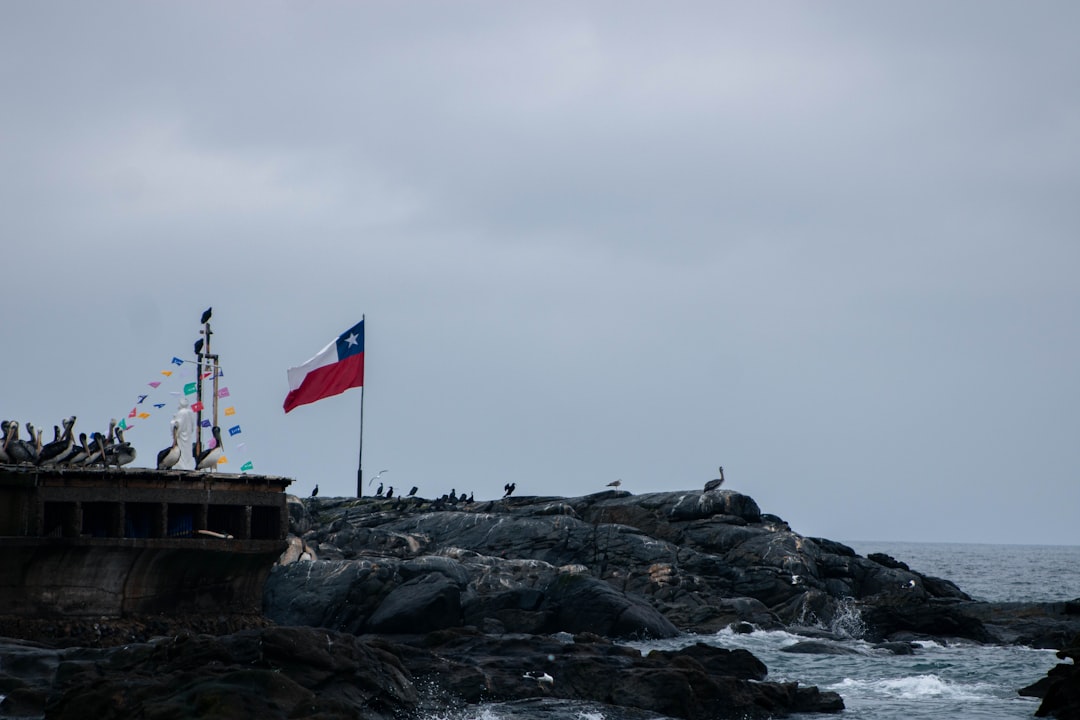
The Chilean Coast Guard is responsible for maritime safety along Chile’s coastline, which extends over 4,300 kilometers. The organization’s primary function is conducting search and rescue (SAR) operations, responding to emergencies at sea including distress calls from vessels, missing persons, and natural disasters. The Coast Guard maintains rapid response capabilities and deploys resources to high-risk areas.
Beyond emergency response, the Chilean Coast Guard implements preventive measures to reduce maritime accidents. These include regular patrols, monitoring shipping traffic, and providing navigation guidance in hazardous waters. This proactive approach enhances safety and encourages responsible maritime practices among vessel operators.
The Coast Guard’s work is essential to Chile’s economy, as fishing, tourism, and shipping are significant economic sectors that depend on safe maritime conditions.
Key Takeaways
- The Chilean Coast Guard plays a crucial role in search and rescue (SAR) operations across Chile’s extensive maritime territory.
- Advanced equipment, technology, and specialized training enable effective SAR missions in challenging conditions.
- Collaboration with international SAR agencies enhances operational coordination and response capabilities.
- Despite facing significant challenges, the Coast Guard has achieved numerous successful rescues, positively impacting maritime commerce and tourism.
- Ongoing community engagement and future-focused strategies aim to improve maritime safety and SAR effectiveness in Chilean waters.
The Extensive Coverage of Chilean Coast Guard Search and Rescue Operations
The geographical expanse of Chile’s coastline presents unique challenges for search and rescue operations. The Chilean Coast Guard has established a comprehensive network of bases and stations along the coast, ensuring that they can respond swiftly to emergencies in both urban and remote areas. This extensive coverage allows them to monitor vast stretches of ocean and respond effectively to incidents that may occur far from shore.
The strategic placement of their resources enables them to reach distressed vessels or individuals in a timely manner, which is critical in saving lives. Moreover, the Coast Guard’s operational reach extends beyond national waters. They are often called upon to assist in international SAR operations, collaborating with neighboring countries and international organizations.
This cooperative approach not only enhances their operational capabilities but also strengthens regional maritime safety. By sharing information and resources with other nations, the Chilean Coast Guard contributes to a more coordinated response to maritime emergencies, reflecting a commitment to global maritime safety standards. The treacherous waters of the Drake Passage are known for their unpredictable weather and powerful currents.
The Importance of Maritime Safety and Security in Chilean Waters
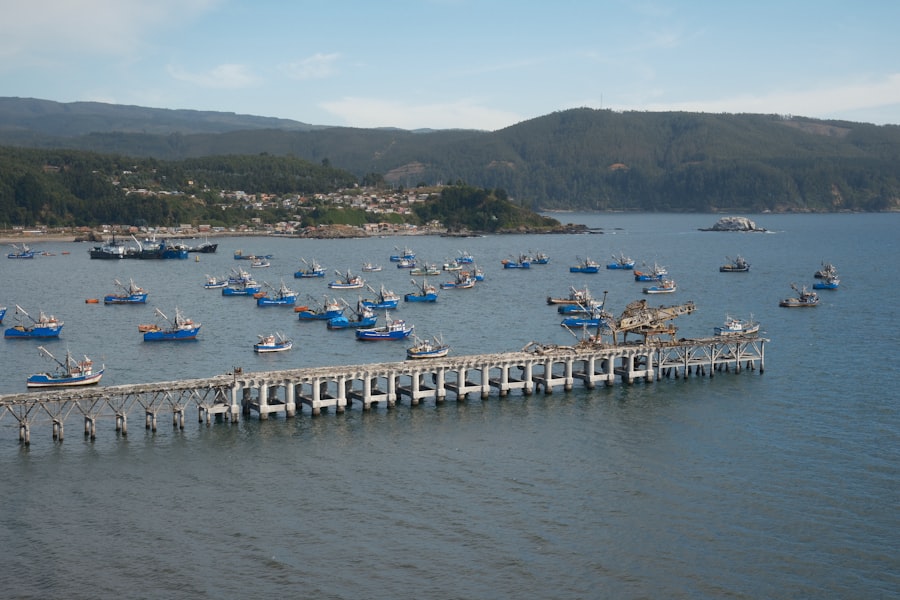
Maritime safety and security are paramount in Chilean waters due to the country’s reliance on its oceanic resources. The fishing industry, which is one of the largest in the world, depends heavily on safe navigation and secure fishing practices. Additionally, tourism plays a significant role in the economy, with countless visitors drawn to Chile’s stunning coastal landscapes and marine biodiversity.
The Chilean Coast Guard’s efforts in ensuring maritime safety directly impact these industries by minimizing accidents and fostering a secure environment for both commercial and recreational activities. Furthermore, the strategic location of Chile along major shipping routes makes it essential for the Coast Guard to maintain high standards of maritime security. The potential for piracy, smuggling, and illegal fishing necessitates vigilant monitoring and enforcement of maritime laws.
By actively engaging in surveillance and law enforcement activities, the Coast Guard not only protects economic interests but also preserves the ecological integrity of marine environments. Their multifaceted approach to maritime safety underscores the importance of a secure maritime domain for the overall well-being of the nation.
The Equipment and Technology Used by the Chilean Coast Guard in SAR Operations
To effectively carry out search and rescue operations, the Chilean Coast Guard employs a range of advanced equipment and technology. Their fleet includes various types of vessels, from high-speed patrol boats to larger ships capable of extended missions at sea. These vessels are equipped with state-of-the-art navigation systems, communication tools, and emergency response gear that enhance their operational efficiency.
The integration of modern technology allows for precise tracking of vessels in distress and facilitates rapid deployment of rescue teams. In addition to vessels, the Coast Guard utilizes aerial support in their SAR operations. Helicopters equipped with thermal imaging cameras and other surveillance technologies provide critical aerial reconnaissance during search missions.
This capability significantly increases the likelihood of locating missing persons or distressed vessels quickly. Furthermore, advancements in drone technology have begun to play a role in SAR operations, offering real-time data collection and situational awareness that can be invaluable during emergencies.
The Training and Expertise of Chilean Coast Guard Personnel in Search and Rescue
| Metric | Value | Unit | Notes |
|---|---|---|---|
| Length of Chilean Coastline | 6,435 | km | One of the longest coastlines in the world |
| Number of SAR Stations | 30 | stations | Distributed along the coast for rapid response |
| Average SAR Response Time | 45 | minutes | Time from alert to arrival on scene |
| Number of SAR Vessels | 25 | vessels | Includes patrol boats and rescue ships |
| Annual SAR Missions | 150 | missions | Search and rescue operations per year |
| Coverage Area | 1,250,000 | km² | Maritime area under SAR responsibility |
| Helicopters Available for SAR | 5 | units | Used for aerial search and rescue |
The effectiveness of the Chilean Coast Guard’s search and rescue operations is largely attributed to the rigorous training and expertise of its personnel. Coast Guard members undergo extensive training programs that cover various aspects of maritime safety, emergency response, navigation, and survival techniques. This comprehensive training ensures that they are well-prepared to handle a wide range of scenarios that may arise during SAR missions.
Moreover, ongoing professional development is emphasized within the organization. Personnel regularly participate in drills and simulations that mimic real-life emergencies, allowing them to refine their skills and improve their response times. The emphasis on teamwork and communication during these exercises fosters a cohesive unit capable of executing complex rescue operations under pressure.
The dedication to training not only enhances individual capabilities but also strengthens the overall effectiveness of the Coast Guard as a whole.
The Collaboration and Coordination of Chilean Coast Guard with International SAR Agencies

The Chilean Coast Guard recognizes that maritime safety is a global concern that transcends national borders. As such, they actively collaborate with international search and rescue agencies to enhance their operational capabilities. This collaboration often involves joint exercises, information sharing, and coordinated responses to emergencies that may involve multiple countries.
By working together with international partners, the Coast Guard can leverage additional resources and expertise during complex SAR operations. One notable example of this collaboration is Chile’s participation in regional maritime safety initiatives within the South American context. Through partnerships with neighboring countries such as Argentina and Peru, the Coast Guard engages in joint training exercises that focus on improving communication protocols and operational coordination during cross-border SAR missions.
The Challenges Faced by the Chilean Coast Guard in SAR Operations
Despite its extensive capabilities, the Chilean Coast Guard faces numerous challenges in conducting search and rescue operations. One significant hurdle is the unpredictable nature of weather conditions along the coast. Storms, fog, and rough seas can hinder visibility and complicate rescue efforts, making it difficult for personnel to locate distressed vessels or individuals.
Additionally, the vastness of the ocean presents logistical challenges in terms of resource allocation and response times. Another challenge lies in the increasing number of maritime activities along Chile’s coastline. With growing tourism and commercial shipping traffic, the likelihood of accidents or emergencies has risen correspondingly.
This surge places additional strain on the Coast Guard’s resources as they strive to maintain safety standards while responding to an ever-increasing volume of incidents. Balancing these demands requires careful planning and resource management to ensure that they can effectively fulfill their mission.
The Success Stories and Notable Rescues by the Chilean Coast Guard
The Chilean Coast Guard has a storied history filled with remarkable success stories that highlight their dedication to saving lives at sea. One notable rescue involved a fishing vessel that capsized during a storm off the coast of Valparaíso.
This operation exemplified not only their technical proficiency but also their unwavering commitment to human life. Another inspiring story involved a group of tourists stranded on a remote island after their boat malfunctioned. The Coast Guard received an emergency call detailing their situation and quickly mobilized a rescue team equipped with helicopters and boats.
Within hours, they successfully located the stranded individuals and provided them with medical assistance before transporting them back to safety. Such stories serve as powerful reminders of the vital role played by the Coast Guard in protecting lives along Chile’s coast.
The Impact of Chilean Coast Guard SAR Operations on Maritime Commerce and Tourism
The search and rescue operations conducted by the Chilean Coast Guard have far-reaching implications for both maritime commerce and tourism within the country. By ensuring safe navigation through regular patrols and rapid response capabilities, they create an environment where commercial shipping can thrive without fear of accidents or emergencies disrupting operations. This stability is crucial for maintaining trade routes that are vital for economic growth.
In terms of tourism, the presence of an effective search and rescue service enhances visitors’ confidence when engaging in recreational activities such as boating, fishing, or diving along Chile’s picturesque coastline. Tourists are more likely to explore these waters knowing that there is a dedicated agency ready to respond should any issues arise during their adventures. Consequently, this fosters a positive perception of Chile as a safe destination for maritime activities, ultimately benefiting local economies reliant on tourism.
The Future of Chilean Coast Guard Search and Rescue Efforts
Looking ahead, the future of search and rescue efforts by the Chilean Coast Guard appears promising yet challenging. As technology continues to evolve rapidly, there will be opportunities for further advancements in equipment and operational strategies that can enhance SAR capabilities. Embracing innovations such as artificial intelligence for predictive analytics or improved communication systems could significantly improve response times during emergencies.
Additionally, climate change poses new challenges for maritime safety as weather patterns become increasingly unpredictable. The Coast Guard will need to adapt its strategies accordingly while continuing its commitment to training personnel effectively for emerging scenarios related to environmental changes. By remaining proactive in addressing these challenges through innovation and collaboration with international partners, the Chilean Coast Guard can ensure its continued effectiveness in safeguarding lives at sea.
The Community Engagement and Outreach Efforts of the Chilean Coast Guard in Promoting Maritime Safety
The Chilean Coast Guard recognizes that community engagement is essential for promoting maritime safety beyond their operational efforts alone. They actively participate in outreach programs aimed at educating local communities about safe boating practices, emergency preparedness, and environmental stewardship related to marine ecosystems. These initiatives foster a sense of responsibility among mariners while empowering individuals with knowledge that can save lives.
Through partnerships with schools, local organizations, and community events, the Coast Guard disseminates vital information regarding maritime safety regulations and best practices for navigating coastal waters safely. By building strong relationships within communities along the coastlines they serve, they create a culture where safety becomes ingrained in everyday practices among mariners—ultimately contributing to fewer accidents at sea while enhancing overall awareness about maritime issues facing Chile today. In conclusion, the multifaceted role played by the Chilean Coast Guard in search and rescue operations is critical not only for ensuring safety at sea but also for supporting economic activities reliant on maritime commerce and tourism.
Through extensive coverage, advanced technology, rigorous training programs, international collaboration efforts alongside community engagement initiatives—their commitment remains unwavering as they navigate challenges ahead while striving towards excellence within this vital domain.
The Chilean coast guard plays a crucial role in search and rescue (SAR) operations along the country’s extensive coastline, ensuring the safety of both maritime traffic and local communities. For a deeper understanding of the challenges and strategies involved in these operations, you can read more in this related article on the topic. Check it out here: Chilean Coast Guard SAR Coverage.
WATCH THIS! 🚢 The Red Sea is burning. Panama is drying up. And the Drake Passage
FAQs
What is the primary role of the Chilean Coast Guard in SAR operations?
The Chilean Coast Guard is responsible for conducting search and rescue (SAR) operations along Chile’s extensive coastline to ensure the safety of maritime traffic and respond to emergencies at sea.
How extensive is the Chilean coastline covered by the Coast Guard’s SAR services?
Chile has one of the longest coastlines in the world, stretching over 6,400 kilometers, and the Coast Guard provides SAR coverage along this entire coastal area, including offshore islands and remote regions.
What types of vessels and equipment does the Chilean Coast Guard use for SAR missions?
The Chilean Coast Guard utilizes a variety of vessels, including patrol boats, rescue boats, and helicopters equipped with advanced navigation and communication systems to conduct effective SAR operations.
How is the Chilean Coast Guard organized to respond to maritime emergencies?
The Coast Guard operates through regional SAR coordination centers strategically located along the coast, which coordinate rescue efforts, deploy resources, and collaborate with other agencies and international partners when necessary.
Does the Chilean Coast Guard collaborate with other countries for SAR coverage?
Yes, the Chilean Coast Guard cooperates with neighboring countries and international maritime organizations to enhance SAR coverage, share information, and conduct joint exercises to improve response capabilities.
Are there specific areas along the Chilean coast that are more challenging for SAR operations?
Certain regions, such as the southern fjords and the remote islands of Patagonia, present challenges due to harsh weather conditions, difficult terrain, and limited accessibility, requiring specialized equipment and trained personnel.
How can mariners request assistance from the Chilean Coast Guard during an emergency?
Mariners can request assistance by using marine VHF radio on designated distress channels, sending emergency signals, or contacting the Coast Guard through emergency telephone numbers provided for maritime safety.
What measures does the Chilean Coast Guard take to prevent maritime accidents?
The Coast Guard conducts regular patrols, enforces maritime regulations, provides safety information to mariners, and monitors vessel traffic to prevent accidents and ensure safe navigation along the coast.
Is the Chilean Coast Guard SAR service available 24/7?
Yes, the Chilean Coast Guard maintains continuous SAR readiness and operates 24 hours a day, 7 days a week to respond promptly to any maritime emergencies.
Where can the public find more information about the Chilean Coast Guard’s SAR coverage?
Information about the Chilean Coast Guard’s SAR services can be found on their official website, through maritime safety publications, and by contacting regional Coast Guard offices.