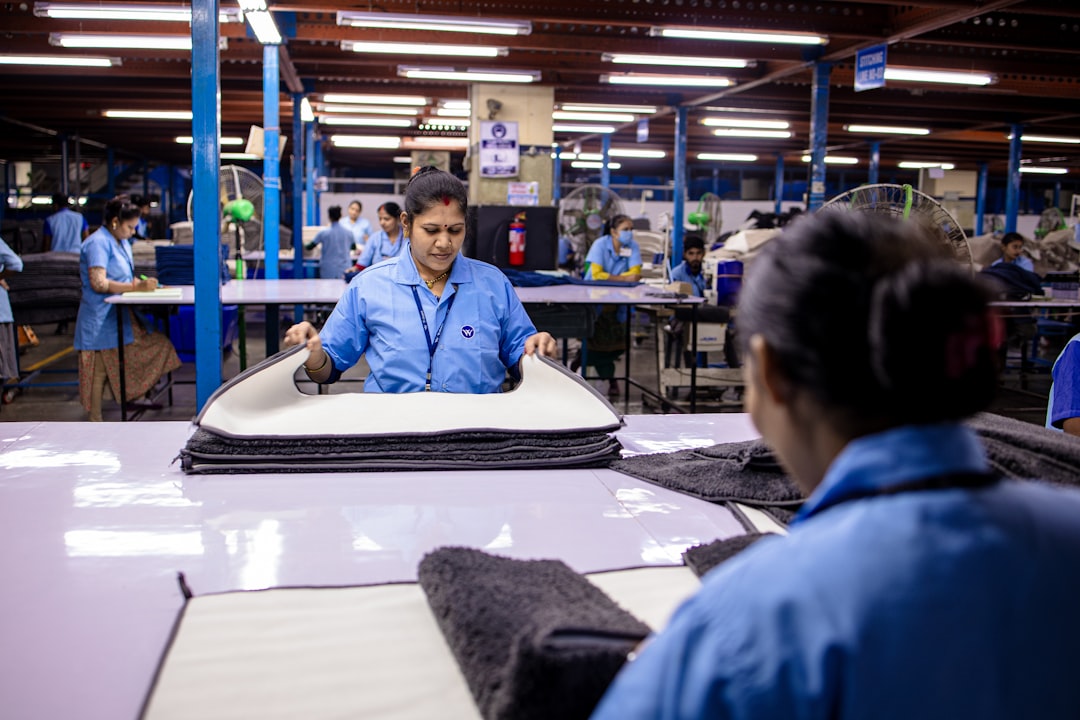
In recent years, China has significantly ramped up its investment in Mexican manufacturing facilities, marking a notable shift in the dynamics of global trade and production.
As labor costs in China continue to rise, many manufacturers are seeking more cost-effective alternatives, and Mexico presents an attractive option due to its proximity to the United States, favorable trade agreements, and a skilled workforce.
The establishment of Chinese-owned factories in Mexico not only enhances production capabilities but also fosters a deeper economic relationship between the two nations. The influx of Chinese capital into Mexico has led to the establishment of numerous factories across various sectors, including electronics, automotive, and textiles. This investment is not merely a one-way street; it reflects a strategic move by Chinese firms to tap into the North American market while benefiting from Mexico’s advantageous trade agreements, such as the United States-Mexico-Canada Agreement (USMCA).
As a result, the partnership between China and Mexico is evolving, with both countries recognizing the mutual benefits of collaboration in manufacturing and trade.
Key Takeaways
- China’s investment in Mexican factories is on the rise, indicating a growing economic partnership between the two countries.
- The partnership between China and Mexico brings benefits such as job creation, technology transfer, and increased trade opportunities.
- Chinese investment has a significant impact on the Mexican economy, contributing to industrial growth and infrastructure development.
- Mexican factories play a crucial role in the global supply chain, serving as key manufacturing hubs for various industries.
- Potential challenges and risks of Chinese investment in Mexican factories include competition with local businesses and concerns about labor standards and environmental practices.
The benefits of the growing partnership between China and Mexico
The burgeoning partnership between China and Mexico offers a plethora of benefits for both nations. For Mexico, the influx of Chinese investment translates into job creation, technological transfer, and enhanced industrial capabilities. As Chinese companies establish factories in Mexico, they bring with them advanced manufacturing techniques and processes that can elevate local industries.
This transfer of knowledge not only boosts productivity but also helps Mexican workers acquire new skills, ultimately contributing to the country’s economic development. On the other hand, China stands to gain from this partnership by securing a foothold in the North American market. By investing in Mexican factories, Chinese firms can circumvent tariffs and trade barriers that may arise from geopolitical tensions or trade disputes.
This strategic positioning allows them to maintain competitiveness while ensuring a steady supply of goods to meet consumer demand in the United States and beyond. The symbiotic relationship fosters economic growth for both countries, creating a win-win scenario that could redefine their roles in the global economy.
The impact of Chinese investment on the Mexican economy
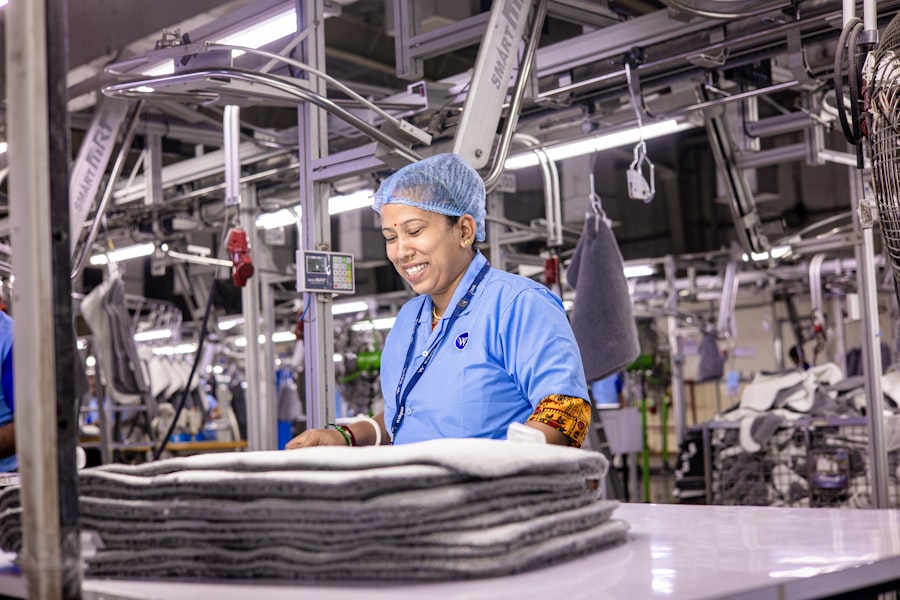
Chinese investment in Mexican factories has had a profound impact on the country’s economy. The establishment of these manufacturing facilities has led to an increase in foreign direct investment (FDI), which is crucial for economic growth. As more Chinese companies set up operations in Mexico, they contribute to the local economy by creating jobs and stimulating demand for goods and services.
This influx of capital can lead to improved infrastructure and public services, benefiting not only the workers employed in these factories but also the surrounding communities. Moreover, the presence of Chinese manufacturers has spurred competition within Mexico’s industrial sector. Local companies are compelled to innovate and improve their processes to remain competitive against their Chinese counterparts.
This competitive environment can lead to increased efficiency and productivity across various industries, ultimately benefiting consumers through lower prices and improved product quality. However, it is essential to recognize that while there are significant benefits, there are also challenges that must be addressed to ensure sustainable economic growth.
The role of Mexican factories in the global supply chain
| Metrics | Data |
|---|---|
| Number of Mexican factories | Approximately 6,000 |
| Percentage of US imports from Mexico | Around 40% |
| Employment in Mexican factories | Over 2 million workers |
| Value of Mexican exports from factories | Over 400 billion annually |
Mexican factories play a crucial role in the global supply chain, particularly as companies seek to optimize their production processes and reduce costs. With its strategic location bordering the United States, Mexico serves as an ideal hub for manufacturing and distribution. The establishment of Chinese factories in Mexico enhances this role by providing an additional layer of efficiency and responsiveness to market demands.
As global supply chains become increasingly complex, the ability to produce goods closer to key markets is invaluable. Furthermore, Mexican factories benefit from established trade agreements that facilitate the movement of goods across borders. The USMCA, for instance, allows for tariff-free access to one of the largest consumer markets in the world.
This advantage not only attracts foreign investment but also encourages local manufacturers to engage in international trade. As Chinese companies invest in Mexican production facilities, they contribute to a more integrated global supply chain that can adapt quickly to changing consumer preferences and market conditions.
The potential challenges and risks of Chinese investment in Mexican factories
Despite the numerous advantages associated with Chinese investment in Mexican factories, there are potential challenges and risks that must be considered. One significant concern is the potential for economic dependency on foreign investment. As Mexico becomes increasingly reliant on Chinese capital and manufacturing expertise, there is a risk that local industries may struggle to compete independently.
This dependency could hinder long-term economic sustainability and innovation within Mexico’s industrial sector. Additionally, there are geopolitical risks associated with China’s growing influence in Latin America. As tensions rise between China and other global powers, particularly the United States, Mexico may find itself caught in the crossfire of international disputes.
Such geopolitical dynamics could lead to instability in trade relations and affect the overall business environment for both Mexican and Chinese companies operating within the country. It is crucial for Mexican policymakers to navigate these challenges carefully to ensure that foreign investment contributes positively to national interests.
The influence of China’s investment on Mexican labor practices
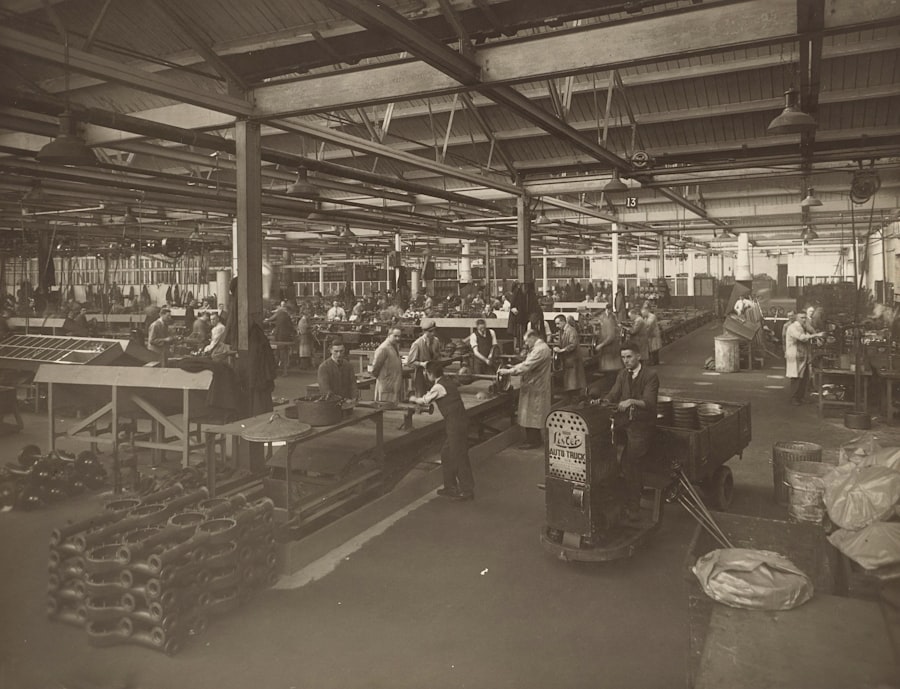
The influx of Chinese investment into Mexican factories has also raised questions about labor practices and working conditions. While foreign investment can lead to job creation and economic growth, it is essential to ensure that workers’ rights are protected. There have been concerns regarding labor standards in some Chinese-owned factories, where practices may not align with local regulations or international labor standards.
Reports of long working hours, low wages, and inadequate safety measures have sparked debates about the ethical implications of such investments. To address these concerns, it is vital for both Mexican authorities and Chinese companies to prioritize labor rights and create a safe working environment for employees. Implementing fair labor practices not only benefits workers but also enhances productivity and morale within factories.
Furthermore, fostering a culture of respect for labor rights can improve the reputation of both countries on the global stage, attracting more responsible investment in the long run.
The environmental implications of Chinese investment in Mexican factories
The environmental implications of Chinese investment in Mexican factories cannot be overlooked. As manufacturing activities increase, so do concerns about pollution, resource depletion, and environmental degradation. The establishment of new factories often leads to increased energy consumption and waste generation, which can have detrimental effects on local ecosystems.
It is essential for both governments and corporations to adopt sustainable practices that minimize environmental impact while promoting economic growth. To mitigate these environmental challenges, there is a growing emphasis on green manufacturing practices within the industry. Many Chinese companies are beginning to adopt environmentally friendly technologies and processes that reduce their carbon footprint.
Additionally, collaboration between China and Mexico can lead to innovative solutions that address environmental concerns while maintaining competitiveness in global markets. By prioritizing sustainability, both nations can work towards a more balanced approach to industrial development.
The role of government policies in facilitating the partnership between China and Mexico
Government policies play a pivotal role in shaping the partnership between China and Mexico regarding investment in manufacturing facilities. Both countries have recognized the importance of fostering a conducive environment for foreign investment through regulatory frameworks that promote transparency and ease of doing business. Initiatives aimed at streamlining bureaucratic processes can attract more Chinese companies looking to establish operations in Mexico.
Moreover, bilateral agreements between China and Mexico can further enhance cooperation in various sectors beyond manufacturing. By aligning their economic goals and addressing mutual interests, both governments can create a framework that encourages innovation and collaboration. This proactive approach can lead to increased investment flows while ensuring that both nations benefit from their partnership.
The future outlook for Chinese investment in Mexican factories
The future outlook for Chinese investment in Mexican factories appears promising as both countries continue to strengthen their economic ties. With ongoing shifts in global trade dynamics and supply chain strategies, Mexico is likely to remain an attractive destination for Chinese manufacturers seeking to expand their operations outside of China.
Furthermore, as technology continues to evolve, there will be opportunities for collaboration between Chinese firms and Mexican industries focused on innovation. The integration of advanced manufacturing technologies such as automation and artificial intelligence can enhance productivity while creating new job opportunities within Mexico’s workforce. This forward-looking approach positions both nations favorably within an increasingly competitive global landscape.
The potential for collaboration and innovation in the Chinese-Mexican factory partnership
The partnership between China and Mexico presents significant potential for collaboration and innovation within the manufacturing sector. As both countries seek to enhance their competitive edge globally, they can leverage each other’s strengths to drive technological advancements and improve production processes. For instance, Mexican manufacturers can benefit from China’s expertise in automation and robotics while contributing their knowledge of local markets and consumer preferences.
Moreover, fostering innovation through joint ventures or research collaborations can lead to the development of new products and services tailored to meet evolving market demands. By working together, Chinese and Mexican companies can create synergies that enhance their capabilities while addressing challenges such as sustainability and efficiency. This collaborative spirit not only strengthens their partnership but also positions them as leaders in the global manufacturing landscape.
The implications of the growing partnership for other global economies
The growing partnership between China and Mexico has far-reaching implications for other global economies as well. As these two nations deepen their economic ties through increased investment in manufacturing facilities, they may influence trade patterns across Latin America and beyond. Other countries may look to emulate this model of collaboration or seek partnerships with either China or Mexico to enhance their own industrial capabilities.
Additionally, as China expands its presence in Latin America through investments like those in Mexican factories, it may shift traditional alliances within the region. Countries that previously relied heavily on U.S.-based investments may find themselves reevaluating their strategies as they consider engaging with Chinese firms seeking new opportunities abroad. This evolving landscape underscores the importance of adaptability for nations navigating an increasingly interconnected global economy.
In conclusion, China’s increasing investment in Mexican factories represents a significant development with multifaceted implications for both countries and beyond. While there are numerous benefits associated with this partnership—ranging from job creation to enhanced competitiveness—there are also challenges that must be addressed responsibly. By prioritizing sustainable practices, labor rights, and collaborative innovation efforts, both nations can work towards a prosperous future that benefits not only themselves but also sets a precedent for other economies around the world.
In recent years, China’s strategic investments in Mexican factories have been a topic of significant interest, as they reflect broader trends in global manufacturing and trade dynamics. A related article that delves into the intricacies of these investments can be found on Real Lore and Order. This article provides a comprehensive analysis of how China’s financial commitments are reshaping the industrial landscape in Mexico, offering insights into the economic and geopolitical implications. For a deeper understanding of this subject, you can read more about it by visiting the article on Real Lore and Order.
FIND OUT! Why America’s 🇺🇸 Factories Are Moving to Mexico
FAQs
What is China’s investment in Mexican factories?
China’s investment in Mexican factories refers to the increasing trend of Chinese companies establishing manufacturing facilities in Mexico. This investment is driven by factors such as lower labor costs, proximity to the United States market, and trade agreements between Mexico and other countries.
Why is China investing in Mexican factories?
China is investing in Mexican factories to take advantage of Mexico’s proximity to the United States, which allows for easier access to the North American market. Additionally, Mexico offers lower labor costs compared to China, making it an attractive location for manufacturing operations.
What industries are Chinese companies investing in within Mexico?
Chinese companies are investing in a variety of industries in Mexico, including automotive, electronics, textiles, and consumer goods. These industries benefit from Mexico’s skilled labor force, trade agreements, and strategic location for exporting to the United States and other markets.
How does China’s investment in Mexican factories impact the Mexican economy?
China’s investment in Mexican factories has the potential to create job opportunities and stimulate economic growth in Mexico. It also contributes to the development of the country’s manufacturing sector and strengthens trade relations between China and Mexico.
What are the potential challenges of China’s investment in Mexican factories?
Some potential challenges of China’s investment in Mexican factories include competition with local businesses, concerns about labor standards, and the impact on Mexico’s domestic industries. Additionally, geopolitical tensions and trade policies may also affect the dynamics of Chinese investment in Mexico.