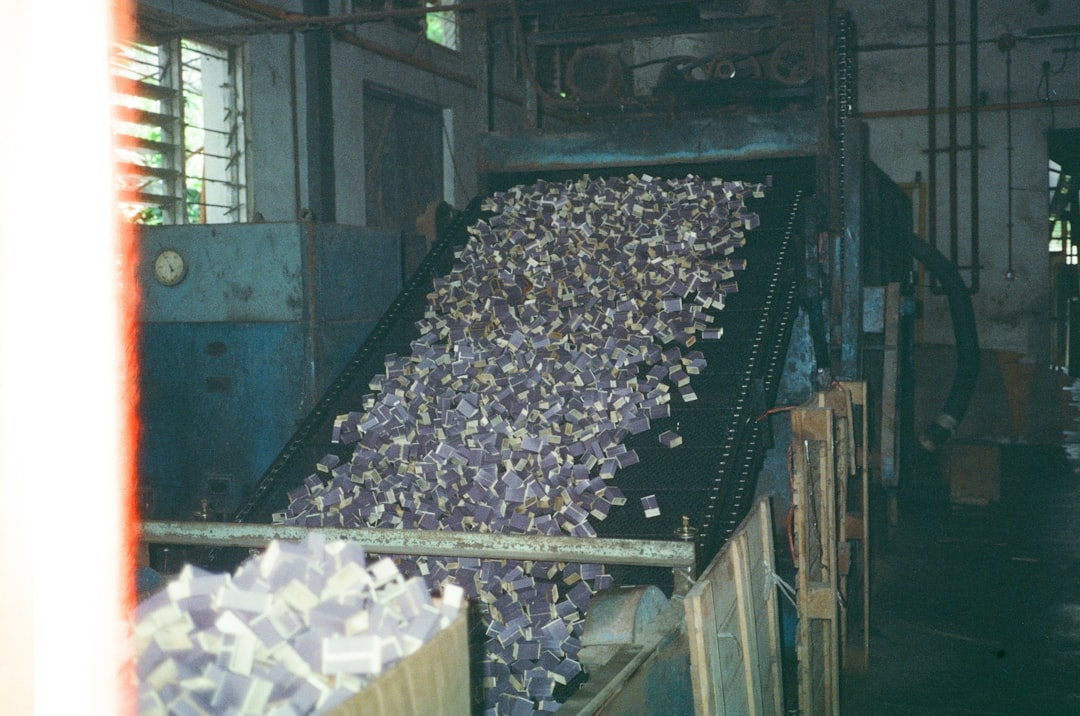
In recent decades, China has emerged as a powerhouse in the production of magnets, particularly those made from rare earth elements. This rise can be attributed to a combination of government support, investment in technology, and the establishment of a robust supply chain. By leveraging its vast reserves of rare earth materials, China has positioned itself as the leading manufacturer of high-performance magnets, which are essential components in various industries.
The country’s focus on developing its magnet production capabilities has not only bolstered its economy but has also given it significant leverage in global markets. China’s ascent in magnet production is marked by its ability to produce neodymium-iron-boron (NdFeB) magnets, which are known for their exceptional strength and versatility. These magnets are crucial in applications ranging from consumer electronics to industrial machinery.
The Chinese government has implemented policies that encourage research and development in this field, fostering innovation and efficiency. As a result, Chinese manufacturers have been able to produce high-quality magnets at competitive prices, further solidifying their dominance in the global market.
Key Takeaways
- China has become the world’s leading producer of magnets, dominating the global market.
- Magnets play a crucial role in modern technology, from smartphones to electric vehicles.
- China’s control over rare earth elements, essential for magnet production, gives it a monopoly in the industry.
- China’s monopoly on magnet production has significant implications for global manufacturing and trade.
- The future of magnet production and China’s global dominance raises questions about diversifying production away from China.
The Importance of Magnets in Modern Technology
Magnets play a pivotal role in modern technology, serving as essential components in a wide array of devices and systems. From smartphones and computers to electric motors and wind turbines, magnets are integral to the functionality of many products that define contemporary life. Their ability to generate magnetic fields allows for the efficient conversion of electrical energy into mechanical energy, making them indispensable in various applications.
As technology continues to advance, the demand for high-performance magnets is expected to grow exponentially. The significance of magnets extends beyond consumer electronics; they are also critical in the fields of healthcare and renewable energy. In medical imaging technologies such as MRI machines, powerful magnets are used to create detailed images of the human body.
Similarly, in renewable energy systems, magnets are essential for the operation of generators and turbines that convert wind and solar energy into electricity. As society increasingly shifts towards sustainable energy solutions, the importance of magnets will only continue to rise, underscoring the need for reliable sources of production.
China’s Control Over Rare Earth Elements

China’s dominance in magnet production is closely linked to its control over rare earth elements (REEs), which are vital for manufacturing high-performance magnets. The country possesses approximately 37% of the world’s rare earth reserves and accounts for over 60% of global production. This significant control over REEs has allowed China to dictate terms in the magnet supply chain, giving it a strategic advantage over other nations.
The extraction and processing of these elements require specialized knowledge and technology, which China has developed over the years. The implications of China’s control over rare earth elements extend beyond economics; they also have geopolitical ramifications. As countries around the world seek to secure their supply chains for critical materials, China’s monopoly on REEs raises concerns about dependency and vulnerability.
Nations that rely heavily on Chinese imports for their magnet production face potential risks, especially in times of political tension or trade disputes. This reality has prompted discussions about the need for diversification and self-sufficiency in rare earth sourcing.
The Impact of China’s Monopoly on Global Manufacturing
| Metrics | Data |
|---|---|
| Percentage of global manufacturing output | 28% |
| Number of manufacturing jobs in China | over 100 million |
| China’s share of global exports | 14% |
| Impact on global supply chains | Disruption and dependency |
| Environmental impact | High pollution levels |
China’s monopoly on magnet production has far-reaching consequences for global manufacturing. As the primary supplier of high-performance magnets, China holds significant sway over industries that depend on these components.
Companies that rely on Chinese magnets may find themselves at the mercy of changing policies or market conditions within China, creating uncertainty in their operations. Moreover, China’s control over magnet production can stifle innovation in other countries. With limited access to high-quality magnets, manufacturers outside China may struggle to develop advanced technologies or compete effectively in the global market.
This situation can hinder progress in various sectors, including renewable energy and electric vehicles, where cutting-edge magnet technology is crucial. As a result, countries may need to invest heavily in research and development to catch up with China’s advancements, further widening the technological gap.
The Role of Magnets in Renewable Energy
Magnets are integral to the advancement of renewable energy technologies, playing a crucial role in the efficiency and effectiveness of energy generation systems. In wind turbines, for instance, powerful magnets are used in generators to convert kinetic energy from wind into electrical energy. Similarly, in solar power systems, magnets are employed in various components to enhance performance and reliability.
As the world increasingly turns towards sustainable energy solutions, the demand for high-quality magnets is expected to surge. The transition to renewable energy sources is not just an environmental imperative; it also represents a significant economic opportunity. Countries investing in renewable energy infrastructure will require reliable access to advanced magnet technology to optimize their systems.
However, with China’s dominance in magnet production, there is a risk that nations may become overly reliant on Chinese suppliers for these critical components. This dependency could hinder efforts to achieve energy independence and sustainability goals.
China’s Dominance in Electric Vehicle Production

China’s influence extends into the electric vehicle (EV) market, where it has established itself as a leader in both production and consumption. The country’s automotive industry has rapidly embraced electric vehicle technology, driven by government policies aimed at reducing pollution and promoting sustainable transportation. Magnets play a vital role in electric vehicles, particularly in electric motors and battery systems, making China’s control over magnet production even more significant.
As global demand for electric vehicles continues to rise, China’s dominance in this sector presents both opportunities and challenges. On one hand, Chinese manufacturers benefit from economies of scale and established supply chains that allow them to produce EVs at competitive prices. On the other hand, this dominance raises concerns about supply chain vulnerabilities for countries looking to expand their own EV markets.
Nations seeking to develop their electric vehicle industries must consider how to secure access to high-quality magnets while navigating the complexities of global trade.
The Implications of China’s Magnet Monopoly on Global Trade
China’s monopoly on magnet production has profound implications for global trade dynamics. As countries increasingly recognize the strategic importance of magnets in various industries, they face challenges related to dependency on Chinese suppliers. This reliance can create vulnerabilities in supply chains, particularly during geopolitical tensions or trade disputes.
Nations that do not have domestic sources for high-performance magnets may find themselves at a disadvantage when competing on the global stage. Furthermore, China’s control over magnet production can lead to trade imbalances that affect economic relationships between countries. As China continues to dominate this sector, other nations may struggle to establish their own manufacturing capabilities or negotiate favorable trade agreements.
This situation can exacerbate existing tensions between countries seeking to protect their industries while navigating the complexities of international trade policies.
The Potential for China to Use Magnet Production as a Political Tool
Given its significant control over magnet production and rare earth elements, China possesses a powerful tool that it could leverage for political purposes. In times of diplomatic strife or trade disputes, China could restrict exports of magnets or rare earth materials to countries that it perceives as adversaries. Such actions could disrupt industries reliant on these components and create economic repercussions for affected nations.
The potential for China to use its magnet production capabilities as a political tool raises concerns among global leaders about supply chain security and economic stability. Countries may need to reassess their reliance on Chinese imports and explore alternative sources for critical materials. This situation could lead to increased investment in domestic production capabilities or partnerships with other nations to diversify supply chains and reduce vulnerability.
The Challenges of Breaking China’s Magnet Monopoly
Efforts to break China’s monopoly on magnet production face several challenges that complicate diversification strategies. One significant hurdle is the technological expertise required for producing high-performance magnets from rare earth elements. Many countries lack the necessary infrastructure and knowledge base to establish competitive magnet manufacturing capabilities quickly.
Additionally, the capital investment required for developing new facilities can be substantial, deterring potential entrants into the market. Another challenge lies in securing access to rare earth elements outside of China. While some countries possess deposits of these materials, the extraction and processing can be complex and environmentally sensitive.
Establishing sustainable supply chains for rare earths requires careful planning and collaboration among governments, industries, and environmental organizations. Without addressing these challenges comprehensively, efforts to reduce dependency on Chinese magnet production may prove difficult.
The Future of Magnet Production and China’s Global Dominance
As technology continues to evolve and demand for high-performance magnets grows, China’s dominance in magnet production is likely to persist unless significant changes occur within the global landscape. While some countries are actively working towards developing their own magnet manufacturing capabilities, it will take time and investment before they can compete effectively with Chinese producers. In the meantime, China will likely continue to leverage its position as a leading supplier of magnets and rare earth elements.
The future of magnet production will also be influenced by advancements in technology and materials science. Researchers are exploring alternative materials that could reduce reliance on rare earth elements while maintaining performance standards. If successful, these innovations could disrupt China’s monopoly by providing new avenues for magnet production outside its control.
However, until such breakthroughs are realized, China’s position as a dominant player in this field remains firmly established.
Strategies for Diversifying Magnet Production Away from China
To mitigate risks associated with reliance on Chinese magnet production, countries must adopt comprehensive strategies aimed at diversifying their sources of supply. One approach involves investing in research and development initiatives focused on alternative materials and manufacturing processes that do not depend on rare earth elements. By fostering innovation within their own borders, nations can reduce their vulnerability to external supply chain disruptions.
Additionally, forming international partnerships can play a crucial role in diversifying magnet production capabilities. Collaborative efforts among countries with complementary resources can lead to shared knowledge and technology transfer that enhances domestic manufacturing capabilities. Establishing trade agreements that prioritize access to critical materials will also be essential for building resilient supply chains that are less dependent on any single nation.
By investing in domestic capabilities and fostering international collaboration, countries can work towards achieving greater self-sufficiency in magnet production while navigating the complexities of an increasingly interconnected world.
China’s dominance in magnet production is a strategic move that aligns with its broader economic and geopolitical goals. By controlling a significant portion of the global supply chain for rare earth elements, which are crucial for manufacturing high-performance magnets, China ensures its leverage in various high-tech industries, including electronics, renewable energy, and defense. This control allows China to influence global prices and availability, giving it a competitive edge in technological advancements. For a deeper understanding of China’s strategic maneuvers in the magnet production industry, you can read more in this related article.
WATCH THIS! They Can Shut Down Your World Overnight. This Is The Choke Point Controlling Everything!
FAQs
What is the current state of magnet production in China?
China currently dominates the global magnet production, accounting for a significant portion of the world’s supply.
Why does China control magnet production?
China controls magnet production due to its abundant access to rare earth elements, which are essential in the manufacturing of magnets. The country also has a strong industrial base and government support for the magnet industry.
What are rare earth elements and why are they important for magnet production?
Rare earth elements are a group of 17 chemical elements that are crucial in the production of high-strength magnets, such as neodymium-iron-boron magnets. These magnets are essential components in various technologies, including electric vehicles, wind turbines, and consumer electronics.
How does China’s control of magnet production impact the global market?
China’s control of magnet production gives the country significant influence over the global market, including pricing and supply. This can have implications for industries that rely on magnets for their products, as well as geopolitical considerations.
What are the potential risks of China’s dominance in magnet production?
The potential risks of China’s dominance in magnet production include supply chain vulnerabilities, geopolitical tensions, and market manipulation. This could impact industries that rely on magnets for their products, as well as global trade dynamics.