
Urban decline represents a complex process affecting cities worldwide, involving the deterioration of physical infrastructure, population loss, and reduced economic activity. This phenomenon typically manifests through vacant properties, elevated crime statistics, and diminished community services. Multiple interconnected factors contribute to urban decline, necessitating systematic analysis of its causes and consequences.
The process of urban decline rarely occurs suddenly but develops gradually through the interaction of demographic, economic, and policy-related variables. Cities experiencing decline face critical decision points that determine their future trajectory. Comprehensive understanding of urban decline requires examination of historical patterns, contributing mechanisms, and institutional responses from both community organizations and government agencies.
Such analysis illuminates both the challenges confronting urban areas and the potential pathways for economic and social recovery.
Key Takeaways
- Urban decline results from complex historical, economic, social, and environmental factors impacting cities.
- Residents face significant challenges including reduced quality of life and weakened community ties.
- Government responses vary but often struggle to fully address the multifaceted nature of decline.
- Community initiatives play a crucial role in combating urban decay and fostering revitalization.
- Despite challenges, there is hope for renewal through lessons learned and collaborative efforts.
Historical Context of the City
To fully grasp the complexities of urban decline, one must first delve into the historical context of the city in question. Many cities have rich histories that reflect periods of growth and prosperity, often followed by phases of stagnation or decline. For instance, industrial cities that once thrived due to manufacturing jobs may have experienced significant population influxes during their peak years.
However, as industries relocated or shut down, these cities faced economic downturns that led to job losses and population exodus. The historical trajectory of a city often reveals patterns that contribute to its current state. Cities that were once vibrant centers of commerce and culture may now struggle with outdated infrastructure and a lack of investment.
The legacy of past decisions—such as urban planning choices, zoning laws, and transportation developments—can have lasting impacts on the urban landscape. By examining these historical elements, one can better understand how cities have arrived at their current circumstances and what steps might be necessary for revitalization.
Factors Contributing to Urban Decline

Several interrelated factors contribute to urban decline, each playing a significant role in shaping the trajectory of a city. Economic shifts are among the most prominent contributors; as industries evolve or relocate, cities that relied heavily on specific sectors may find themselves in dire straits. The decline of manufacturing jobs in many American cities serves as a prime example, where once-thriving industrial hubs became ghost towns as factories closed their doors.
In addition to economic changes, social dynamics also play a crucial role in urban decline. Issues such as rising crime rates, inadequate public services, and declining educational opportunities can create a cycle of disinvestment and despair. As residents leave in search of better prospects elsewhere, the remaining population may face increased challenges, further exacerbating the decline.
Moreover, systemic issues such as racial segregation and income inequality can deepen divides within communities, making it difficult for residents to unite in efforts to combat urban decay.
Impact on Residents and Communities
The impact of urban decline on residents and communities is profound and far-reaching. As neighborhoods deteriorate, residents often experience a decline in their quality of life. Access to essential services such as healthcare, education, and public transportation may diminish, leaving individuals feeling isolated and disenfranchised.
The emotional toll of living in a declining area can lead to feelings of hopelessness and despair among residents, further perpetuating the cycle of decline. Communities facing urban decline may also experience social fragmentation. As families move away in search of better opportunities, neighborhoods can become less cohesive, leading to weakened social ties and diminished community engagement.
This fragmentation can hinder collective efforts to address local issues and stifle initiatives aimed at revitalization. The loss of community identity can be particularly devastating for long-time residents who have deep-rooted connections to their neighborhoods.
Government Response to Urban Decline
| Metric | Value | Description |
|---|---|---|
| Documentary Title | Urban Decline: The Forgotten Cities | Name of the documentary focusing on urban decline |
| Release Year | 2023 | Year the documentary was released |
| Duration | 90 minutes | Total runtime of the documentary |
| Number of Cities Featured | 5 | Count of urban areas examined in the film |
| Key Topics Covered | Population Decline, Economic Downturn, Infrastructure Decay, Social Impact | Main themes discussed in the documentary |
| Viewership | 1.2 million | Estimated number of viewers within the first year |
| Critical Rating | 8.5/10 | Average rating from film critics |
| Filming Locations | Detroit, Cleveland, Baltimore, St. Louis, Buffalo | Cities where the documentary was filmed |
In response to urban decline, government entities at various levels have implemented a range of strategies aimed at revitalizing struggling cities. These responses often include economic incentives for businesses to relocate or expand within urban areas, as well as investments in infrastructure improvements. By enhancing public transportation systems or renovating public spaces, governments aim to attract new residents and businesses while improving the overall quality of life for existing residents.
However, government responses are not without their challenges. Bureaucratic hurdles and limited funding can impede progress, leading to frustration among community members who seek immediate solutions. Additionally, some revitalization efforts may inadvertently lead to gentrification, displacing long-time residents in favor of new developments that cater to wealthier individuals.
Striking a balance between revitalization and preserving community integrity remains a critical challenge for policymakers.
Economic Consequences of Urban Decline
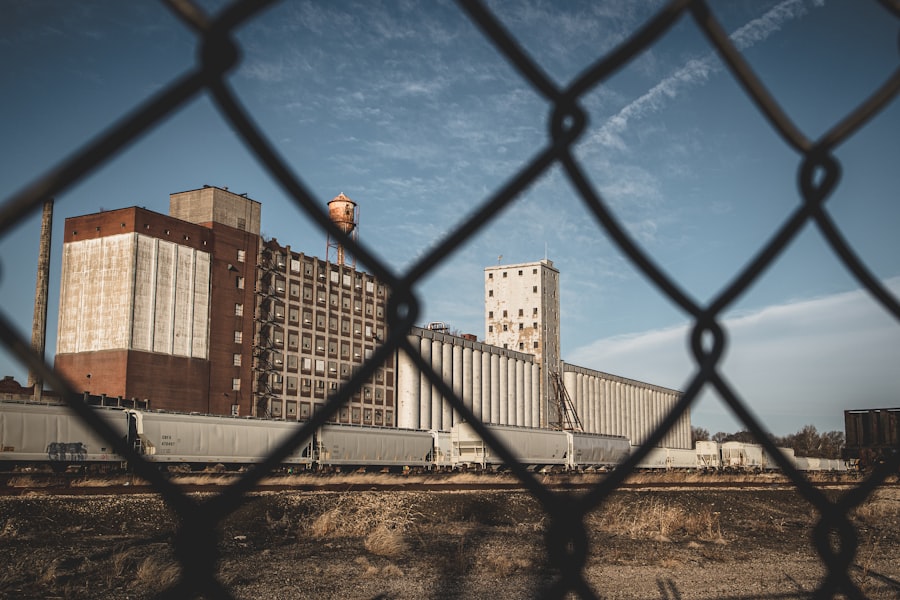
The economic consequences of urban decline are significant and can have lasting effects on both local communities and broader regional economies. As businesses close or relocate, job opportunities diminish, leading to increased unemployment rates and reduced consumer spending. This economic downturn can create a vicious cycle; as residents leave in search of employment elsewhere, the tax base shrinks, further limiting resources available for public services and infrastructure maintenance.
Potential investors may view declining neighborhoods as high-risk ventures, leading to a lack of development opportunities that could otherwise stimulate economic growth. The resulting stagnation can perpetuate poverty levels and exacerbate social inequalities within communities.
Addressing these economic consequences requires innovative approaches that not only attract new businesses but also support existing ones through targeted assistance programs.
Social and Cultural Effects of Urban Decline
The social and cultural effects of urban decline extend beyond mere economic considerations; they encompass the very fabric of community life. As neighborhoods deteriorate, cultural institutions such as theaters, galleries, and community centers may struggle to survive or close altogether. This loss can diminish the cultural vibrancy that once characterized these areas, leading to a homogenization of experiences and a lack of diverse cultural expressions.
Furthermore, urban decline can impact social cohesion within communities. As residents face economic hardships and social fragmentation increases, opportunities for community engagement may dwindle. The erosion of social networks can lead to increased isolation among individuals, particularly among vulnerable populations such as the elderly or low-income families.
Rebuilding these social connections is essential for fostering resilience and promoting community well-being in the face of decline.
Environmental Challenges in the City
Urban decline also presents significant environmental challenges that can exacerbate existing issues within cities.
Additionally, neglected infrastructure can lead to problems such as poor drainage systems or inadequate waste management practices, further compromising public health and safety.
Moreover, environmental degradation can disproportionately affect marginalized communities already facing socio-economic challenges. Issues such as air pollution or lack of access to green spaces can exacerbate health disparities among residents living in declining areas. Addressing these environmental challenges requires comprehensive planning that integrates sustainability into revitalization efforts while ensuring equitable access to resources for all community members.
Community Efforts to Address Urban Decline
In response to the challenges posed by urban decline, grassroots community efforts have emerged as powerful catalysts for change. Residents often band together to form neighborhood associations or advocacy groups aimed at addressing local issues such as crime prevention or beautification projects. These initiatives not only empower individuals but also foster a sense of ownership over their communities.
Community-led efforts can take many forms—from organizing clean-up days to advocating for policy changes at the municipal level. By engaging residents in decision-making processes and encouraging collaboration with local government agencies, these initiatives can create meaningful change that reflects the unique needs and aspirations of each community. Such grassroots movements highlight the importance of local knowledge and expertise in addressing urban decline effectively.
Lessons Learned from the Documentary
Documentaries exploring urban decline often provide valuable insights into the complexities surrounding this issue while highlighting stories of resilience and hope. Through personal narratives and expert interviews, these films shed light on the multifaceted nature of urban decay while showcasing innovative solutions implemented by communities facing similar challenges. One key lesson from such documentaries is the importance of collaboration among various stakeholders—residents, local businesses, government officials, and non-profit organizations—working together toward common goals.
By fostering dialogue and building partnerships across sectors, communities can leverage resources more effectively while creating sustainable solutions tailored to their unique contexts.
Hope for the Future: Revitalizing the City
Despite the challenges posed by urban decline, there remains hope for revitalization and renewal within struggling cities. Innovative approaches that prioritize community engagement and sustainable development are emerging as effective strategies for transforming declining neighborhoods into vibrant spaces once again. By investing in infrastructure improvements while preserving cultural heritage sites, cities can create environments that attract new residents and businesses alike.
Moreover, fostering a sense of community pride through local initiatives can inspire residents to take an active role in shaping their neighborhoods’ futures. As cities learn from past mistakes and embrace inclusive planning processes that prioritize equity and sustainability, they can pave the way for brighter futures filled with opportunity and resilience. In conclusion, understanding urban decline requires a comprehensive examination of its historical context, contributing factors, impacts on residents and communities, government responses, economic consequences, social effects, environmental challenges, community efforts, lessons learned from documentaries, and ultimately hope for revitalization.
By addressing these interconnected elements holistically rather than in isolation—cities can work toward overcoming decline while fostering vibrant communities that thrive for generations to come.
In exploring the themes of urban decline, the documentary sheds light on the socio-economic factors contributing to the deterioration of city landscapes. A related article that delves deeper into these issues can be found at this link, where it discusses the historical context and potential solutions for revitalizing struggling urban areas.
FAQs
What is an urban decline documentary?
An urban decline documentary is a film or video production that explores the causes, effects, and consequences of the deterioration of cities or urban areas. These documentaries often examine issues such as economic downturns, population loss, infrastructure decay, social challenges, and policy failures.
What topics are commonly covered in urban decline documentaries?
Common topics include deindustrialization, suburbanization, housing abandonment, crime rates, poverty, changes in demographics, urban planning mistakes, and efforts at revitalization or redevelopment.
Why are urban decline documentaries important?
They provide insight into the complex factors that contribute to the decline of cities, raise awareness about urban challenges, and often highlight potential solutions or success stories in urban renewal.
Who typically produces urban decline documentaries?
These documentaries can be produced by independent filmmakers, academic institutions, media organizations, or public broadcasting services interested in social, economic, and urban issues.
Where can I watch urban decline documentaries?
They are available on various platforms including streaming services, public television channels, educational websites, film festivals, and sometimes on DVD or Blu-ray.
What are some well-known urban decline documentaries?
Examples include “Detropia,” which focuses on Detroit’s economic struggles, and “The Pruitt-Igoe Myth,” which examines the failure of a public housing project in St. Louis.
How do urban decline documentaries contribute to urban policy discussions?
By documenting real-life examples and expert analyses, these films inform policymakers, urban planners, and the public, fostering dialogue about sustainable urban development and revitalization strategies.
Can urban decline documentaries be biased?
Like all documentaries, they may reflect the perspectives or interpretations of their creators. It is important to consider multiple sources and viewpoints when studying urban decline.