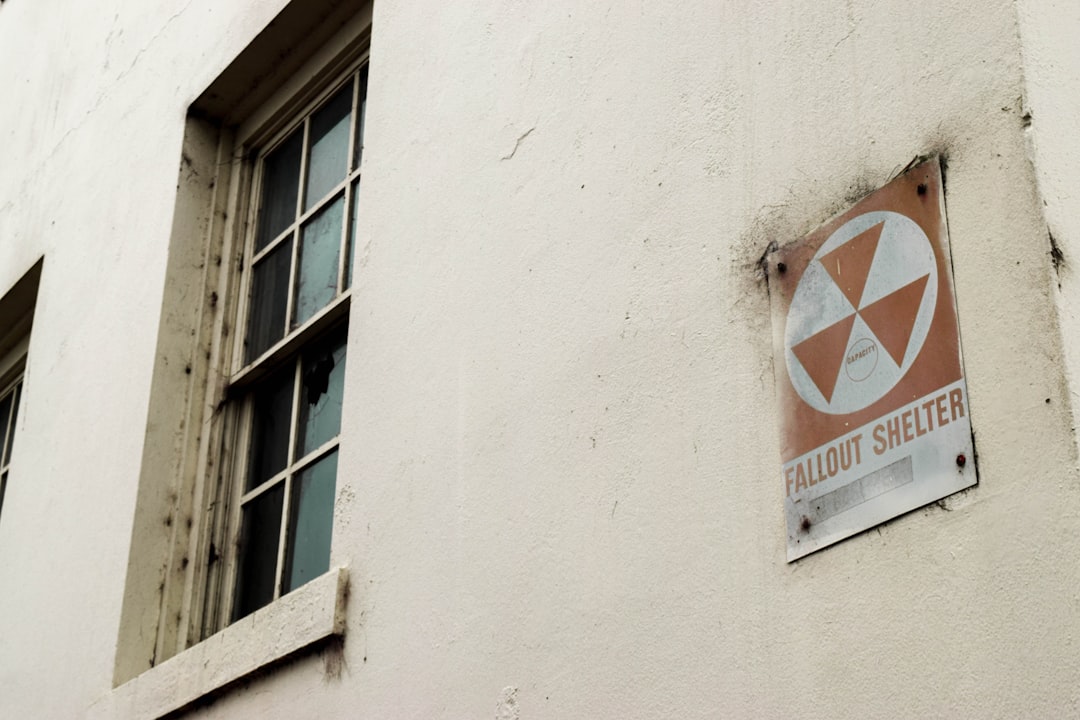
The Cuban Missile Crisis of October 1962 was one of the most dangerous periods of the Cold War. The crisis began when American reconnaissance aircraft detected Soviet nuclear missiles stationed in Cuba, approximately 90 miles from the United States mainland. This discovery prompted a direct confrontation between the United States and the Soviet Union, involving President John F.
Kennedy and Soviet Premier Nikita Khrushchev. Both nations mobilized their military forces in response to the escalating tension. During the standoff, Kennedy implemented a naval blockade around Cuba to prevent additional Soviet military shipments to the island.
The situation intensified when U.S. military forces were placed on high alert, raising the risk of nuclear conflict.
The crisis was resolved through diplomatic channels and negotiations between the two leaders. The agreement resulted in the withdrawal of Soviet missiles from Cuba. In return, the United States pledged not to invade Cuba and secretly removed American missiles stationed in Turkey.
This resolution ended the immediate threat of nuclear war between the superpowers.
Key Takeaways
- The Cuban Missile Crisis marked one of the tensest nuclear standoffs in history, nearly leading to war.
- Several false alarms, such as the 1983 Soviet nuclear alert and the 1962 NORAD computer glitch, nearly triggered catastrophic responses.
- Accidents like the 1961 Goldsboro B-52 crash and the 1980 Damascus missile explosion narrowly avoided nuclear disasters.
- Misinterpretations during events like the 1979 NATO Able Archer exercise and the 1995 Norwegian rocket launch heightened nuclear tensions.
- Mysterious incidents, including the 1979 Vela nuclear detonation and the 1999 Y2K scare, underscored the risks of nuclear miscommunication and system failures.
The 1983 Soviet Nuclear False Alarm: A Terrifying Moment
In September 1983, a harrowing incident unfolded within the Soviet Union that could have led to an unthinkable nuclear confrontation. A false alarm in the Soviet early warning system indicated that the United States had launched a nuclear attack against the USSR. The alarm was triggered by a combination of technical malfunctions and an unusual alignment of sunlight on high-altitude clouds, which misled radar operators into believing they were detecting incoming missiles.
As tensions were already high during this period of the Cold War, the stakes could not have been higher. Colonel Stanislav Petrov, who was on duty at the time, faced an agonizing decision. Protocol dictated that he should report the alert to his superiors, who would likely have ordered a retaliatory strike against the United States.
However, Petrov’s instincts told him that something was amiss; he suspected that a single missile launch was unlikely to be an act of war. Trusting his judgment over protocol, he chose to delay reporting the incident, ultimately averting what could have been a catastrophic escalation into nuclear war. His decision is now regarded as one of the most significant acts of individual courage in history, highlighting how human judgment can play a critical role in moments of crisis. The documentary provides a detailed analysis of the potential consequences of nuclear war on global security.
The 1961 Goldsboro B-52 Crash: A Narrow Escape
The Goldsboro B-52 crash in January 1961 is another chilling reminder of how close the world has come to nuclear disaster. A U.S. Air Force B-52 bomber was on a routine flight when it experienced mechanical failure and broke apart over North Carolina.
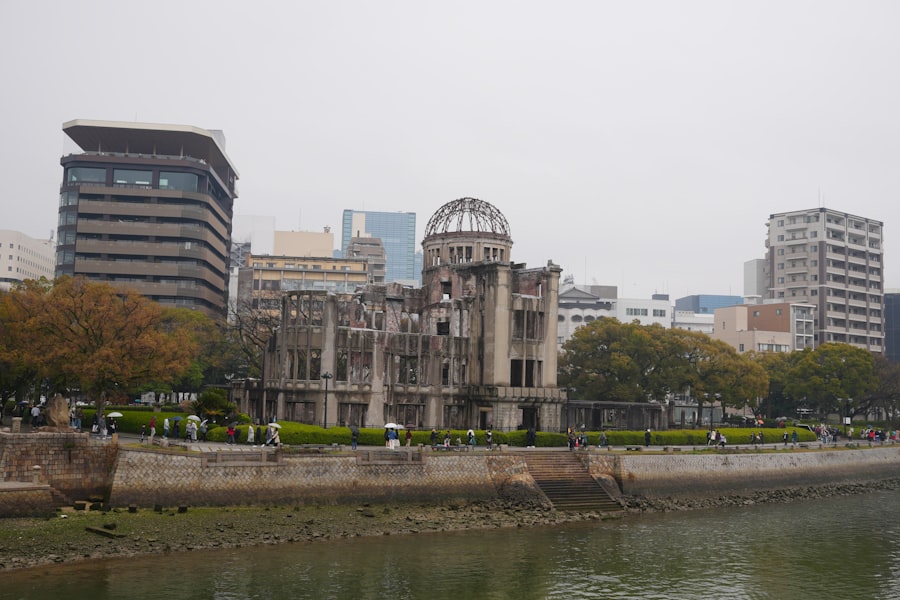
The aircraft was carrying two hydrogen bombs, each with an explosive yield far greater than that of the bomb dropped on Hiroshima. As the plane disintegrated, one of the bombs fell to the ground and landed in a field, while the other was lost in a nearby swamp. Remarkably, despite the immense destructive potential of these weapons, neither bomb detonated upon impact.
Investigations later revealed that several safety mechanisms had functioned correctly, preventing what could have been an unprecedented catastrophe. However, one bomb came perilously close to detonation; only one switch prevented it from exploding. This incident raised serious questions about the safety protocols surrounding nuclear weapons and underscored the risks associated with their deployment during peacetime operations.
The Goldsboro crash serves as a stark reminder of how human error and technical failures can intersect with nuclear arsenals, creating scenarios that could lead to unimaginable consequences.
The 1979 Vela Incident: Mysterious Nuclear Detonation
The Vela Incident of 1979 remains shrouded in mystery and intrigue, as it involved an unidentified event that some believe was a clandestine nuclear test conducted by South Africa. On September 22, 1979, a satellite designed to detect nuclear explosions picked up a double flash of light over the Indian Ocean, which was consistent with a nuclear detonation. The U.S. government initially classified this event as a potential nuclear test but later attributed it to other explanations, such as natural phenomena or meteorological events. Despite official denials and alternative theories, many experts continue to speculate about the true nature of the Vela Incident. Some argue that it was indeed a covert nuclear test by South Africa in collaboration with Israel, aimed at enhancing their military capabilities during a time of regional instability. The ambiguity surrounding this event has led to ongoing debates about nuclear proliferation and the challenges of monitoring compliance with international treaties. The Vela Incident serves as a reminder that even in an era marked by treaties and diplomatic efforts to curb nuclear weapons development, clandestine activities can still pose significant threats to global security.
The 1995 Norwegian Rocket Incident: Misinterpreted as a Nuclear Attack
| Incident | Year | Location | Description | Outcome |
|---|---|---|---|---|
| 1962 Cuban Missile Crisis | 1962 | Cuba / USA / USSR | Discovery of Soviet missiles in Cuba led to a 13-day confrontation between the US and USSR. | Peaceful resolution after negotiations; missiles removed. |
| 1983 Soviet Nuclear False Alarm | 1983 | USSR | Soviet early-warning system falsely detected incoming US missiles; officer Stanislav Petrov judged it a false alarm. | Potential nuclear war averted by human judgment. |
| 1979 NORAD Computer Glitch | 1979 | USA | Computer error at NORAD indicated a massive Soviet missile attack. | Identified as false alarm before any retaliatory action. |
| 1995 Norwegian Rocket Incident | 1995 | Russia | Russian radar mistook a scientific rocket launched from Norway for a US missile attack. | Russian President Yeltsin prepared nuclear response but held back. |
| 1961 Goldsboro B-52 Crash | 1961 | USA | B-52 bomber broke up mid-air, dropping two nuclear bombs; one nearly detonated. | Bombs did not detonate; disaster narrowly avoided. |
In January 1995, another alarming incident unfolded when a scientific research rocket launched from Norway was mistakenly interpreted as a potential nuclear attack against Russia. The rocket was part of a joint research project between Norway and the United States aimed at studying the northern lights. However, as it ascended into the atmosphere, Russian radar systems detected it and raised alarms within their military command structure.
The situation escalated rapidly as Russian officials scrambled to assess whether this was indeed an incoming missile strike from NATO forces. President Boris Yeltsin was alerted and faced an agonizing decision about whether to retaliate against what he believed could be an imminent attack. Fortunately, Yeltsin’s decision-making process included consulting with military advisors who were able to confirm that there was no evidence of an actual attack.
Ultimately, this incident highlighted the fragility of communication systems during times of heightened tension and underscored how easily misunderstandings could lead to catastrophic consequences.
The 1962 NORAD Computer Glitch: False Alarm of Soviet Attack
In November 1962, just weeks after the Cuban Missile Crisis had concluded, another alarming incident occurred at NORAD (North American Aerospace Defense Command) when a computer glitch led to a false alarm indicating that Soviet bombers were approaching North America. The system erroneously reported multiple incoming threats due to a malfunction in its radar systems combined with human error during data interpretation. As alarms blared throughout NORAD’s command center, military personnel prepared for what they believed was an imminent attack.
Fortunately, before any drastic measures were taken, operators were able to verify that there were no actual threats on radar screens. This incident served as a wake-up call regarding the reliability of early warning systems and highlighted how technological failures could lead to dangerous miscalculations during tense geopolitical climates.
The 1979 NATO Exercise Able Archer: Misinterpreted as Preparations for Nuclear War
The NATO exercise known as Able Archer in November 1979 is often cited as one of the closest moments to nuclear conflict during the Cold War era. This annual military exercise simulated a scenario involving NATO’s response to a potential Soviet invasion of Western Europe. However, due to its realistic portrayal and heightened tensions between East and West at that time, Soviet intelligence misinterpreted Able Archer as preparations for an actual nuclear strike against them.
As NATO forces conducted their exercises with increased urgency and realism, Soviet leaders became alarmed by what they perceived as aggressive posturing from their adversaries. In response, they heightened their own military readiness and prepared for potential retaliation. Fortunately, once again, cooler heads prevailed; both sides eventually recognized that this was merely an exercise rather than an impending conflict.
Nevertheless, Able Archer serves as a stark reminder of how easily misunderstandings can escalate into dangerous situations during periods marked by mistrust and hostility.
The 1980 Damascus Titan Missile Explosion: Averted Disaster
In September 1980, an explosion occurred at a Titan II missile silo near Damascus, Arkansas, which could have resulted in catastrophic consequences had it not been for quick thinking and effective emergency protocols.
Fortunately for all involved, safety measures were in place that prevented any detonation of the missile itself; however, this incident raised serious concerns about safety protocols surrounding nuclear weapons maintenance and handling procedures within military installations.
Investigations following the explosion revealed significant lapses in safety practices that could have led to far more dire outcomes had circumstances been different. The Damascus incident serves as an important reminder of how human error can intersect with high-stakes environments involving nuclear arsenals.
The 1966 Palomares B-52 Crash: Averted Nuclear Contamination
The Palomares B-52 crash in January 1966 is another significant event that underscores both human error and luck in averting disaster involving nuclear weapons. A U.S. Air Force B-52 bomber collided with a refueling plane during mid-air operations over Spain, resulting in four hydrogen bombs being released from the aircraft onto Spanish soil.
Fortunately for all involved, none of these bombs detonated upon impact; however, they did pose serious risks due to their radioactive components. In response to this incident, U.S. military personnel quickly mobilized to recover the bombs and mitigate any potential contamination risks posed by their presence on foreign soil.
This operation involved extensive cleanup efforts and cooperation with Spanish authorities to ensure public safety while addressing environmental concerns related to radioactive materials. The Palomares crash serves as yet another reminder of how close humanity has come to disaster due to accidents involving nuclear weapons systems.
The 1999 Y2K Nuclear Scare: Fear of System Malfunction
As the year 2000 approached, fears surrounding potential technological failures due to Y2K (the Year 2000 problem) permeated various sectors worldwide—including military operations involving nuclear arsenals. Concerns arose that computer systems managing critical infrastructure might malfunction when transitioning from December 31st, 1999, to January 1st, 2000—potentially leading to catastrophic failures across numerous sectors. In response to these fears regarding possible system malfunctions affecting early warning systems or command-and-control protocols for nuclear arsenals worldwide—military officials took precautionary measures aimed at ensuring operational readiness while addressing vulnerabilities associated with aging technology infrastructure used during this period.
Fortunately for all involved—Y2K turned out largely uneventful; however—the anxiety surrounding it highlighted how technological dependencies can create vulnerabilities within national security frameworks.
The 1980 Petrozavodsk Nuclear Scare: Misinterpretation of a Weather Satellite
In September 1980—a false alarm occurred within Soviet defense systems when radar operators misinterpreted signals from a weather satellite as incoming missile launches from NATO forces—leading them into panic mode regarding potential attacks against their territory. This incident exemplified how miscommunication between different branches of military operations could lead to dangerous misunderstandings during periods marked by heightened tensions between East-West relations. As alarms blared throughout command centers across Russia—military personnel scrambled into action preparing for what they believed was an imminent threat against their homeland—only later realizing that these signals were nothing more than benign data transmitted by civilian satellites monitoring weather patterns across Europe at that time period instead!
This incident serves as yet another reminder about how easily misunderstandings can escalate into dangerous situations during times marked by mistrust between nations—underscoring need for improved communication protocols among various branches involved in national security operations worldwide!
One of the most significant moments in history that nearly led to nuclear war occurred during the Cuban Missile Crisis in 1962. This tense standoff between the United States and the Soviet Union brought the world to the brink of nuclear conflict. For a deeper understanding of the events and decisions that shaped this critical period, you can read more in the article available at this link.
WATCH THIS! ☢️ Nuclear War in 2026: The Real Risks, New Weapons & How Close We Are
FAQs
What are some historical incidents that nearly caused nuclear war?
Several incidents during the Cold War nearly led to nuclear war, including the Cuban Missile Crisis in 1962, the 1983 Soviet nuclear false alarm incident, and the 1995 Norwegian rocket incident. These events involved misunderstandings, false alarms, or miscommunications that brought nuclear-armed countries close to conflict.
What happened during the Cuban Missile Crisis?
The Cuban Missile Crisis occurred in October 1962 when the United States discovered Soviet nuclear missiles stationed in Cuba. The 13-day confrontation brought the US and the Soviet Union to the brink of nuclear war before a negotiated agreement led to the removal of the missiles.
What was the 1983 Soviet nuclear false alarm incident?
In 1983, Soviet early-warning systems falsely detected incoming US missiles due to a satellite malfunction. Lieutenant Colonel Stanislav Petrov, the officer on duty, judged the alarm to be a false warning and chose not to retaliate, preventing a potential nuclear conflict.
What caused the 1995 Norwegian rocket incident?
In 1995, a scientific rocket launched from Norway was mistaken by Russian radar as a possible US missile attack. Russian President Boris Yeltsin was alerted and prepared to respond, but the warning was later identified as a false alarm, averting a nuclear crisis.
How do false alarms contribute to the risk of nuclear war?
False alarms can lead to misinterpretation of threats and rushed decisions to launch nuclear weapons. Because of the short decision times in a nuclear crisis, false warnings increase the risk of accidental or unintended nuclear war.
What measures have been taken to prevent accidental nuclear war?
Measures include improved communication channels between nuclear powers, such as the US-Russia “hotline,” enhanced early-warning systems, confidence-building agreements, and protocols to verify threats before launching nuclear weapons.
Why is it important to study incidents that nearly caused nuclear war?
Studying these incidents helps understand the risks of nuclear conflict, improve safety protocols, and promote diplomatic efforts to reduce the likelihood of accidental or intentional nuclear war in the future.