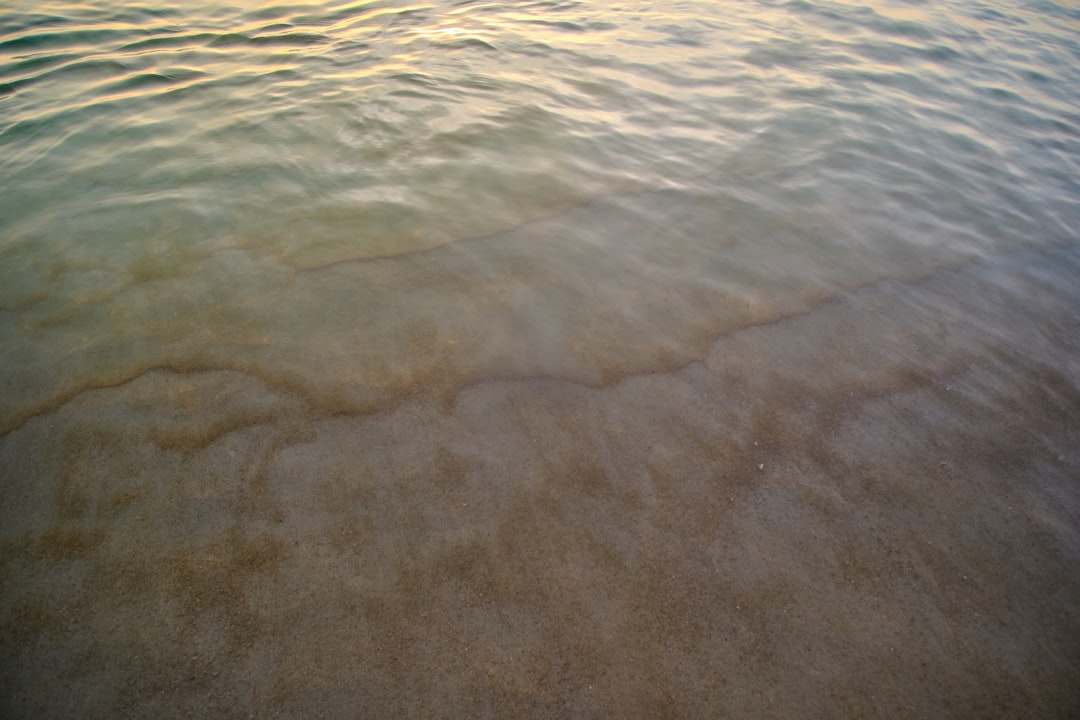
Coastal sediment movement refers to the transport of particles including sand, silt, and clay along shorelines through the action of waves, currents, and tidal forces. This process continuously redistributes material along coastlines, with sediment being eroded from source areas and deposited in new locations through longshore drift, cross-shore transport, and tidal circulation patterns. The rate and direction of sediment movement depend on several factors including wave energy, current velocity, particle size, and coastal geometry.
Storm events typically accelerate sediment transport, while calmer conditions allow for deposition and beach recovery. Seasonal variations in wave patterns create cyclical erosion and accretion cycles that naturally reshape coastal profiles. Sediment movement directly affects coastal morphology by forming and modifying beaches, barrier islands, spits, and estuaries.
These landforms provide critical habitat for marine and terrestrial species, including nesting sites for seabirds and spawning areas for fish. Changes in sediment supply can alter water depth, salinity gradients, and nutrient distribution in coastal waters, affecting primary productivity and food webs. Human activities significantly influence natural sediment transport patterns.
Coastal development, dam construction, and harbor dredging can interrupt sediment supply or alter flow patterns, leading to increased erosion in some areas and excessive deposition in others. Port facilities require regular maintenance dredging to prevent sediment accumulation in shipping channels, while coastal communities often implement beach nourishment projects to combat erosion. Effective coastal management requires monitoring sediment transport patterns and implementing strategies that work with natural processes rather than against them.
This includes maintaining sediment budgets, designing infrastructure to minimize disruption to natural flows, and using nature-based solutions such as living shorelines to provide both protection and ecological benefits.
Key Takeaways
- Coastal sediment movement significantly influences the stability and functionality of port cities.
- Sediment dynamics can cause both economic and environmental challenges for coastal urban areas.
- Effective management strategies are essential to mitigate negative impacts on port infrastructure and ecosystems.
- Government and regulatory agencies play a crucial role in coordinating sediment management efforts.
- Future approaches must balance development needs with sustainable sediment management to protect port cities.
Importance of Port Cities
Port cities serve as vital hubs for global trade and commerce, acting as gateways for the movement of goods and people across international borders. These urban centers are strategically located along coastlines, allowing for efficient maritime transport. The economic vitality of port cities is closely tied to their ability to accommodate shipping activities, which depend on navigable waterways and stable shorelines.
As such, the health of these cities is intricately linked to the processes of coastal sediment movement. Moreover, port cities often serve as cultural melting pots, where diverse populations converge due to economic opportunities. This cultural richness enhances the social fabric of these urban areas, contributing to their vibrancy and resilience.
However, the reliance on maritime trade also exposes port cities to various challenges, including environmental degradation and the impacts of climate change. As sea levels rise and sediment dynamics shift, port cities must adapt to maintain their economic significance while safeguarding their unique cultural identities.
Types of Coastal Sediment Movement
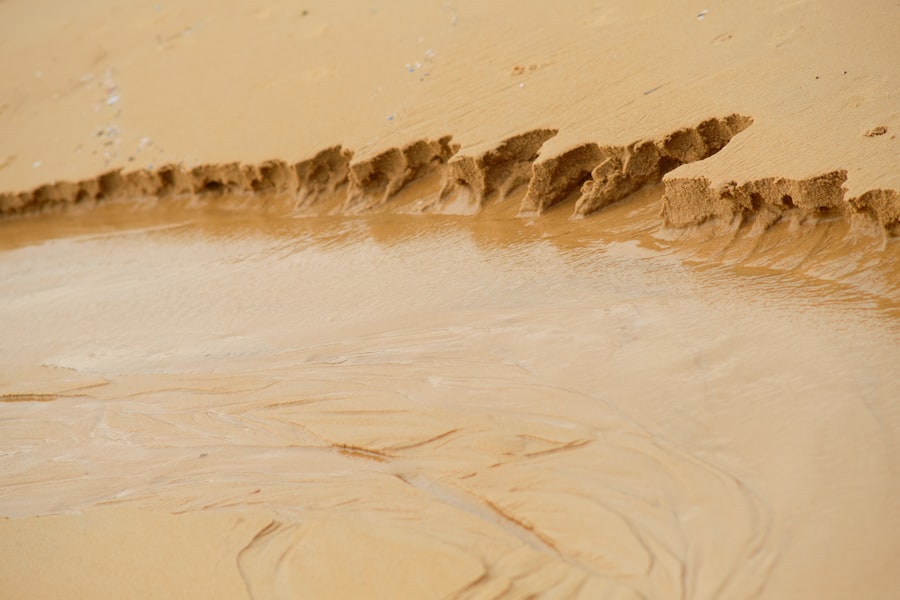
Coastal sediment movement can be categorized into several types, each driven by different natural forces and processes. One primary type is longshore drift, which occurs when waves approach the shore at an angle, causing sediments to be transported along the coastline. This process can lead to the formation of features such as spits and bars, which can alter navigation routes and affect local ecosystems.
Another significant type of sediment movement is erosion, where coastal landforms are worn away by wave action and currents. Erosion can lead to the loss of valuable land and habitats, posing risks to both human infrastructure and wildlife. Conversely, deposition occurs when sediments settle in calmer waters or onshore, creating new landforms and habitats.
Understanding these various types of sediment movement is crucial for predicting their impacts on coastal environments and human activities.
Impacts of Coastal Sediment Movement on Port Cities
The impacts of coastal sediment movement on port cities are multifaceted and can be both beneficial and detrimental. On one hand, sediment deposition can create new land areas that may be utilized for expansion or development. This can provide opportunities for economic growth and infrastructure development in port cities.
Additionally, the natural replenishment of beaches through sediment movement can enhance tourism and recreational activities, further contributing to local economies. On the other hand, excessive erosion can pose significant threats to port cities. As shorelines recede, critical infrastructure such as docks, warehouses, and transportation networks may be compromised.
This not only disrupts economic activities but also increases vulnerability to storm surges and flooding events. The delicate balance between erosion and deposition necessitates careful monitoring and management to ensure the long-term viability of port cities.
Economic Consequences of Sediment Movement
| Port City | Annual Sediment Deposition (million tons) | Primary Sediment Source | Impact on Navigation Channels | Mitigation Measures | Economic Impact (Annual) |
|---|---|---|---|---|---|
| New Orleans, USA | 120 | Mississippi River | Frequent dredging required | Dredging, sediment traps | High |
| Rotterdam, Netherlands | 45 | Rhine River | Moderate channel silting | Regular dredging, sediment management | Moderate |
| Shanghai, China | 85 | Yangtze River | Significant sediment accumulation | Dredging, river training works | High |
| Hamburg, Germany | 30 | Elbe River | Periodic channel maintenance | Dredging, sediment relocation | Moderate |
| Singapore | 10 | Coastal erosion and minor river input | Low sedimentation in port areas | Coastal protection, dredging | Low |
The economic consequences of sediment movement in port cities are profound and far-reaching. When sedimentation occurs in navigable channels or harbors, it can lead to increased maintenance costs for dredging operations. Port authorities must regularly remove accumulated sediments to ensure safe passage for vessels, which can strain budgets and divert resources from other critical areas.
Conversely, erosion can lead to significant financial losses as valuable land is lost to the sea. Property values may decline in areas prone to erosion, impacting local economies reliant on real estate and tourism. Furthermore, disruptions in shipping routes due to sediment-related issues can have cascading effects on supply chains, leading to delays and increased costs for businesses.
Thus, understanding the economic implications of sediment movement is essential for developing effective strategies to mitigate its impacts.
Environmental Consequences of Sediment Movement
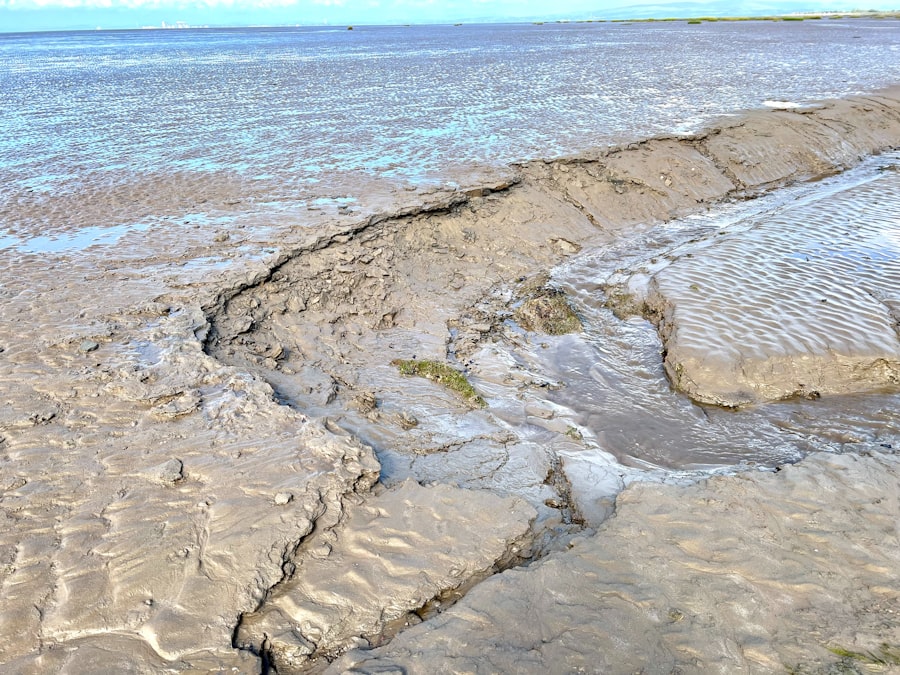
The environmental consequences of coastal sediment movement are equally significant. Sediment plays a crucial role in maintaining healthy ecosystems by providing nutrients and habitats for various marine species. However, excessive sedimentation can lead to problems such as algal blooms, which can deplete oxygen levels in water bodies and harm aquatic life.
Erosion also poses threats to coastal ecosystems by destroying habitats such as wetlands and dunes that serve as buffers against storms and flooding. The loss of these natural barriers can exacerbate the impacts of climate change, leading to increased vulnerability for both human communities and wildlife. Therefore, understanding the environmental ramifications of sediment movement is vital for developing strategies that promote ecological resilience alongside economic growth.
Strategies for Managing Coastal Sediment Movement
Effective management of coastal sediment movement requires a multifaceted approach that considers both natural processes and human activities. One strategy involves implementing sustainable coastal engineering practices that minimize disruption to natural sediment transport processes. For instance, constructing groins or jetties can help stabilize shorelines while allowing for natural sediment flow.
Additionally, regular monitoring of sediment dynamics is essential for informed decision-making. Utilizing advanced technologies such as remote sensing and geographic information systems (GIS) can provide valuable data on sediment movement patterns over time. This information can guide policymakers in developing adaptive management strategies that respond to changing conditions.
Community engagement also plays a crucial role in managing coastal sediment movement. Involving local stakeholders in decision-making processes fosters a sense of ownership and responsibility toward coastal resources.
Case Studies of Port Cities Affected by Sediment Movement
Several port cities around the world have experienced significant impacts from coastal sediment movement, providing valuable lessons for others facing similar challenges. For example, New Orleans has grappled with severe erosion due to both natural processes and human activities such as levee construction. The city’s vulnerability to flooding has prompted extensive efforts to restore wetlands and implement sustainable sediment management practices.
Dredging operations have been necessary to maintain navigability; however, these activities have raised concerns about their environmental impacts. In response, local authorities have explored innovative approaches such as beneficial reuse of dredged materials for habitat restoration projects.
These case studies highlight the importance of adaptive management strategies that consider local contexts while addressing broader issues related to coastal sediment movement.
Role of Government and Regulatory Agencies in Addressing Sediment Movement
Government bodies and regulatory agencies play a pivotal role in addressing the challenges posed by coastal sediment movement in port cities. These entities are responsible for establishing policies that govern land use, environmental protection, and resource management along coastlines. By implementing regulations that promote sustainable practices, governments can help mitigate the negative impacts of sediment movement on both ecosystems and human activities.
Furthermore, collaboration between different levels of government—federal, state, and local—is essential for effective management. Coordinated efforts can lead to comprehensive strategies that address the complexities of sediment dynamics while considering the needs of various stakeholders. Engaging with scientific communities and leveraging research findings can also enhance decision-making processes related to coastal management.
Future Challenges and Opportunities for Port Cities
As climate change continues to reshape coastal landscapes, port cities face a myriad of challenges related to sediment movement. Rising sea levels threaten to exacerbate erosion rates while altering sediment transport patterns. Additionally, increased storm intensity may lead to more frequent flooding events that disrupt economic activities.
However, these challenges also present opportunities for innovation and resilience-building within port cities. Embracing green infrastructure solutions—such as restoring natural habitats or implementing living shorelines—can enhance both ecological health and community resilience. Furthermore, investing in research and technology can provide valuable insights into sediment dynamics, enabling more effective management strategies.
Conclusion and Recommendations for Addressing Coastal Sediment Movement
In conclusion, coastal sediment movement is a critical factor influencing the health and sustainability of port cities worldwide. The interplay between natural processes and human activities necessitates a comprehensive understanding of sediment dynamics to inform effective management strategies. By recognizing the economic and environmental consequences associated with sediment movement, stakeholders can work collaboratively toward solutions that promote resilience.
Recommendations for addressing coastal sediment movement include investing in research initiatives that enhance understanding of local dynamics, implementing sustainable engineering practices that minimize disruption to natural processes, and fostering community engagement in decision-making processes. By taking proactive measures now, port cities can navigate the complexities of coastal sediment movement while safeguarding their economic vitality and environmental integrity for future generations.
Sediment movement plays a crucial role in the dynamics of port cities, influencing everything from navigation to coastal erosion. For a deeper understanding of how these processes affect urban development and infrastructure in maritime environments, you can read more in this related article on port cities and their challenges. Check it out here: