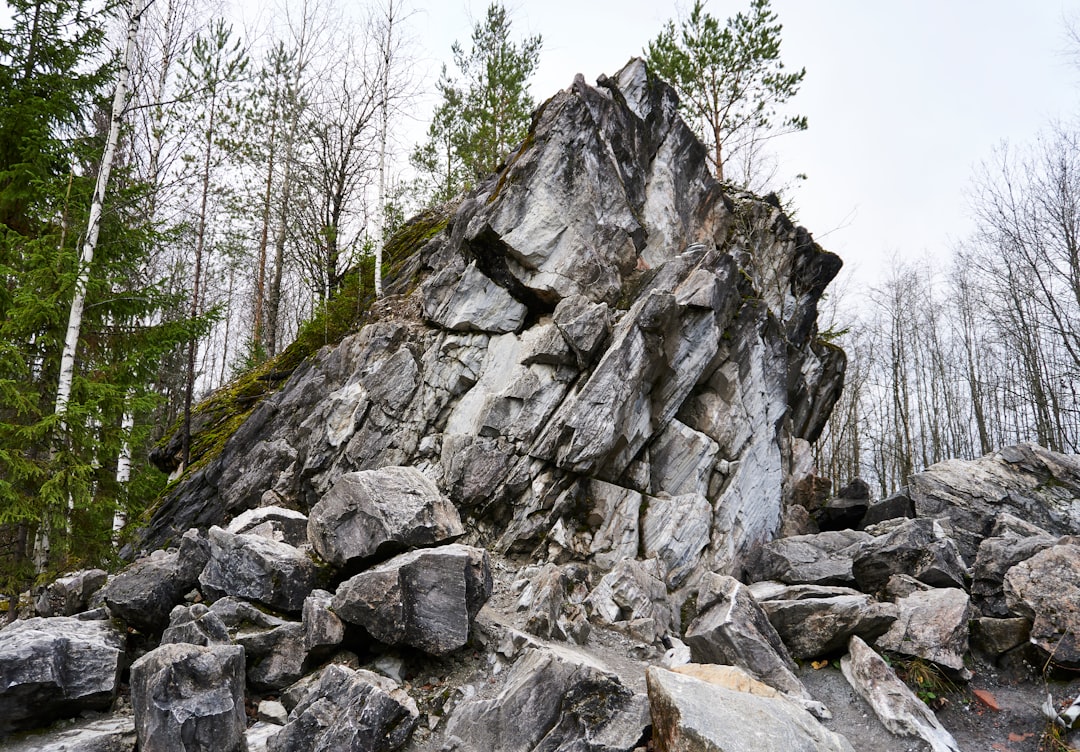
Concretions and geodes are two fascinating geological formations that capture the imagination of both scientists and enthusiasts alike. These natural wonders, often found in sedimentary rock layers, showcase the intricate processes of mineral deposition and crystallization. While they may appear similar at first glance, they possess distinct characteristics and formation processes that set them apart.
Concretions are typically compact masses of mineral matter that form around a nucleus, while geodes are hollow cavities lined with crystals, often revealing stunning displays of mineral beauty within. The allure of concretions and geodes lies not only in their aesthetic appeal but also in their geological significance. They provide valuable insights into the environmental conditions of the Earth during their formation.
By studying these formations, geologists can glean information about past climates, sedimentary processes, and even the presence of ancient life forms. As such, both concretions and geodes serve as important tools for understanding the Earth’s history and the dynamic processes that shape its surface.
Key Takeaways
- Concretions are solid, rounded masses of mineral matter found in sedimentary rock, while geodes are hollow, crystal-lined cavities within rock formations.
- Concretions form through the precipitation of minerals around a nucleus, such as a fossil or shell, while geodes form through the filling of cavities in rock with mineral-rich water.
- Concretions are typically hard and compact, with a variety of shapes and sizes, while geodes are often spherical and lined with crystals, such as quartz or amethyst.
- Concretions can provide valuable information about the sedimentary environment and the history of the rock formation, while geodes are prized for their aesthetic value and the crystals they contain.
- Concretions are commonly found in sedimentary rock formations, such as shale and limestone, while geodes are often found in volcanic rock formations and sedimentary deposits.
Formation Process of Concretions
The formation of concretions is a complex process that begins with the accumulation of sediment in a specific environment, such as riverbeds or ocean floors. Over time, minerals dissolved in water infiltrate the sediment, often precipitating around a nucleus, which can be anything from a fossil to a grain of sand. This process is known as mineral cementation, where minerals crystallize and bind the surrounding particles together.
As more minerals accumulate, the concretion grows in size, often taking on a rounded or irregular shape. One of the most intriguing aspects of concretions is their ability to form in various environments and under different conditions. For instance, some concretions may form in alkaline conditions, while others develop in acidic environments.
The mineral composition of the surrounding sediment also plays a crucial role in determining the final appearance of the concretion. Common minerals found in concretions include calcite, iron oxide, and silica, each contributing to the unique colors and textures observed in these geological formations.
Formation Process of Geodes
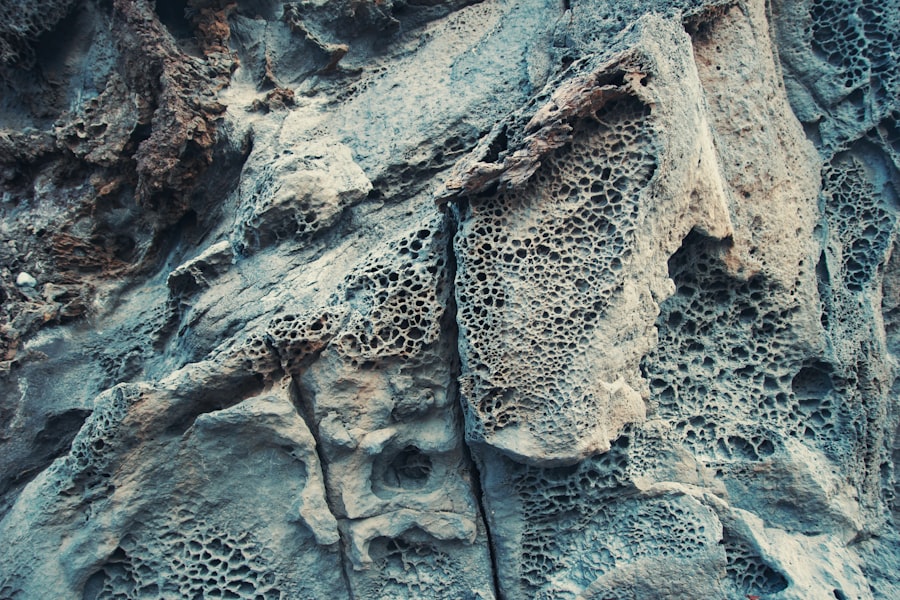
Geodes, on the other hand, undergo a different formation process that begins with the creation of a hollow cavity within a rock. This cavity can form through various means, such as volcanic activity or the dissolution of limestone by acidic water. Once a cavity is established, mineral-rich water seeps into it over time.
As the water evaporates or cools, minerals begin to crystallize on the walls of the cavity, gradually forming stunning crystal structures. The types of minerals that crystallize within geodes can vary widely, leading to an array of colors and forms. Common minerals found in geodes include quartz, amethyst, and calcite.
The result is often a breathtaking display of natural beauty that captivates collectors and geologists alike.
Physical Characteristics of Concretions
| Concretion | Size | Shape | Color |
|---|---|---|---|
| Concretion 1 | 10 cm | Spherical | Brown |
| Concretion 2 | 15 cm | Ovoid | Grey |
| Concretion 3 | 8 cm | Irregular | Red |
Concretions exhibit a range of physical characteristics that make them unique among geological formations. Typically, they are compact and dense, often appearing as rounded or irregularly shaped masses embedded within sedimentary rock. Their surfaces can be smooth or rough, depending on the mineral composition and the environment in which they formed.
The colors of concretions can vary widely, from earthy browns and grays to vibrant reds and yellows, influenced by the minerals present during their formation. One notable feature of concretions is their ability to weather differently than the surrounding rock. As erosion occurs, concretions may become exposed while the softer sedimentary material around them erodes away.
This can lead to fascinating formations where concretions stand out prominently against their surroundings. Additionally, some concretions may exhibit unique patterns or textures on their surfaces, providing further clues about their formation history.
Physical Characteristics of Geodes
Geodes are renowned for their striking physical characteristics, particularly their hollow interiors lined with crystals. The outer shell of a geode is typically composed of a hard mineral layer, which can vary in thickness and texture. The exterior may appear unremarkable at first glance, often resembling ordinary rocks or nodules.
However, upon breaking open a geode, one is often greeted with a dazzling array of crystals that can range from clear quartz to vibrant amethyst. The size and shape of geodes can vary significantly; some may be small enough to fit in the palm of a hand, while others can be several feet in diameter. The crystals within can also differ in size and arrangement, creating intricate patterns that reflect the conditions under which they formed.
The interplay of light on these crystals adds to their allure, making geodes highly sought after by collectors and enthusiasts who appreciate their natural beauty.
Geological Significance of Concretions
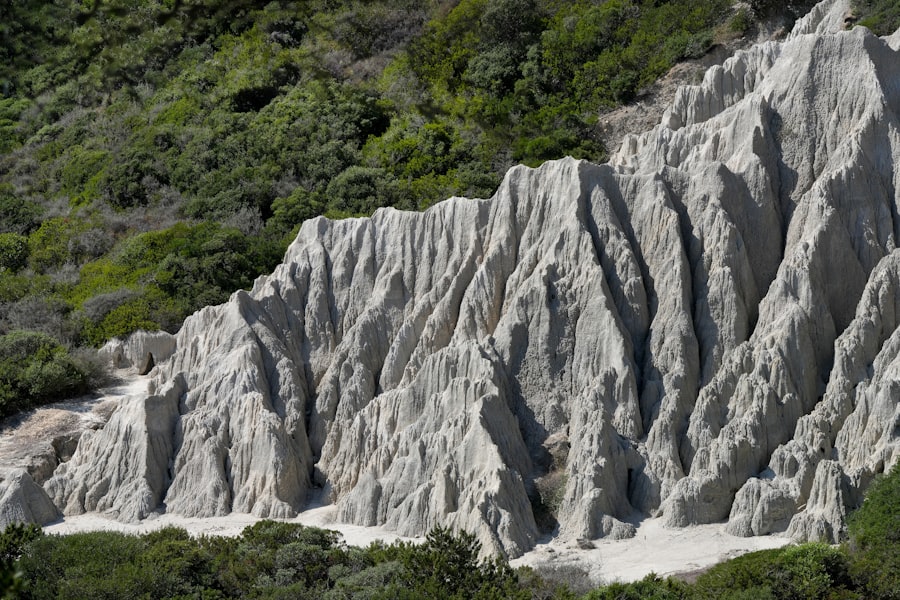
Concretions hold considerable geological significance as they provide insights into sedimentary processes and past environmental conditions. Their formation often indicates specific conditions such as changes in water chemistry or sedimentation rates. By studying concretions, geologists can reconstruct ancient environments and understand how they have evolved over time.
For instance, the presence of certain types of concretions can suggest past marine conditions or indicate areas where organic material was abundant. Moreover, concretions can serve as indicators of fossilized remains. Many fossils are found encased within concretions, preserved by the mineral cementation process that formed them.
This preservation allows scientists to study ancient life forms and their interactions with their environments. As such, concretions are not merely geological curiosities; they are vital records of Earth’s history that contribute to our understanding of paleontology and sedimentology.
Geological Significance of Geodes
Geodes also play an important role in geological studies due to their unique formation processes and mineral compositions. They provide valuable information about the conditions under which they formed, including temperature, pressure, and chemical environments. By analyzing the minerals found within geodes, geologists can gain insights into past volcanic activity or hydrothermal processes that shaped the Earth’s crust.
Additionally, geodes can serve as indicators of mineral deposits in an area. The presence of certain types of geodes may suggest nearby mineral resources or guide exploration efforts for valuable minerals such as quartz or calcite. As such, geodes are not only beautiful specimens for collectors but also significant markers for understanding geological processes and resource distribution.
Common Locations for Finding Concretions
Concretions can be found in various geological settings around the world, often associated with sedimentary rock formations. One common location for finding concretions is along riverbanks or coastal areas where sediment has accumulated over time. In these environments, the conditions are ripe for mineral cementation to occur, leading to the formation of concretions embedded within layers of sediment.
Another notable location for finding concretions is within certain types of sedimentary rock formations known for their rich fossil content. For example, the famous “fossil beds” found in places like Montana or Wyoming often yield concretions containing well-preserved fossils. These areas provide ideal conditions for concretion formation due to the abundance of organic material and suitable mineral content in the surrounding sediments.
Common Locations for Finding Geodes
Geodes are typically found in volcanic or sedimentary rock formations where cavities have formed over time. One well-known location for geode hunting is the state of Iowa in the United States, particularly in areas like Keokuk where geodes are abundant in limestone deposits. These geodes often contain stunning quartz crystals and are highly sought after by collectors.
Another prominent location for finding geodes is in parts of Brazil and Uruguay, where large amethyst geodes have been discovered within volcanic rock formations. These regions are famous for producing some of the largest and most beautiful geodes in the world, attracting gem enthusiasts from all corners of the globe. The unique geological conditions present in these areas contribute to the formation of spectacular crystal-lined cavities that continue to captivate those who seek them out.
Practical Uses of Concretions
Beyond their aesthetic appeal and geological significance, concretions have practical uses that extend into various fields. In construction and landscaping, certain types of concretions can be utilized as decorative stones or aggregates due to their durability and unique colors. Their natural beauty makes them an attractive choice for garden features or pathways.
In addition to construction uses, concretions have also been studied for their potential applications in environmental science.
This research could lead to innovative methods for monitoring environmental changes and assessing ecosystem health.
Practical Uses of Geodes
Geodes are not only prized by collectors but also have practical applications in various industries. One notable use is in jewelry making; polished slices of geodes reveal stunning crystal patterns that are highly sought after for necklaces, earrings, and other adornments. The unique beauty of each geode slice makes it a popular choice among artisans looking to create one-of-a-kind pieces.
Furthermore, geodes have applications in education and research settings. They serve as excellent teaching tools for geology students learning about mineralogy and crystallography. By examining geodes firsthand, students can gain a deeper understanding of crystal formation processes and mineral properties.
Additionally, researchers may study geodes to explore new materials or investigate geological phenomena related to crystallization processes. In conclusion, both concretions and geodes represent remarkable aspects of Earth’s geological history and processes. Their unique formation methods, physical characteristics, and practical applications make them significant not only for scientific study but also for artistic expression and environmental monitoring.
As individuals continue to explore these natural wonders, they contribute to a greater appreciation for the intricate workings of our planet’s geology.
In exploring the fascinating differences between concretion and geode formation, one can gain deeper insights into the geological processes that shape our planet. For a more comprehensive understanding of these formations, you can refer to the article available on the Real Lore and Order website, which delves into various geological phenomena. Check it out here: Real Lore and Order.
WATCH THIS! Why 99% of History Is Wrong (The Ooparts That Prove It)
FAQs
What is concretion formation?
Concretion formation is the process by which mineral matter precipitates within the pore spaces of sedimentary rocks, forming a distinct, rounded mass.
What is geode formation?
Geode formation occurs when mineral matter precipitates within a hollow cavity of a rock, often resulting in a spherical shape with a hollow interior lined with crystals.
What causes concretion formation?
Concretion formation is typically caused by the precipitation of minerals from groundwater as it flows through sedimentary rocks, often around a nucleus such as a fossil or shell fragment.
What causes geode formation?
Geode formation is often caused by the deposition of minerals from groundwater within a hollow cavity of a rock, such as a gas bubble or a void left by a decomposed organism.
What are the differences between concretion and geode formation?
The main difference between concretion and geode formation lies in the presence of a hollow interior. Concretions are solid, rounded masses, while geodes have a hollow cavity lined with crystals.
Where are concretions and geodes commonly found?
Concretions are commonly found in sedimentary rocks, such as sandstone and shale, while geodes are often found in volcanic rocks, limestone, and other formations with hollow cavities.
What are the uses of concretions and geodes?
Concretions and geodes are often prized for their aesthetic value and are used as decorative items, jewelry, and in crystal healing practices. They also have scientific value in studying the geological processes that formed them.