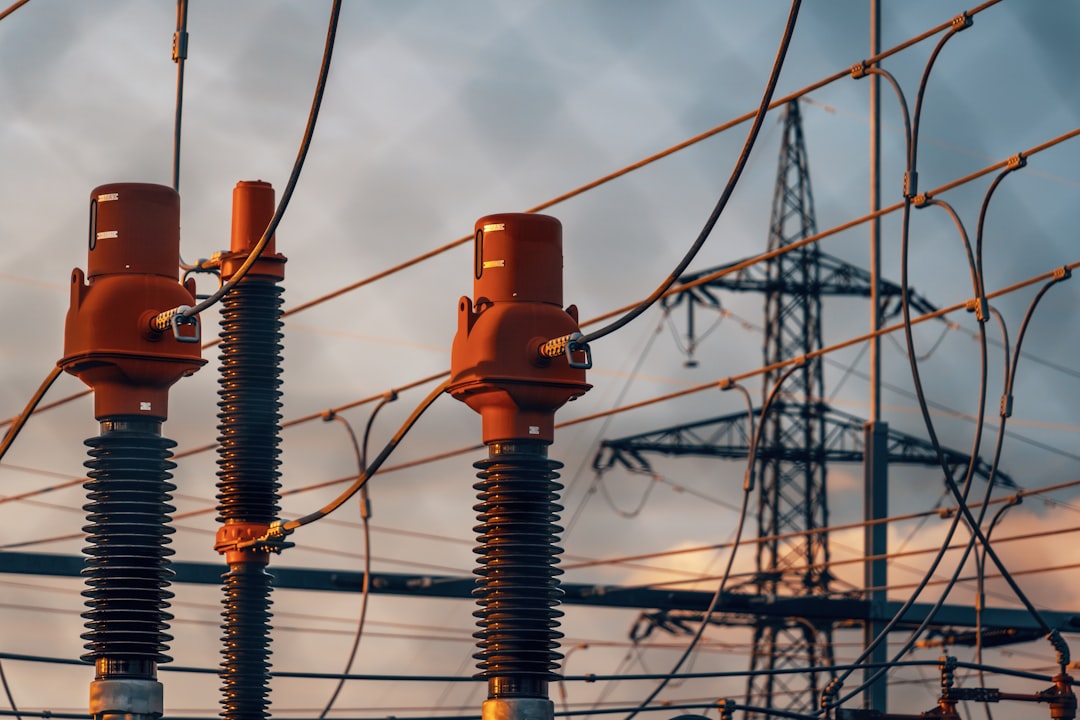
The global push for electrification, a cornerstone of decarbonization efforts and a pathway to sustainable energy, faces a significant bottleneck: a looming deficit in copper supply. This article explores the multifaceted impact of this potential copper shortfall on electrification initiatives, from renewable energy infrastructure to electric vehicle adoption, and examines the economic and geopolitical ramifications.
Copper, with its exceptional electrical and thermal conductivity, ductility, and corrosion resistance, has earned its moniker as the “metal of electrification.” Its ubiquity across the electrical landscape is not coincidental; it is a fundamental ingredient crucial for virtually every aspect of modern power systems.
High Electrical Conductivity
Copper’s atomic structure, characterized by a single free electron in its outermost shell, allows for exceptionally efficient electron flow. This inherent property makes it the material of choice for:
- Transmission Lines: High-voltage alternating current (HVAC) and high-voltage direct current (HVDC) lines, the backbone of national and international grids, rely heavily on copper for minimizing energy losses during long-distance transmission.
- Distribution Networks: From substations to individual homes and businesses, copper wires and cables ensure reliable and efficient power delivery within localized grids.
Thermal Conductivity and Heat Dissipation
Beyond electrical conduction, copper excels in thermal conductivity, a critical characteristic for components that generate heat during operation.
- Transformers: The windings in transformers, essential for stepping up or stepping down voltage, are predominantly made of copper to efficiently dissipate heat generated by electrical resistance, preventing premature failure and ensuring optimal performance.
- Motors and Generators: Electric motors and generators, fundamental to industrial processes and renewable energy systems, utilize copper windings to manage heat and maximize power output.
Ductility and Malleability
Copper’s malleability allows it to be drawn into fine wires and its ductility permits it to be shaped into complex components without fracturing. This versatility is crucial for manufacturing:
- Microelectronic Components: From printed circuit boards (PCBs) to integrated circuits (ICs), copper’s ability to be precisely formed enables miniaturization and functionality in a vast array of electronic devices.
- Complex Cable Designs: The flexibility of copper facilitates the creation of intricate cable designs, essential for the diverse requirements of modern electrical systems, including those in confined spaces or subject to repetitive movement.
Corrosion Resistance
Copper’s natural patina, a protective oxide layer that forms on its surface, offers excellent resistance to corrosion, particularly in various atmospheric conditions. This attribute contributes to:
- Longevity of Infrastructure: Copper components in outdoor applications, such as overhead lines and grounding systems, maintain their integrity and performance over extended periods, reducing maintenance costs and ensuring grid reliability.
- Subterranean Installations: In underground cabling and other buried applications, copper’s resistance to soil corrosion is a significant advantage, preventing degradation and maintaining conductivity.
The growing concern over the copper deficit has significant implications for electrification efforts worldwide, particularly as industries strive to transition to renewable energy sources. A related article that delves into this issue can be found at Real Lore and Order, where it discusses how the scarcity of copper may hinder advancements in electric vehicle production and renewable energy infrastructure. This highlights the urgent need for innovative solutions to address the copper supply chain challenges in order to support a sustainable electrification future.
The Escalating Demand for Copper
The imperative to transition away from fossil fuels has ignited a surge in demand for copper, transforming it from a mere industrial commodity into a strategic resource. The electrification of everything, from transportation to energy generation, is the primary driver.
Renewable Energy Infrastructure
The construction of renewable energy generation facilities and their integration into the grid are highly copper-intensive.
- Wind Turbines: Each wind turbine contains several tons of copper, primarily in its generator, power cables, and transformer. Larger, more powerful turbines require proportionally more copper.
- Solar Photovoltaic (PV) Systems: Copper is essential for the wiring within solar panels, inverter systems, and the sophisticated grid connections that allow solar arrays to feed electricity into the network.
- Energy Storage Systems: While the active materials in batteries vary, copper is invariably used for current collectors and wiring within battery packs, particularly in large-scale grid storage solutions.
Electric Vehicles (EVs) and Charging Infrastructure
The automotive industry’s pivot towards electric vehicles represents a substantial new source of copper demand.
- EV Manufacturing: A conventional internal combustion engine (ICE) vehicle typically contains around 20-30 kg of copper. An electric vehicle, depending on its size and battery capacity, can contain 80-120 kg or even more. This dramatic increase is due to the larger electric motors, extensive wiring for the high-voltage systems, and the battery pack itself.
- Charging Stations: Both AC and DC fast-charging stations require significant amounts of copper for their internal wiring, transformers, and the cables that connect to the vehicles. The expansion of charging networks, a prerequisite for widespread EV adoption, directly translates into increased copper demand.
Grid Modernization and Expansion
The existing electrical grid, designed primarily for centralized fossil fuel power generation, is undergoing a transformation to accommodate distributed renewable energy sources and manage increasing demand.
- Smart Grids: The implementation of smart grid technologies, which involve advanced sensors, communication networks, and automated control systems, frequently relies on copper cabling for data transmission and power distribution.
- Grid Interconnections: To balance intermittent renewable energy generation, stronger and more extensive regional and international grid interconnections, often utilizing HVDC lines, are indispensable, all of which are heavy consumers of copper.
- Urban Electrification: As populations grow and urban centers expand, the demand for electricity within cities intensifies. This necessitates upgrades to existing distribution networks and the construction of new infrastructure, both of which require substantial copper investment.
The Looming Supply Gap
Despite increasing demand, the supply side of the copper equation faces notable hurdles, creating a substantial projected deficit. Multiple factors contribute to this impending chasm between availability and need.
Depleting Ore Grades
Historically, copper was extracted from relatively high-grade ore bodies. However, these easily accessible deposits are diminishing, forcing mining companies to exploit lower-grade ores. This has several implications:
- Increased Energy Consumption: Extracting copper from lower-grade ores requires processing significantly larger volumes of rock, leading to higher energy consumption per unit of copper produced. This, paradoxically, impacts the environmental footprint of copper mining even as it supports green technologies.
- Higher Production Costs: The increased energy and processing requirements translate into higher operational costs for mining companies, which are ultimately passed on to consumers.
Environmental and Regulatory Hurdles
Mining operations are increasingly scrutinized for their environmental impact, leading to more stringent regulations and longer permitting processes.
- Social License to Operate: Communities located near proposed or existing mines are increasingly vocal about the environmental and social impacts, including water usage, land disruption, and waste management. Gaining and maintaining a “social license to operate” is a growing challenge for mining companies.
- Permitting Delays: The process of obtaining environmental permits and approvals for new mining projects can be lengthy, often spanning a decade or more. This significantly delays the bringing of new supply online.
Geopolitical Instability and Resource Nationalism
A significant portion of global copper reserves is concentrated in a few politically sensitive regions, notably Chile and Peru.
- Supply Chain Vulnerability: Dependence on a limited number of countries for a critical resource creates supply chain vulnerabilities. Political unrest, changes in government policy, or labor disputes in these key nations can have amplified effects on global copper markets.
- Taxation and Royalties: Governments in resource-rich nations are increasingly imposing higher taxes and royalties on mining companies, seeking a larger share of the profits from their natural resources. While justifiable from a national perspective, this can deter investment in new projects if returns are perceived as insufficient.
Long Lead Times for New Mines
Developing a new copper mine, from initial exploration to full-scale production, is a capital-intensive and time-consuming undertaking.
- Exploration and Discovery: Identifying viable new copper deposits is a complex and often fruitless endeavor.
- Infrastructure Development: New mines typically require significant investment in supporting infrastructure, including roads, power, water pipelines, and port facilities.
- Financing Challenges: Securing the substantial capital investment required for large-scale mining projects can be challenging, especially in the face of fluctuating commodity prices and perceived risks.
Economic and Geopolitical Ramifications
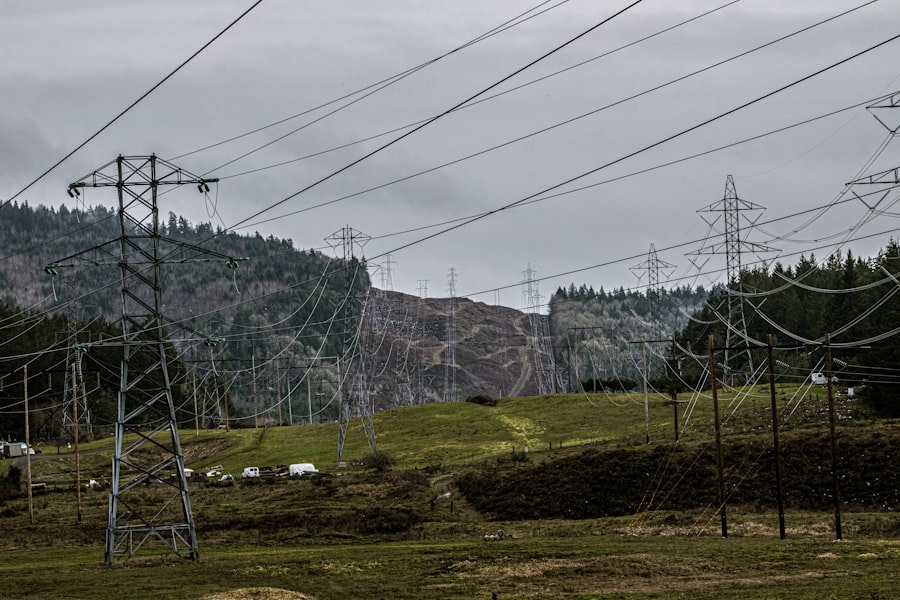
A significant copper deficit will not merely be an inconvenience; it will act as a brake on global electrification efforts, with far-reaching economic and geopolitical consequences.
Slower Electrification Pace and Increased Costs
The most immediate impact will be a deceleration of the transition to a clean energy economy.
- Project Delays: Shortages of copper will inevitably lead to project delays across the renewable energy sector, from wind farm construction to grid upgrades.
- Higher Capital Expenditures: The increased cost of copper will translate directly into higher capital expenditures for installing renewable energy infrastructure, manufacturing EVs, and modernizing grids. This could make green technologies less competitive against traditional fossil fuel alternatives, at least in the short to medium term.
- Inflationary Pressures: A sustained rise in copper prices, driven by scarcity, will contribute to broader inflationary pressures across various industries, impacting consumer purchasing power and economic stability.
Strategic Competition and Resource Security
Copper could become a focal point of strategic competition between nations.
- Resource Nationalism Intensified: Countries with significant copper reserves may exert greater control over their exports, potentially using them as leverage in international relations.
- Supply Chain Militarization (Metaphor): Nations might metaphorically “militarize” their supply chains for critical minerals, including copper, by seeking long-term agreements, investing directly in mining operations abroad, or even using geopolitical influence to secure access.
- Innovation in Substitution and Recycling: The imperative to reduce demand for newly mined copper will accelerate innovation in material science, focusing on finding viable substitutes for some copper applications and significantly enhancing copper recycling capabilities.
Trade Imbalances and Economic Disruption
Nations heavily reliant on copper imports will face trade imbalances and potential economic disruptions.
- Vulnerability to Price Volatility: Countries without domestic copper production will be exposed to extreme price volatility, impacting their industrial base and ability to implement electrification policies.
- Shifting Manufacturing Landscapes: The scarcity and high cost of copper could influence the geographic distribution of manufacturing, potentially favoring regions with easier access to the mineral or advanced recycling infrastructure.
The ongoing copper deficit poses significant challenges for the electrification of various sectors, particularly in renewable energy and electric vehicles. As demand for copper surges due to its essential role in electrical wiring and components, the supply constraints could hinder progress towards sustainable energy goals. For a deeper understanding of how this copper shortage could impact electrification efforts, you can read more in this insightful article on the topic. The implications of these developments are critical for policymakers and industry leaders alike, as they navigate the complexities of transitioning to a greener economy. To explore further, visit this article.
Mitigating the Copper Deficit
| Metric | Value | Unit | Impact Description |
|---|---|---|---|
| Global Copper Demand Increase | 4.5 | Million Metric Tons (MMT) | Additional copper required by 2030 due to electrification efforts |
| Current Copper Production | 20 | MMT/year | Annual global copper production capacity |
| Projected Copper Deficit | 1.2 | MMT/year | Estimated shortfall in copper supply by 2030 impacting electrification projects |
| Electrification Copper Intensity | 1.5 | kg copper per kW installed | Copper required per kilowatt of electrification capacity |
| Impact on EV Production | 15% | Percentage | Potential reduction in electric vehicle production due to copper shortage |
| Renewable Energy Project Delays | 20% | Percentage | Estimated delay in renewable energy installations caused by copper deficit |
| Price Increase in Copper | 30 | Percent | Expected price rise due to supply-demand imbalance |
| Recycling Contribution | 35 | Percent | Share of copper supply from recycling to mitigate deficit |
Addressing the impending copper deficit requires a multi-pronged approach encompassing technological innovation, policy interventions, and a fundamental shift in resource management.
Enhanced Recycling Efforts
Recycling copper is significantly less energy-intensive and environmentally impactful than primary mining.
- Circular Economy Principles: Embracing a circular economy model, where materials are kept in use for as long as possible, is crucial. This involves better collection systems, advanced sorting technologies, and improved reprocessing facilities.
- “Urban Mining”: Extracting copper from end-of-life products and waste streams—dubbed “urban mining”—will become increasingly vital. This requires robust infrastructure for dismantling complex electronic devices and appliances.
Technological Innovation and Substitution
While copper’s properties are difficult to replicate, research into alternative materials and more efficient designs is essential.
- Aluminum for Select Applications: For some applications, particularly in transmission lines, aluminum can serve as a substitute for copper. However, aluminum has lower conductivity, requiring thicker cables, and presents different challenges in terms of connection and corrosion.
- Carbon Nanotubes and Graphene (Futuristic Prospects): Long-term research into novel materials like carbon nanotubes or graphene for electrical conduction offers exciting, albeit distant, possibilities. These materials possess exceptional strength and conductivity, but their industrial-scale production and integration into existing systems are still in nascent stages.
- Optimized Design and Miniaturization: Continuing efforts to optimize the design of electrical components, motors, and systems to use less copper without sacrificing efficiency is a constant area of innovation.
Investment in New Mining Projects
Despite the challenges, new copper mines will be necessary to meet projected demand.
- Responsible Mining Practices: Future mining investments must prioritize environmental sustainability, social responsibility, and ethical labor practices. This includes measures for biodiversity protection, water stewardship, and community engagement.
- Governmental Support and Streamlined Permitting: Governments can play a crucial role by providing clear regulatory frameworks, streamlining permitting processes, and offering incentives for responsible exploration and development of new copper deposits.
Global Cooperation and Strategic Stockpiling
International collaboration and strategic resource management will be vital.
- Dialogue Between Producing and Consuming Nations: Establishing robust dialogue between major copper-producing and consuming nations can help anticipate and manage supply-demand imbalances.
- Strategic Reserves: Nations may consider establishing strategic reserves of critical minerals like copper, akin to oil reserves, to cushion against short-term supply disruptions.
In conclusion, the path to a fully electrified world, while essential for climate action, is paved with copper. The growing gap between supply and demand presents a formidable challenge, akin to a potential “choke point” in the global energy transition. Addressing this deficit requires concerted global effort, a commitment to sustainable practices, and strategic foresight to ensure that the ambition of electrification is not curtailed by a lack of its most fundamental building block. The world must recognize copper not just as a commodity, but as a strategic enabler of a sustainable future.
FAQs
What is copper deficit and how does it affect electrification?
Copper deficit refers to a shortage in the supply of copper relative to demand. Since copper is a critical material used in electrical wiring and components, a deficit can slow down or increase the cost of electrification projects, impacting infrastructure development and the expansion of electrical grids.
Why is copper important for electrification?
Copper is highly conductive, durable, and resistant to corrosion, making it ideal for electrical wiring, motors, transformers, and other components essential for transmitting and distributing electricity efficiently and safely.
What are the main causes of the current copper deficit?
The copper deficit is primarily caused by increased demand from growing electrification efforts, limited new mining capacity, supply chain disruptions, and geopolitical factors affecting copper production and trade.
How does a copper deficit impact the cost of electrification projects?
A copper deficit typically leads to higher copper prices, which increases the overall cost of materials for electrification projects. This can result in delayed project timelines, reduced scope, or higher costs passed on to consumers.
What measures can be taken to mitigate the impact of copper deficit on electrification?
Mitigation strategies include investing in copper recycling, developing alternative materials, improving mining efficiency, diversifying supply sources, and promoting policies that encourage sustainable copper use and supply chain resilience.