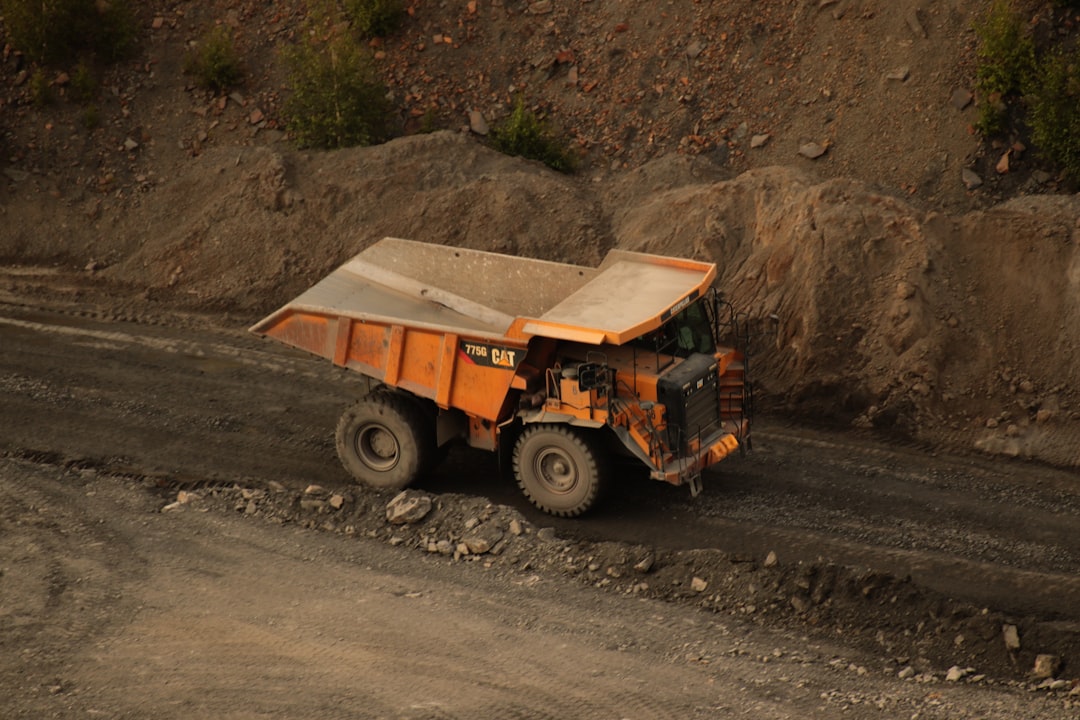
Copper mining has long been a cornerstone of Africa’s economic landscape, with the continent being home to some of the world’s richest copper deposits. Countries such as Zambia and the Democratic Republic of the Congo (DRC) have established themselves as key players in the global copper market, contributing significantly to both regional and international supply chains. The allure of copper lies not only in its essential role in electrical wiring and electronics but also in its increasing demand driven by the green energy transition, which emphasizes renewable energy technologies and electric vehicles.
As such, copper mining in Africa is not merely an economic activity; it is a vital component of the continent’s development strategy. The historical context of copper mining in Africa reveals a complex interplay of colonial exploitation, economic dependency, and recent efforts toward sustainable development. Over the decades, various nations have sought to harness their mineral wealth to foster economic growth and improve living standards.
However, the journey has been fraught with challenges, including fluctuating global prices, political instability, and environmental concerns. As the world pivots towards a more sustainable future, the role of copper mining in Africa is poised for transformation, presenting both opportunities and challenges that require careful navigation.
Key Takeaways
- Africa holds significant potential for copper mining investment due to its rich mineral resources and growing demand.
- Emerging trends include increased foreign investment, adoption of advanced mining technologies, and focus on sustainable practices.
- Key opportunities lie in untapped reserves, infrastructure development, and favorable government policies in certain countries.
- Challenges include regulatory uncertainties, environmental concerns, and social impacts affecting mining operations.
- Successful investment strategies emphasize collaboration with local communities, compliance with regulations, and leveraging technological innovations.
Current State of Copper Mining Investment in Africa
The current state of copper mining investment in Africa reflects a dynamic landscape characterized by both optimism and caution. In recent years, there has been a noticeable uptick in foreign direct investment (FDI) in the sector, driven by rising global copper prices and increasing demand from emerging markets. Countries like Zambia and the DRC have attracted significant investments from multinational corporations seeking to capitalize on their vast mineral resources.
This influx of capital has led to the expansion of existing mines and the development of new projects, thereby enhancing production capacities. However, despite these positive trends, the investment climate is not without its challenges. Political instability, regulatory uncertainties, and infrastructure deficits continue to pose significant risks for investors.
For instance, Zambia has faced economic difficulties that have led to changes in mining taxation policies, creating an unpredictable environment for foreign investors. Similarly, the DRC’s complex regulatory framework can deter potential investments despite its rich mineral endowment. As such, while the current state of copper mining investment in Africa shows promise, it is essential for stakeholders to remain vigilant and adaptable to the evolving landscape.
Emerging Trends in Copper Mining Investment
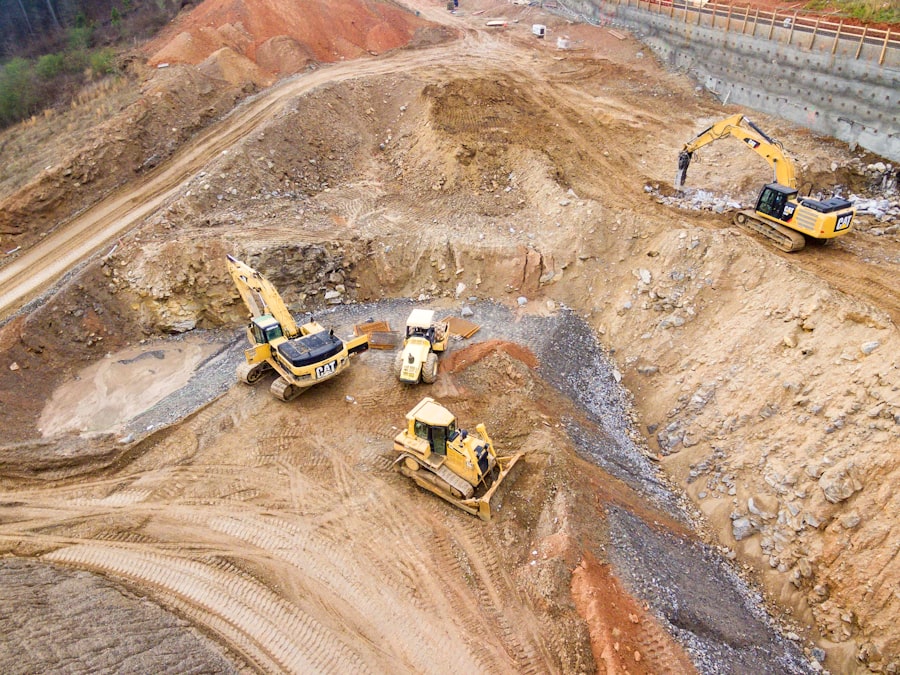
Emerging trends in copper mining investment highlight a shift towards sustainability and technological innovation. Investors are increasingly prioritizing projects that align with environmental, social, and governance (ESG) criteria, reflecting a broader global movement towards responsible investing. This trend is particularly relevant in Africa, where communities are often directly impacted by mining activities.
Companies that demonstrate a commitment to sustainable practices are likely to attract more investment as stakeholders seek to mitigate risks associated with environmental degradation and social unrest. Additionally, technological advancements are reshaping the copper mining sector. The adoption of automation, artificial intelligence, and data analytics is enhancing operational efficiency and reducing costs.
For instance, companies are utilizing drones for surveying and monitoring operations, while predictive maintenance technologies are minimizing downtime and optimizing resource allocation. These innovations not only improve productivity but also contribute to safer working conditions for miners.
Opportunities for Copper Mining Investment in Africa
| Country | Estimated Copper Reserves (Metric Tons) | Annual Copper Production (Metric Tons) | Investment Climate | Key Mining Projects | Infrastructure Development |
|---|---|---|---|---|---|
| Democratic Republic of Congo (DRC) | 70,000,000 | 1,200,000 | High potential, political risks | Kamoa-Kakula, Tenke Fungurume | Ongoing rail and port upgrades |
| Zambia | 20,000,000 | 800,000 | Stable, mining-friendly policies | Kansanshi, Lumwana | Improved road networks and power supply |
| Namibia | 1,500,000 | 50,000 | Favorable, transparent regulations | Otjihase, Tschudi | Good port facilities and power infrastructure |
| Morocco | 500,000 | 20,000 | Growing sector, government support | Bouskour | Developing transport and energy sectors |
| South Africa | 2,000,000 | 100,000 | Established mining industry | Palabora | Advanced infrastructure and logistics |
The opportunities for copper mining investment in Africa are vast and varied, driven by both resource availability and market demand. With some of the largest untapped copper reserves globally, countries like Zambia and the DRC present significant potential for exploration and development. The growing global emphasis on renewable energy sources further amplifies this potential, as copper is a critical component in solar panels, wind turbines, and electric vehicles.
As nations strive to meet their climate goals, the demand for copper is expected to surge, positioning Africa as a key supplier in the global market. Moreover, regional initiatives aimed at improving infrastructure and governance are creating a more conducive environment for investment. The African Union’s Agenda 2063 emphasizes industrialization and economic diversification, which includes enhancing the mining sector’s contribution to national economies.
Additionally, partnerships between governments and private investors are fostering collaborative approaches to resource management and community engagement. These developments not only enhance investor confidence but also create opportunities for local businesses to participate in the supply chain, thereby promoting inclusive economic growth.
Challenges in Copper Mining Investment in Africa
Despite the promising opportunities, several challenges persist that could hinder copper mining investment in Africa. One of the most pressing issues is the regulatory environment, which can be inconsistent and unpredictable. Changes in government policies regarding taxation, land rights, and environmental regulations can create uncertainty for investors.
For example, Zambia’s recent shifts in mining tax regimes have raised concerns among foreign investors about the long-term viability of their operations. Additionally, infrastructure deficits pose significant challenges for mining companies operating in remote areas. Poor transportation networks can impede access to markets and increase operational costs.
Furthermore, energy shortages remain a critical issue in many African countries, affecting production efficiency and profitability. Addressing these challenges requires concerted efforts from both governments and private sector stakeholders to create a stable and supportive investment climate.
Government Policies and Regulations Impacting Copper Mining Investment
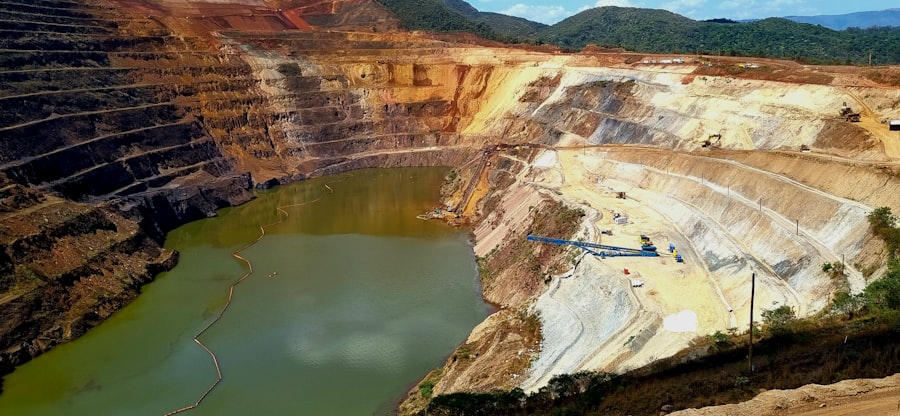
Government policies and regulations play a pivotal role in shaping the landscape of copper mining investment in Africa. Policymakers must strike a delicate balance between attracting foreign investment and ensuring that local communities benefit from resource extraction. In recent years, many African governments have implemented reforms aimed at enhancing transparency and accountability within the mining sector.
These reforms often include measures to improve licensing processes, strengthen environmental regulations, and promote local content requirements. However, inconsistencies in policy implementation can undermine investor confidence. For instance, sudden changes in tax laws or regulatory frameworks can create an unpredictable environment that deters potential investors.
Moreover, issues related to land rights and community engagement remain contentious topics that require careful consideration by policymakers. By fostering a stable regulatory environment that prioritizes both economic growth and social responsibility, governments can create a more attractive landscape for copper mining investment.
Environmental and Social Considerations in Copper Mining Investment
Environmental and social considerations are increasingly at the forefront of discussions surrounding copper mining investment in Africa. The extraction of copper often comes with significant environmental impacts, including deforestation, water pollution, and habitat destruction. As global awareness of climate change intensifies, investors are under pressure to adopt sustainable practices that minimize their ecological footprint.
This shift towards sustainability is not only a moral imperative but also a business necessity as consumers demand more environmentally responsible products. Social considerations are equally important, as mining activities can profoundly affect local communities. Issues such as displacement, labor rights, and community health must be addressed to ensure that mining operations contribute positively to societal well-being.
Companies that engage with local communities through dialogue and collaboration are more likely to build trust and secure their social license to operate. By prioritizing environmental stewardship and social responsibility, investors can enhance their reputation while contributing to sustainable development goals.
Technological Advancements in Copper Mining
Technological advancements are revolutionizing the copper mining industry in Africa, offering new avenues for efficiency and sustainability. Innovations such as automation and robotics are transforming traditional mining practices by reducing labor costs and enhancing safety measures. For instance, autonomous trucks are being deployed in some mines to transport ore more efficiently while minimizing human exposure to hazardous conditions.
Moreover, data analytics is playing a crucial role in optimizing operations throughout the mining lifecycle. By leveraging big data, companies can make informed decisions regarding resource allocation, predictive maintenance, and supply chain management. These technological advancements not only improve productivity but also contribute to more sustainable practices by reducing waste and energy consumption.
As technology continues to evolve, it will undoubtedly shape the future of copper mining investment in Africa.
Investment Strategies for Copper Mining in Africa
Developing effective investment strategies is essential for navigating the complexities of copper mining in Africa. Investors must conduct thorough due diligence to assess potential risks associated with political instability, regulatory changes, and market fluctuations. Diversification is a key strategy that can help mitigate risks; by investing across different regions or projects within the copper sector, investors can spread their exposure to potential downturns.
Additionally, forming strategic partnerships with local companies can enhance market access while fostering goodwill within communities. Collaborating with local stakeholders not only facilitates compliance with regulatory requirements but also promotes sustainable practices that benefit both investors and local populations. By adopting a holistic approach that considers economic viability alongside social responsibility, investors can position themselves for long-term success in Africa’s copper mining landscape.
Case Studies of Successful Copper Mining Investments in Africa
Several case studies exemplify successful copper mining investments in Africa that have effectively navigated challenges while delivering positive outcomes for stakeholders. One notable example is First Quantum Minerals’ Kansanshi mine in Zambia, which has become one of the largest copper producers on the continent. The company has implemented community development programs that focus on education, health care, and infrastructure improvements, thereby fostering goodwill among local populations while ensuring operational success.
Another compelling case is Glencore’s Katanga Mining project in the DRDespite facing initial challenges related to regulatory compliance and infrastructure deficits, Glencore has made significant investments in technology and community engagement initiatives. By prioritizing sustainable practices and local partnerships, Katanga Mining has positioned itself as a leader in responsible copper production while contributing to regional economic development.
Future Outlook for Copper Mining Investment in Africa
The future outlook for copper mining investment in Africa appears promising as global demand continues to rise amid the transition towards renewable energy sources.
However, realizing this potential will require addressing existing challenges related to governance, infrastructure, and community engagement.
As technological advancements continue to reshape the industry landscape, companies that embrace innovation while prioritizing sustainability will likely thrive in this evolving market. Furthermore, collaborative efforts between governments, private investors, and local communities will be essential for fostering an environment conducive to responsible mining practices. Ultimately, the future of copper mining investment in Africa hinges on balancing economic growth with social responsibility and environmental stewardship—an endeavor that holds great promise for both investors and local communities alike.
As the demand for copper continues to rise, particularly in the context of renewable energy and electric vehicle production, investment trends in African copper mining are becoming increasingly significant for 2024. A related article that delves into these trends and provides insights into the future of copper mining in Africa can be found at