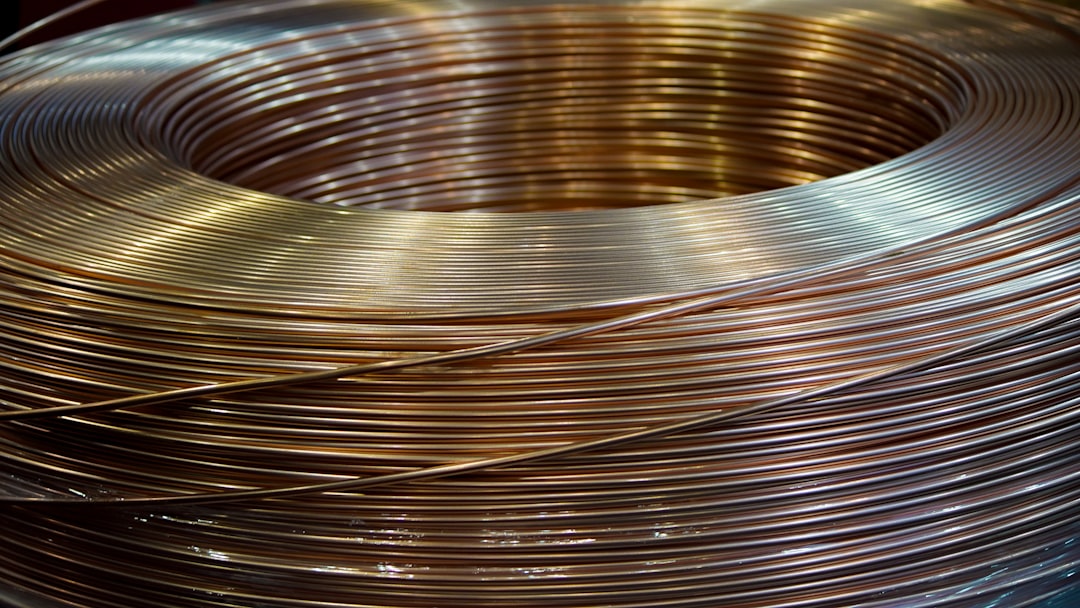
Copper, often referred to as “Dr. Copper” due to its ability to predict economic trends, plays a pivotal role in the global economy. Its price cycles are closely monitored by investors, manufacturers, and policymakers alike, as they reflect broader economic conditions and industrial demand.
The fluctuations in copper prices can be attributed to a myriad of factors, including supply and demand dynamics, geopolitical events, and technological advancements. Understanding these cycles is essential for stakeholders who rely on copper for various applications, from construction to electronics. The cyclical nature of copper prices is not merely a reflection of market whims; it is deeply rooted in the interplay of economic indicators and global events.
As industries expand or contract, the demand for copper shifts accordingly, leading to price adjustments that can have far-reaching implications. This article delves into the historical context of copper price cycles, the factors that influence them, and the future outlook for this essential metal.
Key Takeaways
- Copper price cycles are influenced by a combination of supply-demand dynamics, global events, and technological changes.
- Historical trends reveal recurring patterns in copper prices linked to economic growth and industrial demand.
- Environmental regulations and advancements in technology significantly impact copper production costs and market prices.
- Investors can capitalize on copper price volatility by understanding market cycles and employing strategic risk management.
- Future copper prices will be shaped by evolving global economic conditions, sustainability efforts, and innovation in mining and recycling.
Historical Analysis of Copper Price Cycles
Historically, copper prices have experienced significant fluctuations, often mirroring the economic landscape of the times. For instance, during the industrial revolution, the demand for copper surged as it became a critical component in electrical wiring and plumbing. This period marked the beginning of a long-standing relationship between copper prices and industrial activity.
The price of copper saw dramatic increases during the late 19th and early 20th centuries, driven by rapid urbanization and technological advancements. In more recent history, the early 2000s witnessed another boom in copper prices, largely fueled by China’s unprecedented economic growth. As China became a manufacturing powerhouse, its insatiable appetite for raw materials propelled copper prices to record highs.
However, this was followed by a sharp decline during the global financial crisis of 2008, illustrating how interconnected global economies can impact commodity prices. The historical analysis of copper price cycles reveals a pattern of volatility that is often influenced by broader economic trends and shifts in industrial demand.
Factors Influencing Copper Price Cycles

Several key factors influence the cyclical nature of copper prices. One of the most significant is the balance between supply and demand. When demand outstrips supply, prices tend to rise as buyers compete for limited resources.
Conversely, when supply exceeds demand, prices typically fall. This fundamental economic principle is further complicated by external factors such as geopolitical tensions, trade policies, and currency fluctuations. Another critical factor is the role of mining production and capacity.
Major copper-producing countries like Chile and Peru significantly impact global supply levels. Any disruptions in these regions—whether due to labor strikes, natural disasters, or political instability—can lead to immediate price spikes. Additionally, advancements in mining technology can enhance production efficiency, potentially increasing supply and exerting downward pressure on prices.
Understanding these factors is crucial for stakeholders looking to navigate the complexities of copper price cycles.
Impact of Global Events on Copper Prices
| Global Event | Year | Impact on Copper Prices | Price Change (%) | Reason for Impact |
|---|---|---|---|---|
| COVID-19 Pandemic Outbreak | 2020 | Sharp decline followed by rapid recovery | -25% (Q1), +40% (Q3) | Supply chain disruptions and demand drop, then stimulus-driven demand surge |
| US-China Trade War | 2018-2019 | Volatile with downward pressure | -15% | Tariffs and trade tensions reduced industrial demand |
| Global Infrastructure Stimulus (Post-2008) | 2009-2011 | Significant price increase | +70% | Increased demand from infrastructure projects worldwide |
| Chile Mining Strikes | 2022 | Price spike | +12% | Supply constraints due to labor strikes in top copper producer |
| Russia-Ukraine Conflict | 2022 | Moderate price increase | +8% | Concerns over supply disruptions and energy costs |
Global events have a profound impact on copper prices, often leading to sudden and dramatic shifts in market dynamics.
The U.S.-China trade war serves as a prime example; tariffs imposed on various goods led to fluctuations in demand for copper as manufacturers adjusted their sourcing strategies.
Moreover, global health crises like the COVID-19 pandemic have also left indelible marks on copper prices. During the initial stages of the pandemic, demand plummeted as industries shut down and construction projects were halted. However, as economies began to recover and governments implemented stimulus measures focused on infrastructure development, demand for copper surged once again.
This illustrates how interconnected global events can create both challenges and opportunities within the copper market.
Future Outlook for Copper Prices
Looking ahead, the future outlook for copper prices appears promising yet uncertain. The ongoing transition towards renewable energy sources and electric vehicles is expected to drive significant demand for copper in the coming years. As countries commit to reducing carbon emissions and investing in green technologies, the need for copper—used extensively in batteries and electrical systems—will likely increase.
However, potential challenges loom on the horizon. Supply chain disruptions caused by geopolitical tensions or environmental regulations could hinder production capabilities. Additionally, fluctuations in global economic growth rates may impact demand levels.
As such, while the long-term outlook for copper remains bullish due to its essential role in modern technology and infrastructure, stakeholders must remain vigilant about potential headwinds that could influence price stability.
Role of Supply and Demand in Copper Price Cycles

The interplay between supply and demand is at the heart of copper price cycles. When demand surges—often driven by industrial growth or technological advancements—prices tend to rise as buyers compete for available resources. Conversely, when demand wanes due to economic downturns or shifts in consumer behavior, prices typically decline as suppliers adjust their output.
In recent years, the rise of electric vehicles has introduced a new dimension to this dynamic. As automakers ramp up production of electric cars, which require significantly more copper than traditional vehicles, demand has surged. This shift has prompted mining companies to explore new projects and expand existing operations to meet anticipated future needs.
However, balancing this increased demand with sustainable mining practices remains a challenge that could influence future price cycles.
Technological Advancements and Copper Prices
Technological advancements play a crucial role in shaping copper prices by influencing both production methods and end-user applications. Innovations in mining technology have led to more efficient extraction processes, reducing costs and increasing supply potential. For instance, advancements in automation and data analytics have enabled mining companies to optimize operations and minimize waste.
On the consumer side, emerging technologies such as renewable energy systems and electric vehicles are driving new demand for copper. As industries adopt greener practices and seek to reduce their carbon footprints, the need for high-quality electrical conductors has never been greater. This shift not only supports higher copper prices but also encourages investment in research and development aimed at improving production efficiency and sustainability.
Environmental Regulations and Copper Price Cycles
Environmental regulations are increasingly influencing copper price cycles as governments worldwide prioritize sustainability and responsible resource management. Stricter regulations on mining practices can lead to increased operational costs for producers, which may be passed on to consumers through higher prices. Additionally, regulatory hurdles can delay new mining projects or expansions, constraining supply in an already volatile market.
Conversely, regulations aimed at promoting recycling and circular economy practices can mitigate some pressures on raw material demand. As industries seek to reduce their environmental impact, recycled copper may become a more attractive alternative to newly mined copper. This shift could alter traditional supply-demand dynamics and influence pricing strategies within the market.
Investment Opportunities in Copper Price Cycles
For investors looking to capitalize on copper price cycles, understanding market trends and dynamics is essential. The cyclical nature of copper prices presents both risks and opportunities; savvy investors can leverage these fluctuations to maximize returns. Investing in mining companies or exchange-traded funds (ETFs) focused on copper can provide exposure to potential price increases driven by rising demand.
Moreover, as global initiatives shift towards renewable energy sources and electric vehicles, companies involved in these sectors may offer lucrative investment opportunities tied to copper’s essential role in their technologies. By staying informed about market trends and geopolitical developments, investors can position themselves strategically within this dynamic landscape.
Strategies for Managing Copper Price Volatility
Managing volatility in copper prices requires a multifaceted approach that considers both market conditions and individual business needs. Companies reliant on copper should consider hedging strategies to mitigate risks associated with price fluctuations. Futures contracts or options can provide a safety net against unexpected price spikes or declines.
Additionally, diversifying supply sources can help businesses navigate potential disruptions caused by geopolitical tensions or environmental regulations. Establishing relationships with multiple suppliers ensures that companies are not overly reliant on any single source of copper, thereby reducing vulnerability to market volatility.
Navigating Copper Price Cycles
Navigating the complexities of copper price cycles requires a comprehensive understanding of historical trends, market dynamics, and external influences. As industries evolve and global events shape economic landscapes, stakeholders must remain agile in their strategies to adapt to changing conditions. The interplay between supply and demand will continue to be a driving force behind price fluctuations, while technological advancements and environmental regulations will further complicate this landscape.
However, potential challenges such as geopolitical tensions and regulatory changes could introduce volatility into the market. By staying informed and employing strategic approaches to manage risks associated with price fluctuations, stakeholders can successfully navigate the intricate world of copper price cycles while capitalizing on emerging opportunities within this essential industry.
Copper has long been a critical metal in various industries, and its price cycles have historically reflected broader economic trends. For a deeper understanding of these cycles and insights into the future outlook for copper prices, you can read the article on this topic at Real Lore and Order. This resource provides valuable analysis and forecasts that can help investors and industry professionals navigate the complexities of the copper market.
WATCH THIS! 🚨 The Copper Cliff: How the World’s Most Critical Metal is Running Out
FAQs
What factors have historically influenced copper’s price cycles?
Copper’s price cycles have historically been influenced by factors such as global economic growth, industrial demand (especially from construction and manufacturing), supply disruptions, mining production levels, geopolitical events, and changes in technology and alternative materials.
How often do copper price cycles typically occur?
Copper price cycles do not follow a fixed schedule but often span several years, typically ranging from 5 to 10 years. These cycles are driven by shifts in supply and demand dynamics, economic expansions and recessions, and investment trends.
What role does China play in copper price fluctuations?
China is the world’s largest consumer of copper, accounting for a significant portion of global demand. Changes in China’s industrial activity, infrastructure projects, and economic policies have a major impact on copper prices.
How have technological advancements affected copper demand?
Technological advancements, such as the growth of electric vehicles, renewable energy infrastructure, and electronics, have increased copper demand due to its excellent electrical conductivity and durability, influencing price trends.
What are the main supply risks that can impact copper prices?
Supply risks include mining strikes, geopolitical instability in key producing countries, regulatory changes, environmental restrictions, and disruptions caused by natural disasters or pandemics, all of which can constrain supply and affect prices.
What is the future outlook for copper prices?
The future outlook for copper prices is generally positive due to expected growth in green technologies, urbanization, and infrastructure development. However, prices will remain subject to economic cycles, supply challenges, and technological changes.
How do economic recessions affect copper prices?
Economic recessions typically reduce industrial activity and demand for copper, leading to price declines. Conversely, economic recoveries often boost demand and prices.
Can copper prices be predicted accurately?
While analysts use supply-demand data, economic indicators, and market trends to forecast copper prices, accurate prediction is challenging due to the influence of unpredictable geopolitical events, technological shifts, and market sentiment.
What historical events have caused significant copper price spikes?
Significant price spikes have occurred during periods of rapid industrialization, supply shortages, geopolitical conflicts affecting major producers, and surges in demand from emerging technologies or infrastructure booms.
How does recycling impact copper supply and prices?
Copper recycling provides a substantial portion of supply, helping to moderate price volatility by supplementing mined copper. Increased recycling can reduce dependence on mining and influence long-term price stability.