
History is often perceived as a straightforward account of events, a mere collection of dates and facts that chronicle the rise and fall of civilizations. However, beneath this surface lies a complex tapestry woven from unwritten rules and hidden dynamics that govern the course of human affairs. This hidden rulebook of history encompasses the myriad influences that shape events, decisions, and outcomes, often in ways that are not immediately apparent.
It invites a deeper exploration into the forces that drive historical change, revealing a landscape where power, culture, economics, geography, technology, and individual agency intersect. Understanding this hidden rulebook is crucial for comprehending the nuances of historical narratives. It challenges the conventional wisdom that history is merely a linear progression of events, suggesting instead that it is a multifaceted interplay of various elements.
By delving into these unwritten laws, one can gain insights into how societies evolve, how conflicts arise, and how legacies are formed. This exploration not only enriches the understanding of past events but also provides valuable lessons for contemporary society, highlighting the importance of recognizing the underlying factors that continue to shape the world today.
Key Takeaways
- History is shaped by unwritten laws and hidden rules that influence events and outcomes.
- Power and influence play a significant role in shaping historical narratives and determining the course of events.
- Cultural and social norms have a profound impact on historical events and the development of societies.
- Economic factors have a strong influence on historical developments and the trajectory of civilizations.
- Geography and environment play a crucial role in shaping historical outcomes and influencing the course of history.
Uncovering the Unwritten Laws that Shape Historical Events
The unwritten laws of history are often subtle yet powerful forces that dictate the trajectory of events. These laws can manifest in various forms, such as societal expectations, political norms, and cultural traditions. For instance, the concept of leadership has historically been influenced by unwritten rules regarding legitimacy and authority.
In many cultures, leaders are expected to embody certain virtues or qualities that resonate with their constituents. This expectation can dictate not only who rises to power but also how they govern and interact with their subjects. Moreover, these unwritten laws can create barriers to change, as they often favor established norms over innovative ideas.
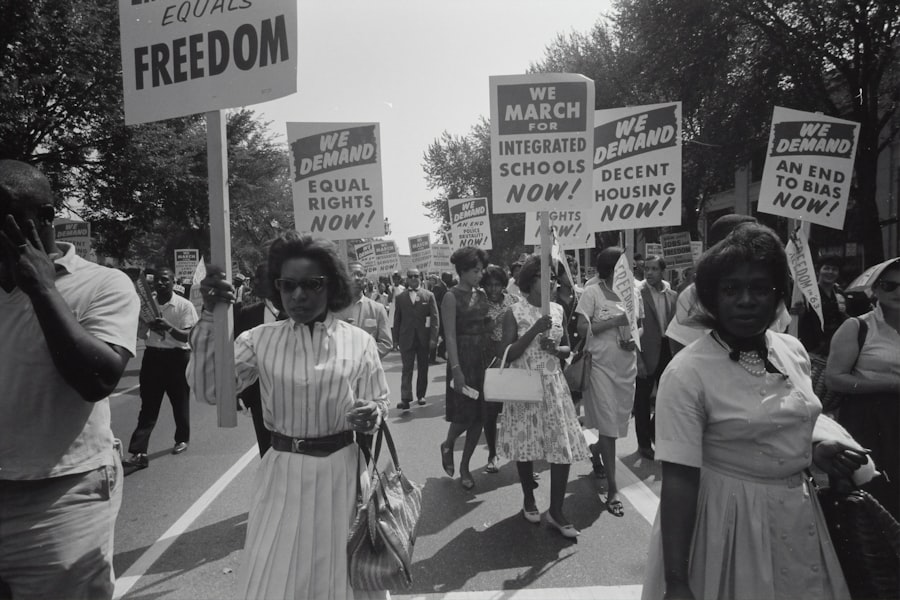
For example, during periods of social upheaval, movements for change may struggle against deeply entrenched beliefs and practices that resist transformation. The civil rights movement in the United States serves as a poignant example; despite widespread calls for equality, the movement faced significant opposition rooted in longstanding racial prejudices and institutionalized discrimination. Understanding these unwritten laws allows historians to contextualize events within a broader framework, revealing the complexities that underlie seemingly straightforward historical narratives.
The Role of Power and Influence in Shaping Historical Narratives
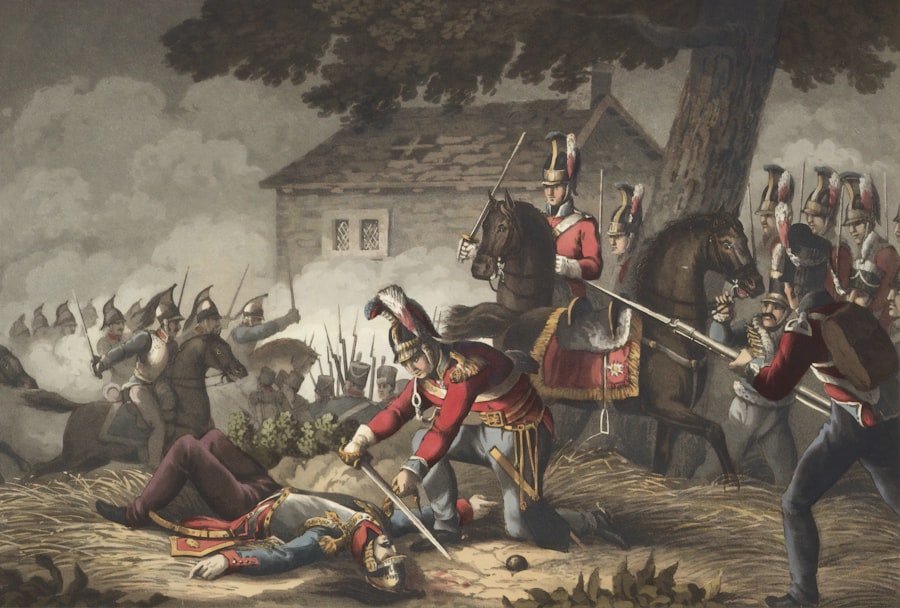
Power dynamics play a pivotal role in shaping historical narratives, often determining which stories are told and which are silenced. Those in positions of authority wield significant influence over how history is recorded and remembered. This phenomenon can be observed in various contexts, from the grand narratives constructed by empires to the personal accounts of marginalized groups.
The victors of conflicts frequently write history in their favor, framing events to highlight their achievements while downplaying or erasing the contributions and experiences of others. The manipulation of historical narratives can have profound implications for collective memory and identity. For instance, colonial powers often portrayed their conquests as benevolent missions to civilize “lesser” cultures, thereby justifying their actions while obscuring the violence and exploitation involved.
In contrast, post-colonial perspectives seek to reclaim these narratives, emphasizing the resilience and agency of colonized peoples. By examining the interplay between power and historical narratives, one can uncover the biases that shape our understanding of the past and recognize the importance of inclusive storytelling in constructing a more accurate historical record.
Examining the Impact of Cultural and Social Norms on Historical Events
| Event | Cultural/Social Norms | Impact |
|---|---|---|
| French Revolution | Class inequality, Enlightenment ideas | Overthrow of monarchy, rise of democracy |
| American Civil Rights Movement | Racial segregation, nonviolent protest | End of legal segregation, voting rights for African Americans |
| Women’s Suffrage Movement | Gendernorms, suffragist movements | Women’s right to vote, increased gender equality |
Cultural and social norms serve as powerful undercurrents that influence historical events in profound ways. These norms dictate acceptable behaviors, values, and beliefs within a society, shaping individual actions and collective responses to various challenges. For example, during times of crisis, cultural norms can dictate how communities come together or fracture apart.
The response to natural disasters often reflects societal values regarding solidarity and mutual aid; communities with strong social ties may mobilize quickly to support one another, while those lacking such cohesion may struggle to respond effectively. Additionally, cultural norms can impact the trajectory of social movements and revolutions. The feminist movements across different countries illustrate how cultural contexts shape activism.
In some societies, traditional gender roles may hinder women’s participation in public life, while in others, cultural shifts may empower women to challenge these norms more openly. By examining the interplay between culture and historical events, historians can better understand how societal values influence collective action and shape the course of history.
Understanding the Influence of Economic Factors on Historical Developments
Economic factors are often at the heart of historical developments, driving change and shaping societies in fundamental ways. The distribution of resources, wealth inequality, and economic systems all play critical roles in determining how societies function and evolve over time. For instance, the Industrial Revolution marked a significant turning point in history, transforming economies from agrarian-based systems to industrial powerhouses.
This shift not only altered production methods but also had far-reaching implications for social structures, labor relations, and urbanization. Moreover, economic crises can catalyze significant political and social change. The Great Depression of the 1930s serves as a stark example; it exposed vulnerabilities within capitalist systems and led to widespread discontent.
Understanding these economic undercurrents allows historians to contextualize events within broader economic frameworks, revealing how financial forces shape human experiences and societal transformations.
The Significance of Geography and Environment in Shaping Historical Outcomes
Geography and environment are fundamental factors that influence historical outcomes in myriad ways. The physical landscape can dictate patterns of settlement, trade routes, and resource availability, all of which have profound implications for societal development. For instance, civilizations that emerged along fertile river valleys—such as those in Mesopotamia or along the Nile—benefited from agricultural abundance that supported population growth and cultural flourishing.
Additionally, environmental challenges can spur innovation and adaptation. The scarcity of resources or harsh climatic conditions often forces societies to develop new technologies or strategies for survival. The Viking explorations during the Middle Ages exemplify this dynamic; driven by limited resources in their homelands, Vikings ventured across seas to establish trade routes and settlements in distant lands.
By examining the interplay between geography, environment, and historical events, historians can uncover how these factors shape human experiences and influence societal trajectories.
Exploring the Role of Technology and Innovation in Shaping History
Technology and innovation have consistently played transformative roles throughout history, altering how societies function and interact with one another. From the invention of the wheel to the advent of the internet, technological advancements have reshaped economies, communication methods, and even social structures. The printing press revolutionized information dissemination during the Renaissance, enabling ideas to spread rapidly and fostering intellectual movements that challenged established authorities.
Moreover, technological innovations often drive social change by altering labor dynamics and creating new industries. The rise of automation in recent decades has sparked debates about job displacement and economic inequality, highlighting how technological progress can have both positive and negative consequences for society.
The Impact of Leadership and Individual Agency on Historical Events
While broader forces undoubtedly shape historical events, individual agency and leadership also play crucial roles in determining outcomes. Charismatic leaders can inspire movements or galvanize populations toward collective action; their decisions often have far-reaching consequences for entire nations or regions. Figures such as Mahatma Gandhi or Martin Luther King Jr.
exemplify how individual leadership can catalyze social change by mobilizing communities around shared ideals. However, individual agency is not limited to prominent leaders; ordinary people also contribute to historical developments through their actions and choices. Grassroots movements often emerge from collective dissatisfaction with prevailing conditions, demonstrating how individuals can effect change even in the face of systemic obstacles.
By examining both leadership and individual agency within historical contexts, historians can appreciate the complexity of human behavior and its impact on shaping events.
Unraveling the Influence of Religion and Ideology on Historical Narratives
Religion and ideology have long served as powerful motivators for human action, influencing historical narratives in profound ways. Religious beliefs can shape moral frameworks, guide political decisions, and inspire movements for social justice or reform. Throughout history, religious institutions have wielded significant power over societies; they have often been intertwined with political authority or used as tools for social control.
Ideological movements—such as nationalism or socialism—also play critical roles in shaping historical events by providing frameworks through which individuals understand their identities and aspirations. The rise of nationalism in the 19th century reshaped political boundaries across Europe and beyond, leading to both unification efforts and violent conflicts. By unraveling the influence of religion and ideology on historical narratives, historians can gain insights into how belief systems shape human behavior and drive societal change.
The Role of Conflict and Cooperation in Shaping Historical Developments
Conflict and cooperation are two sides of the same coin when it comes to understanding historical developments. Wars often serve as catalysts for change; they can lead to shifts in power dynamics, territorial reconfigurations, or social transformations. The World Wars of the 20th century exemplify this dynamic; they not only reshaped global politics but also spurred advancements in technology and social reforms.
Conversely, cooperation among nations or communities can foster peacebuilding efforts or facilitate cultural exchange. Diplomatic negotiations often lead to treaties that reshape international relations or resolve longstanding disputes. The establishment of organizations like the United Nations reflects humanity’s desire for cooperation in addressing global challenges.
By examining both conflict and cooperation within historical contexts, historians can appreciate the complexities of human interactions that shape societal trajectories.
Implications of Understanding the Hidden Rulebook of History
Understanding the hidden rulebook of history offers profound implications for contemporary society. It encourages individuals to recognize that history is not merely a series of isolated events but rather a complex interplay of various factors that continue to influence current affairs. By acknowledging the unwritten laws that govern human behavior—be it through power dynamics, cultural norms, economic conditions, or technological advancements—societies can better navigate contemporary challenges.
Moreover, this understanding fosters a more inclusive approach to history that values diverse perspectives and experiences. By amplifying marginalized voices and recognizing their contributions to historical narratives, societies can create a richer tapestry that reflects the complexities of human existence. Ultimately, grappling with the hidden rulebook of history empowers individuals to engage critically with their pasts while informing their actions in shaping a more equitable future.
In exploring the intricate layers of history, one might find it fascinating to delve into the hidden rulebook that has shaped civilizations over centuries. A related article that complements this exploration can be found on Real Lore and Order, which offers insights into the unwritten codes and societal norms that have influenced historical events. For a deeper understanding, you can read more about these intriguing aspects by visiting this