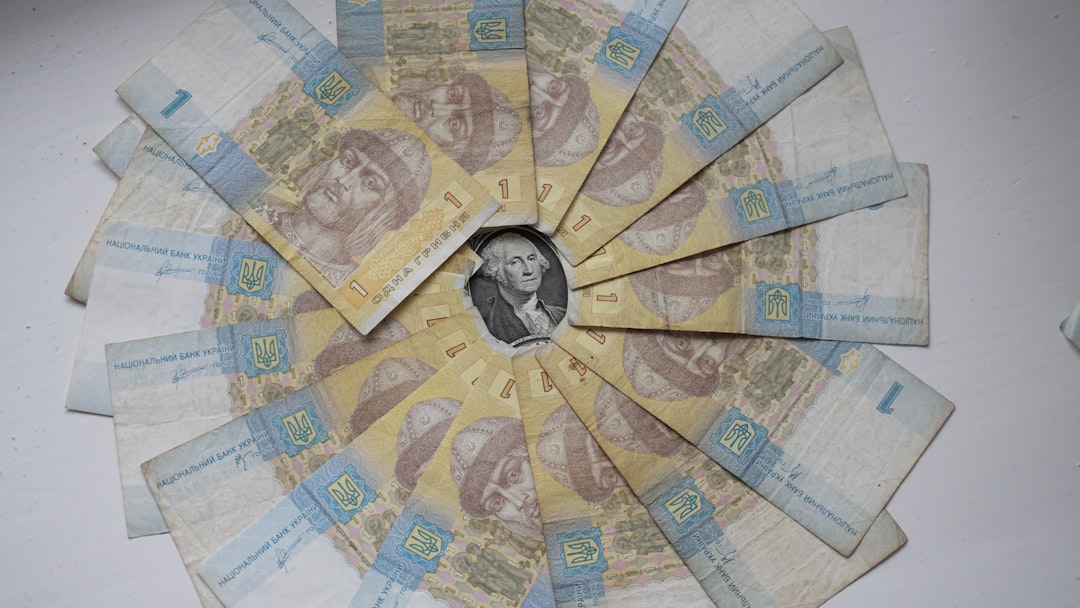
In 2024, a significant currency crisis emerged, causing substantial disruption across global financial markets. Multiple national currencies experienced rapid depreciation, creating heightened market volatility and economic uncertainty. This crisis demonstrated the profound interconnectedness of the modern global economy, as currency instability quickly affected international trade relationships, cross-border investments, and economic stability throughout various regions worldwide.
The 2024 currency crisis represented the culmination of multiple long-developing economic pressures rather than a sudden, isolated event. Contributing factors included persistent inflation challenges, unsustainable national debt accumulation, and escalating geopolitical tensions that undermined currency stability across multiple economies. As these vulnerabilities became increasingly apparent, investor confidence deteriorated, triggering significant capital outflows from affected markets.
This analysis examines the fundamental causes, widespread impacts, and potential remedial measures related to the currency crisis, offering a detailed examination of its consequences for economies at all development stages.
Key Takeaways
- The 2024 currency crisis stems from a mix of geopolitical tensions, inflation, and market speculation.
- Developing countries face severe economic instability and increased debt burdens due to currency devaluation.
- Central banks and governments play a critical role in stabilizing currencies through monetary policies and interventions.
- Effective crisis management strategies include currency controls, international aid, and coordinated policy responses.
- Long-term consequences highlight the need for stronger financial regulations and diversified economic planning.
Causes of the Currency Crisis
The causes of the 2024 currency crisis were multifaceted, rooted in a combination of domestic and international factors.
Central banks, in an attempt to combat rising prices, raised interest rates significantly.
However, these measures often backfired, as higher rates stifled economic growth and led to a slowdown in consumer spending. As inflation continued to spiral out of control, confidence in national currencies began to wane.
Trade wars, sanctions, and political instability in key regions created an environment of uncertainty that prompted investors to seek safer assets. This flight to safety resulted in significant capital outflows from emerging markets, further exacerbating currency depreciation. Additionally, the interconnectedness of global supply chains meant that disruptions in one region could have cascading effects on currencies worldwide, amplifying the crisis’s impact.
Impact on Global Economy

The currency crisis of 2024 had profound implications for the global economy, affecting trade balances, investment flows, and overall economic growth. As currencies depreciated sharply, countries faced increased costs for imports, leading to widening trade deficits. This situation was particularly challenging for nations reliant on imported goods and energy resources, as they struggled to maintain stable prices for consumers.
The resulting inflationary pressures further strained household budgets and dampened consumer confidence. Moreover, the crisis prompted a reevaluation of investment strategies among global investors. Many turned to safe-haven assets such as gold or U.S.
Treasury bonds, leading to a decline in capital available for emerging markets. This shift not only hindered economic recovery efforts but also exacerbated existing inequalities between developed and developing nations. As capital became scarcer, businesses faced challenges in securing financing for expansion or innovation, stalling growth prospects across various sectors.
Effects on Developing Countries
Developing countries bore the brunt of the currency crisis in 2024, facing unique challenges that compounded their existing vulnerabilities. Many of these nations relied heavily on foreign investment and remittances, both of which were adversely affected by the crisis. As currencies depreciated, the value of remittances diminished, impacting households that depended on these funds for daily expenses.
Additionally, foreign direct investment (FDI) slowed significantly as investors became increasingly risk-averse. The social ramifications were equally concerning. Rising inflation and currency depreciation led to increased poverty levels and social unrest in several developing nations.
Governments struggled to provide essential services as budgets tightened due to reduced tax revenues and increased costs for imported goods. In some cases, this unrest manifested in protests and political instability, further complicating efforts to stabilize economies and restore confidence in national currencies.
Role of Central Banks and Governments
| Country | Currency | Exchange Rate Change (2024) | Inflation Rate (%) | Foreign Reserves (Billion USD) | Central Bank Interest Rate (%) | Key Issue |
|---|---|---|---|---|---|---|
| Argentina | Argentine Peso | -45% | 110% | 38 | 75 | High inflation and debt default risk |
| Turkey | Turkish Lira | -30% | 55% | 30 | 25 | Political instability and monetary policy concerns |
| Pakistan | Pakistani Rupee | -25% | 40% | 10 | 22 | Balance of payments crisis |
| Lebanon | Lebanese Pound | -85% | 180% | 1.5 | NA | Political turmoil and banking collapse |
| Zimbabwe | Zimbabwean Dollar | -50% | 130% | 0.5 | 50 | Hyperinflation and economic instability |
In response to the currency crisis, central banks and governments around the world were thrust into action as they sought to mitigate its effects. Central banks employed various monetary policy tools to stabilize their currencies, including interest rate adjustments and interventions in foreign exchange markets. However, these measures often had limited success due to the underlying structural issues that fueled the crisis.
Governments also played a crucial role in addressing the fallout from the crisis. Fiscal policies aimed at stimulating economic growth were implemented in many countries, with an emphasis on infrastructure projects and social safety nets. However, the effectiveness of these measures varied widely depending on each nation’s economic context and governance structures.
In some cases, political divisions hindered timely responses, exacerbating the challenges faced by citizens during this tumultuous period.
Strategies for Managing Currency Crisis

Managing a currency crisis requires a multifaceted approach that addresses both immediate concerns and long-term structural issues. One effective strategy is implementing sound monetary policies that prioritize inflation control while fostering economic growth. Central banks must strike a delicate balance between raising interest rates to combat inflation and ensuring that borrowing costs do not stifle investment.
Additionally, enhancing transparency and communication with markets can help restore investor confidence. Clear guidance on monetary policy intentions and economic outlooks can mitigate uncertainty and encourage capital inflows. Furthermore, fostering collaboration among nations through international financial institutions can provide much-needed support during crises, enabling countries to access resources and expertise for stabilization efforts.
Implications for International Trade
The currency crisis of 2024 had significant implications for international trade dynamics. As currencies fluctuated wildly, trade agreements were put under strain as businesses struggled to navigate unpredictable exchange rates. Exporters faced challenges in pricing their goods competitively while importers grappled with rising costs for foreign products.
This volatility led many companies to reconsider their supply chains and sourcing strategies. Moreover, countries with depreciating currencies found themselves at a crossroads: while cheaper exports could boost competitiveness in international markets, the rising costs of imports posed significant challenges for domestic consumers. This duality created tension within economies as policymakers sought to balance trade benefits with the need to protect consumers from inflationary pressures.
Potential Solutions and Interventions
Addressing a currency crisis requires a combination of short-term interventions and long-term structural reforms. One potential solution is establishing currency stabilization funds that can provide liquidity support during times of crisis. These funds can help stabilize exchange rates by intervening in foreign exchange markets when necessary.
Additionally, fostering regional cooperation among countries can enhance resilience against future crises. By creating frameworks for shared monetary policies or coordinated fiscal responses, nations can better navigate economic challenges collectively. Furthermore, investing in education and workforce development can strengthen economies over time by enhancing productivity and innovation capabilities.
Long-term Economic Consequences
The long-term economic consequences of the 2024 currency crisis are likely to be felt for years to come. Countries that experienced significant currency depreciation may face prolonged periods of economic stagnation as they work to rebuild investor confidence and stabilize their financial systems. The erosion of trust in national currencies can lead to increased dollarization or reliance on foreign currencies for transactions, further complicating monetary policy efforts.
Moreover, the crisis may prompt a reevaluation of globalization itself as nations reconsider their dependence on international trade and investment flows. A shift towards more localized economies could emerge as countries seek to insulate themselves from external shocks. However, this transition may also lead to increased protectionism and trade barriers, which could stifle global economic growth in the long run.
Lessons from Past Currency Crises
The currency crisis of 2024 serves as a reminder of the lessons learned from past financial upheavals. Historical crises have shown that proactive measures are essential in preventing currency collapses; timely interventions by central banks can mitigate panic among investors and stabilize markets. Additionally, maintaining sound fiscal policies is crucial for building resilience against external shocks.
Furthermore, transparency and communication are vital components in managing investor expectations during turbulent times. Countries that have successfully navigated past crises often emphasized clear communication strategies that kept stakeholders informed about policy decisions and economic outlooks.
Recommendations for Individuals and Businesses
For individuals and businesses navigating the aftermath of the currency crisis in 2024, several recommendations can help mitigate risks and seize opportunities. Diversifying investments across different asset classes can provide a buffer against currency fluctuations while enhancing overall portfolio resilience. Additionally, staying informed about macroeconomic trends can empower individuals and businesses to make informed decisions regarding spending and investment strategies.
Businesses should also consider reevaluating their supply chains in light of changing trade dynamics. Exploring local sourcing options or diversifying suppliers can help mitigate risks associated with currency volatility while fostering stronger relationships within local economies. By adopting proactive strategies and remaining adaptable in an ever-changing landscape, individuals and businesses can better position themselves for success in a post-crisis world.
As the world grapples with the potential for a currency crisis in 2024, it is essential to stay informed about the economic factors at play. A related article that delves into the implications of such a crisis can be found at this link. This resource provides valuable insights into the causes and potential outcomes of a currency crisis, helping readers understand the broader economic landscape.
FAQs
What is a currency crisis?
A currency crisis occurs when a country’s currency experiences a sudden and severe devaluation, often leading to a loss of confidence among investors and the public. This can result in rapid capital flight, inflation, and economic instability.
What factors can trigger a currency crisis in 2024?
Common triggers include large fiscal deficits, high levels of foreign debt, political instability, sudden changes in investor sentiment, external shocks such as commodity price fluctuations, and global economic conditions affecting capital flows.
Which countries are most at risk of a currency crisis in 2024?
Countries with weak economic fundamentals, high external debt, low foreign exchange reserves, and political uncertainty are generally more vulnerable. Emerging markets and developing economies often face higher risks compared to developed nations.
How do governments and central banks respond to a currency crisis?
Responses may include raising interest rates to defend the currency, implementing capital controls, seeking financial assistance from international organizations like the IMF, and enacting fiscal reforms to restore confidence.
What are the potential economic impacts of a currency crisis?
Impacts can include inflation spikes, increased cost of imports, reduced investor confidence, recessionary pressures, and social unrest due to economic hardship.
Can a currency crisis be predicted?
While certain economic indicators and warning signs can suggest vulnerability, predicting the exact timing and severity of a currency crisis remains challenging due to complex and dynamic global financial interactions.
How does a currency crisis affect global markets?
A currency crisis can lead to volatility in global financial markets, affect trade balances, disrupt supply chains, and cause contagion effects where financial instability spreads to other countries.
What role do international organizations play during a currency crisis?
Organizations like the International Monetary Fund (IMF) provide financial support, policy advice, and technical assistance to countries facing currency crises to help stabilize their economies and restore market confidence.