
The Antikythera Mechanism is an ancient Greek mechanical device discovered in 1901 in a shipwreck near the Greek island of Antikythera. Dating to approximately 100-50 BCE, it represents the earliest known example of an analog computer. The bronze mechanism consists of at least 37 meshing bronze gears housed within a wooden case, demonstrating sophisticated engineering capabilities in the Hellenistic period.
Archaeological and scientific analysis indicates the device functioned as an astronomical calculator.
The mechanism incorporated the Metonic cycle, a 19-year period used to reconcile lunar and solar calendars, and the Saros cycle for eclipse prediction.
Greek inscriptions covering approximately 3,400 characters have been identified on the mechanism’s surfaces. These texts include operating instructions, astronomical data, and calendrical information. The inscriptions reference various Greek city-states and their associated months, suggesting the device served multiple regional calendar systems.
Recent research using advanced imaging techniques has revealed additional text, providing further details about the mechanism’s construction and intended use. The discovery has significantly altered understanding of ancient Greek technological capabilities. Prior to its analysis, historians believed such complex mechanical devices did not exist until medieval Islamic and European clockwork mechanisms appeared over a millennium later.
The Antikythera Mechanism demonstrates that ancient Greek craftsmen possessed advanced knowledge of gear ratios, differential mechanisms, and precision metalworking techniques.
Key Takeaways
- The Antikythera Mechanism is an ancient Greek device with complex astronomical and calendar functions.
- Its inscriptions, written in Greek, provide crucial insights into its purpose and operation.
- Deciphering and translating these inscriptions have revealed detailed astronomical and calendrical information.
- Comparing the inscriptions to other ancient Greek texts helps contextualize the mechanism’s technological significance.
- The study of these inscriptions advances our understanding of ancient Greek technology and guides future research.
The Discovery of the Antikythera Mechanism
The discovery of the Antikythera Mechanism was serendipitous, occurring during a routine salvage operation in 1901. A group of sponge divers stumbled upon a shipwreck off the coast of Antikythera, where they unearthed a trove of artifacts, including statues, pottery, and the enigmatic mechanism itself. Initially, the significance of the find was not fully recognized; however, as scholars began to examine the artifacts, it became clear that the mechanism was unlike anything previously encountered.
Its intricate gears and dials hinted at a sophisticated understanding of mechanical engineering that was thought to be absent in ancient times. The initial examination of the mechanism revealed a series of corroded bronze fragments, which posed a challenge for researchers. Over the years, advancements in imaging technology, such as X-ray computed tomography, allowed scientists to peer inside the corroded pieces without damaging them.
This non-invasive approach unveiled the complexity of the device, revealing a system of gears that operated with remarkable precision. The discovery process not only highlighted the ingenuity of ancient Greek craftsmanship but also sparked a renewed interest in studying ancient technologies and their implications for our understanding of history.
Understanding the Inscriptions on the Antikythera Mechanism

The inscriptions on the Antikythera Mechanism are crucial for understanding its function and significance. Comprising over 3,000 characters, these inscriptions are primarily in ancient Greek and provide instructions for using the device as well as explanations of its astronomical functions. The text is inscribed on various parts of the mechanism, including dials and plates, indicating how to interpret the readings and operate the device effectively.
Each inscription serves as a guide for users, reflecting the educational context in which such a sophisticated tool would have been employed. Deciphering these inscriptions has proven to be a complex task for researchers. The language used is not only technical but also reflects the scientific knowledge of the time.
Scholars have had to navigate through various dialects and terminologies to piece together the meanings behind each inscription. This process has revealed insights into how ancient Greeks viewed astronomy and timekeeping, shedding light on their understanding of celestial phenomena and their significance in daily life. The inscriptions thus serve as a bridge connecting modern scholars with ancient thinkers, allowing for a deeper appreciation of their intellectual legacy.
Deciphering the Greek Alphabet on the Antikythera Mechanism
The Greek alphabet used in the inscriptions on the Antikythera Mechanism presents both challenges and opportunities for researchers. While many scholars are familiar with classical Greek, the specific dialects and variations present in these inscriptions require careful analysis. The alphabet itself consists of 24 letters, each with distinct phonetic values, which can lead to multiple interpretations depending on context.
This complexity necessitates a thorough understanding of both language and historical context to accurately decipher the text. Moreover, some inscriptions contain abbreviations and technical terms that were common among scholars of the time but may not be widely recognized today. This aspect adds another layer of difficulty to translation efforts.
Researchers must rely on comparative studies with other ancient texts to identify these terms and their meanings accurately. As they work through these challenges, they not only contribute to our understanding of the Antikythera Mechanism but also enrich our knowledge of ancient Greek language and scholarship.
Translating the Inscriptions on the Antikythera Mechanism
| Metric | Value | Description |
|---|---|---|
| Number of Inscriptions Decoded | 100+ | Estimated number of individual inscriptions successfully deciphered on the Antikythera mechanism |
| Languages Identified | Ancient Greek | Primary language used in the inscriptions |
| Decoding Completion Year | 2020 | Year when major breakthroughs in decoding were published |
| Types of Data Found | Calendrical, Astronomical, Mechanical Instructions | Categories of information revealed by the inscriptions |
| Number of Researchers Involved | 15+ | Approximate number of experts contributing to the decoding efforts |
| Decoding Techniques Used | X-ray Tomography, 3D Imaging, Epigraphy | Technologies and methods applied to read the inscriptions |
| Significance | High | Importance of inscriptions in understanding ancient Greek technology and astronomy |
Translating the inscriptions on the Antikythera Mechanism is an intricate process that requires both linguistic expertise and an understanding of ancient scientific concepts. Scholars have made significant strides in translating key portions of the text, revealing instructions for setting up astronomical models and predicting celestial events. For instance, some inscriptions detail how to align the mechanism with specific stars or planets, providing users with guidance on its operation.
The translations also highlight the educational aspect of the device; it was likely intended for use by scholars or students who were learning about astronomy and mathematics. By translating these inscriptions, researchers can reconstruct how ancient Greeks engaged with scientific knowledge and how they transmitted this information through tools like the Antikythera Mechanism. Each translated segment adds depth to our understanding of how this remarkable device functioned within its historical context.
Interpreting the Astronomical and Calendar References on the Antikythera Mechanism
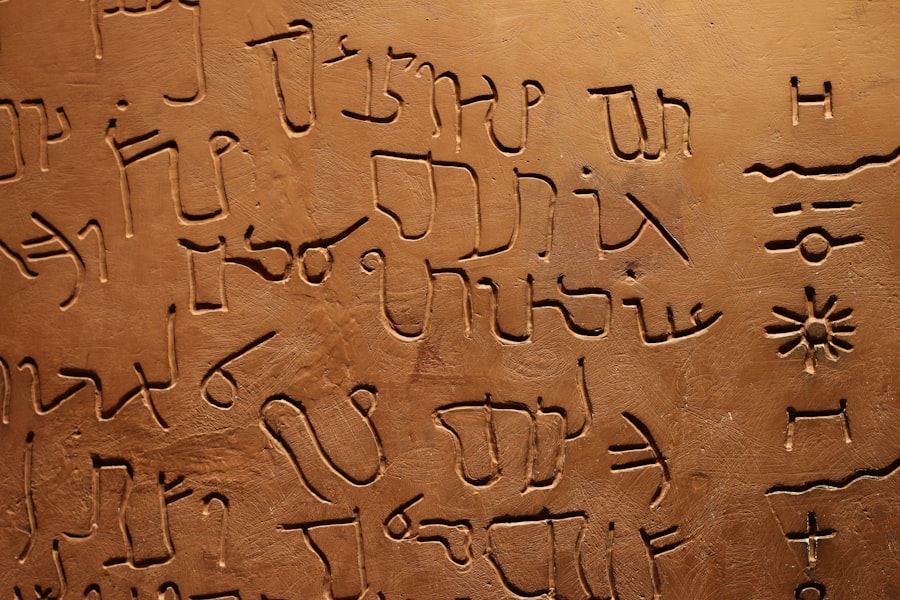
The astronomical references found within the inscriptions on the Antikythera Mechanism are particularly noteworthy for their sophistication. The device is believed to have been capable of tracking celestial bodies such as the sun, moon, and planets, as well as predicting eclipses with remarkable accuracy. Inscriptions related to these functions provide insight into how ancient Greeks understood celestial movements and their implications for timekeeping and navigation.
Additionally, calendar references inscribed on the mechanism indicate that it was designed to align with various cycles, such as lunar months and solar years. This reflects an advanced comprehension of time that was essential for agricultural societies reliant on seasonal changes. By interpreting these references, researchers can better appreciate how ancient Greeks integrated their astronomical knowledge into practical applications that influenced daily life and cultural practices.
The Significance of the Inscriptions on the Antikythera Mechanism
The significance of the inscriptions on the Antikythera Mechanism cannot be overstated; they serve as a testament to ancient Greek ingenuity and intellectual achievement. These inscriptions not only provide instructions for operating a complex device but also encapsulate a wealth of knowledge about astronomy, mathematics, and engineering from a time when such concepts were still in their infancy. They reveal that ancient Greeks were not merely passive observers of celestial phenomena but active participants in understanding and predicting them.
Furthermore, these inscriptions highlight the importance of education in ancient Greek society. The presence of detailed instructions suggests that there was an established framework for teaching scientific principles through practical tools. This educational aspect underscores how knowledge was disseminated among scholars and students alike, fostering an environment where inquiry and innovation could thrive.
The inscriptions thus represent more than just technical information; they embody a cultural commitment to learning and exploration.
Comparing the Antikythera Mechanism Inscriptions to Other Ancient Greek Texts
When comparing the inscriptions on the Antikythera Mechanism to other ancient Greek texts, scholars find both similarities and differences that enrich their understanding of Greek intellectual history. Many texts from this period focus on philosophical inquiries or literary achievements; however, few delve into technical subjects with such precision as those found on the mechanism. This distinction highlights a unique aspect of Greek scholarship that prioritized empirical observation alongside theoretical discourse.
Moreover, comparisons with other scientific texts reveal common themes in ancient Greek thought regarding astronomy and mathematics. For instance, works by philosophers like Aristotle or mathematicians like Archimedes often discuss celestial phenomena but do so in more abstract terms than those found on the Antikythera Mechanism. This contrast emphasizes how practical applications were sometimes overshadowed by philosophical debates in other texts, making the mechanism’s inscriptions stand out as a rare example of applied science from this era.
Uncovering the Purpose and Function of the Antikythera Mechanism through its Inscriptions
The purpose and function of the Antikythera Mechanism become clearer through careful examination of its inscriptions. Researchers have determined that it was primarily designed for astronomical calculations, allowing users to predict celestial events such as eclipses or planetary alignments. The detailed instructions inscribed on various components guide users in setting up these calculations accurately, indicating that it served both educational and practical purposes.
Additionally, some inscriptions suggest that the mechanism may have been used for calendrical purposes, helping users keep track of important dates related to agricultural cycles or religious festivals. This multifaceted functionality underscores its significance as an early scientific instrument that bridged theoretical knowledge with practical application. By uncovering these aspects through its inscriptions, scholars gain valuable insights into how ancient Greeks interacted with their environment and understood their place within it.
The Role of the Inscriptions in Advancing Our Understanding of Ancient Greek Technology
The inscriptions on the Antikythera Mechanism play a pivotal role in advancing our understanding of ancient Greek technology as a whole. They provide concrete evidence that complex mechanical devices were not only conceptualized but also constructed with precision during this period. This challenges previous assumptions about technological development in antiquity and highlights a level of sophistication that was previously underestimated.
Moreover, studying these inscriptions allows researchers to trace technological advancements over time, revealing how knowledge was built upon through generations. The insights gained from deciphering these texts contribute to a broader narrative about human innovation and creativity throughout history. As scholars continue to explore these inscriptions, they uncover connections between ancient technologies and modern scientific principles, illustrating an enduring legacy that transcends time.
Conclusion and Future Research on the Antikythera Mechanism Inscriptions
In conclusion, the Antikythera Mechanism stands as a remarkable testament to ancient Greek ingenuity, with its inscriptions serving as vital keys to unlocking its mysteries. Through ongoing research efforts focused on deciphering these texts, scholars continue to enhance our understanding of not only this extraordinary device but also broader themes within ancient science and technology. The journey to fully comprehend its inscriptions is far from over; new technologies and methodologies promise to yield further insights into this enigmatic artifact.
Future research will likely delve deeper into comparative studies with other ancient texts while also exploring interdisciplinary approaches that incorporate fields such as archaeology, history, and linguistics. As researchers strive to piece together more fragments of knowledge surrounding this remarkable mechanism, they contribute not only to our understanding of ancient Greece but also to humanity’s collective quest for knowledge across time and space. The legacy of the Antikythera Mechanism endures as a symbol of human curiosity—a reminder that even in antiquity, people sought answers to questions about their world through innovation and inquiry.
Recent advancements in the study of the Antikythera Mechanism have led to the decoding of its intricate inscriptions, shedding light on the ancient Greek device’s purpose and functionality. For a deeper understanding of the implications of these findings, you can read a related article that explores the historical context and significance of the mechanism’s inscriptions. Check it out here: Antikythera Mechanism Inscriptions Decoded.
WATCH THIS! 🚨 Divers Found THIS at the Bottom of the Sea—Scientists Still Can’t Explain It
FAQs
What is the Antikythera Mechanism?
The Antikythera Mechanism is an ancient Greek analog device used to predict astronomical positions and eclipses. It dates back to around 100 BCE and is considered one of the earliest known mechanical computers.
Where was the Antikythera Mechanism discovered?
It was discovered in 1901 in a shipwreck off the coast of the Greek island Antikythera.
What are the inscriptions on the Antikythera Mechanism?
The inscriptions are engraved texts found on the device’s surfaces, containing instructions, astronomical data, and descriptions of its functions.
Why is decoding the inscriptions important?
Decoding the inscriptions helps researchers understand how the mechanism worked, the knowledge of ancient Greek astronomy, and the technological capabilities of that era.
How were the inscriptions decoded?
Researchers used advanced imaging techniques such as 3D X-ray tomography and multispectral imaging to reveal and interpret the faded and corroded texts.
What kind of information do the decoded inscriptions provide?
The inscriptions include details about the lunar calendar, eclipse cycles, planetary motions, and instructions for operating the device.
Who has been involved in decoding the inscriptions?
A multidisciplinary team of historians, archaeologists, astronomers, and engineers from various institutions have collaborated on the decoding efforts.
What does the decoding reveal about ancient Greek technology?
It reveals that ancient Greeks had sophisticated knowledge of astronomy and mechanical engineering, capable of creating complex geared devices.
Are there any modern applications inspired by the Antikythera Mechanism?
The mechanism inspires modern studies in the history of science and technology and influences the design of mechanical computing devices and educational models.
Where can I learn more about the Antikythera Mechanism and its inscriptions?
Information can be found in scientific journals, museum exhibits (such as the National Archaeological Museum in Athens), and publications by research teams involved in the decoding.