
Demographic shifts refer to the changes in the composition of a population over time, influenced by various factors such as birth rates, death rates, migration patterns, and aging. These shifts can manifest in numerous ways, including changes in age distribution, ethnic composition, and geographic distribution. Understanding demographic shifts is crucial for policymakers, businesses, and communities as they navigate the complexities of societal change.
As populations evolve, so too do the needs and challenges faced by these communities, necessitating a keen awareness of the underlying trends. The implications of demographic shifts extend far beyond mere statistics; they shape the cultural, economic, and social fabric of societies. For instance, an aging population may lead to increased demand for healthcare services and retirement facilities, while a surge in younger residents might necessitate more educational resources and job opportunities.
As such, recognizing and analyzing these shifts is essential for fostering sustainable development and ensuring that communities can adapt to the changing landscape.
Key Takeaways
- Demographic shifts involve significant changes in population distribution, often driven by migration patterns.
- Population exodus is caused by factors such as economic opportunities, environmental challenges, and social conditions.
- The departure of residents affects community cohesion, local economies, and public service availability.
- Rural areas typically experience higher rates of exodus compared to urban centers, impacting regional development.
- Technology and strategic planning play crucial roles in managing population movements and mitigating negative effects.
Causes of Population Exodus
Population exodus, the phenomenon where individuals or groups leave a particular area in significant numbers, can be attributed to a variety of factors. Economic opportunities often serve as a primary driver; individuals may relocate in search of better job prospects or higher wages. Regions experiencing economic decline or stagnation may witness an outflow of residents seeking greener pastures elsewhere.
This search for improved living conditions can lead to a significant demographic shift, as entire communities may find themselves depleted of their working-age population. In addition to economic factors, social and political conditions also play a critical role in population exodus. Areas plagued by violence, political instability, or inadequate public services often see their residents fleeing in search of safety and stability.
For instance, conflicts or natural disasters can force individuals to abandon their homes, leading to a mass migration that alters the demographic landscape. Furthermore, environmental factors such as climate change and resource depletion are increasingly becoming significant contributors to population movement, as people seek refuge from areas rendered uninhabitable.
Effects of Population Exodus on Communities
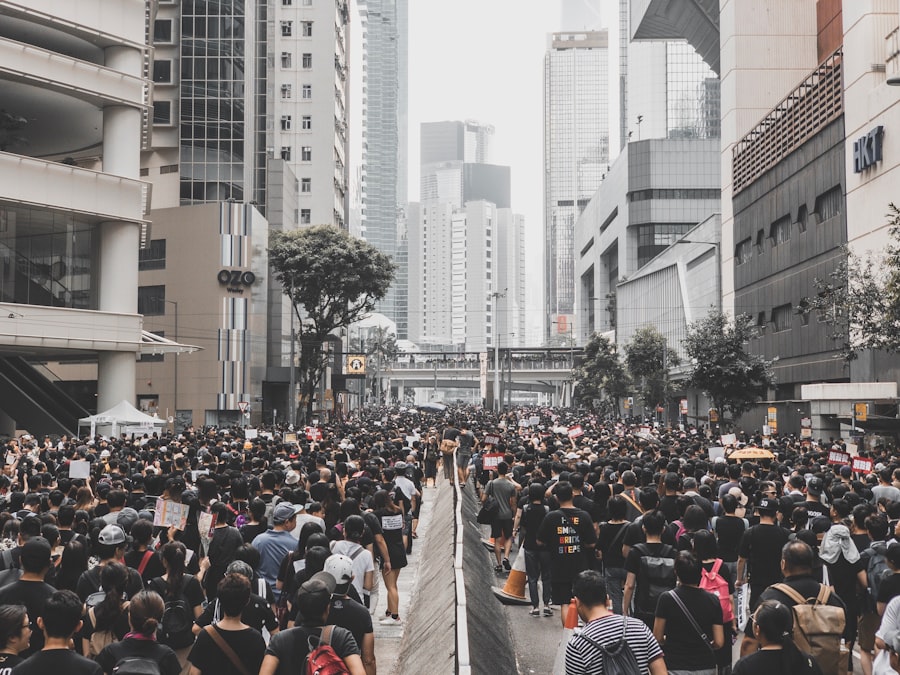
The effects of population exodus on communities can be profound and multifaceted. One immediate consequence is the loss of human capital; as skilled workers and young families leave, communities may struggle to maintain their economic vitality. This brain drain can hinder local businesses and reduce innovation, ultimately leading to a cycle of decline that is difficult to reverse.
Schools may face dwindling enrollment numbers, resulting in reduced funding and resources, which further exacerbates the challenges faced by remaining residents. Moreover, population exodus can lead to social fragmentation within communities. As individuals depart, the social networks that bind communities together may weaken, leading to increased isolation among those who remain.
This disconnection can foster feelings of despair and hopelessness, particularly among vulnerable populations such as the elderly or low-income families. The loss of community cohesion can also diminish civic engagement and participation in local governance, making it even more challenging for communities to address their needs effectively.
The dynamics of population exodus differ significantly between rural and urban areas. In rural regions, the outflow is often driven by a lack of economic opportunities and access to essential services. Young people may leave their hometowns in search of education or employment in urban centers, leading to an aging population that struggles to sustain local economies.
This trend can result in abandoned properties and declining infrastructure, further deterring potential newcomers and exacerbating the challenges faced by those who remain. Conversely, urban areas may experience a different kind of exodus. While cities often attract individuals seeking jobs and cultural experiences, they can also become overcrowded and expensive.
Rising housing costs and increased competition for resources can push lower-income residents out of urban centers into suburban or rural areas. This urban-to-rural migration can lead to demographic shifts that reshape both types of communities, as urban dwellers bring new perspectives and needs to rural settings while rural residents seek opportunities in cities.
The Impact of Population Exodus on the Economy
The economic impact of population exodus is significant and often detrimental to both the areas losing residents and those gaining them. Regions experiencing a decline in population may face reduced consumer spending, leading to lower revenues for local businesses and decreased tax income for municipalities. This economic contraction can result in budget cuts for essential services such as education and public safety, further diminishing the quality of life for remaining residents.
On the other hand, areas that attract new residents may experience economic growth but also face challenges related to infrastructure and service provision. An influx of people can strain existing resources, leading to increased demand for housing, transportation, and public services. If local governments are unprepared for this rapid growth, it can result in overcrowding, traffic congestion, and inadequate public services—issues that can ultimately undermine the benefits of population growth.
Strategies for Managing Population Exodus
| Region | Year | Population Change (%) | Net Migration (Thousands) | Median Age (Years) | Urbanization Rate (%) | Key Factors |
|---|---|---|---|---|---|---|
| Rural Midwest, USA | 2010-2020 | -8.5 | -150 | 45.2 | 65 | Job loss, youth outmigration |
| Eastern Europe | 2010-2020 | -12.3 | -500 | 42.7 | 72 | Emigration to Western Europe |
| Sub-Saharan Africa | 2010-2020 | +35.4 | +2000 | 19.8 | 40 | High birth rates, rural to urban shift |
| Japan | 2010-2020 | -5.8 | -300 | 48.4 | 91 | Aging population, low birth rates |
| Middle East (Urban Areas) | 2010-2020 | +20.1 | +800 | 29.3 | 85 | Economic migration, urban growth |
To address the challenges posed by population exodus, communities must adopt proactive strategies aimed at retaining residents and attracting newcomers. One effective approach is investing in economic development initiatives that create job opportunities and support local businesses. By fostering a vibrant economy with diverse employment options, communities can encourage individuals to stay or return after pursuing education or work elsewhere.
Additionally, enhancing the quality of life through improved public services—such as education, healthcare, and recreational facilities—can make communities more attractive to potential residents. Engaging with local stakeholders to identify specific needs and priorities is essential for developing targeted strategies that resonate with both current residents and newcomers.
The Role of Technology in Population Exodus

Technology plays a dual role in the phenomenon of population exodus. On one hand, advancements in communication and transportation technologies have made it easier for individuals to relocate in search of better opportunities. The rise of remote work has enabled many people to live anywhere while maintaining their jobs, leading to increased mobility and shifting demographics across regions.
On the other hand, technology can also serve as a tool for communities facing population decline. By leveraging digital platforms for marketing and outreach, local governments can promote their regions as attractive destinations for new residents or businesses. Additionally, technology can enhance public services through smart city initiatives that improve infrastructure efficiency and quality of life for residents.
Embracing technological advancements can help communities adapt to changing demographics while addressing the challenges associated with population exodus.
The Relationship Between Population Exodus and Public Services
The relationship between population exodus and public services is complex and often cyclical. As populations decline, local governments may face budget constraints due to reduced tax revenues, leading to cuts in essential services such as education, healthcare, and public safety. This decline in service quality can further deter potential residents from moving into the area or encourage current residents to leave in search of better options elsewhere.
Conversely, areas experiencing an influx of new residents may struggle to provide adequate public services if growth occurs too rapidly without corresponding investments in infrastructure. Overburdened schools, healthcare facilities, and transportation systems can lead to dissatisfaction among both new arrivals and long-term residents alike. To break this cycle, communities must prioritize strategic planning that anticipates demographic changes and allocates resources effectively to meet evolving needs.
The Environmental Impact of Population Exodus
Population exodus also has significant environmental implications that warrant consideration. In regions experiencing depopulation, abandoned properties and infrastructure can lead to environmental degradation if not properly managed. Vacant buildings may become sites for illegal dumping or vandalism, while neglected landscapes can suffer from invasive species encroachment or loss of biodiversity.
Conversely, areas experiencing rapid population growth may face environmental challenges related to resource consumption and land use changes. Increased demand for housing often leads to urban sprawl, which can encroach upon natural habitats and agricultural land. Striking a balance between accommodating new residents while preserving environmental integrity is crucial for sustainable development in both declining and growing communities.
The Future of Population Exodus
The future of population exodus will likely be shaped by a combination of economic trends, social dynamics, technological advancements, and environmental factors. As remote work becomes more prevalent and individuals seek greater flexibility in their living arrangements, patterns of migration may continue to evolve. Communities that adapt proactively by investing in infrastructure and quality-of-life improvements will be better positioned to attract new residents while retaining their existing populations.
Moreover, addressing the root causes of population exodus—such as economic disparity or inadequate public services—will be essential for fostering sustainable growth in both urban and rural areas. Policymakers must prioritize inclusive strategies that consider the diverse needs of all residents while promoting equitable access to opportunities.
Case Studies of Population Exodus
Examining case studies of population exodus provides valuable insights into the complexities surrounding this phenomenon. For instance, cities like Detroit have experienced significant population decline due to economic downturns and industrial shifts. The resulting challenges have prompted innovative approaches aimed at revitalizing neighborhoods through community engagement initiatives and investment in local businesses.
Conversely, regions like Austin have witnessed rapid population growth driven by a booming tech industry. While this influx has spurred economic development, it has also led to rising housing costs and concerns about infrastructure strain. By analyzing these contrasting case studies, communities can glean lessons on effective strategies for managing demographic changes while addressing the unique challenges posed by population exodus.
In conclusion, understanding demographic shifts and their implications is vital for navigating the complexities of population exodus. By recognizing the causes and effects of this phenomenon—ranging from economic impacts to environmental considerations—communities can develop targeted strategies that foster resilience and adaptability in an ever-changing landscape.
As cities across the globe experience significant demographic shifts and population exodus, understanding the underlying factors becomes crucial. A related article that delves into these trends can be found at this link. It explores the implications of changing demographics on urban planning and community dynamics, providing valuable insights into the challenges and opportunities that arise from these shifts.
FAQs
What is a demographic shift?
A demographic shift refers to a significant change in the composition of a population over time. This can include changes in age distribution, birth rates, death rates, migration patterns, and ethnic or cultural makeup.
What causes population exodus?
Population exodus is typically caused by factors such as economic decline, lack of employment opportunities, political instability, environmental disasters, or social unrest, prompting people to move away from a particular area.
How are demographic shifts and population exodus related?
Demographic shifts can lead to population exodus when changes such as aging populations, declining birth rates, or economic downturns cause residents to leave in search of better opportunities elsewhere, further altering the population structure.
What are the effects of population exodus on a region?
Population exodus can result in labor shortages, reduced economic activity, declining tax revenues, and challenges in maintaining public services. It may also lead to abandoned properties and a decrease in community vitality.
Can demographic shifts impact urban and rural areas differently?
Yes, demographic shifts often affect urban and rural areas differently. For example, rural areas may experience population decline due to youth migration to cities, while urban areas might see population growth or changes in demographic composition due to immigration and internal migration.
How do governments respond to demographic shifts and population exodus?
Governments may implement policies to attract or retain residents, such as economic incentives, infrastructure development, improved public services, or immigration programs aimed at balancing population changes.
Are demographic shifts a global phenomenon?
Yes, demographic shifts occur worldwide but vary by region. Some countries face aging populations and low birth rates, while others experience rapid population growth or significant migration flows.
What role does migration play in demographic shifts?
Migration is a key driver of demographic shifts, influencing population size, age structure, and cultural diversity. Both internal migration (within a country) and international migration contribute to these changes.
How can population exodus affect economic development?
Population exodus can hinder economic development by reducing the workforce, decreasing consumer demand, and limiting innovation. Conversely, it may also relieve pressure on overpopulated areas and create opportunities in destination regions.
Is population exodus always negative?
Not necessarily. While it can pose challenges for areas losing residents, population movement can also lead to positive outcomes such as economic revitalization in receiving areas, better resource distribution, and improved quality of life for migrants.