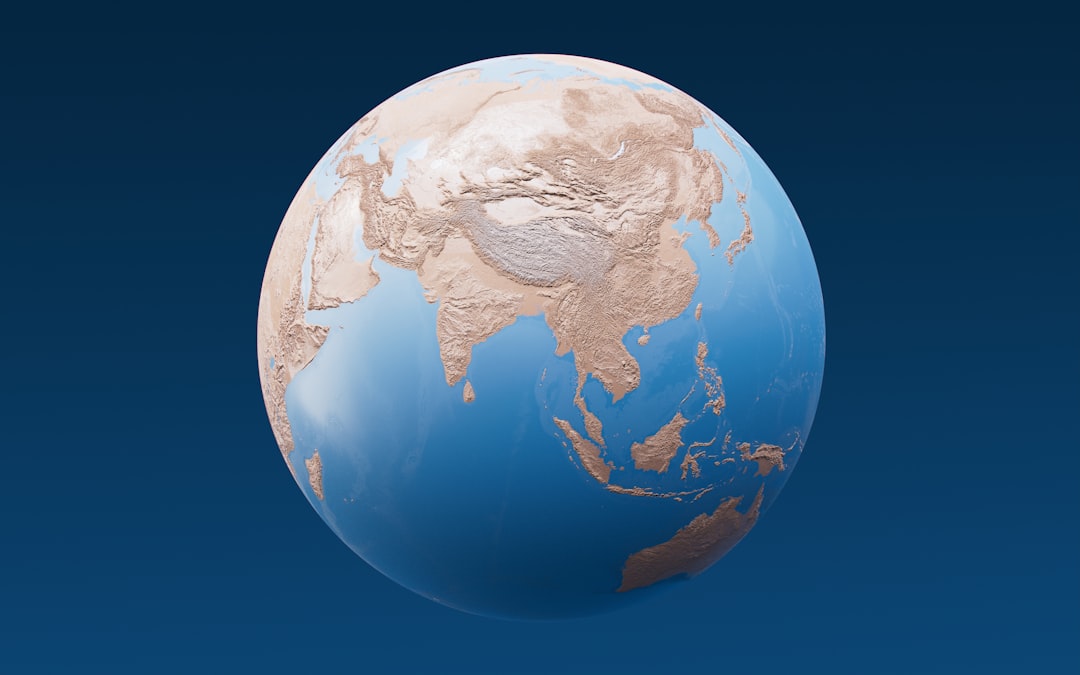
Rare Earth Elements (REEs) are a group of 17 chemically similar elements that play a crucial role in various high-tech applications. These elements include the lanthanides, such as cerium, neodymium, and europium, along with scandium and yttrium. Despite their name, rare earth elements are not particularly rare in terms of abundance in the Earth’s crust; rather, they are rarely found in economically exploitable concentrations.
Their unique properties, such as high magnetic strength, luminescence, and catalytic capabilities, make them indispensable in modern technology. The classification of these elements is based on their similar chemical properties, which often leads to challenges in their extraction and separation. The complexity of their chemistry means that mining and processing REEs require advanced techniques and significant investment.
As industries increasingly rely on these elements for the production of electronics, renewable energy technologies, and defense systems, understanding their characteristics and behaviors becomes essential for both manufacturers and policymakers.
Key Takeaways
- Rare earth elements are a group of 17 metals that are crucial for modern technology and are found in a variety of consumer electronics, green technologies, and military equipment.
- The rare earth supply chain is complex and heavily reliant on China, which produces over 80% of the world’s rare earth elements.
- China’s dominance in rare earth production poses challenges and risks for the global supply chain, including geopolitical tensions and market manipulation.
- Rare earth mining has significant environmental and social impacts, including habitat destruction, water pollution, and human rights abuses.
- Efforts to diversify the rare earth supply chain and increase recycling are underway to reduce dependence on China and mitigate environmental and social impacts.
The Importance of Rare Earth Elements in Modern Technology
The significance of rare earth elements in contemporary technology cannot be overstated. They are integral to the production of a wide array of devices, from smartphones and laptops to electric vehicles and wind turbines. For instance, neodymium is a key component in the powerful magnets used in electric motors and generators, while europium is essential for producing the vibrant colors in LED screens.
As the world shifts towards greener technologies, the demand for REEs is expected to surge, further solidifying their importance in the global economy. Moreover, rare earth elements are vital for national security and defense applications. They are used in advanced weaponry, surveillance systems, and communication technologies.
The reliance on REEs for these critical applications underscores the need for countries to secure stable supplies and develop strategies to mitigate potential shortages. As technology continues to evolve, the role of rare earth elements will only become more pronounced, making them a focal point for innovation and economic growth.
The Complexities of the Rare Earth Supply Chain

The supply chain for rare earth elements is notoriously complex and multifaceted. It involves several stages, including mining, processing, refining, and distribution. Each stage presents its own set of challenges, from environmental concerns associated with mining to the technical difficulties of separating individual elements from their ores.
The intricate nature of this supply chain means that disruptions at any point can have significant repercussions on the availability of these critical materials. Additionally, the geographical distribution of rare earth deposits adds another layer of complexity. While many countries possess REE resources, only a few have developed the infrastructure necessary for large-scale extraction and processing.
This uneven distribution can lead to supply vulnerabilities, particularly for nations that rely heavily on imports. As a result, understanding the dynamics of the rare earth supply chain is essential for ensuring a stable supply of these vital materials.
The Role of China in Rare Earth Production
| Year | China’s Rare Earth Production (in metric tons) | Global Rare Earth Production (in metric tons) | Percentage of Global Production |
|---|---|---|---|
| 2010 | 120,000 | 133,000 | 90% |
| 2015 | 105,000 | 126,000 | 83% |
| 2020 | 140,000 | 210,000 | 67% |
China has emerged as the dominant player in the global rare earth market, accounting for approximately 60% of the world’s production. This dominance is attributed to several factors, including vast reserves of REEs, established mining operations, and advanced processing capabilities. China’s ability to produce REEs at a lower cost than many other countries has made it a key supplier for industries worldwide.
However, China’s control over the rare earth supply chain has raised concerns among other nations regarding dependency and potential supply disruptions. In recent years, geopolitical tensions have highlighted the risks associated with relying on a single country for critical materials. As countries seek to diversify their sources of rare earth elements, understanding China’s role in production becomes increasingly important for developing effective strategies to ensure a stable supply.
Challenges and Risks in the Rare Earth Supply Chain
The rare earth supply chain is fraught with challenges and risks that can impact availability and pricing. One significant challenge is the environmental impact of mining operations. The extraction process often involves toxic chemicals and generates substantial waste, leading to pollution and habitat destruction.
These environmental concerns have prompted calls for more sustainable practices within the industry. Additionally, geopolitical factors can create uncertainties in the supply chain. Trade disputes, tariffs, and export restrictions can disrupt the flow of rare earth elements between countries.
Such disruptions can lead to price volatility and create challenges for manufacturers who rely on a steady supply of these materials. As industries continue to grow and evolve, addressing these challenges will be crucial for maintaining a reliable supply chain.
Environmental and Social Impacts of Rare Earth Mining
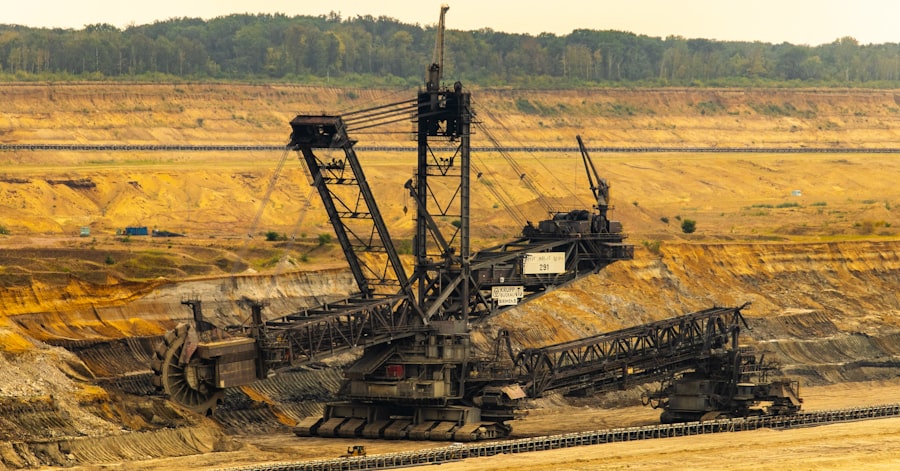
The environmental consequences of rare earth mining are significant and multifaceted. Mining operations often result in land degradation, water contamination, and air pollution due to the use of hazardous chemicals during extraction and processing. These environmental impacts can have long-lasting effects on local ecosystems and communities, raising ethical concerns about the sustainability of current mining practices.
Additionally, there are often conflicts over land use between mining companies and local populations. These issues highlight the need for responsible mining practices that prioritize environmental protection and community well-being.
As awareness of these impacts grows, there is increasing pressure on companies to adopt more sustainable approaches to rare earth extraction.
Efforts to Diversify the Rare Earth Supply Chain
In response to concerns about dependency on China for rare earth elements, many countries are actively seeking to diversify their sources of REEs. This diversification effort includes exploring untapped reserves in regions such as North America, Australia, and Africa. Countries like the United States have initiated programs aimed at developing domestic production capabilities to reduce reliance on foreign sources.
Moreover, international collaborations are emerging as a strategy to enhance supply chain resilience. Partnerships between countries can facilitate knowledge sharing and investment in mining technologies that improve efficiency and sustainability. By diversifying sources and fostering collaboration, nations can work towards creating a more stable and secure rare earth supply chain.
The Role of Recycling in Rare Earth Element Supply
Recycling presents a promising solution to address some of the challenges associated with rare earth supply chains. By recovering REEs from end-of-life products such as electronics and batteries, it is possible to reduce dependence on primary mining operations while minimizing environmental impacts. Recycling not only conserves natural resources but also helps mitigate waste generated by discarded electronic devices.
However, recycling processes for rare earth elements are still developing and face technical hurdles. Efficiently extracting REEs from complex products requires advanced technologies and infrastructure that are not yet widely available. Nevertheless, as demand for these materials continues to rise, investing in recycling technologies will be essential for creating a circular economy that supports sustainable practices within the industry.
Emerging Technologies and the Demand for Rare Earth Elements
The demand for rare earth elements is expected to grow significantly due to emerging technologies such as electric vehicles (EVs), renewable energy systems, and advanced electronics. As governments worldwide push for greener initiatives to combat climate change, the need for REEs in clean energy technologies will become increasingly critical. For instance, neodymium-based magnets are essential components in wind turbines and electric motors used in EVs.
Furthermore, advancements in technology often lead to new applications for rare earth elements that were previously unimagined.
This growing need underscores the importance of securing stable supplies while also addressing environmental concerns associated with extraction processes.
The Future of the Rare Earth Supply Chain
Looking ahead, the future of the rare earth supply chain will be shaped by several factors including technological advancements, geopolitical dynamics, and environmental considerations. As countries strive to reduce their carbon footprints and transition towards sustainable energy solutions, the demand for REEs will likely increase exponentially. This shift presents both opportunities and challenges for stakeholders across the supply chain.
Moreover, ongoing efforts to develop alternative sources of REEs through recycling and exploration will play a crucial role in shaping future supply dynamics. As industries adapt to changing market conditions and regulatory pressures regarding sustainability practices, it will be essential for companies to remain agile and responsive to emerging trends within the rare earth sector.
Strategies for Ensuring a Sustainable and Ethical Rare Earth Supply Chain
To ensure a sustainable and ethical rare earth supply chain, several strategies can be implemented by governments, industries, and consumers alike. First and foremost is the promotion of responsible mining practices that prioritize environmental protection and community engagement. This includes adhering to strict regulations regarding waste management and pollution control while fostering transparency throughout the supply chain.
Additionally, investing in research and development for alternative materials or more efficient recycling methods can help alleviate some pressures associated with primary extraction processes. Encouraging collaboration between stakeholders—such as governments, NGOs, and private companies—can facilitate knowledge sharing and innovation aimed at creating a more sustainable future for rare earth elements. In conclusion, as society becomes increasingly reliant on technology that incorporates rare earth elements, understanding their complexities becomes paramount.
By addressing challenges within the supply chain while promoting sustainable practices, stakeholders can work together towards ensuring a stable future for these critical materials.
In recent years, the rare earth supply chain has become a topic of significant interest due to its critical role in modern technology and geopolitical dynamics. A related article that delves into the intricacies of this supply chain can be found on Real Lore and Order. This article provides a comprehensive overview of the challenges and opportunities within the rare earth industry, highlighting the strategic importance of these materials in the global market. For more detailed insights, you can read the full article by visiting Real Lore and Order’s sample page. This resource offers valuable perspectives on how nations are navigating the complexities of securing rare earth elements to maintain technological and economic competitiveness.
WATCH THIS! They Can Shut Down Your World Overnight. This Is The Choke Point Controlling Everything!
FAQs
What are rare earth elements?
Rare earth elements are a group of 17 chemical elements in the periodic table, including scandium, yttrium, and the 15 lanthanides. They are essential for the production of various high-tech products such as smartphones, electric vehicles, and wind turbines.
Where are rare earth elements found?
Rare earth elements are found in various locations around the world, with significant deposits in China, Australia, the United States, and several other countries. They are typically found in low concentrations in the Earth’s crust and are often difficult and costly to extract.
What is the rare earth supply chain?
The rare earth supply chain refers to the process of extracting, refining, and processing rare earth elements to make them available for use in various industries. This includes mining, processing, manufacturing, and distribution of rare earth materials.
Why is the rare earth supply chain important?
The rare earth supply chain is important because rare earth elements are critical for the production of many modern technologies. They are essential for the manufacturing of electronics, renewable energy technologies, and defense systems.
What are the challenges in the rare earth supply chain?
Challenges in the rare earth supply chain include environmental concerns related to mining and processing, geopolitical issues, and the concentration of production in a few countries. Additionally, the complex and costly extraction process poses challenges for ensuring a stable and sustainable supply of rare earth elements.
How is the rare earth supply chain being addressed?
Efforts to address challenges in the rare earth supply chain include diversifying sources of rare earth elements, developing more efficient extraction and processing technologies, and promoting recycling and reuse of rare earth materials. Additionally, there are ongoing international discussions and collaborations to address the geopolitical aspects of the rare earth supply chain.