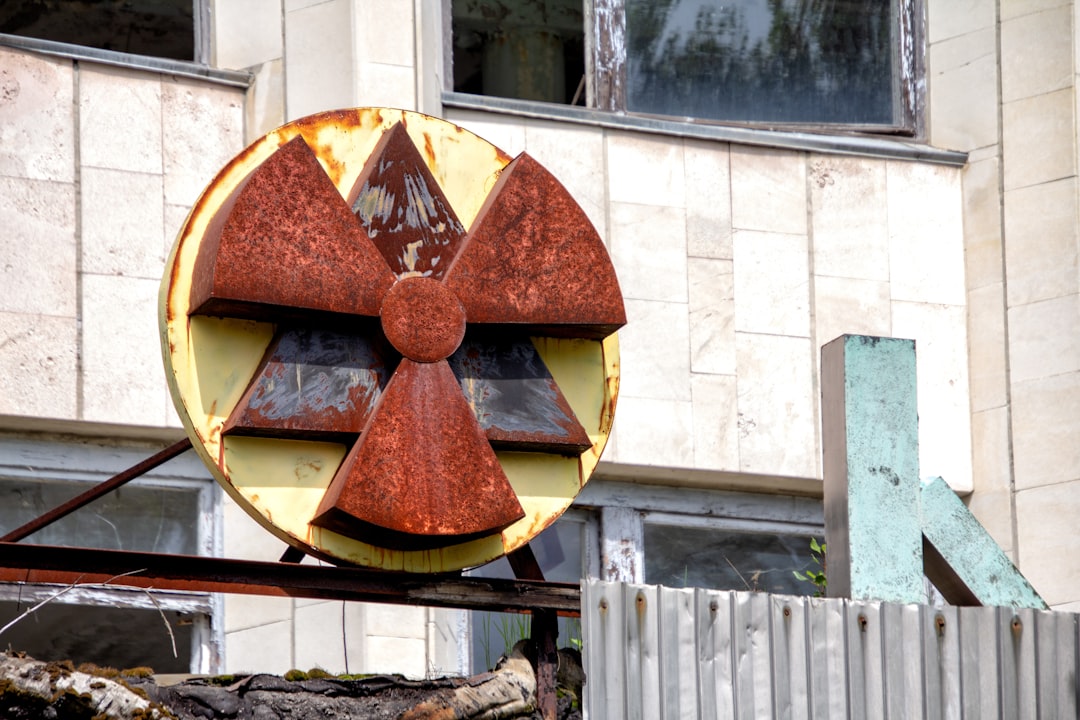
Nuclear weapons are among the most destructive weapons ever developed. They can destroy entire cities and cause massive casualties. Their destructive power comes from nuclear fission and fusion reactions, which release enormous amounts of energy from atomic nuclei.
This energy is released almost instantaneously, creating explosions with temperatures exceeding those at the sun’s core. Beyond immediate destruction, nuclear weapons significantly affect international relations and global politics. The development of nuclear weapons has changed how nations conduct warfare and diplomacy.
During the Cold War, the concept of mutually assured destruction (MAD) emerged, where nuclear-armed nations used their arsenals as a deterrent against direct military conflict. This strategy created a tense balance, with countries building up their nuclear stockpiles while also pursuing diplomatic negotiations to prevent nuclear war. Nuclear weapons therefore influence global politics not only through their destructive potential but also through their role as instruments of deterrence and political leverage.
The documentary provides a detailed analysis of the potential consequences of nuclear war on global security.
Key Takeaways
- Nuclear weapons cause massive immediate destruction and long-term environmental damage.
- The human toll includes high casualties, severe health effects, and lasting psychological trauma.
- Infrastructure and economies suffer devastating losses, complicating recovery efforts.
- International responses focus on prevention, disarmament, and humanitarian aid.
- Rebuilding requires coordinated efforts addressing physical, economic, and mental health recovery.
The Immediate Impact of a Nuclear Explosion
The immediate aftermath of a nuclear explosion is characterized by an overwhelming wave of destruction that is both instantaneous and catastrophic. The initial blast generates a shockwave that travels at supersonic speeds, flattening buildings and obliterating everything in its path. This shockwave is accompanied by an intense fireball that radiates heat, igniting fires over vast areas and causing severe burns to anyone caught within its reach.
The sheer force of the explosion can lead to a death toll that escalates rapidly, with survivors often left in a state of shock and disbelief. In addition to the physical destruction, the psychological impact on those who witness or experience a nuclear explosion is profound. The chaos that ensues—screams, fires, and collapsing structures—creates an environment of terror and confusion.
The immediate impact extends beyond the physical realm; it leaves deep emotional scars on survivors, many of whom grapple with trauma for years to come.
The Destruction of Infrastructure
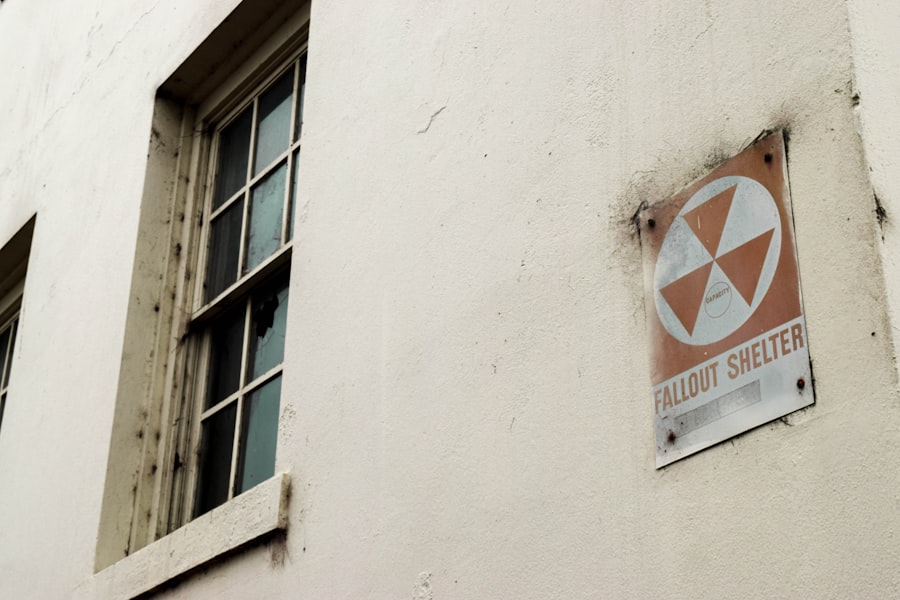
The destruction wrought by a nuclear explosion extends far beyond the immediate vicinity of the blast site. Critical infrastructure, including transportation networks, communication systems, and utilities, is often rendered inoperable. Roads become impassable due to debris, while bridges may collapse under the force of the explosion.
This disruption hampers rescue efforts and complicates the delivery of aid to affected areas. The loss of communication systems further exacerbates the chaos, leaving survivors isolated and without access to vital information. Moreover, the destruction of infrastructure has long-lasting implications for recovery efforts.
Cities that once thrived become uninhabitable wastelands, with essential services such as water supply and electricity severely compromised. Rebuilding these systems requires significant resources and time, often stretching into years or even decades. The challenge is not merely physical; it also involves addressing the psychological toll on communities that must navigate the complexities of rebuilding their lives amidst the ruins.
The Human Toll of Nuclear Weapon’s City Destruction
The human toll resulting from a nuclear explosion is staggering and multifaceted. In addition to the immediate fatalities caused by the blast, countless individuals suffer from severe injuries, burns, and trauma. Hospitals quickly become overwhelmed with casualties, struggling to provide care for those in desperate need.
The sheer volume of injuries can lead to a breakdown in medical services, compounding the suffering experienced by survivors. Beyond physical injuries, the emotional and psychological impact on individuals and communities is profound. Survivors often grapple with feelings of loss, grief, and survivor’s guilt as they navigate a world forever altered by violence.
Families are torn apart, and communities are shattered, leading to a pervasive sense of despair. The long-term effects on mental health can manifest in various ways, including post-traumatic stress disorder (PTSD), anxiety, and depression, creating a cycle of suffering that extends well beyond the initial event.
Long-term Health Effects
| Metric | Value | Unit | Description |
|---|---|---|---|
| Blast Wave Arrival Time | 5-10 | seconds | Time for the initial shockwave to reach the city center from ground zero (depends on yield and distance) |
| Thermal Radiation Arrival | 1-2 | seconds | Time for intense heat and light to reach the city, causing fires and burns |
| Fireball Radius | 1-3 | kilometers | Initial radius of the fireball created by the explosion (varies with weapon yield) |
| Time to Complete Structural Collapse | 10-30 | seconds | Duration for buildings within the blast radius to collapse after shockwave impact |
| Radiation Exposure Duration | minutes to hours | minutes/hours | Time during which lethal ionizing radiation levels persist in the affected area |
| City Destruction Scale | Up to 80% | percent | Percentage of city infrastructure destroyed depending on weapon yield and detonation height |
The long-term health effects of exposure to nuclear explosions are significant and often devastating. Survivors may experience a range of health issues stemming from radiation exposure, including an increased risk of cancer and other chronic illnesses. The effects of radiation can take years or even decades to manifest, complicating efforts to provide adequate medical care and support for affected individuals.
Those who were closest to the blast site may suffer from acute radiation syndrome, while others may face long-term health challenges that alter their quality of life. In addition to physical health concerns, there are also psychological ramifications associated with long-term exposure to radiation and the trauma of surviving a nuclear event. Survivors may live in constant fear of developing illnesses related to their exposure, leading to heightened anxiety and stress levels.
The stigma surrounding radiation exposure can further isolate individuals from their communities, exacerbating feelings of loneliness and despair.
Environmental Devastation
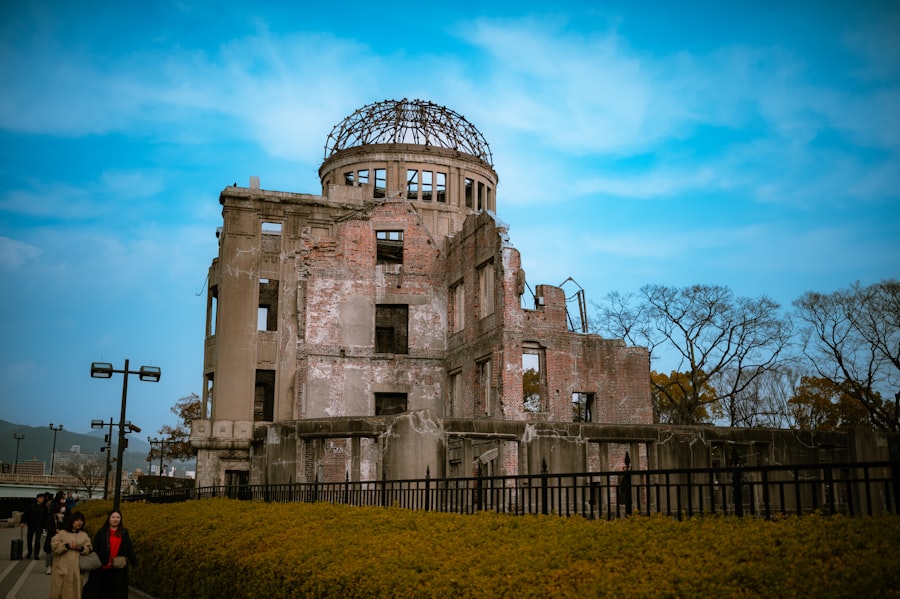
The environmental consequences of a nuclear explosion are profound and far-reaching. The immediate area surrounding the blast site becomes uninhabitable due to contamination from radioactive fallout. Soil, water sources, and vegetation can be rendered toxic, leading to long-term ecological damage that disrupts local ecosystems.
Wildlife populations may decline as habitats are destroyed or contaminated, leading to cascading effects throughout the food chain. Moreover, the environmental devastation extends beyond the immediate vicinity of the explosion. Wind patterns can carry radioactive particles over vast distances, affecting regions far removed from the initial blast site.
This contamination poses significant risks to agriculture and water supplies, threatening food security for entire populations. The long-term environmental impact necessitates extensive monitoring and remediation efforts, which can take decades to implement effectively.
Economic Fallout
The economic fallout from a nuclear explosion is staggering and multifaceted. The immediate destruction of infrastructure leads to significant financial losses for businesses and governments alike. Reconstruction efforts require substantial investments in resources and labor, diverting funds from other critical areas such as education and healthcare.
The economic impact extends beyond physical rebuilding; it also encompasses lost productivity as individuals grapple with trauma and displacement. In addition to direct costs, there are also long-term economic implications associated with decreased property values and reduced investment in affected areas. Communities may struggle to attract new businesses or residents due to lingering fears associated with radiation exposure or potential future attacks.
The economic repercussions can create a cycle of decline that perpetuates poverty and instability in regions already grappling with the aftermath of destruction.
International Response to Nuclear Attacks
The international response to nuclear attacks is complex and often fraught with tension. In the wake of such an event, nations must grapple with questions of accountability and justice while navigating geopolitical dynamics that can complicate relief efforts.
Diplomatic efforts may also intensify following a nuclear attack as nations seek to prevent further escalation or retaliation. International treaties aimed at nuclear disarmament may gain renewed attention as countries recognize the catastrophic consequences of nuclear warfare. However, achieving consensus on disarmament remains challenging amid ongoing geopolitical rivalries and security concerns.
Rebuilding and Recovery Efforts
Rebuilding after a nuclear explosion is an arduous process that requires careful planning and coordination among various stakeholders. Governments must prioritize infrastructure restoration while addressing the needs of displaced populations who have lost their homes and livelihoods. Recovery efforts often involve collaboration between local authorities, non-governmental organizations (NGOs), and international agencies working together to provide essential services such as housing, healthcare, and education.
Community engagement is crucial during this phase as survivors seek to reclaim their lives amidst devastation. Mental health support becomes an integral part of recovery efforts as individuals navigate trauma while rebuilding their communities. Successful recovery hinges not only on physical reconstruction but also on fostering resilience among affected populations as they work towards healing and renewal.
Preventing Future Nuclear Weapon’s City Destruction
Preventing future nuclear weapon city destruction requires a multifaceted approach that encompasses diplomacy, education, and advocacy for disarmament initiatives. International cooperation is essential in addressing the underlying tensions that contribute to nuclear proliferation while promoting dialogue among nations with differing security concerns. Efforts must focus on building trust through transparency measures and confidence-building initiatives aimed at reducing the perceived need for nuclear arsenals.
Education plays a vital role in fostering awareness about the consequences of nuclear warfare among younger generations. By instilling values of peace and cooperation early on, societies can cultivate a culture that prioritizes conflict resolution over militarization. Advocacy for disarmament initiatives must also remain at the forefront of global discourse as nations work towards establishing frameworks that promote non-proliferation while addressing existing stockpiles responsibly.
The Psychological Impact on Survivors
The psychological impact on survivors of a nuclear explosion is profound and multifaceted, often manifesting in various forms over time. Many individuals experience acute trauma immediately following the event, characterized by shock, disbelief, and overwhelming fear for their safety. As time progresses, survivors may grapple with persistent anxiety about potential future attacks or lingering health concerns related to radiation exposure.
Long-term psychological effects can include post-traumatic stress disorder (PTSD), depression, and social withdrawal as individuals struggle to reintegrate into their communities after experiencing such profound loss. Support systems become crucial during this phase; access to mental health resources can significantly influence recovery outcomes for survivors navigating their emotional landscapes amidst ongoing challenges related to rebuilding their lives after devastation. In conclusion, understanding the multifaceted consequences of nuclear weapon city destruction is essential for fostering awareness about its far-reaching implications on human life, infrastructure, health systems, economies, environments—and ultimately—global peace efforts aimed at preventing future tragedies from occurring again.
The devastating impact of a nuclear weapon on a city can occur within moments, leading to catastrophic destruction and loss of life. For a deeper understanding of the implications and the speed at which such weapons can wreak havoc, you can read more in this related article on the topic. Check it out here: